 01
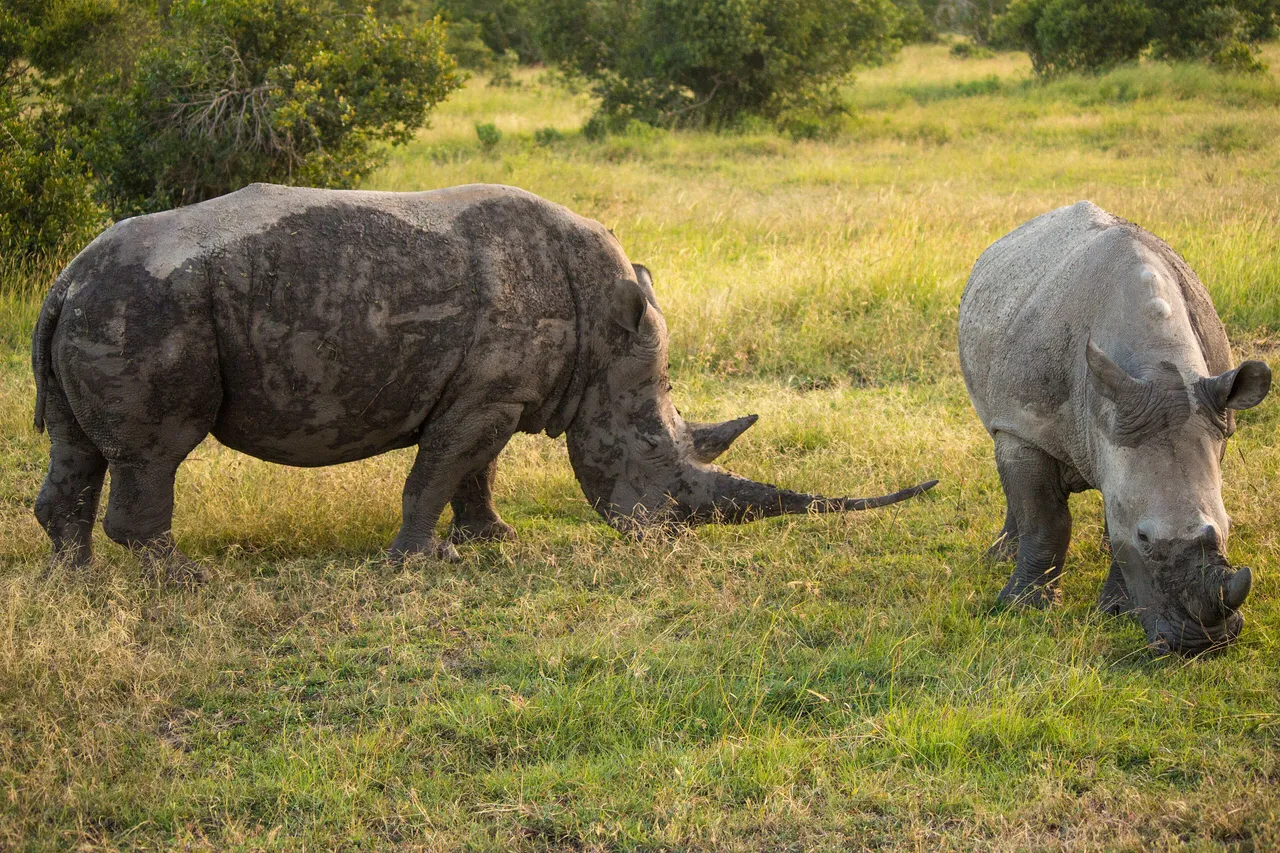
01Eastern black rhino
Diceros bicornis michaeli
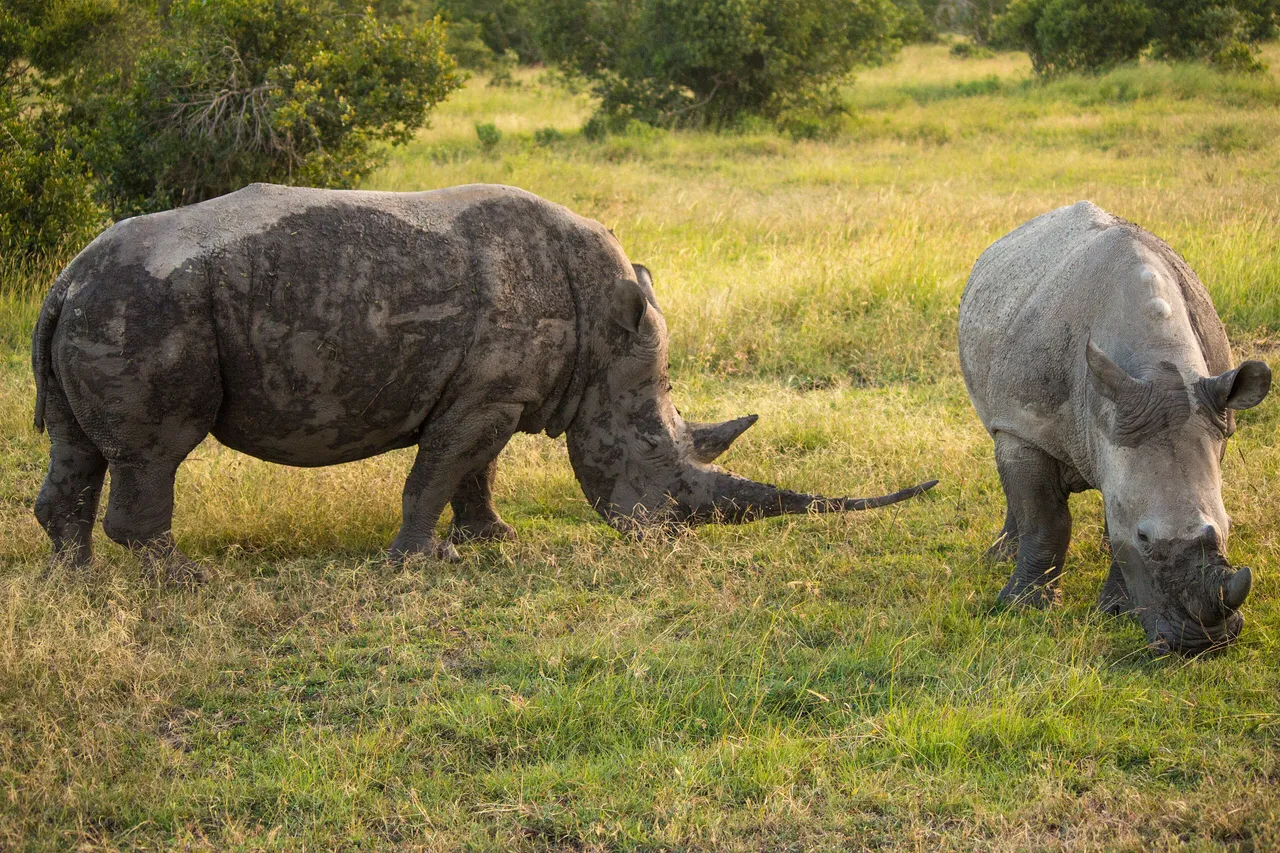
Browsers, solitary and short-tempered. Ol Pejeta holds the largest population in East Africa and permits tracking them on foot with rangers.

Las descripciones de los viajes y las guías de los parques están de momento en inglés. La navegación y los formularios están en su idioma, y respondemos consultas en inglés, francés, español o chino.
WhatsApp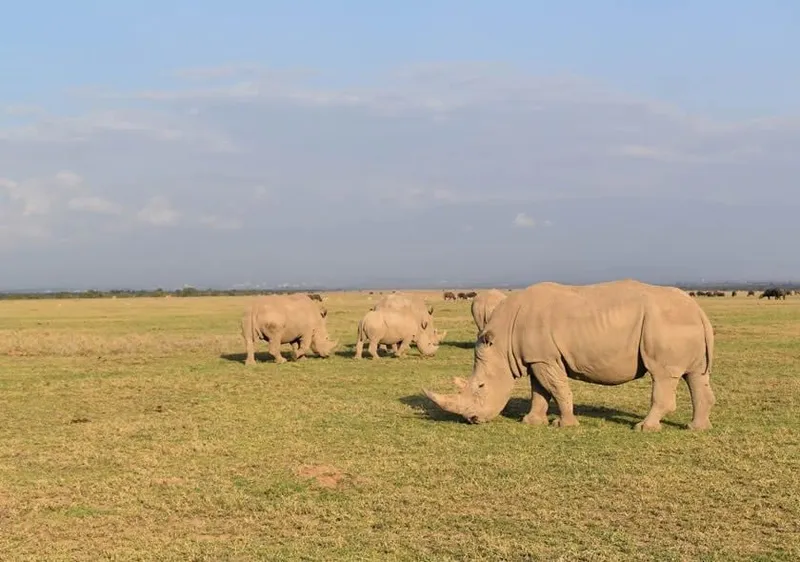
A working conservancy on the Laikipia plateau. An Ol Pejeta Conservancy safari means the largest black rhino population in East Africa, and conservation you can see the workings of.
An Ol Pejeta Conservancy safari is not a national park trip, and the difference is the point.
Ol Pejeta sits between the foothills of the Aberdares and Mount Kenya. It is a conservancy rather than a park. Cattle and wildlife share the ground, and the economics of that arrangement are part of what you come to see.
Because this is private land, it permits things the parks do not. Night drives. Guided walks. Lion tracking with the research team. Rhino tracking on foot.
None of that is available inside a national park, and it is the practical reason to add Ol Pejeta to a longer trip.
It holds the largest black rhino population in East Africa. It is also home to Najin and Fatu, the last two northern white rhinos alive.
Both are female. The subspecies is functionally extinct. What happens next depends on IVF work that may or may not succeed. Standing in front of them is a strange and quiet experience, and it is not a cheerful one.
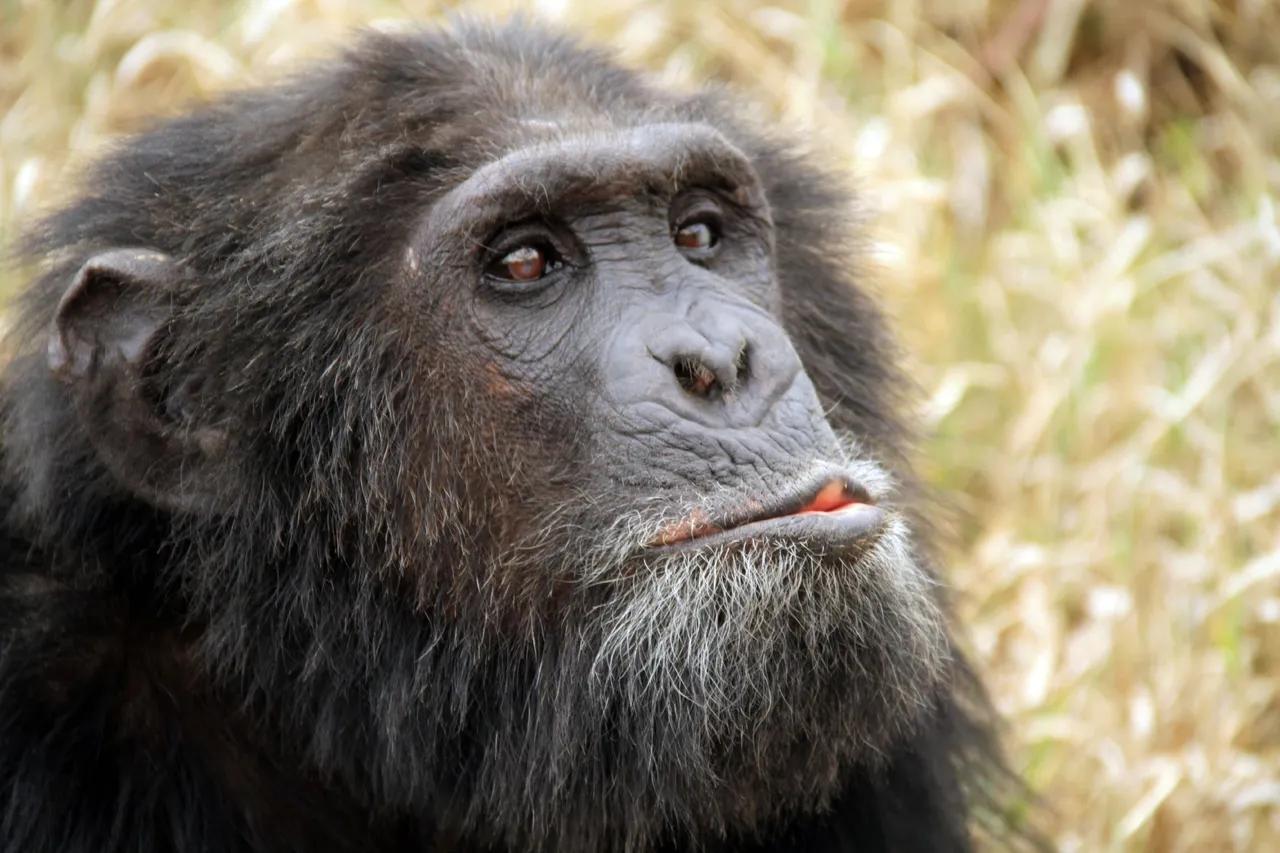
Sweetwaters, next door, houses chimpanzees rescued from the black market, mostly from West and Central Africa. Chimpanzees are not native to Kenya. This is a sanctuary rather than a wild population, and the staff are straightforward about that.
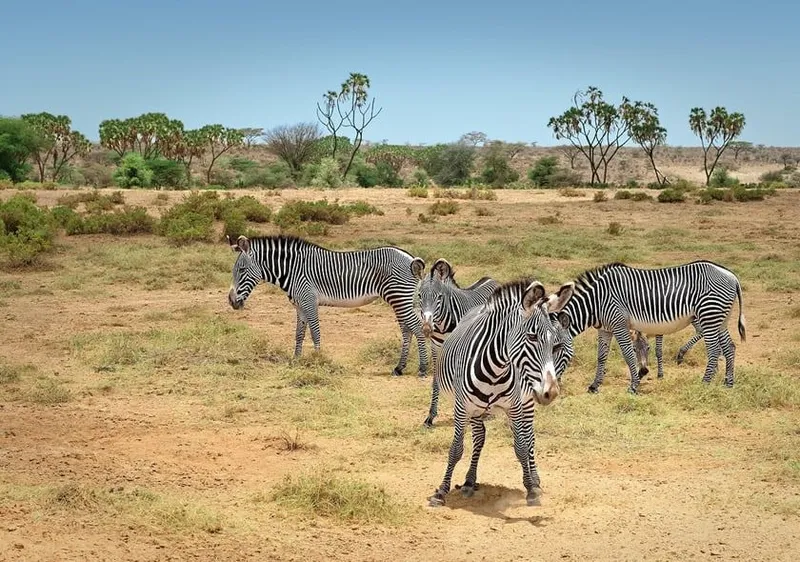
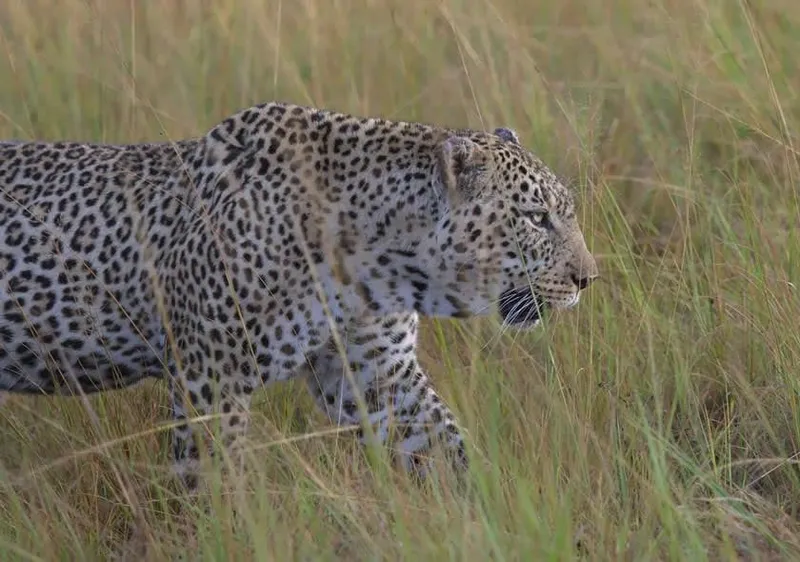
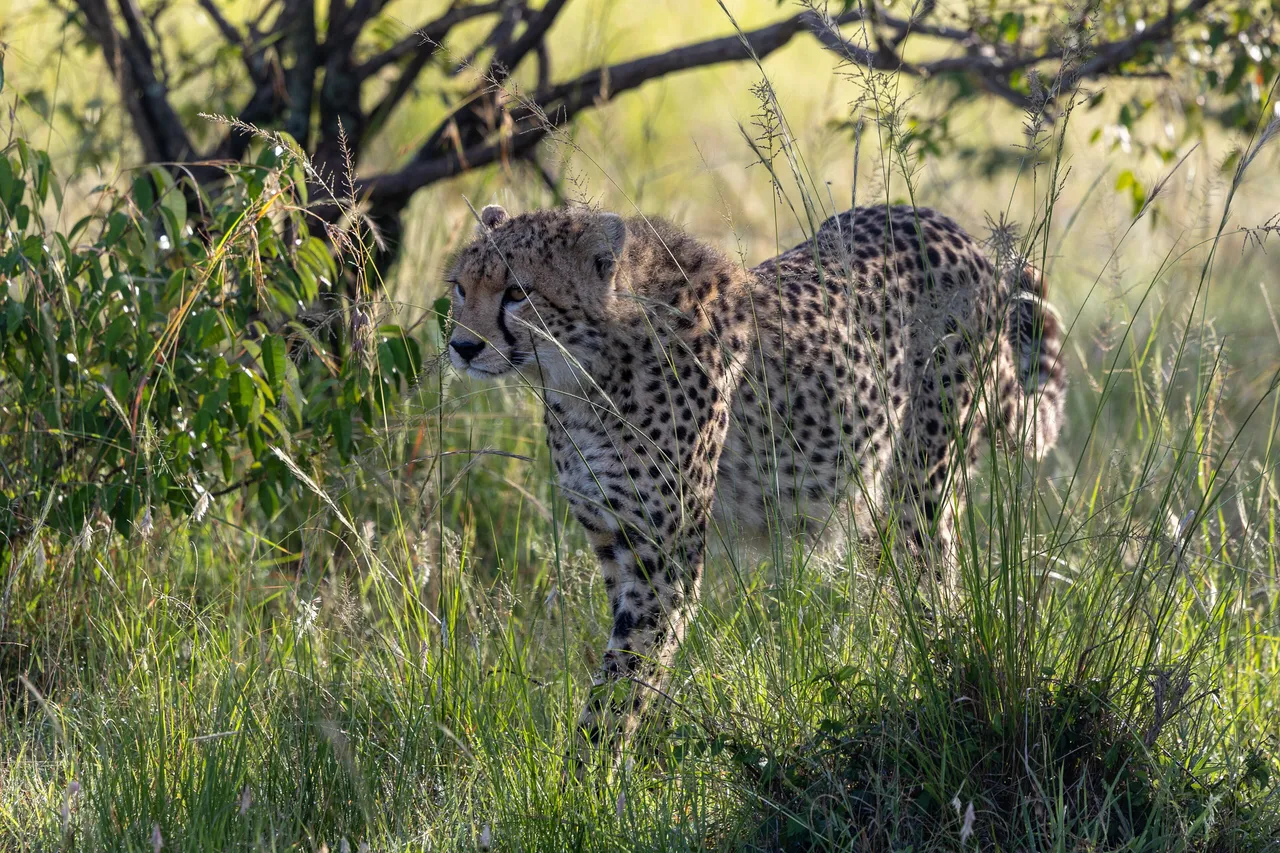
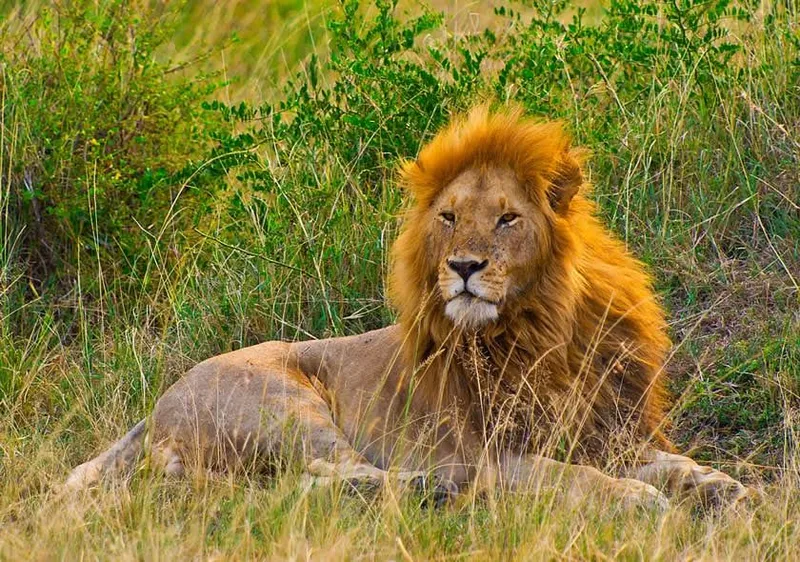
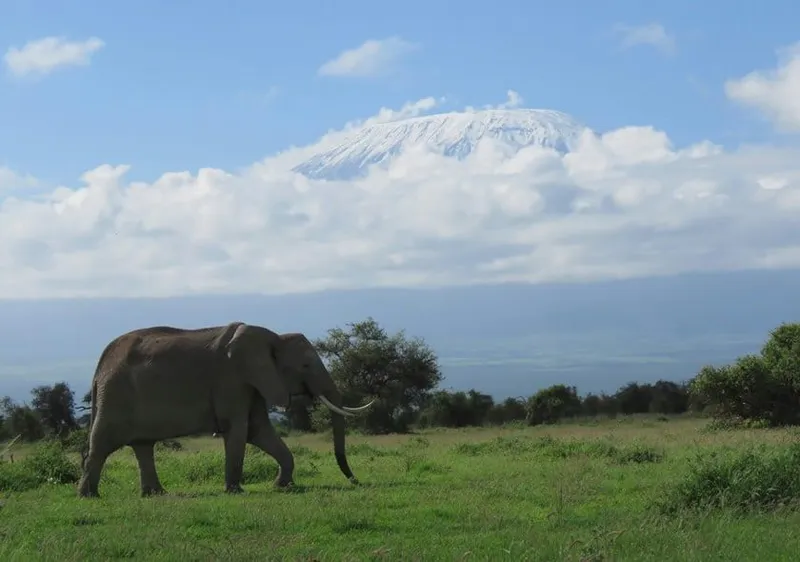
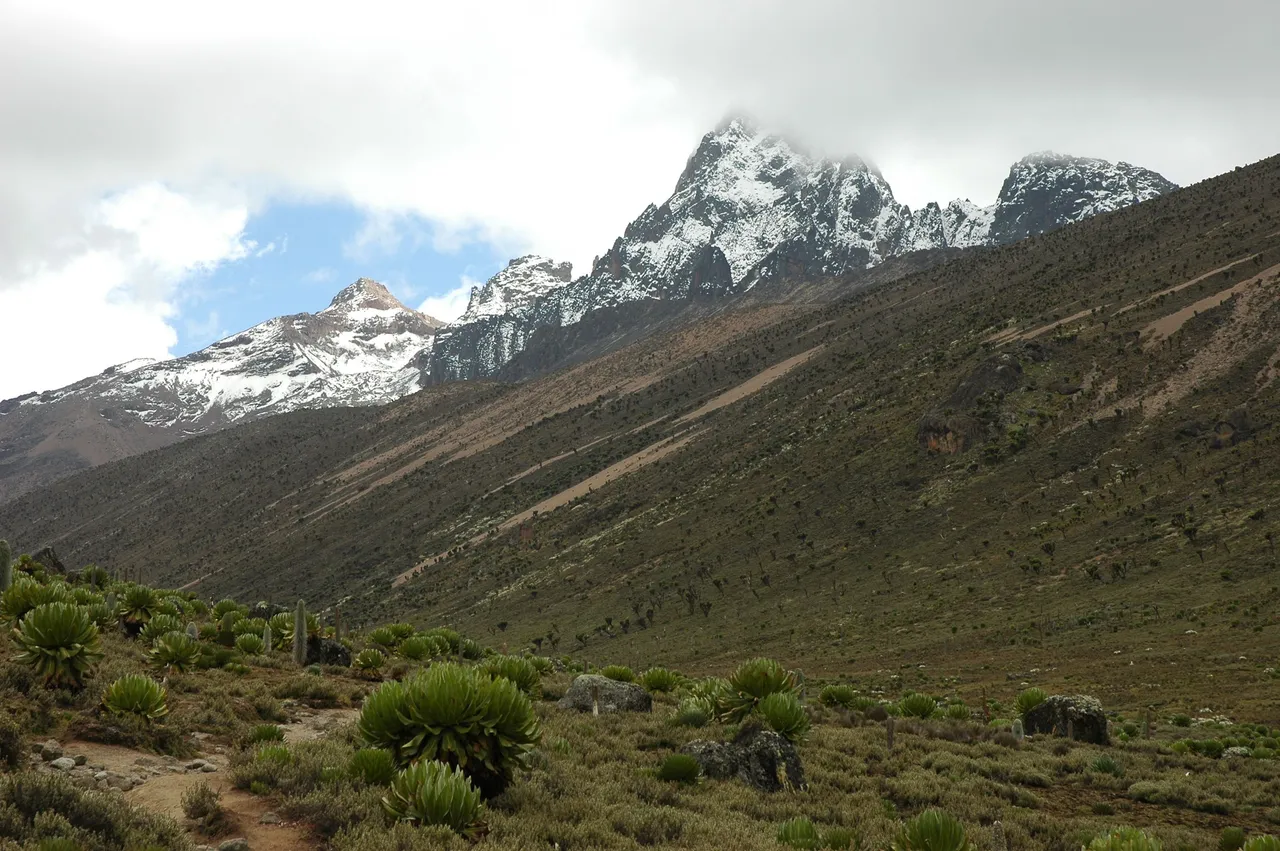
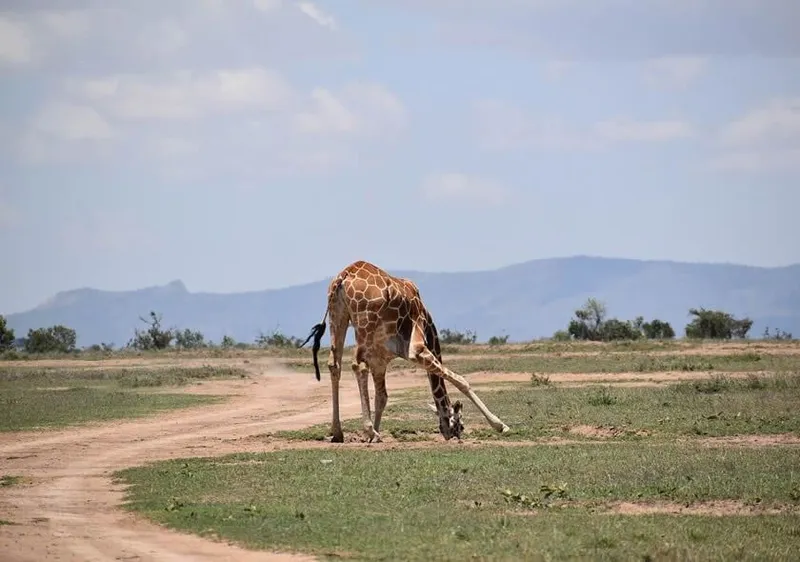
Lion, elephant, buffalo, leopard, cheetah, Grevy’s zebra and Jackson’s hartebeest. Mount Kenya on the horizon on a clear morning.
Most people see Ol Pejeta as the first leg of the five-day Mara circuit. It also breaks the drive home from Samburu. Two nights is enough to use the walking and the night drives properly.
Two nights lets you use the walking, the night drive and the rhino tracking without rushing. One night means picking one of the three.
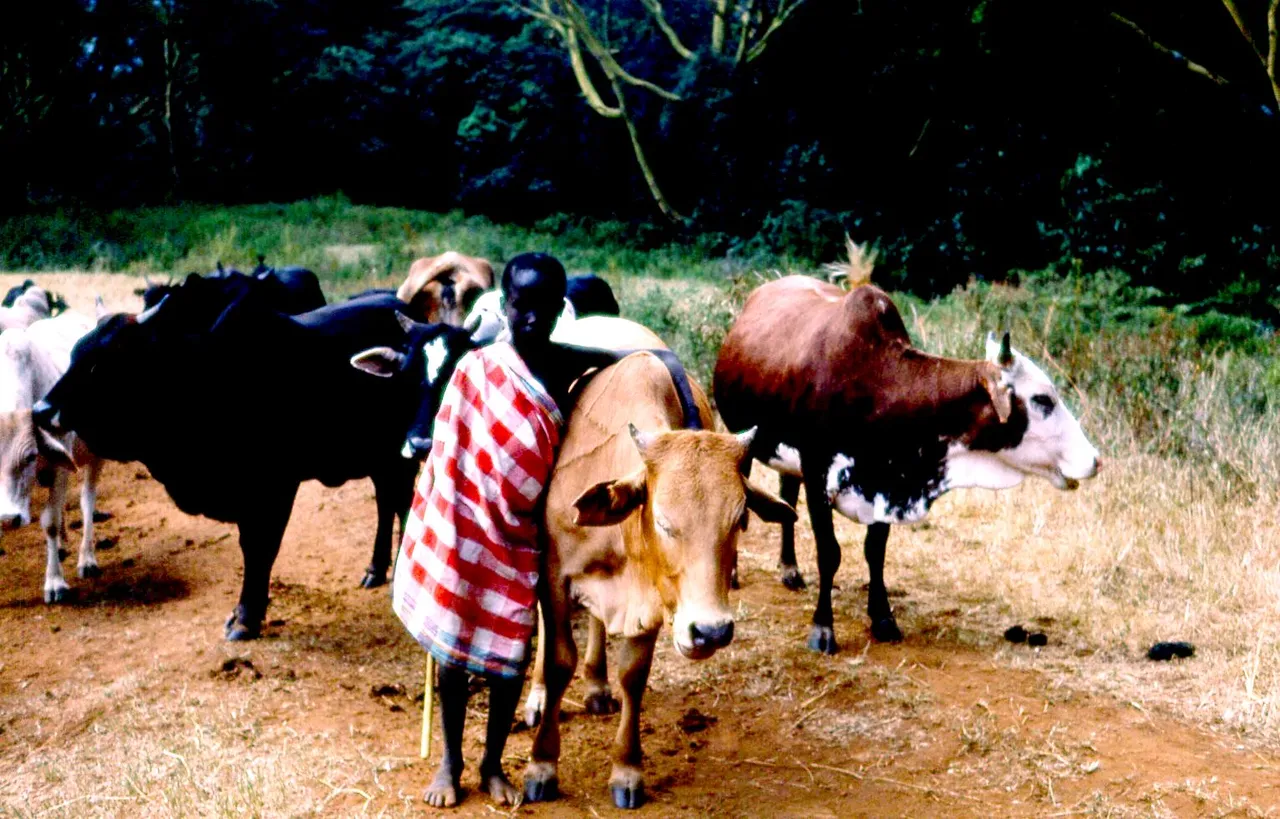
It sits at 1,800 metres on the equator, so it is warm by day and cold before dawn. The extra activities are charged separately by the conservancy and are worth budgeting for. A night drive and a guided walk together usually add around $100 per person.
Book the walking in advance. Guide numbers are limited and it fills.
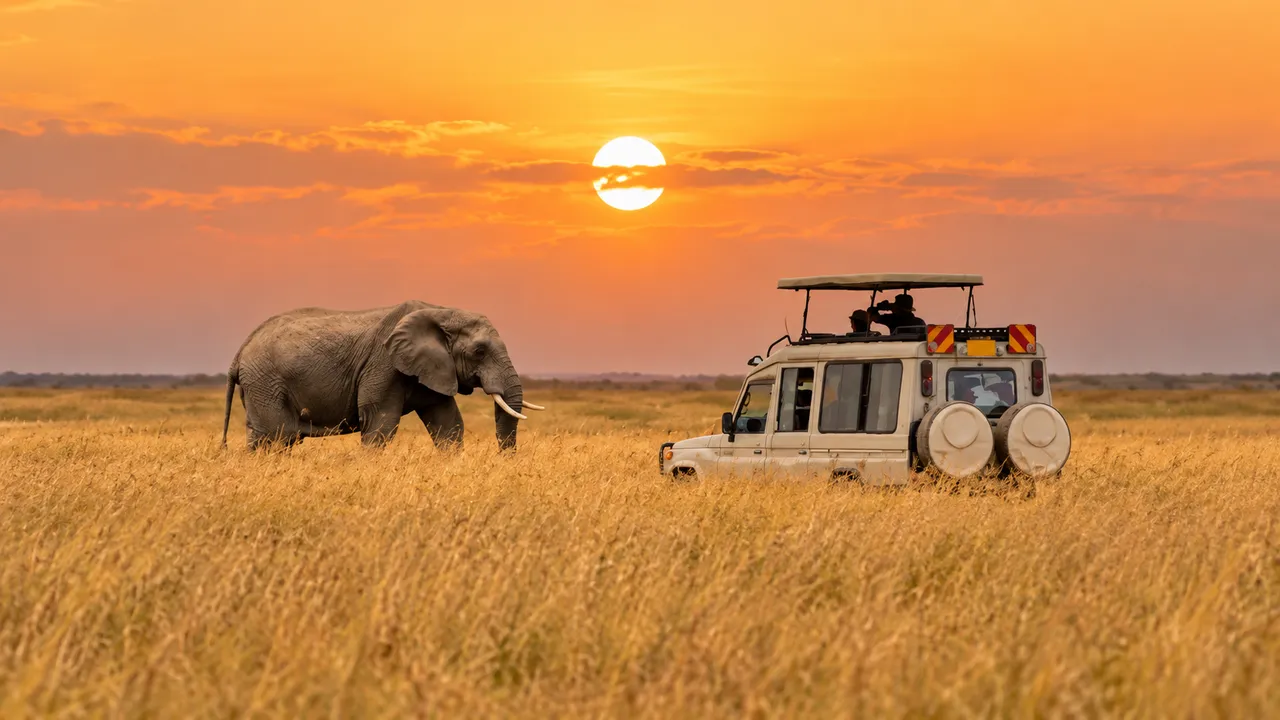
The conservancy publishes its own conservation reporting at olpejetaconservancy.org.
Declarado en 2004. Para qué se creó, y qué lo amenaza ahora.
Ol Pejeta is not a park. It was a colonial cattle ranch, bought in 2004 by Fauna & Flora International with support from the Arcus Foundation and turned into a not-for-profit conservancy. Cattle still run on it, and the herd helps pay for the wildlife.
That model is the point. Ol Pejeta exists to demonstrate that livestock and wildlife can share the same ground profitably, and it publishes its accounts to prove it.
It now holds the largest black rhino population in East Africa, a chimpanzee sanctuary opened in 1993 for animals rescued from the trade, and the last two northern white rhinos alive: both female, both under armed guard, and the subspecies functionally extinct.
Las especies por las que este sitio es realmente conocido, no una lista de los cinco grandes que valdría para cualquier parque de Kenia.
01Diceros bicornis michaeli
Browsers, solitary and short-tempered. Ol Pejeta holds the largest population in East Africa and permits tracking them on foot with rangers.
02Ceratotherium simum simum
Ol Pejeta also holds Najin and Fatu, the last two northern white rhinos alive. Both are female, the subspecies is functionally extinct, and what happens next depends on IVF work that may not succeed.
03Pan troglodytes
Not native to Kenya. The Sweetwaters sanctuary houses animals rescued from the black market, mostly from West and Central Africa.
Todos los precios incluyen entradas, transporte y su chófer-guía.
Masai Mara Safari largo
Los parques de Kenia son pequeños. Casi todo lo que decide si la fauna sobrevive ocurre en la tierra que los rodea, y esa tierra es de alguien.
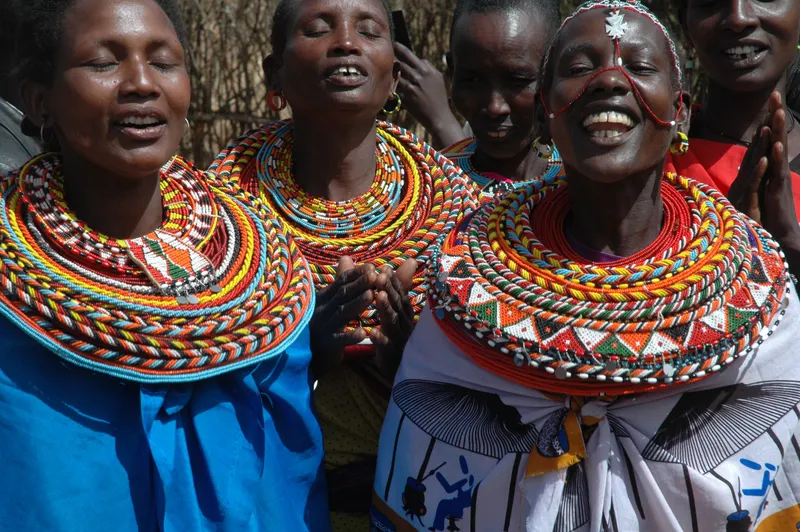
Ol Pejeta sits in Laikipia, which has the most complicated land history in Kenya, colonial ranches, Maasai communities moved off that land under the 1904 and 1911 agreements, and Samburu and Pokot herders who still drive cattle through in drought years.
None of that is settled, and grazing incursions during dry seasons are a real and recurring source of conflict.
The conservancy runs schools, clinics and water projects in the neighbouring communities and reports the spending publicly. Whether that is sufficient compensation for the underlying history is a fair question, and the staff will discuss it if you ask.
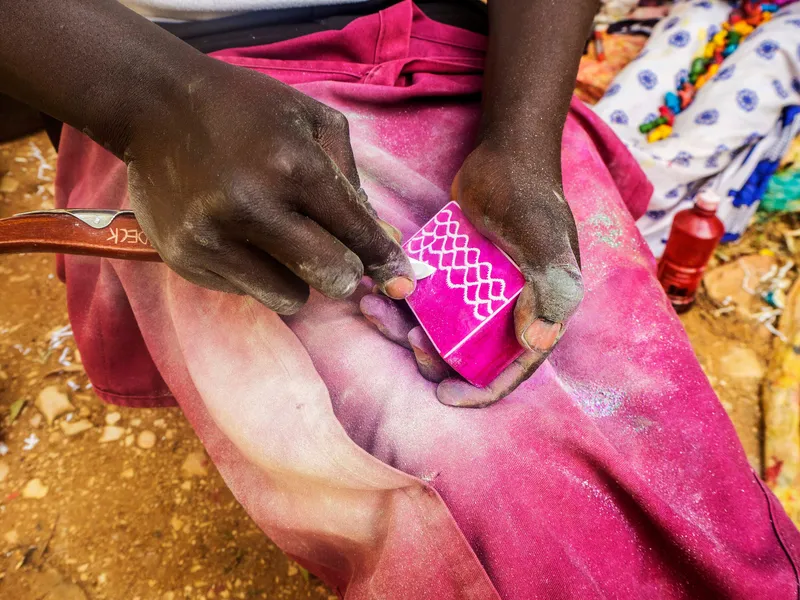
The conservancy runs a craft shop at the main gate stocking work from the surrounding communities: beadwork, woven baskets, and figures carved from olive wood.
The distinctive thing here is jewellery made from recycled brass and reclaimed snare wire, the wire is lifted from the conservancy by anti-poaching teams and sold back as bangles, which is a neat piece of circularity.
Proceeds go into the community development fund. Prices are fixed and receipts are itemised, so you can see the split.
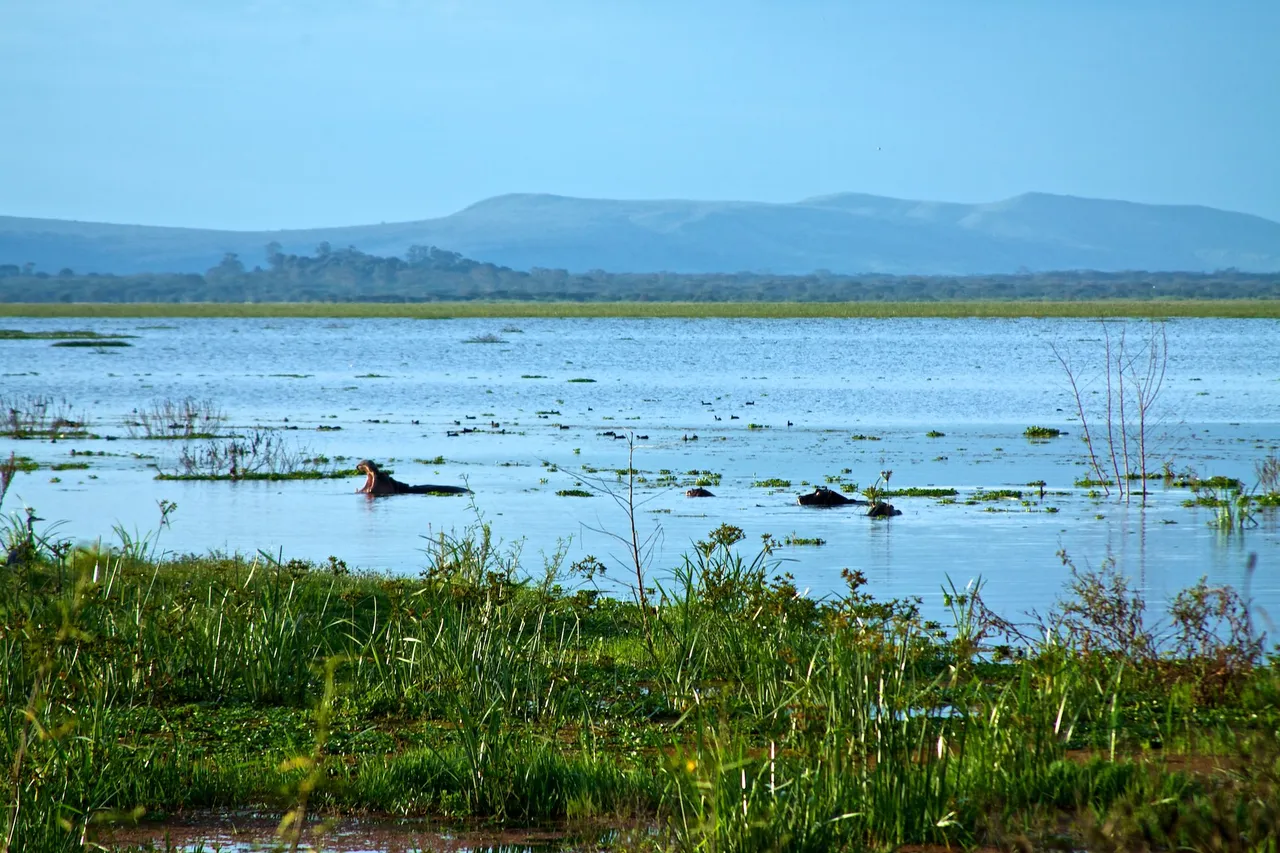
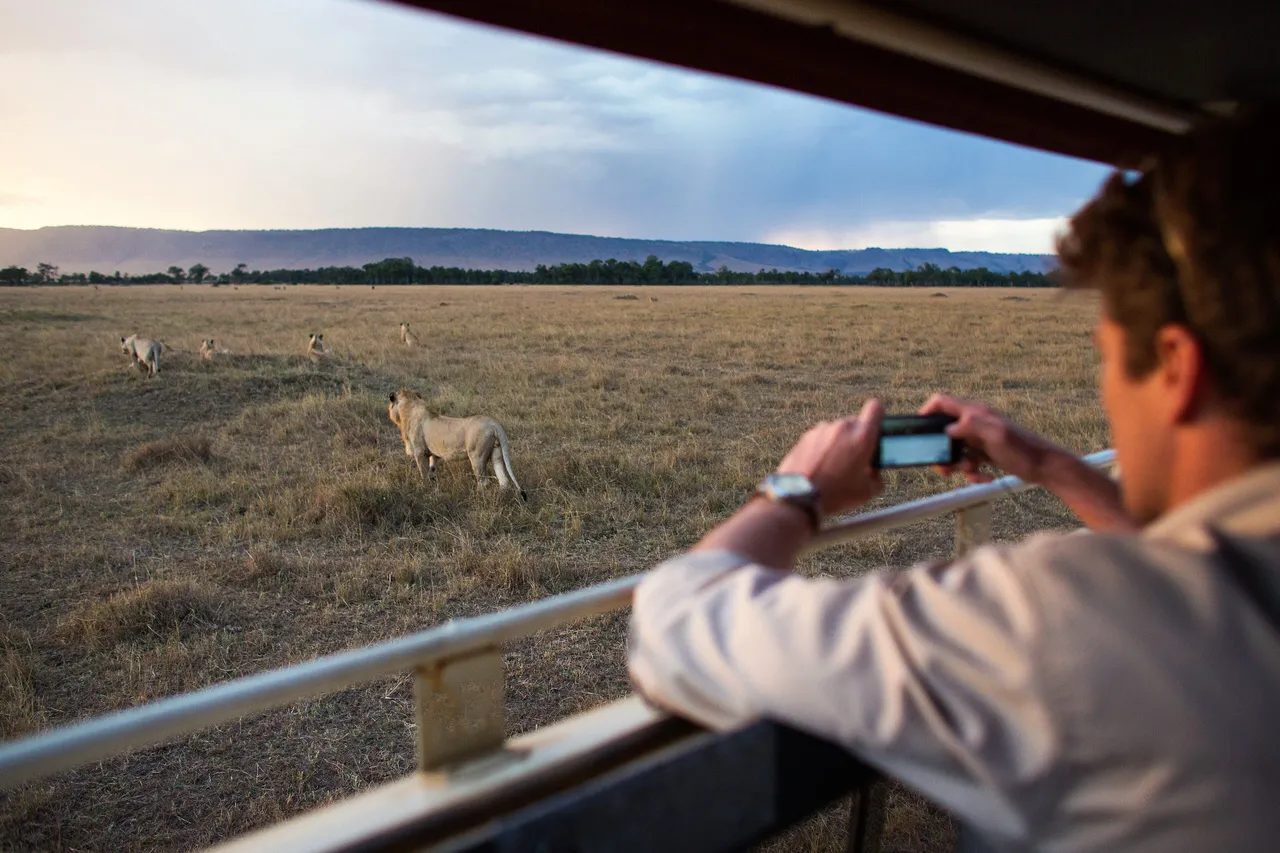
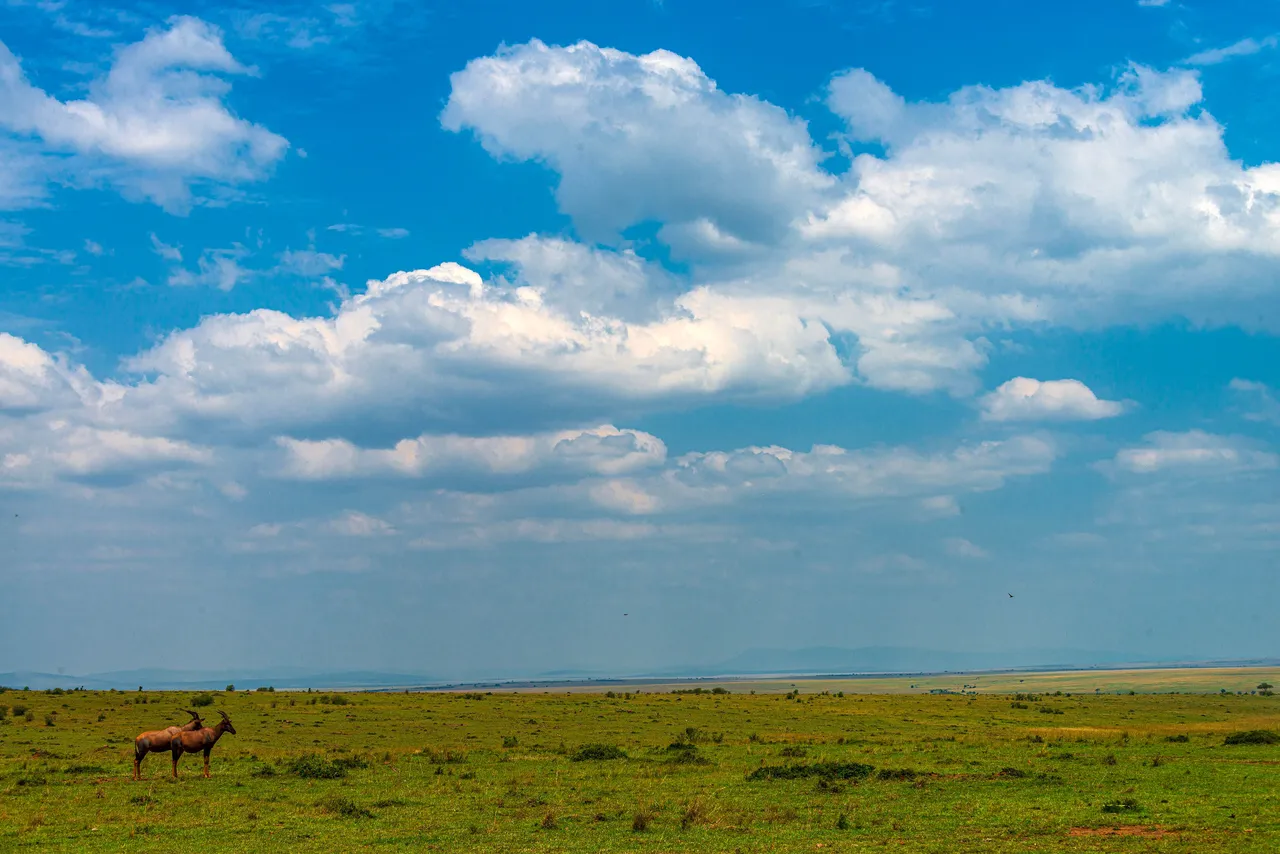
Cada pie describe la fotografía que tiene encima.
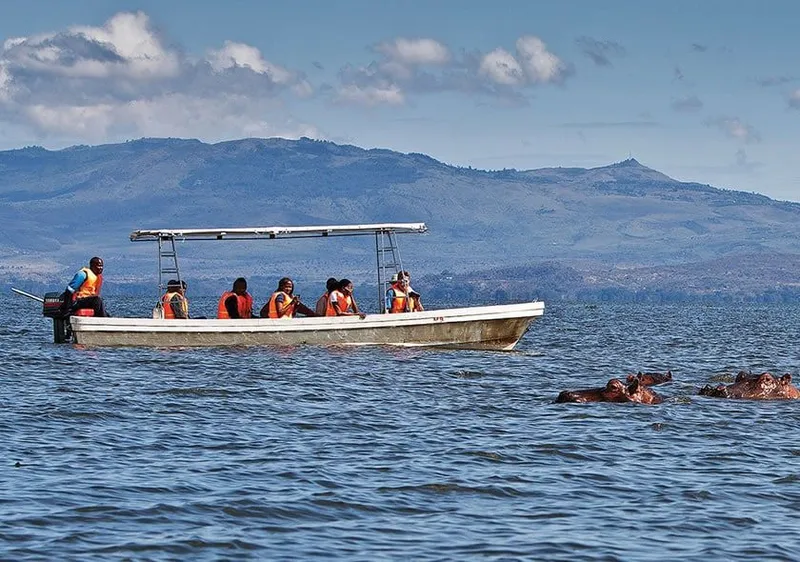
Lake Naivasha Excursión de un día
Todos los safaris de esta web existen como itinerario imprimible, día a día, con lo que incluye y el precio. Envíeselo a quien le acompañe. Le añadiremos a una nota mensual breve sobre cuándo viajar y cuánto cuesta, y nada más.