 01
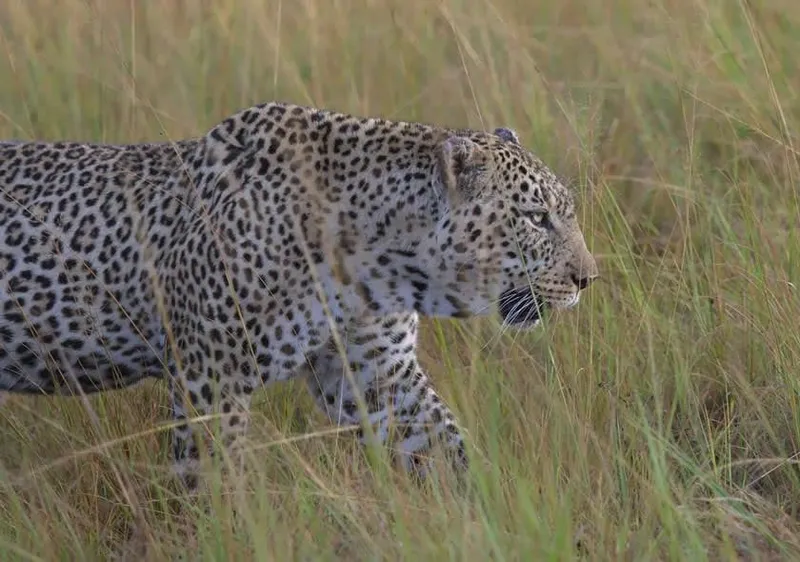
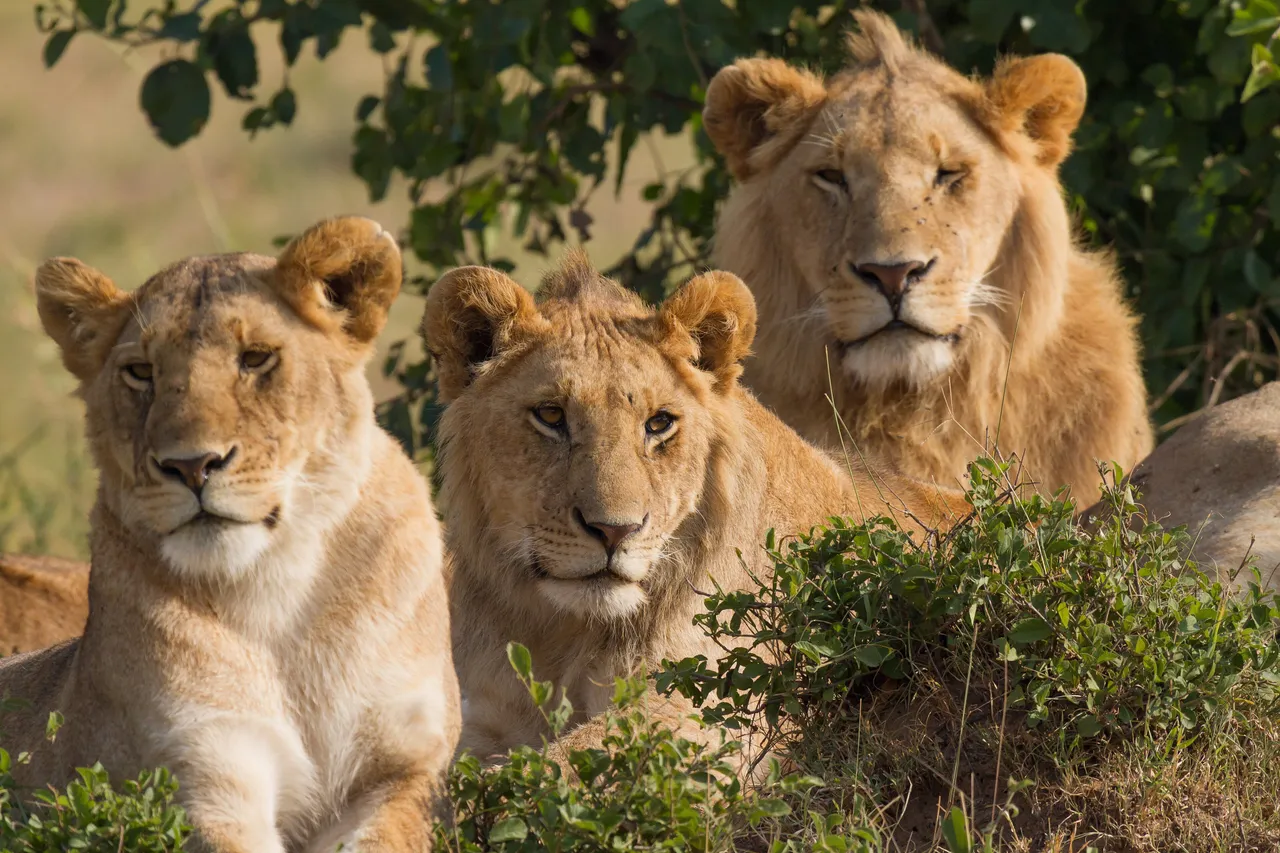
01Lion
Panthera leo
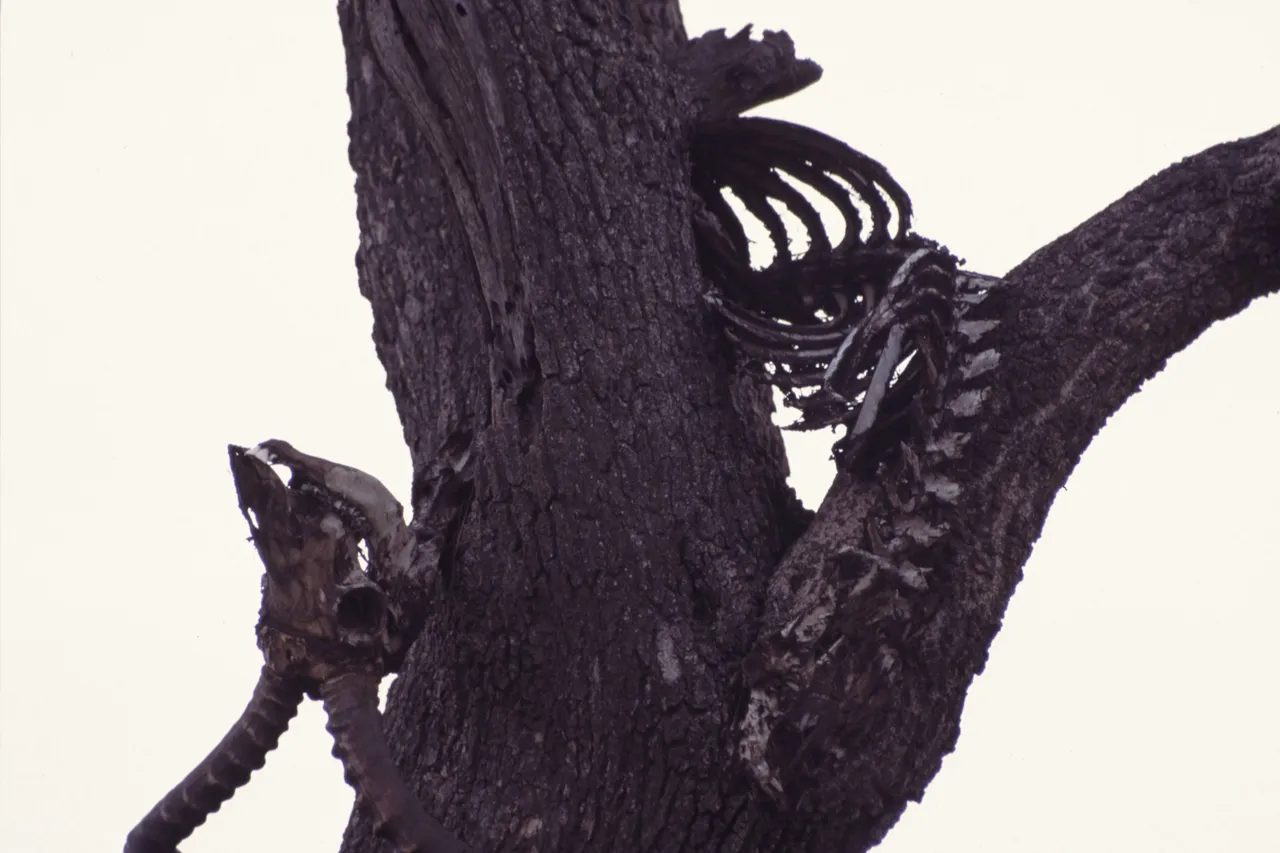
The Mara holds one of the densest lion populations on earth. Prides here are large and well studied, and several have been followed across generations.

Las descripciones de los viajes y las guías de los parques están de momento en inglés. La navegación y los formularios están en su idioma, y respondemos consultas en inglés, francés, español o chino.
WhatsApp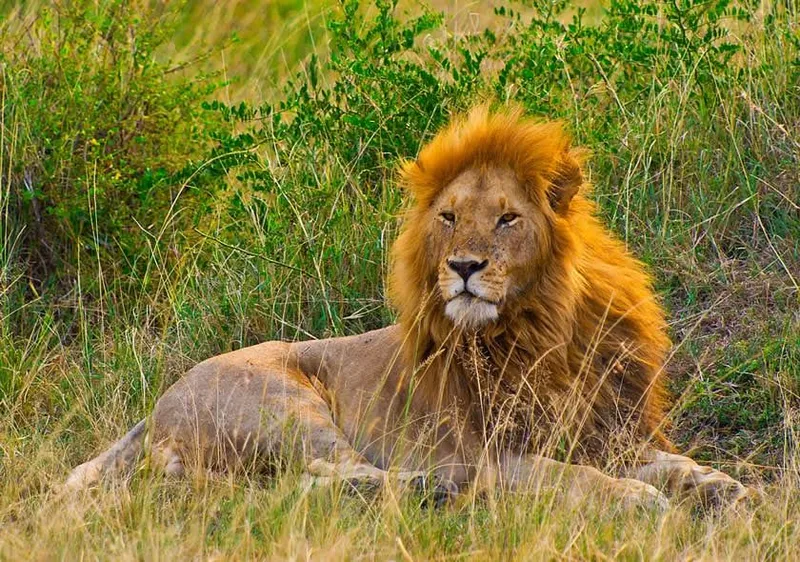
Kenya’s most famous reserve, and the northern end of the Serengeti ecosystem. Our Masai Mara safari packages run from three days by road to five days with a flight in.
Our Masai Mara safari packages run from three days by road to five days with a flight in. This page is the background to them: what the reserve is, when to come, and how the conservancies differ from the national reserve.
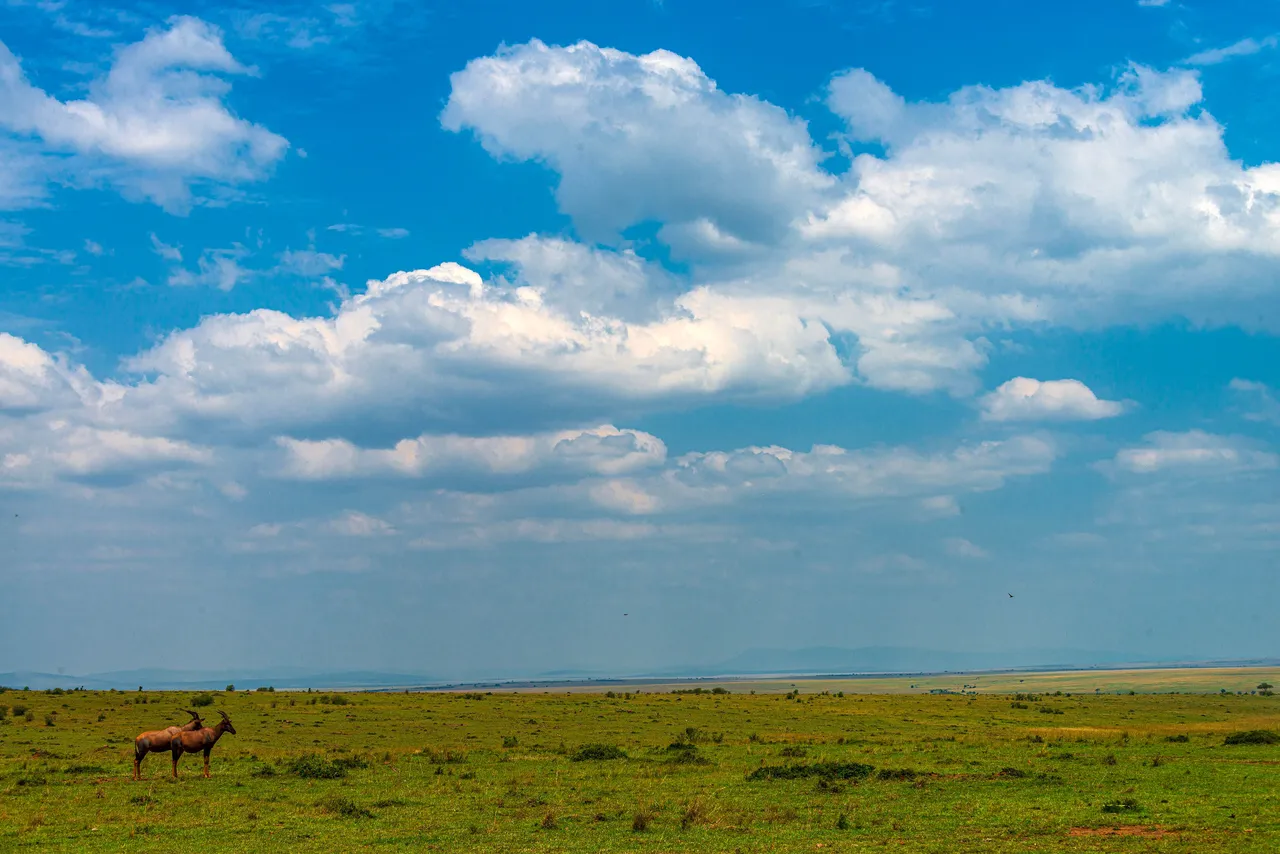
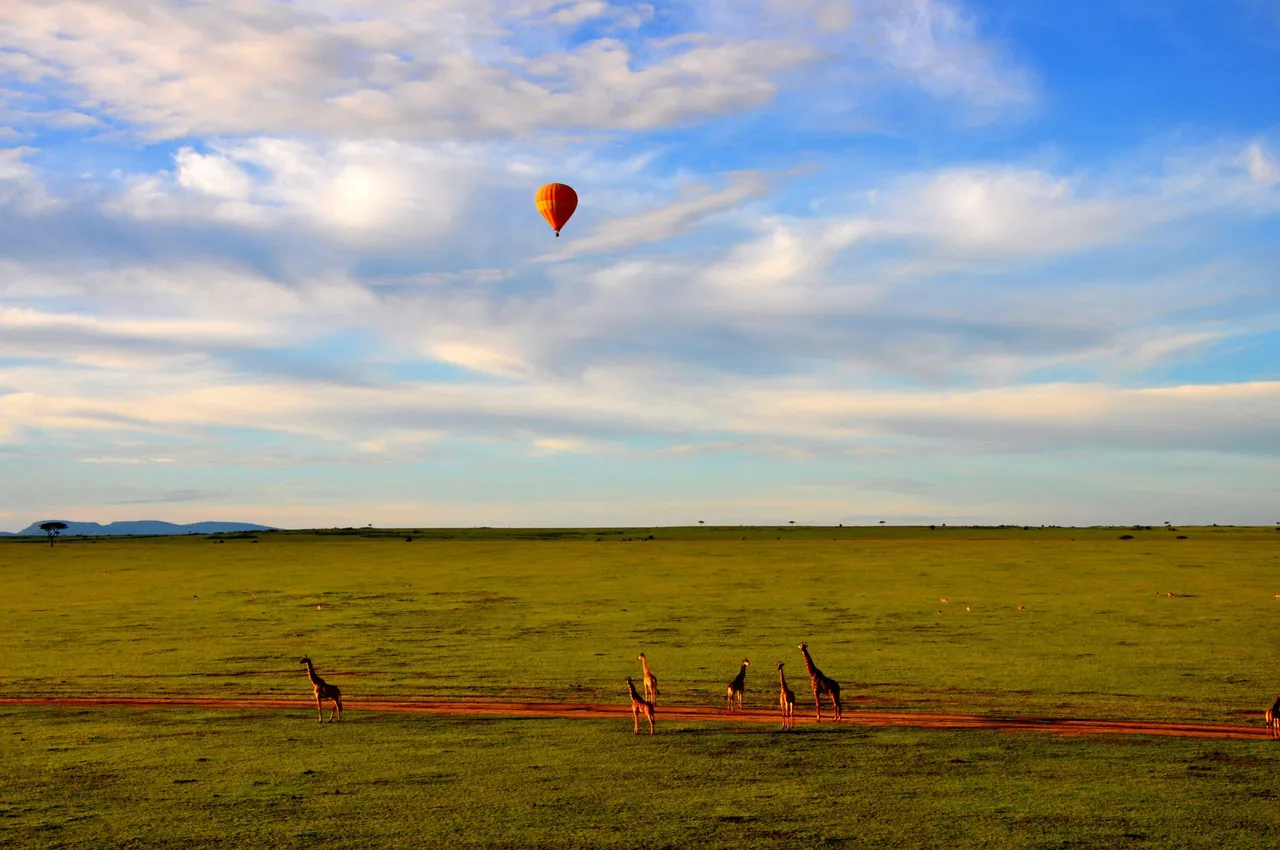
The Mara is where most first safaris begin, and where a lot of second ones return. It is open rolling grassland, cut by the Mara and Talek rivers. The density of predators is genuinely unusual. This is one of the few places on earth where seeing lion, leopard and cheetah on one trip is a reasonable expectation rather than a lucky one.
Ours start at $780 for three days by road. They run to $2,450 for a flying safari onto a conservancy. Every price includes reserve entry, transport in a pop-top 4×4 and your driver-guide.
What moves the number most is where you sleep, and whether you fly.
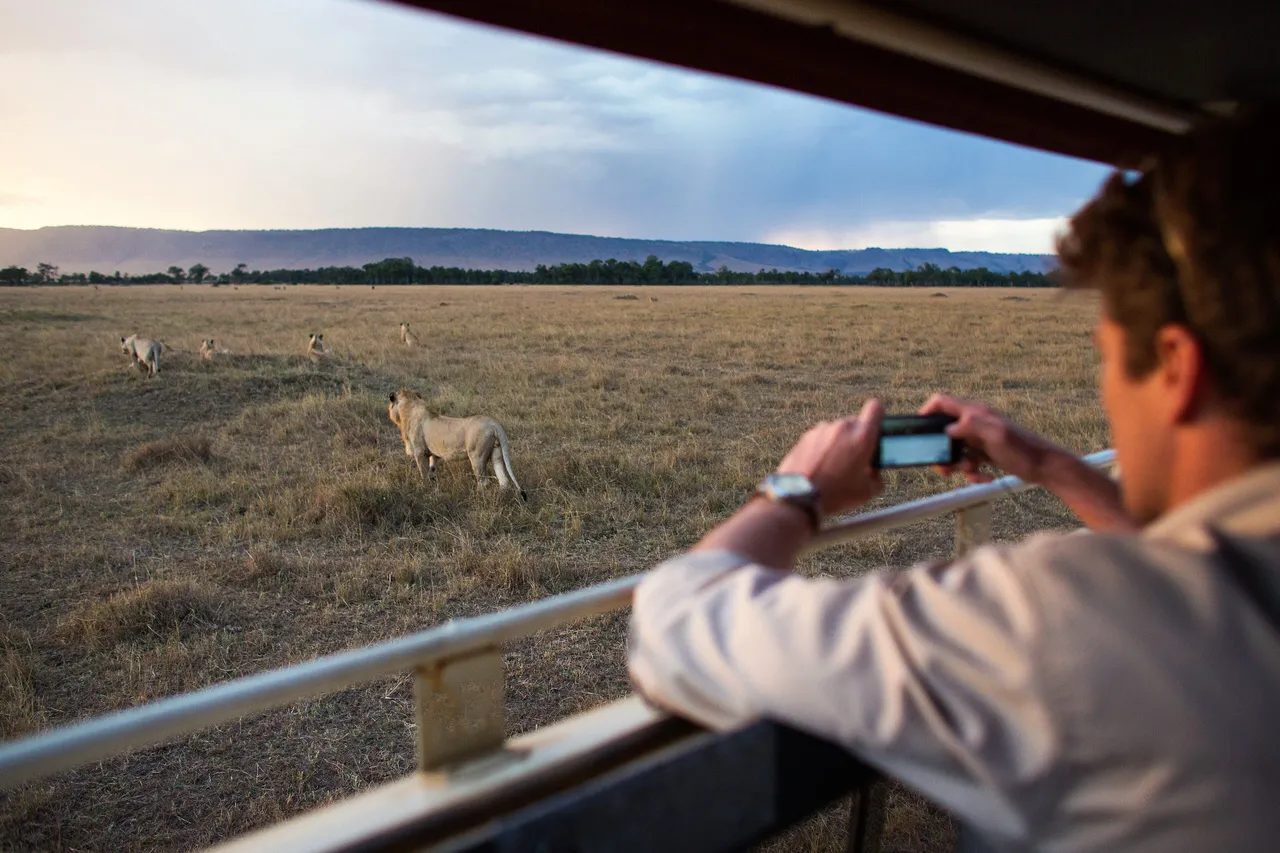
Inside the national reserve you get the classic Mara and the river crossings. On the conservancies that border it, vehicle numbers at a sighting are capped. Night drives and guided walking are permitted there too.
Neither is better. They are different trips at different prices.
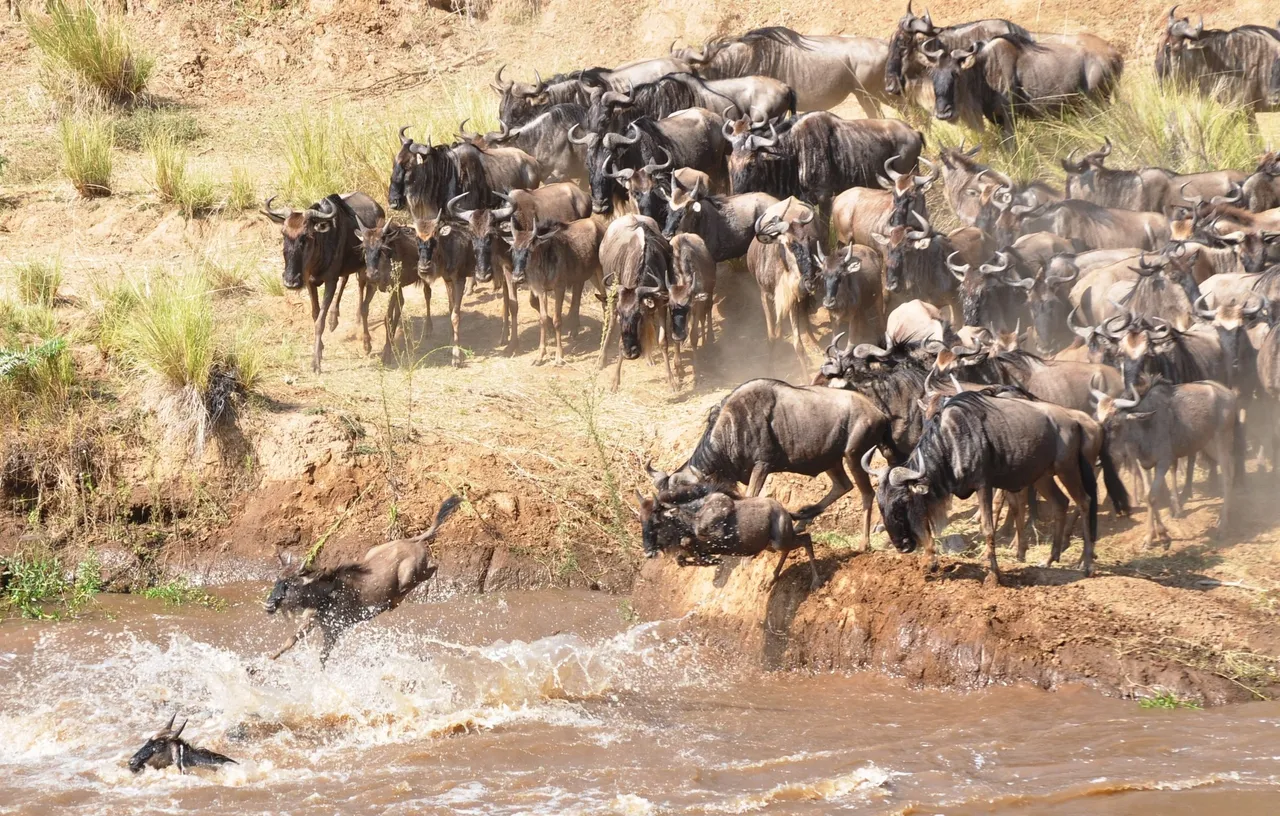
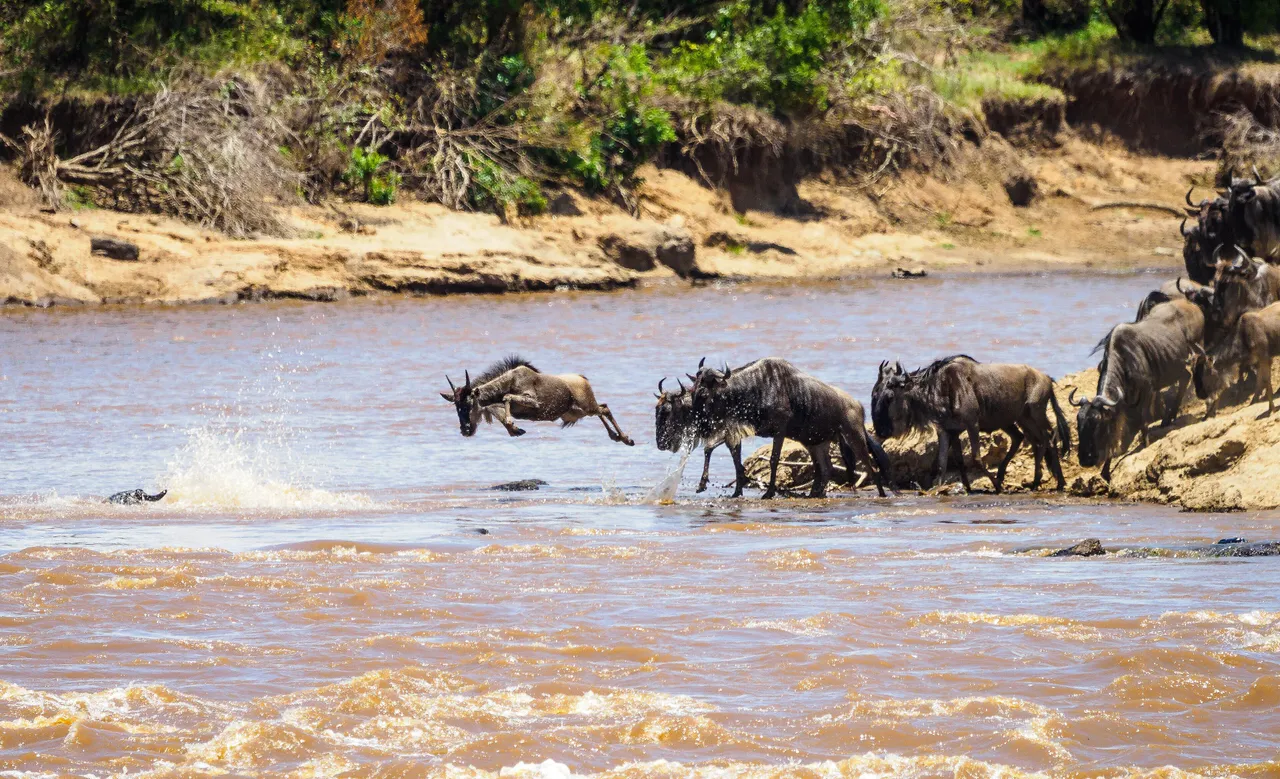
Between roughly July and October the wildebeest herds move up from the Serengeti, and river crossings become possible. They are not scheduled events. The herds move on rain. A crossing can happen four times in a morning, or not at all for three days. Treat any guarantee of one with caution.
Outside those months the Mara is quieter and cheaper. The resident game does not leave when the herds do.
July to October for the herds. January and February for dry, clear weather. March to May for green country, few people and much lower rates.
Our month-by-month guide has the detail. Our private camps guide covers where to stay on the conservancies. To compare trips side by side, start with the three-day road safari.
The Maasai Mara Wildlife Conservancies Association publishes how the community land leases that keep this ecosystem open actually work.
Declarado en 1961. Para qué se creó, y qué lo amenaza ahora.
The Mara began in 1961 as a 520 square kilometre wildlife sanctuary and was enlarged the same year into a game reserve. It has never been a national park. That distinction matters: it is held in trust by Narok County rather than by the national government, and the land immediately around it belongs to Maasai families.
Its purpose is to protect the northern tip of the Serengeti-Mara ecosystem, the grazing the wildebeest herds reach at the top of their annual circuit. Take that grass away and the migration has nowhere to go.
The pressure now is not poaching. It is fencing, wheat and settlement on the dispersal land outside the reserve boundary, which is why the conservancy leases matter so much.
Las especies por las que este sitio es realmente conocido, no una lista de los cinco grandes que valdría para cualquier parque de Kenia.
01Panthera leo
The Mara holds one of the densest lion populations on earth. Prides here are large and well studied, and several have been followed across generations.
 02
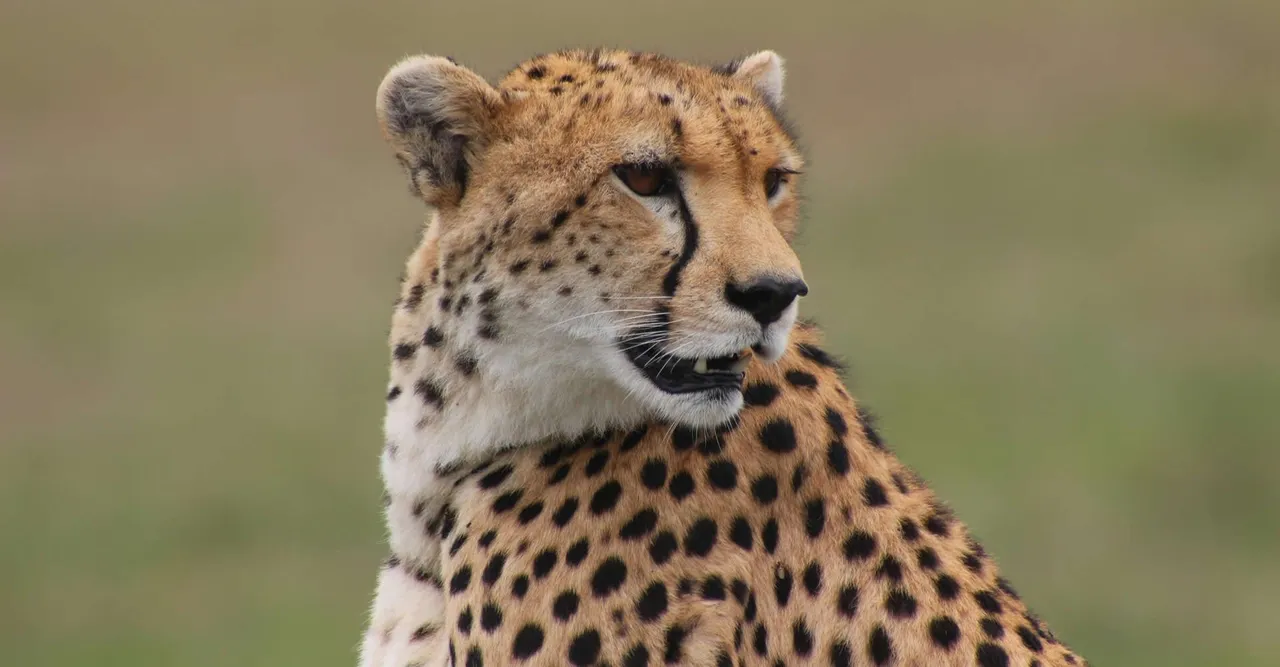
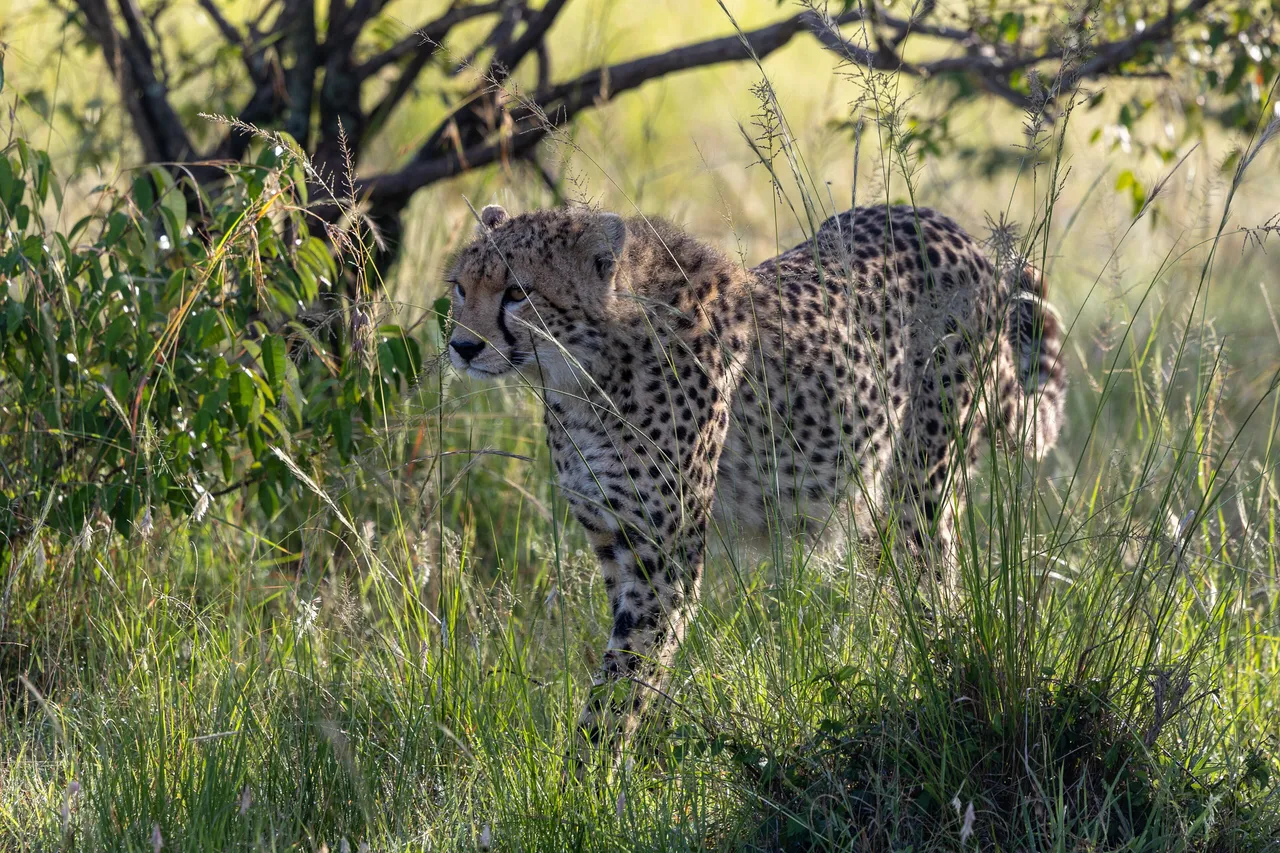
02Acinonyx jubatus
Open grassland suits cheetah, which hunt by daylight and by sight. They are the cat you are most likely to watch actually hunting rather than sleeping.
03Connochaetes taurinus
Around 1.3 million move up from the Serengeti between July and October. The river crossings are unscheduled and depend entirely on rain.
Todos los precios incluyen entradas, transporte y su chófer-guía.
Masai Mara Safari largo
Masai Mara Safari en avioneta
Los parques de Kenia son pequeños. Casi todo lo que decide si la fauna sobrevive ocurre en la tierra que los rodea, y esa tierra es de alguien.
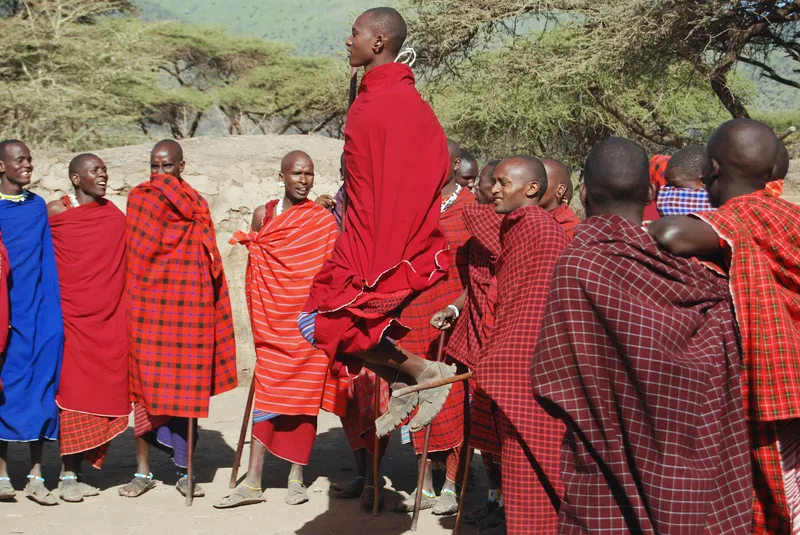
This is Maasai land, and the reserve exists inside a landscape people still live and herd on. The conservancies bordering it: Naboisho, Olare Motorogi, Mara North and others, are leased from Maasai families, who receive a monthly payment per acre in exchange for keeping the land unfenced and moving their cattle to agreed grazing patterns.
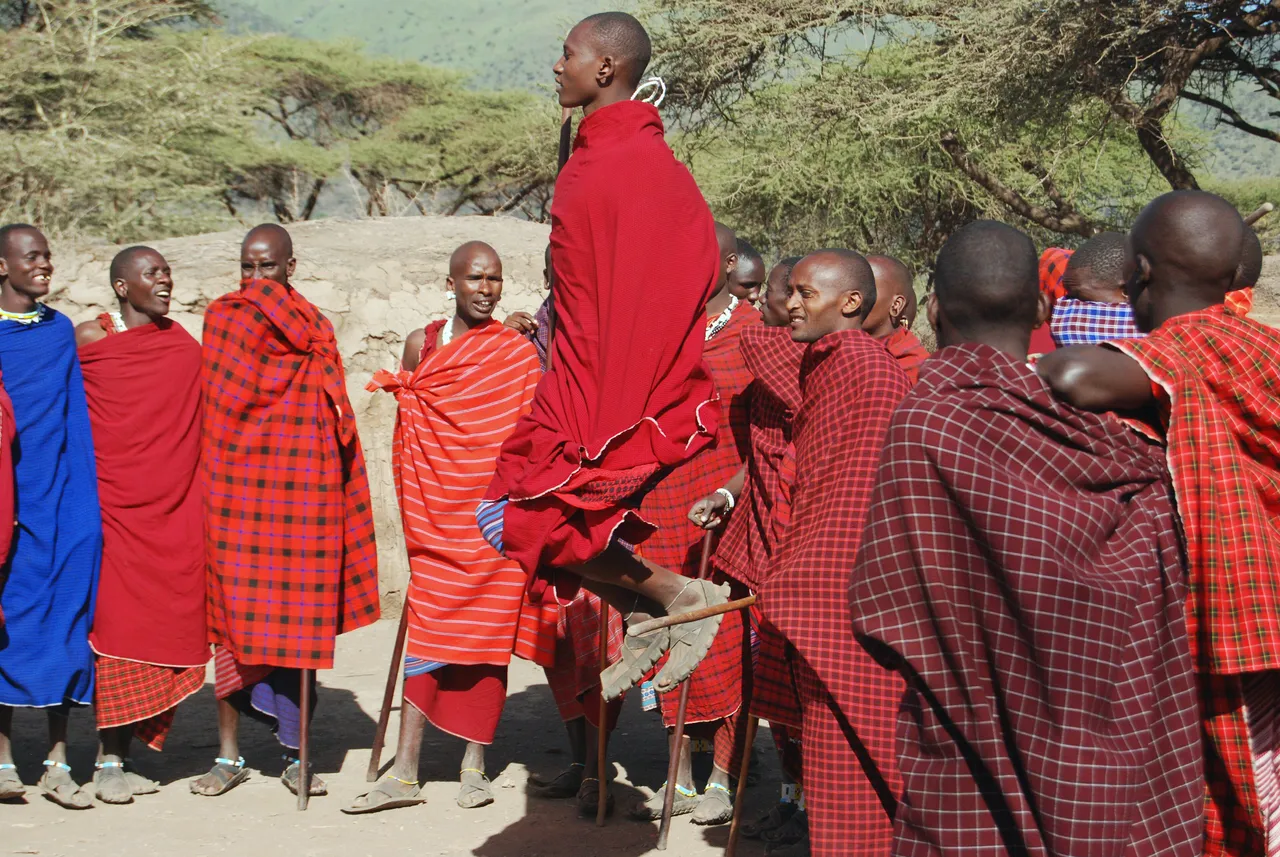
That arrangement is the single reason the Mara ecosystem still functions outside the reserve boundary. It is also why a village visit is worth doing properly: you are looking at the economics that keep the wildlife alive, not at a performance.
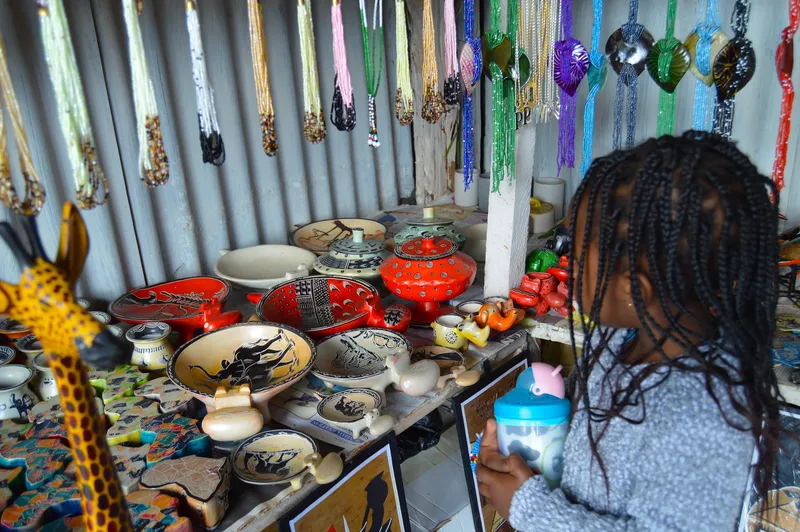
Maasai beadwork is the thing to buy here, and it is worth buying from a women's cooperative rather than a roadside stall. The colours carry meaning, red for bravery and cattle blood, blue for the sky and rain, white for milk and peace, and a good piece takes days.
Most conservancy camps can arrange a visit to a beading group. Prices are fixed and the money goes straight to the women who made the work. Expect to pay roughly 800 to 3,000 Kenyan shillings for a bracelet or a collar, more for a large ceremonial piece.
Ask before photographing anyone, including their work.
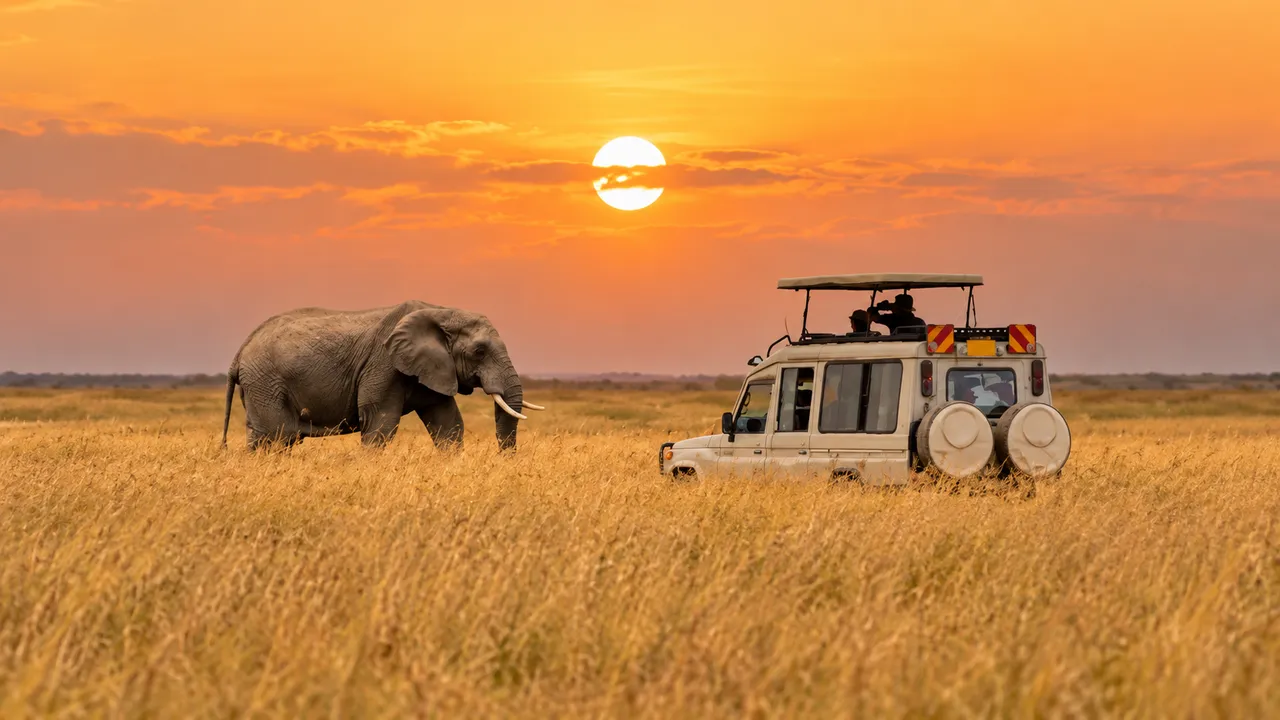
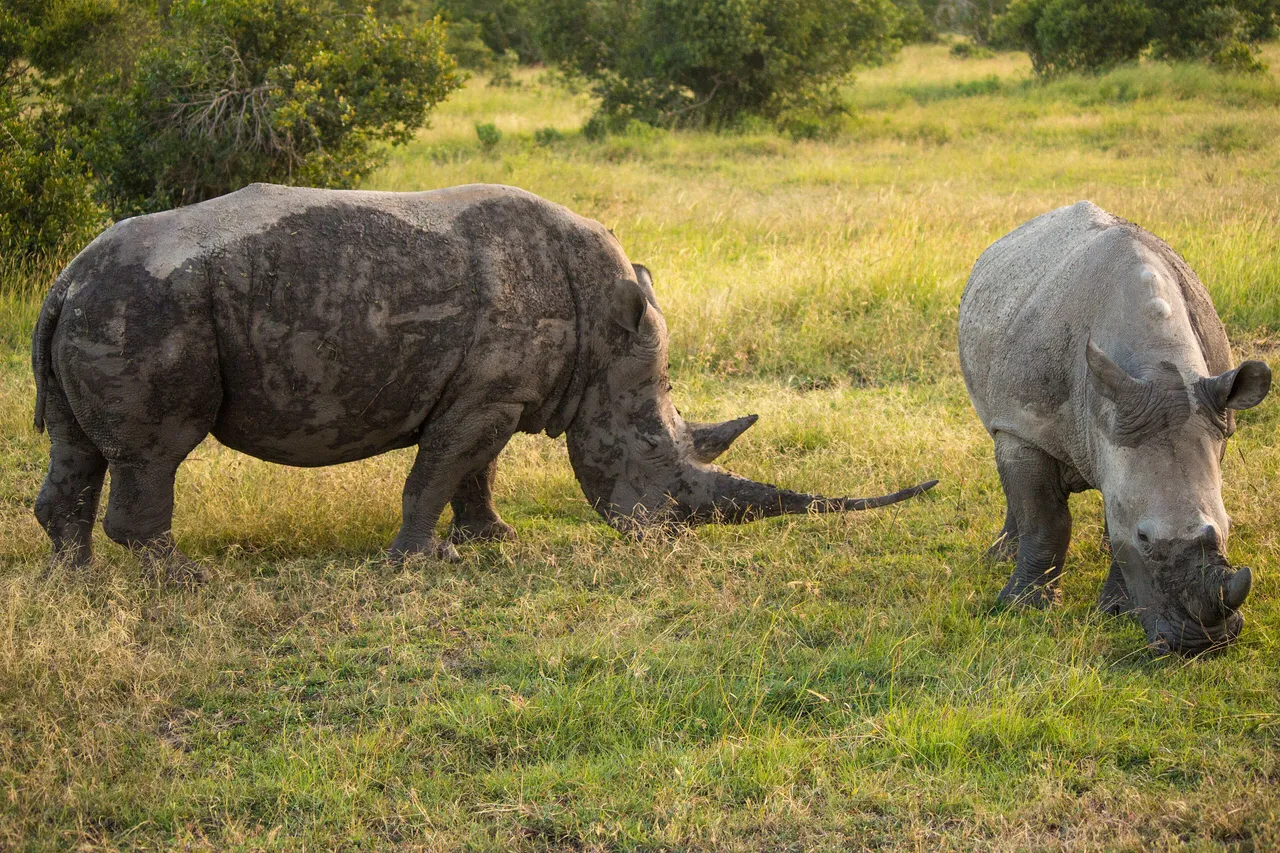
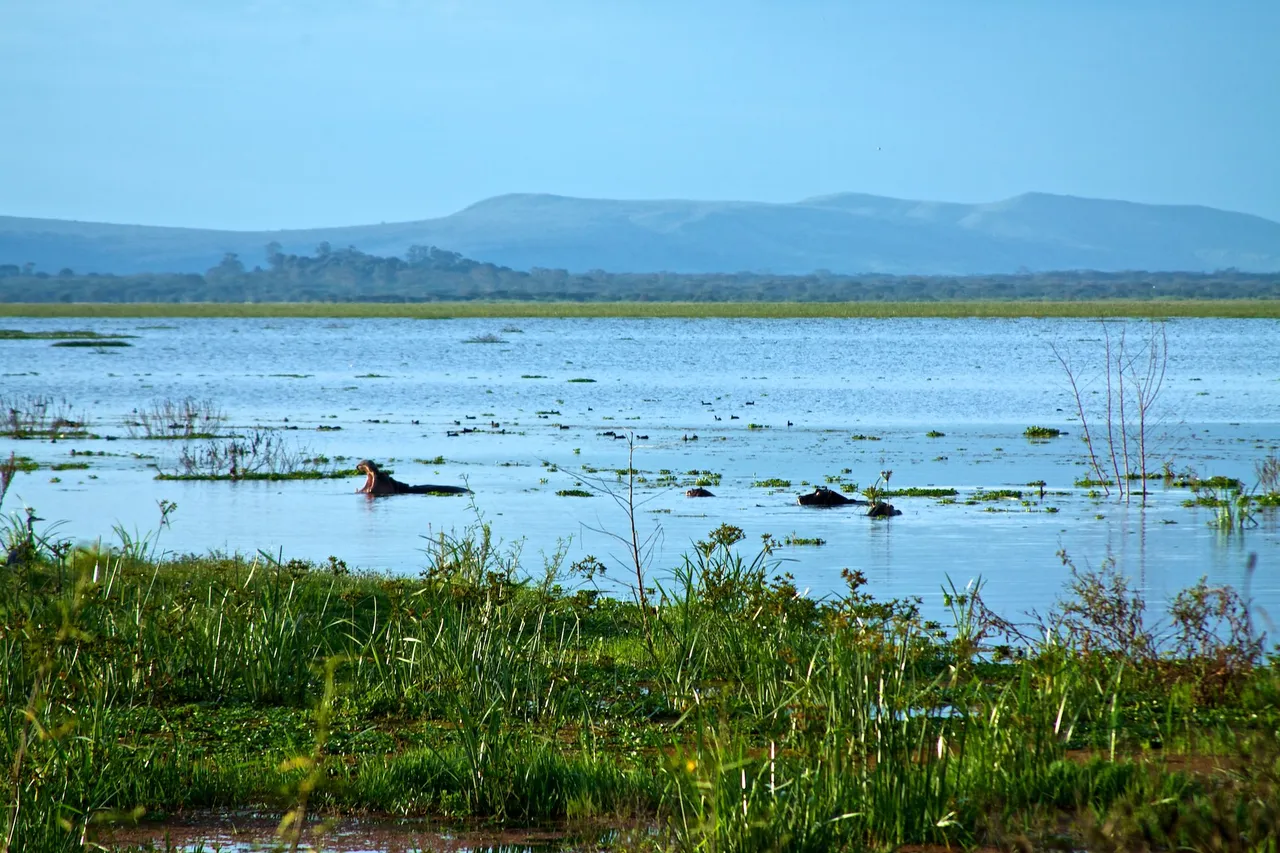
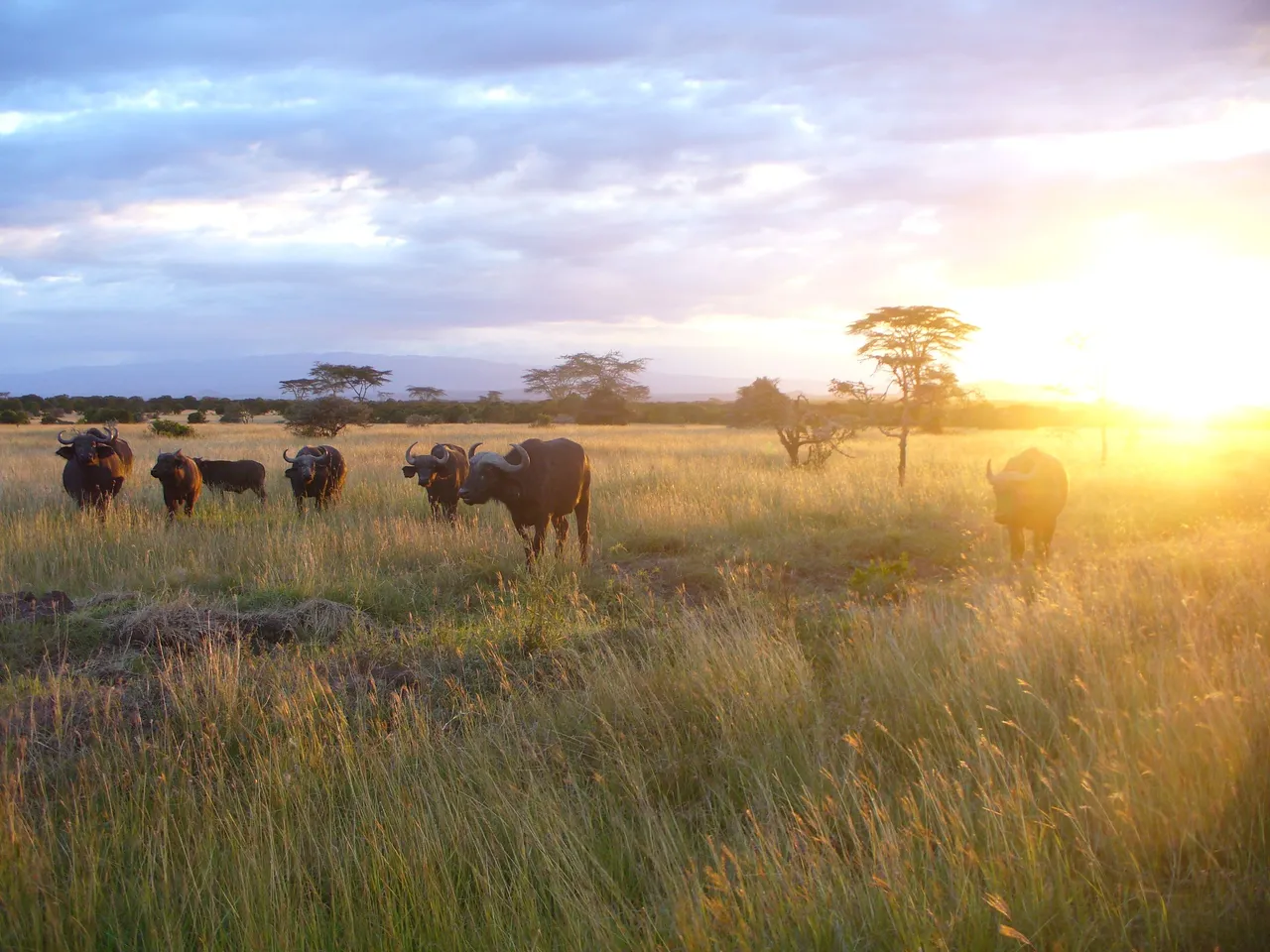
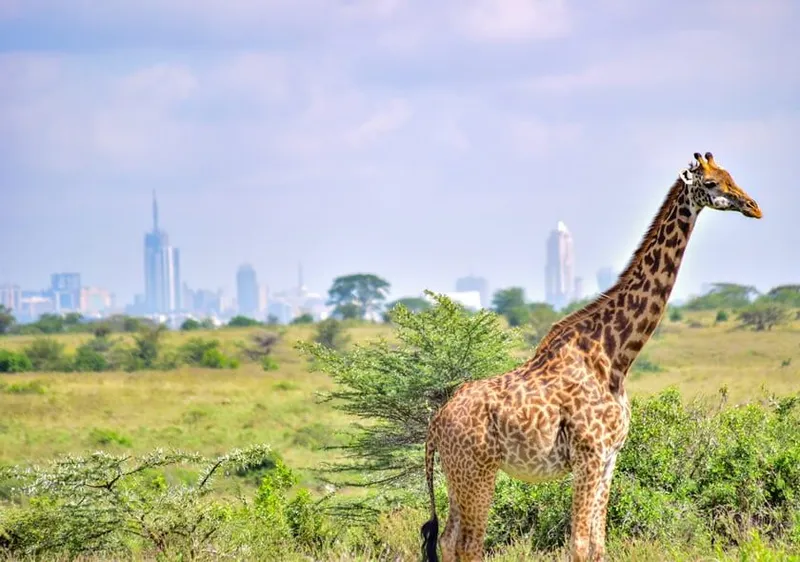
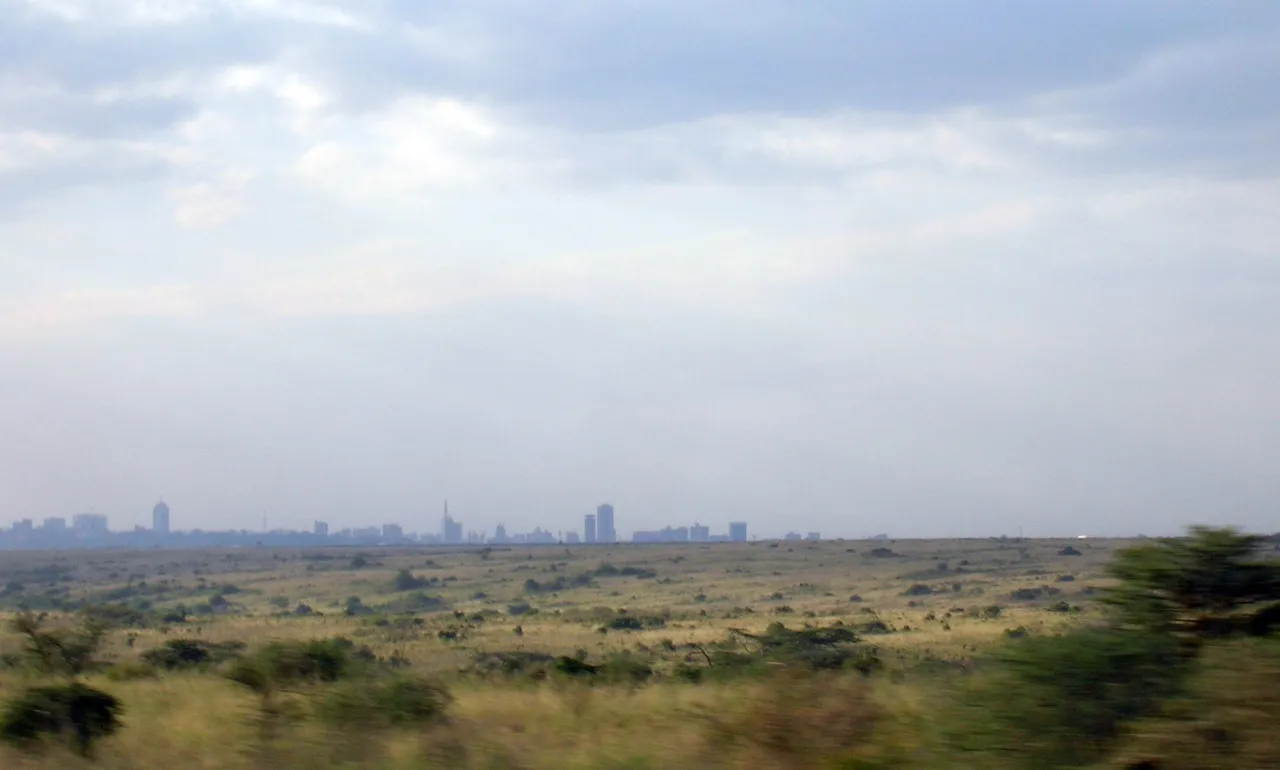
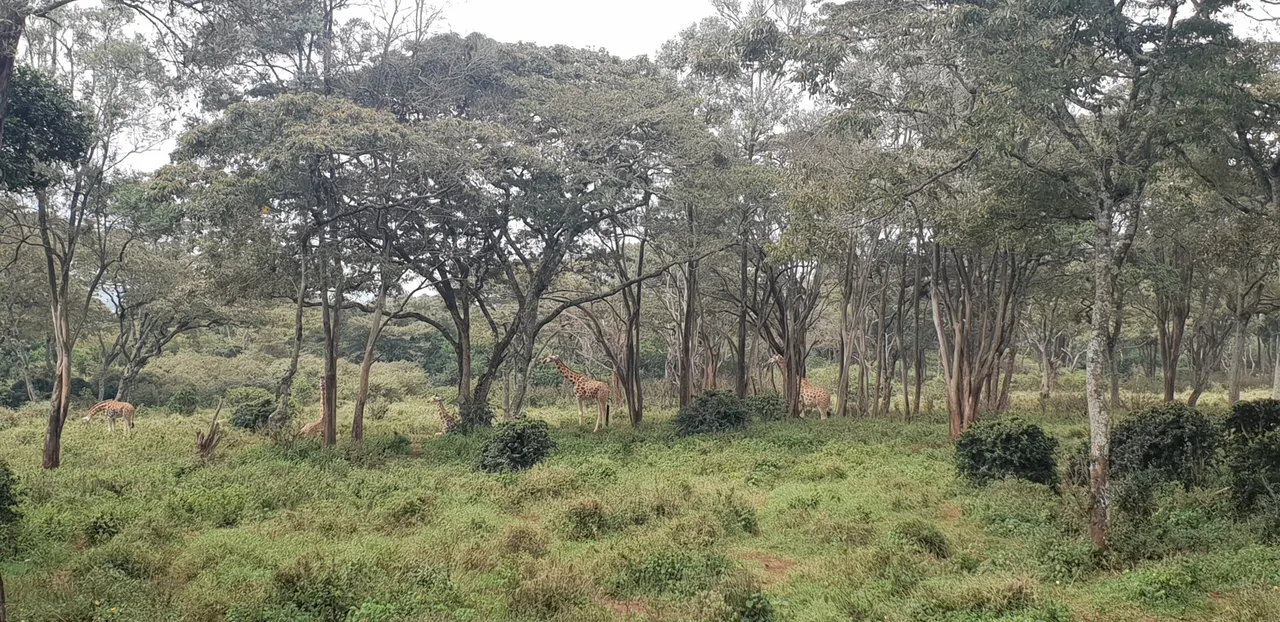
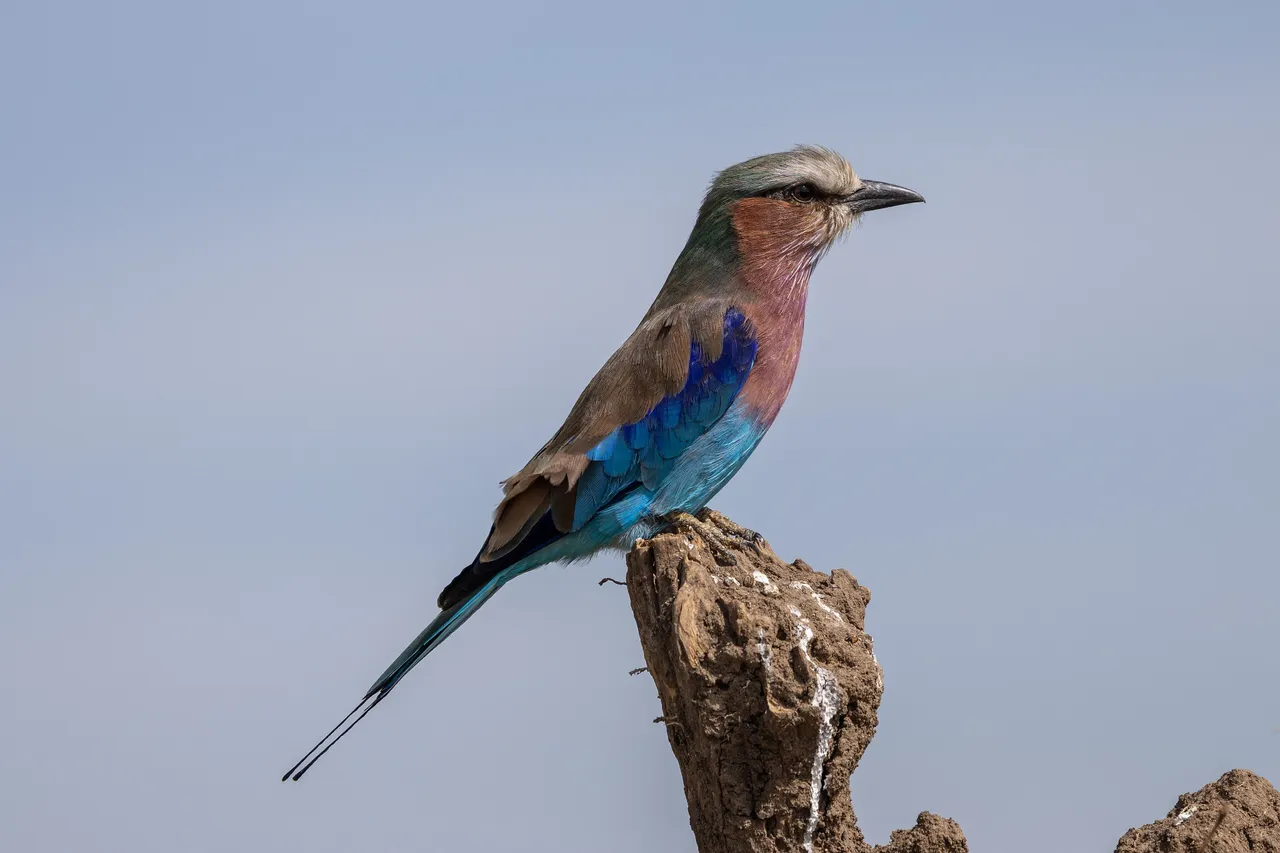
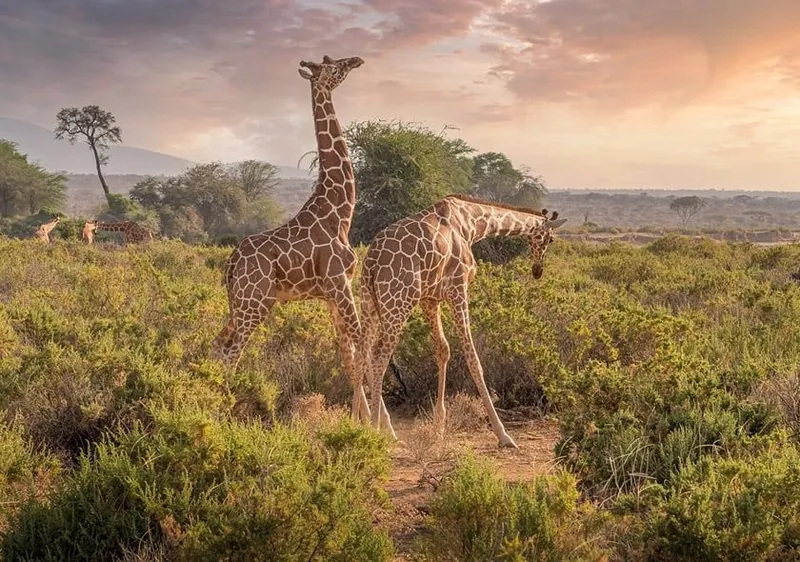
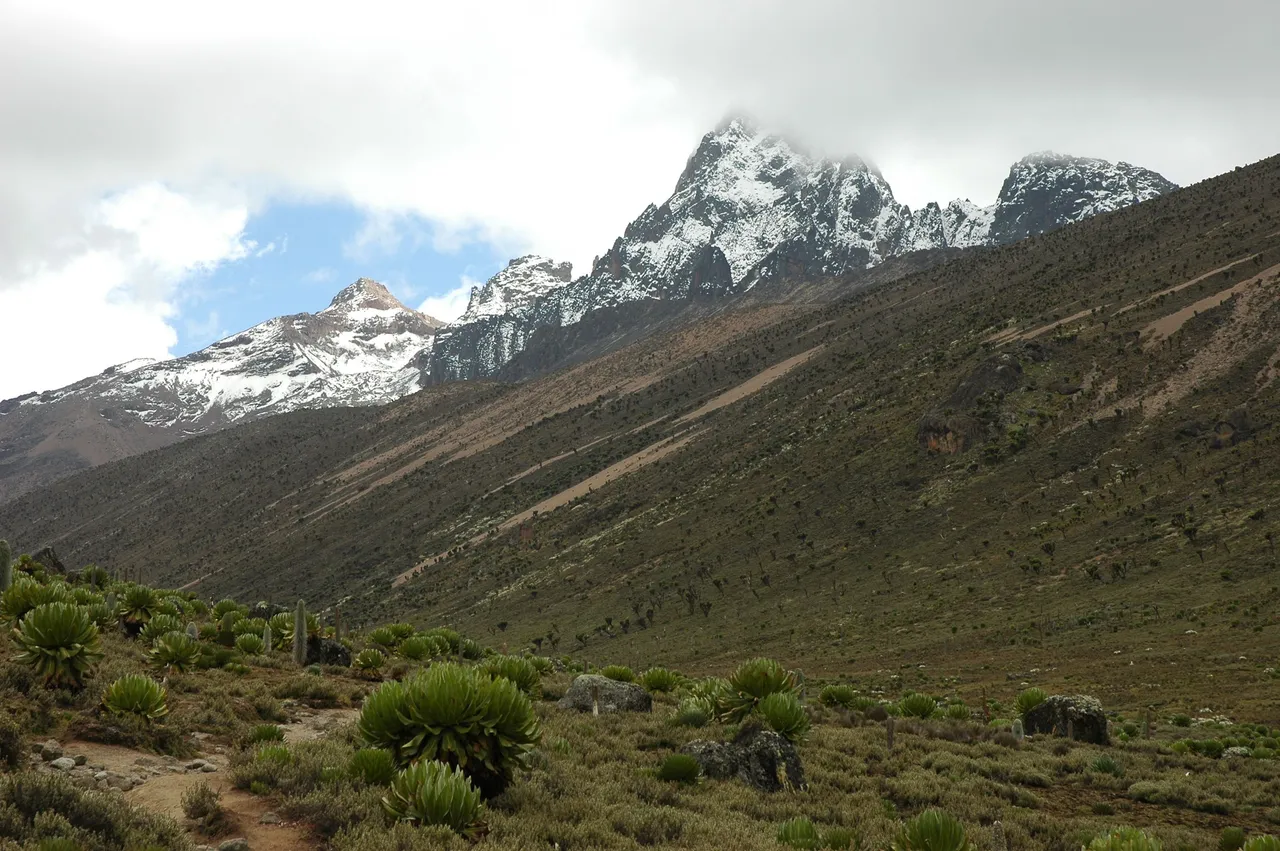
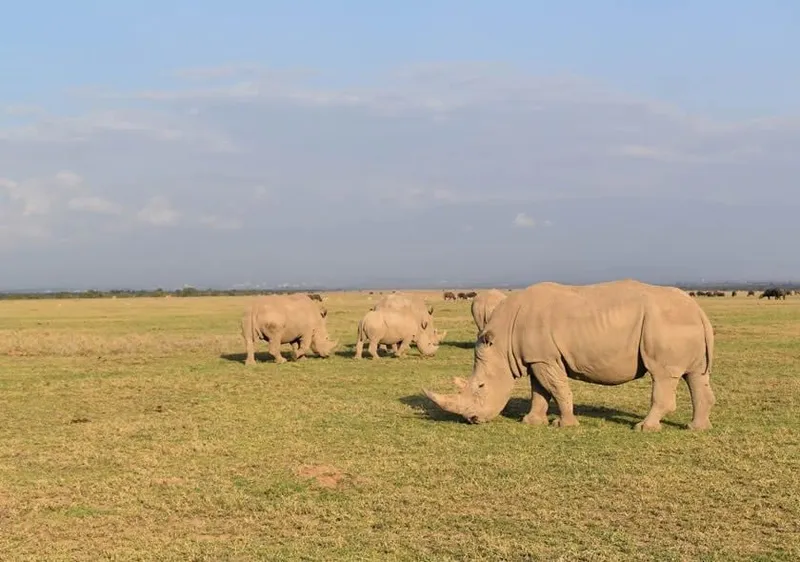
Cada pie describe la fotografía que tiene encima.
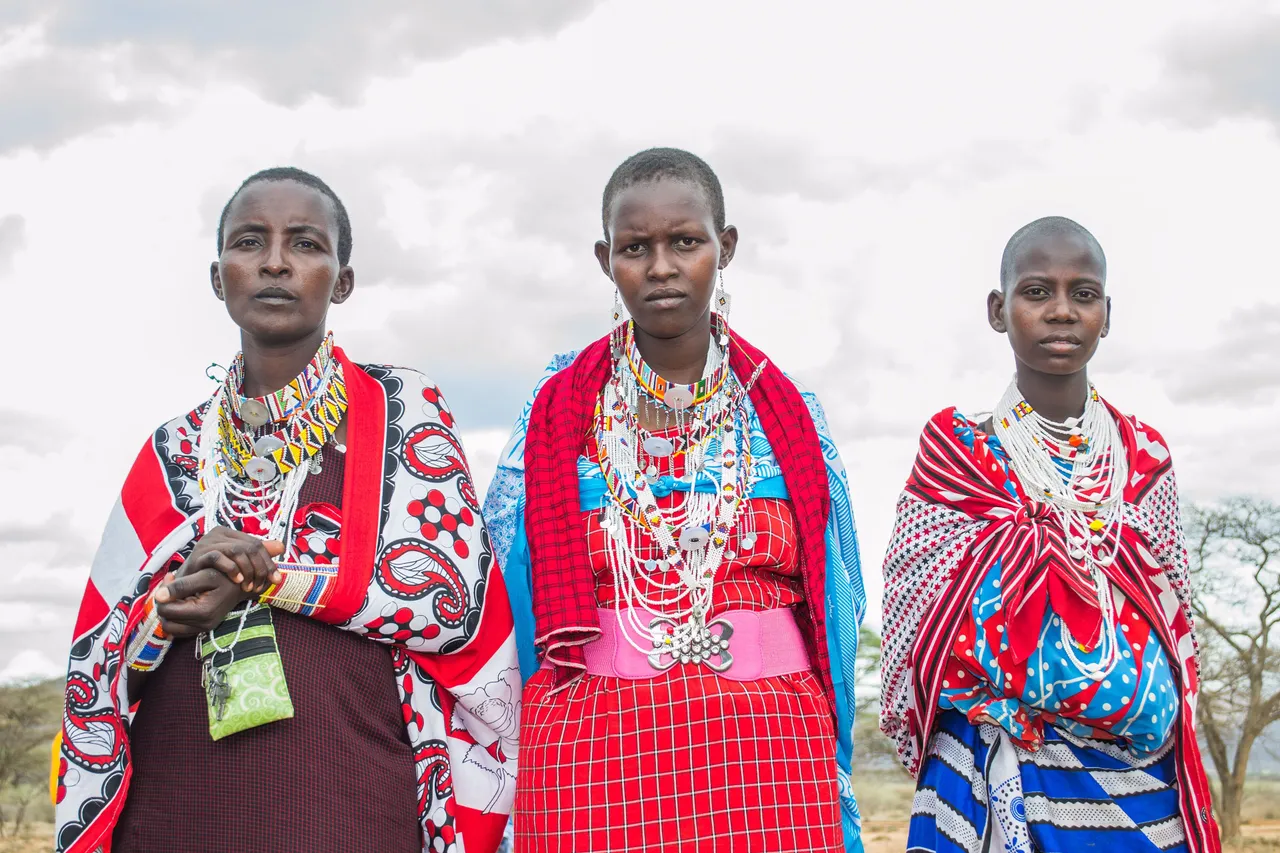
The herds usually reach the Mara in July and stay until October. River crossings are real, dramatic and completely unscheduled. Here is how to plan for them honestly.
Leer el artículoA three-day Masai Mara safari by road starts at about $780 per person, and a flying safari at about $2,450. Here is where the money goes, and how to tell a fair quote from a cheap one.
Leer el artículoWildlife, weather, crowds and price move independently through the Kenyan year. The best time to visit Kenya depends on which of the four you care about. Here are all twelve months, plainly.
Leer el artículoAmboseli Safari corto
Nairobi National Park Excursión de un día
Lake Nakuru Safari corto
Todos los safaris de esta web existen como itinerario imprimible, día a día, con lo que incluye y el precio. Envíeselo a quien le acompañe. Le añadiremos a una nota mensual breve sobre cuándo viajar y cuánto cuesta, y nada más.