A good Kenya safari packing list is shorter than most people think. You will wear the same few things every day, camps do laundry, and on a flying safari you have a strict weight limit. What matters is bringing the right few things.
This list comes from our guides, who see every day what guests are glad they packed and what stays in the bag.
Before you pack: documents
- Passport valid for at least six months, with blank pages.
- Kenya eTA. Most visitors need an Electronic Travel Authorisation, applied for online through the official Kenya eTA site. Apply well before you fly, not the night before.
- Yellow fever certificate, if you are arriving from a country where yellow fever is present.
- Travel insurance that covers medical evacuation.
- Printed and digital copies of your bookings, in case your phone has no signal in the park.
The bag itself
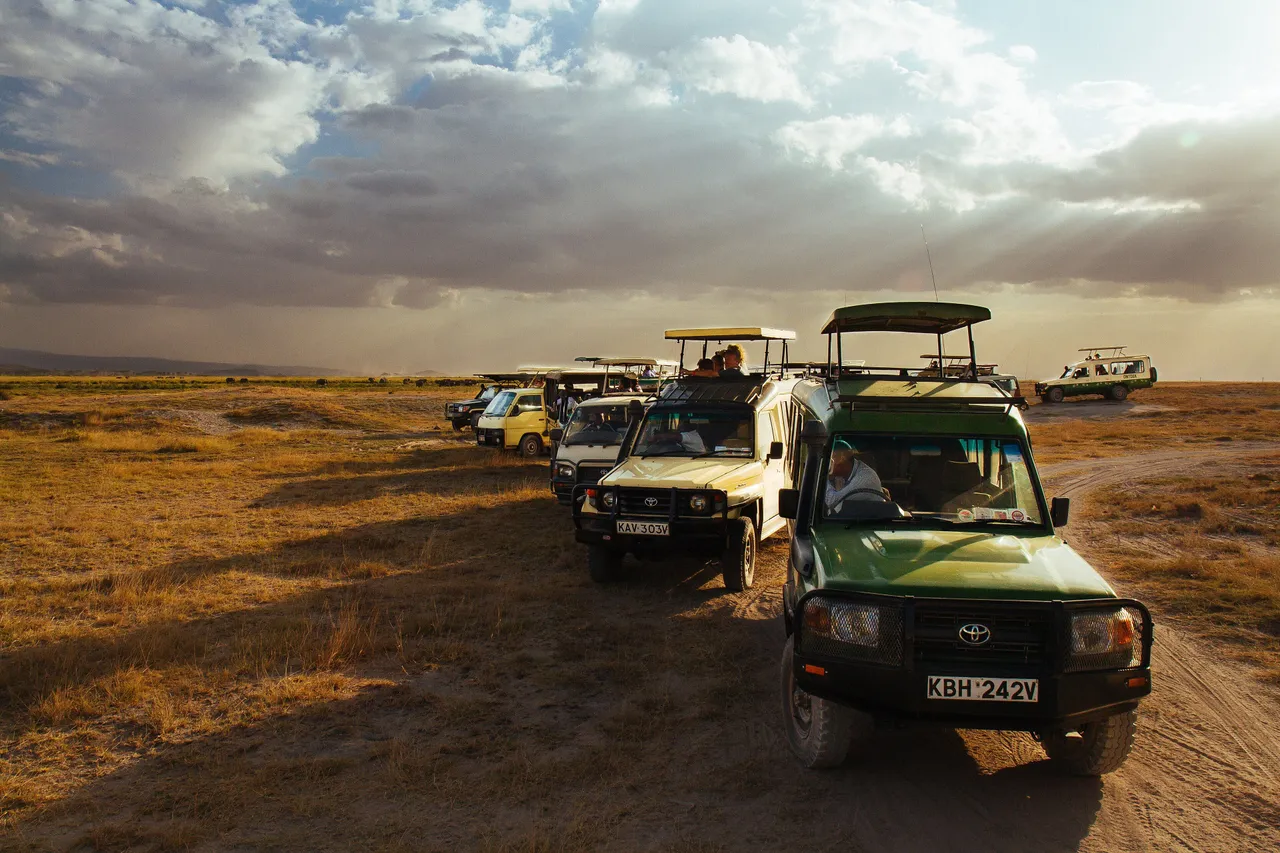
Bring a soft duffel bag, not a hard suitcase. Safari vehicles and small planes have limited space, and soft bags fit where hard ones do not.

If you are taking a flying safari, the light aircraft that serve the parks usually allow 15 kg per person, including hand luggage. Check the exact limit with your airline, such as Safarilink, before you pack. Most lodges in Nairobi will store extra luggage for you.
Clothes
Neutral colours are best: khaki, beige, olive and soft greens. They show less dust and do not disturb animals.
Pack:
- Three or four lightweight shirts, including at least one with long sleeves
- Two pairs of comfortable trousers and one pair of shorts
- A warm fleece or jacket for early mornings and evenings
- A light waterproof jacket, especially from March to May and in November
- A wide-brimmed hat
- Comfortable closed shoes and a pair of sandals for camp
- Swimwear, if your camp or hotel has a pool, or you are heading to the coast
Leave at home:
- Dark blue and black clothes. They attract tsetse flies in some areas.
- Bright white. It turns red-brown with dust by lunchtime.
- Camouflage prints. They are associated with the military and best avoided.
- Heavy boots, unless you plan serious hiking. You will mostly be in a vehicle.
For the game drives
- Binoculars. The single most useful thing on this list. One pair each if possible.
- Camera with a zoom lens, plus spare batteries and memory cards.
- A power bank. Most camps charge devices, but some only at set hours.
- Sunglasses and sun cream. The sun near the equator is strong even when it is cool.
- A small daypack for water, a layer and your camera.
- A dust cover or cloth for your camera on dry roads.
Health and comfort
Talk to a travel clinic before you go. The CDC page for Kenya lists the current advice on vaccinations and malaria.
- Antimalarials, if your doctor recommends them. Nairobi is low risk; many parks and the coast are not.
- Insect repellent with DEET or picaridin.
- Any prescription medicine, in its original packaging, with a little extra.
- A small first aid kit: plasters, painkillers, rehydration salts, antihistamines.
- Hand sanitiser and wet wipes.
- Lip balm and moisturiser. The air is dry.
Money and small things
- Some US dollars and Kenyan shillings in small notes for tips and markets.
- A card for lodges and larger shops. M-Pesa, the mobile money service, is used almost everywhere.
- A universal adapter. Kenya uses the British three-pin plug, type G.
- A torch or headlamp. Camps are dark at night, and you will be walked to your tent.
The Kenya safari packing list in one place
Screenshot this, or print it:
- Passport, eTA, insurance, copies of bookings
- Soft duffel bag, within 15 kg if you are flying
- Three or four neutral shirts, two trousers, one pair of shorts
- Fleece, light rain jacket, wide-brimmed hat
- Closed shoes and sandals
- Binoculars, camera, spare batteries, power bank
- Sunglasses, sun cream, insect repellent, lip balm
- Prescription medicine and a small first aid kit
- Antimalarials if your doctor advises them
- Small notes in dollars and shillings, a card, a type G adapter
- Torch or headlamp, cloth bags instead of plastic
That is the whole Kenya safari packing list. If it fits in a soft bag and you can carry it yourself, you have packed well.
Frequently asked questions
What should I wear on a Kenya safari?
Light, neutral layers: long-sleeved shirts, comfortable trousers, a fleece for the mornings and a hat. Avoid dark blue, black and camouflage.
Can I bring a suitcase on safari?
On a road safari a small suitcase is usually fine. On a flying safari you need a soft bag within the weight limit, typically 15 kg including hand luggage.
Do I need a visa for Kenya?
Most visitors need an eTA, applied for online before travel. Check the official site for the current rules for your nationality.
What is the one thing people forget?
A warm layer. Nearly every guest is surprised by how cold a 6 am game drive can be. See our guide to the best time to visit Kenya for what the weather does each month.