 01
01African elephant
Loxodonta africana
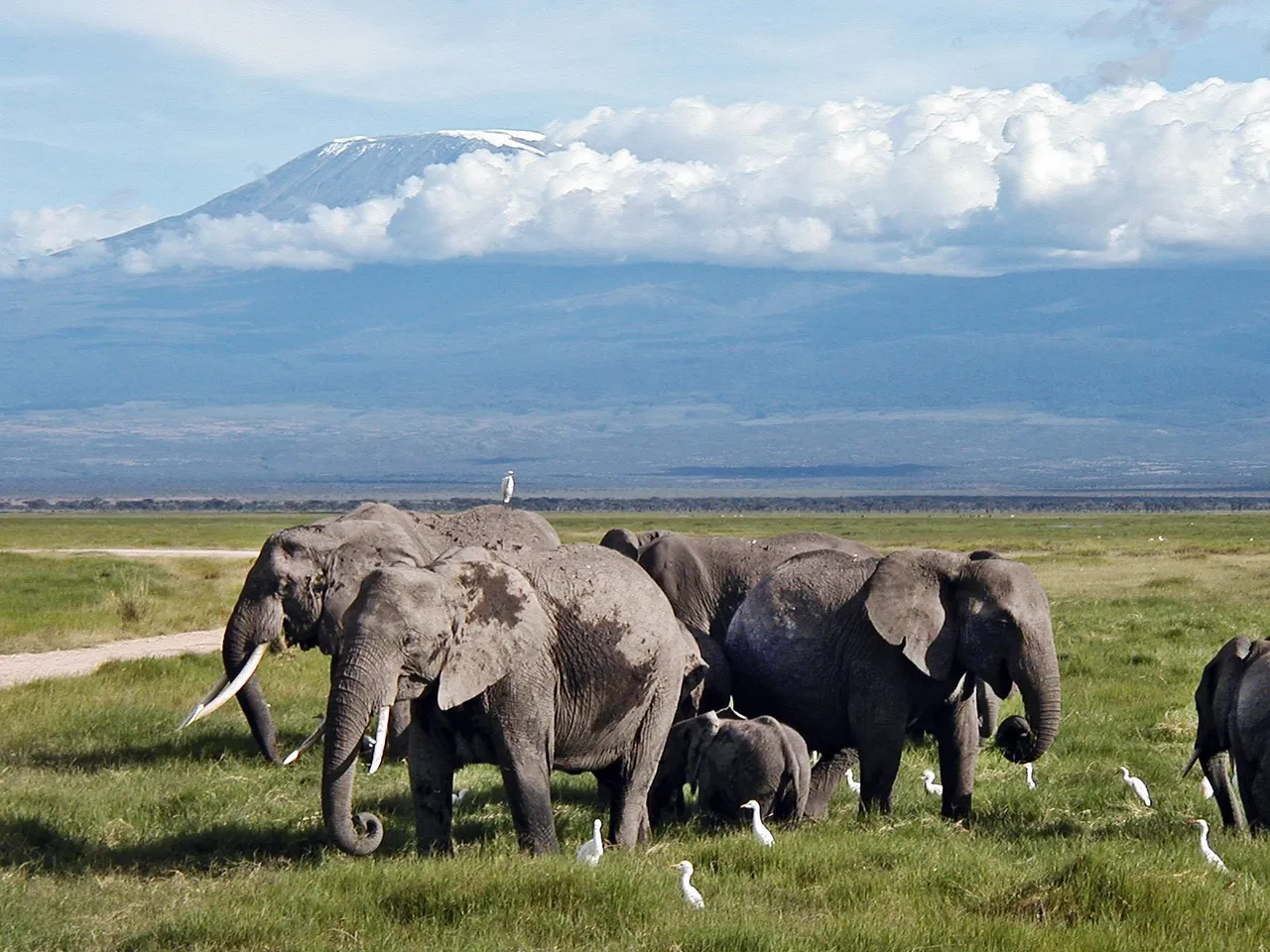
The best-studied elephant population in the world. The Amboseli Trust for Elephants has followed named individuals and families continuously since 1972.

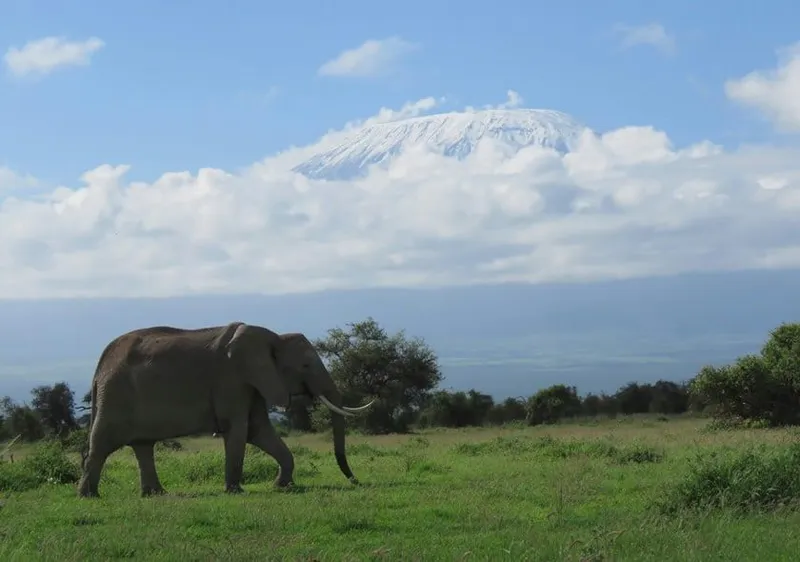
The elephant park, sitting directly beneath Kilimanjaro. An Amboseli National Park safari is four hours from Nairobi, with the most recognisable backdrop in East Africa.
An Amboseli National Park safari is built around two things: elephants with big tusks, and a mountain that only shows itself early and late.
The park is small, flat and dusty. It holds one of the best-studied elephant populations in the world, the Amboseli Trust for Elephants has followed individual families here since 1972. It is also the most reliable place in Kenya to see genuinely big tusks.
Amboseli is four hours from Nairobi on good road. That makes a two-day trip genuinely worthwhile rather than a compromise. The park is small enough to cover properly in three game drives.
Most people come for one night. Two nights is better if the mountain matters to you, because it gives you a second morning.
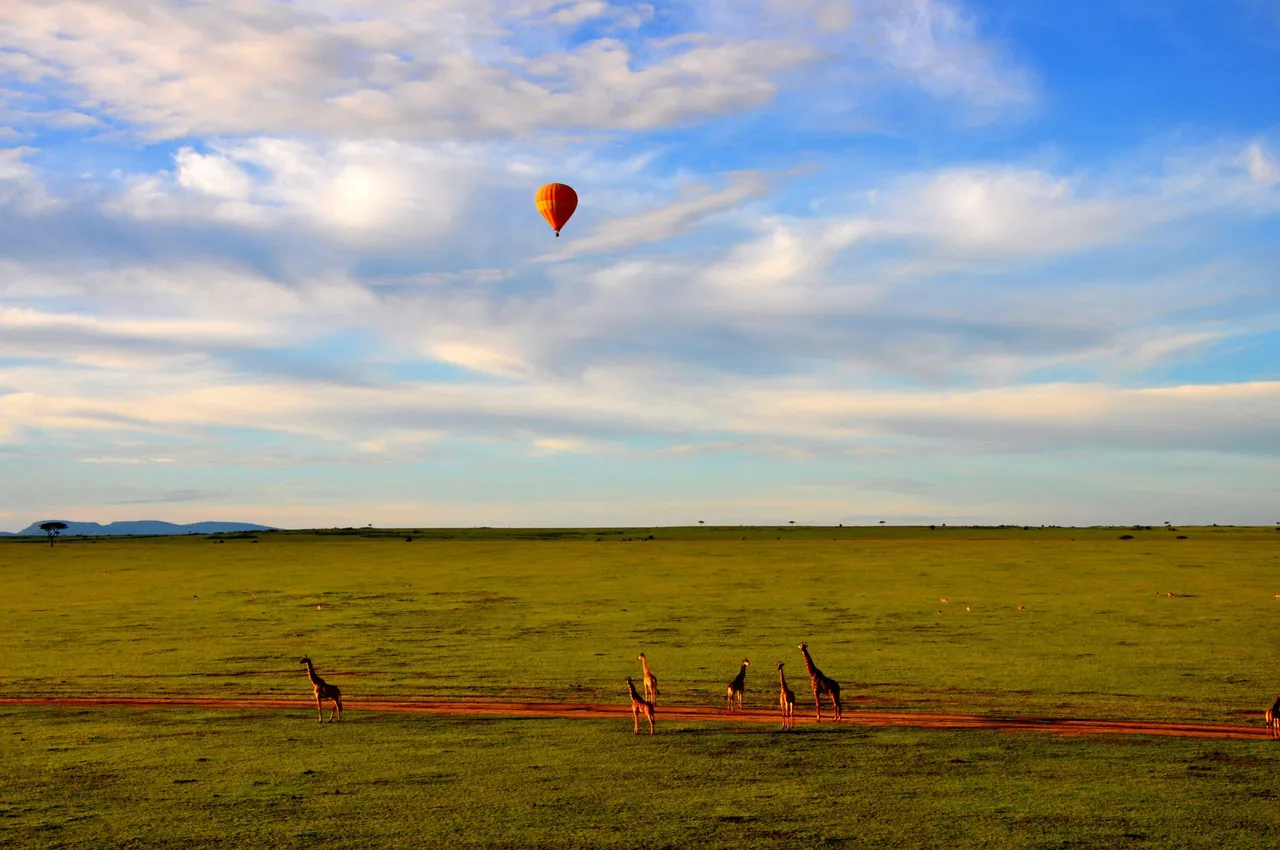
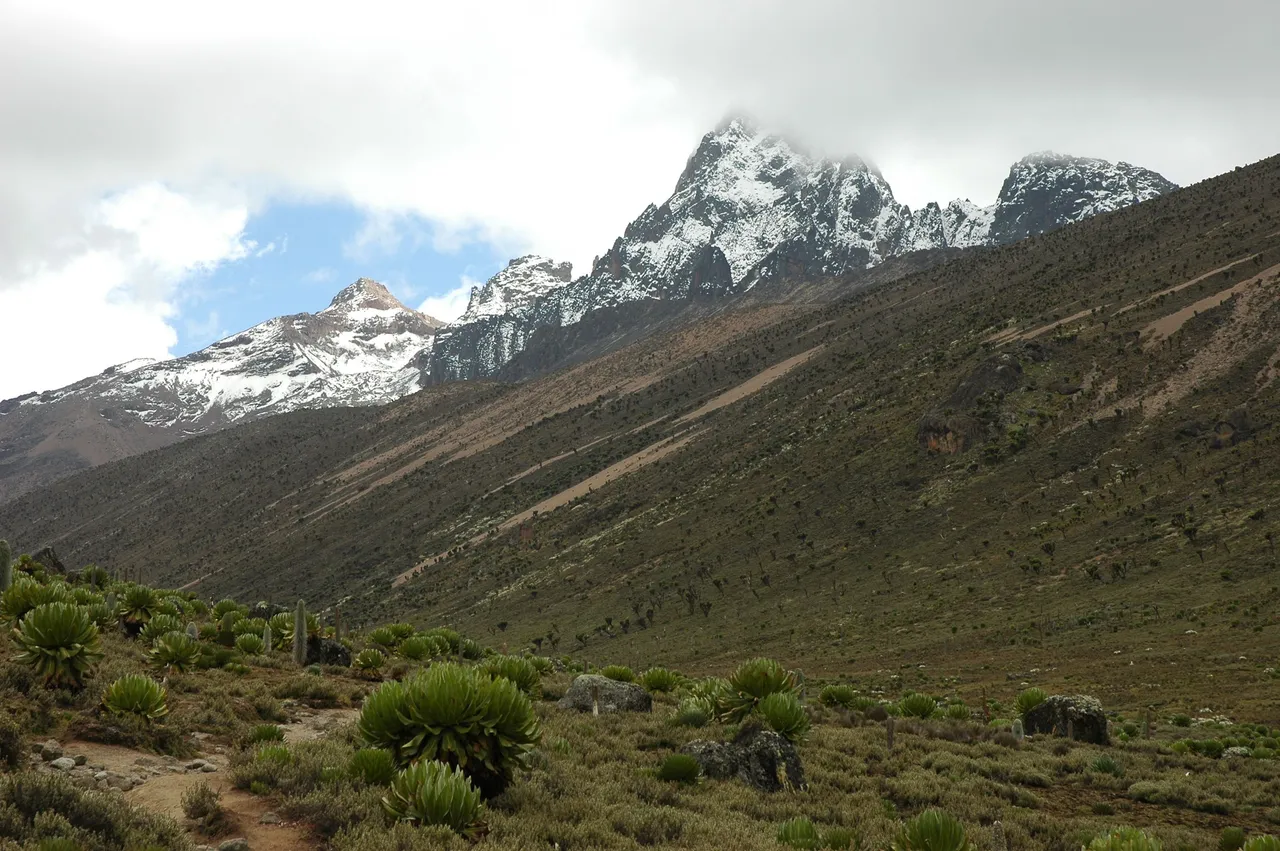
Kilimanjaro is clear at dawn and around dusk. It spends much of the middle of the day behind cloud. In the wet season there are weeks when it does not appear at all.
Plan the drives around that rather than hoping. If the mountain is the whole reason you are coming, build in two mornings rather than one.
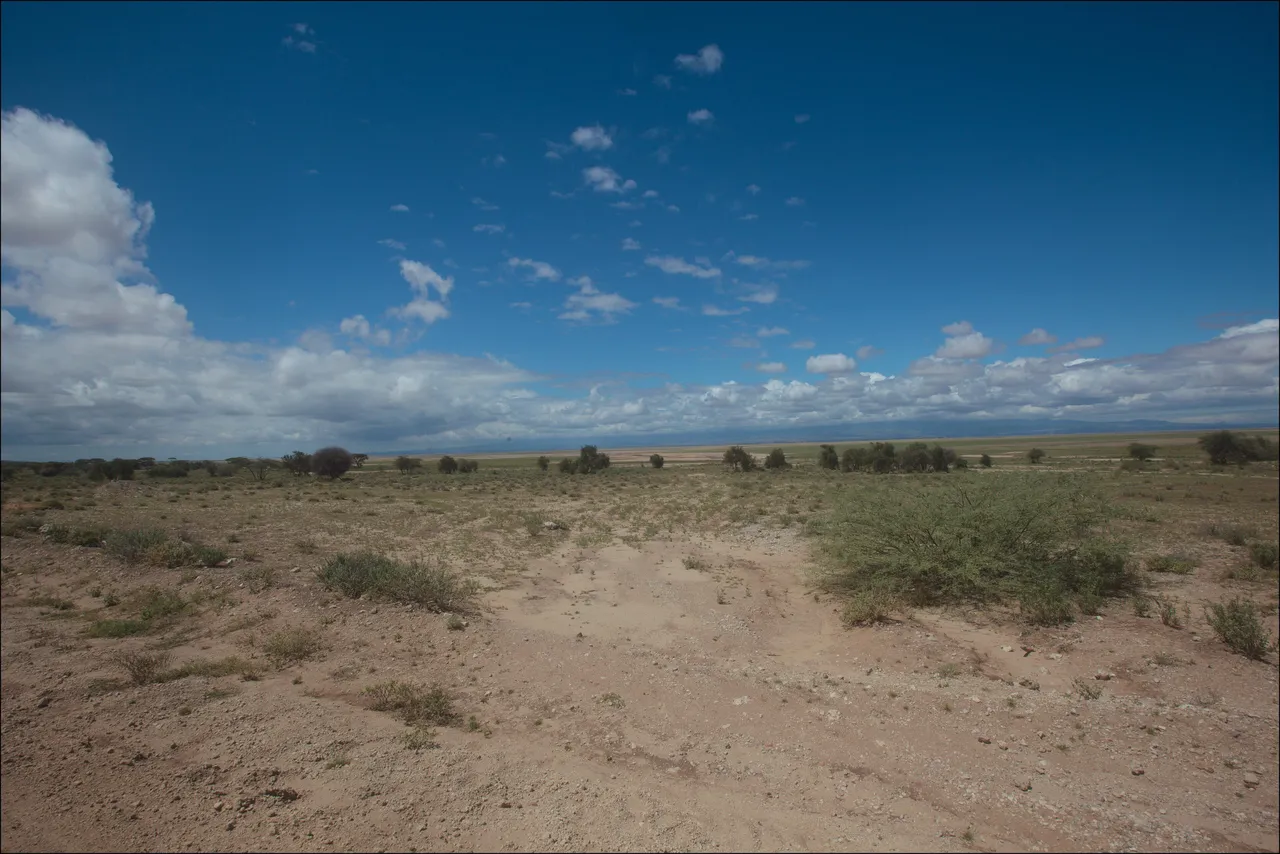
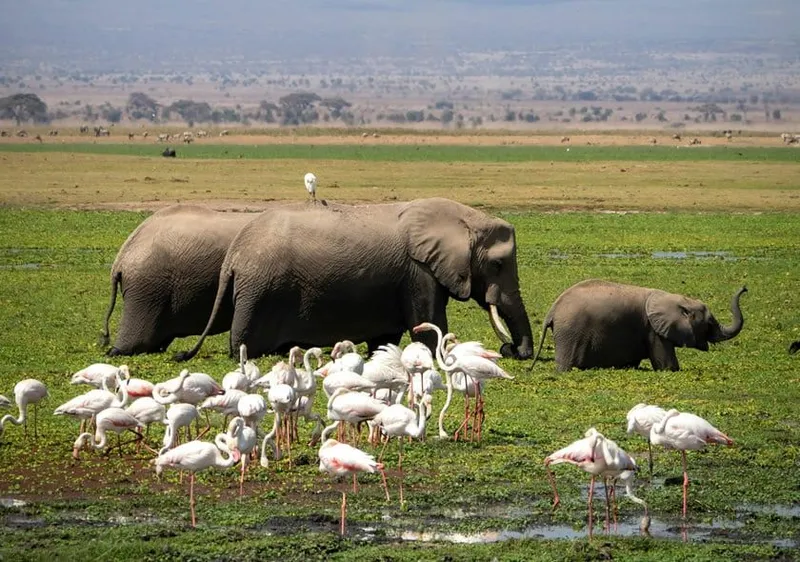
Meltwater from Kilimanjaro feeds swamps in the centre of the park. They stay green when everything around them has burned off. That concentrates game into a small area, which is what makes Amboseli unusually easy to game-view in the dry season.
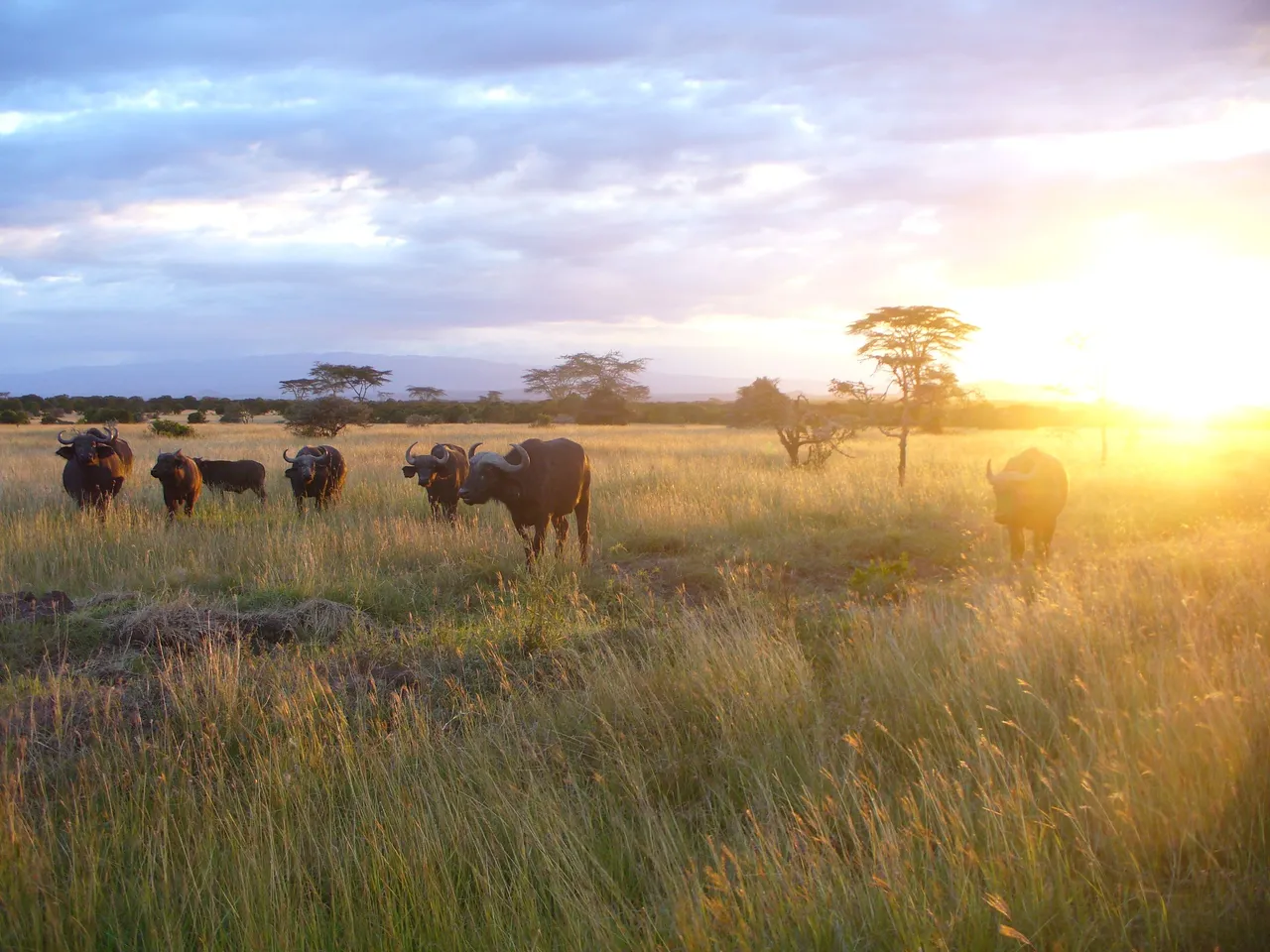
Elephant spend whole afternoons in them. So do buffalo, hippo and a great deal of birdlife.
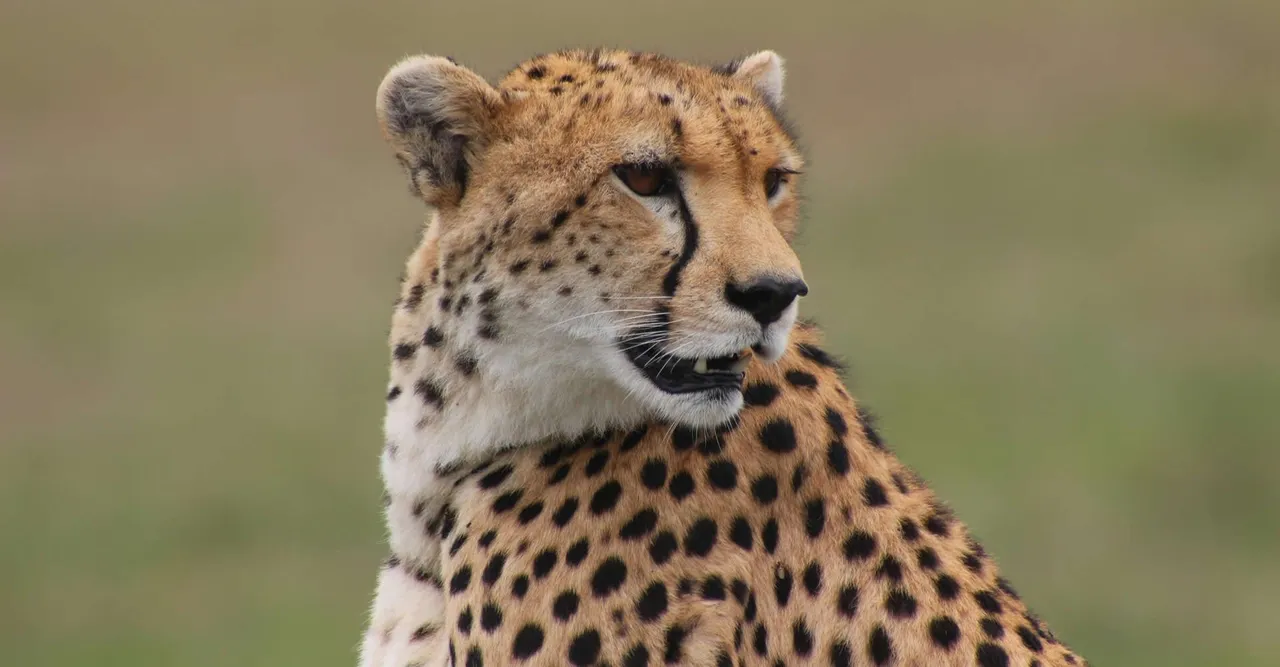
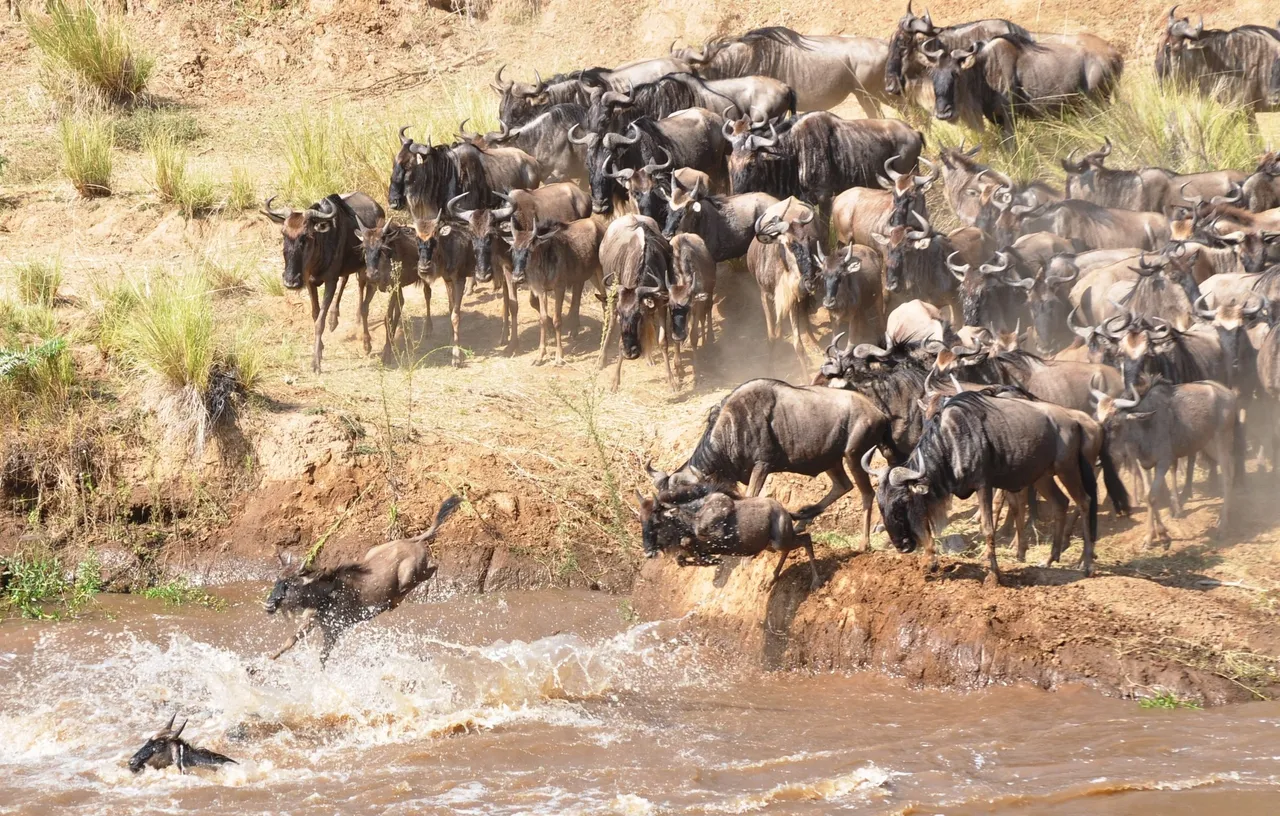
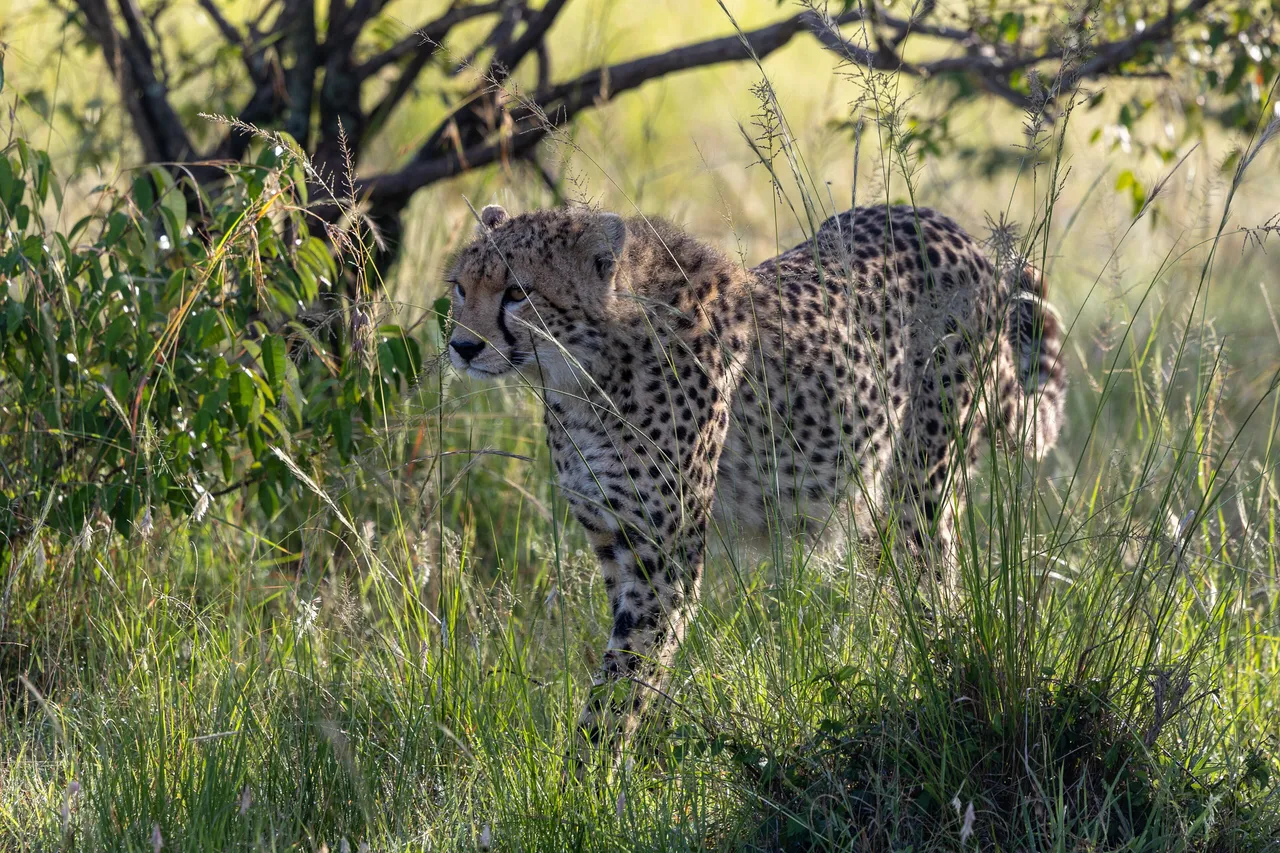
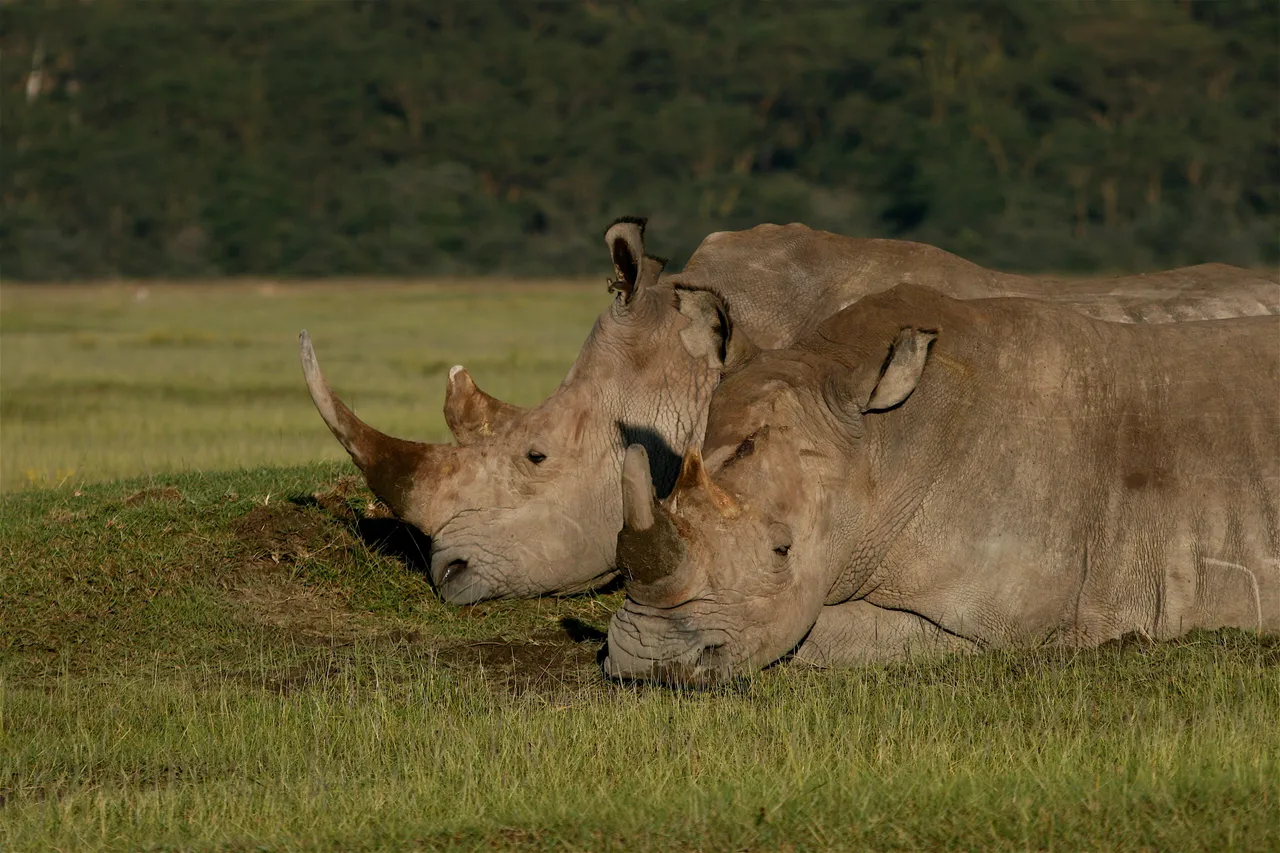
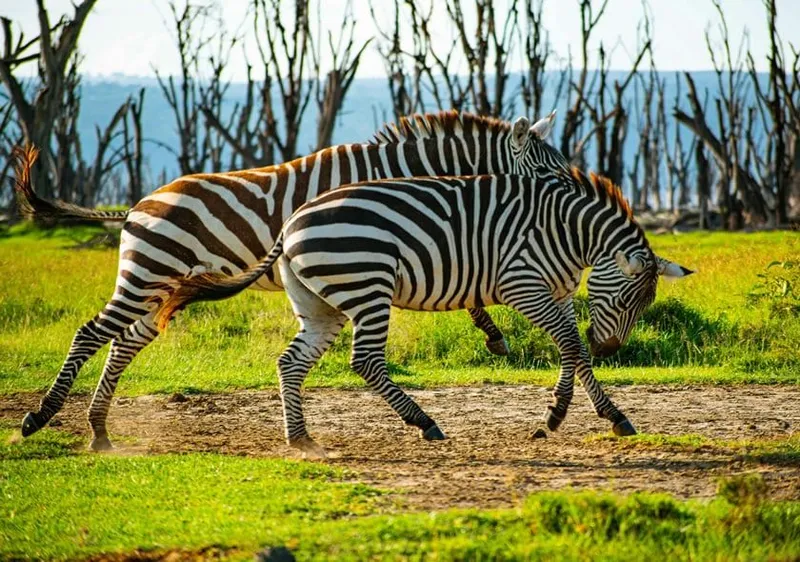
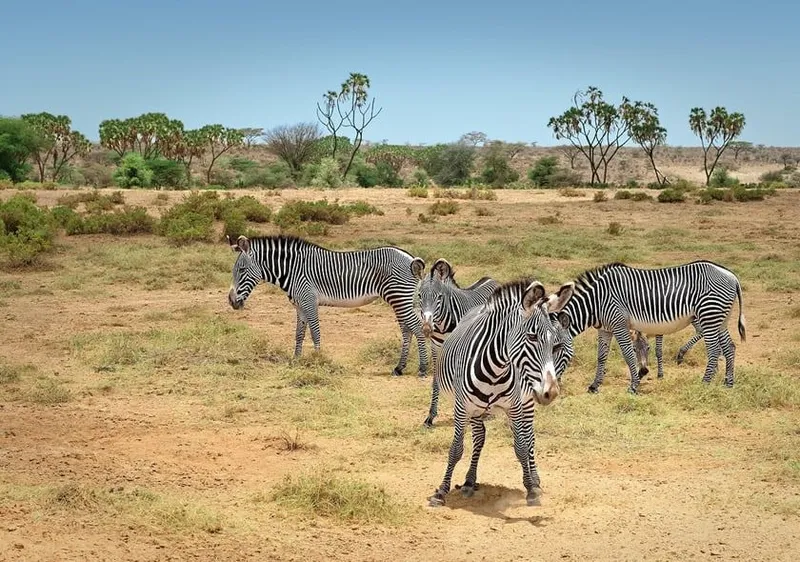
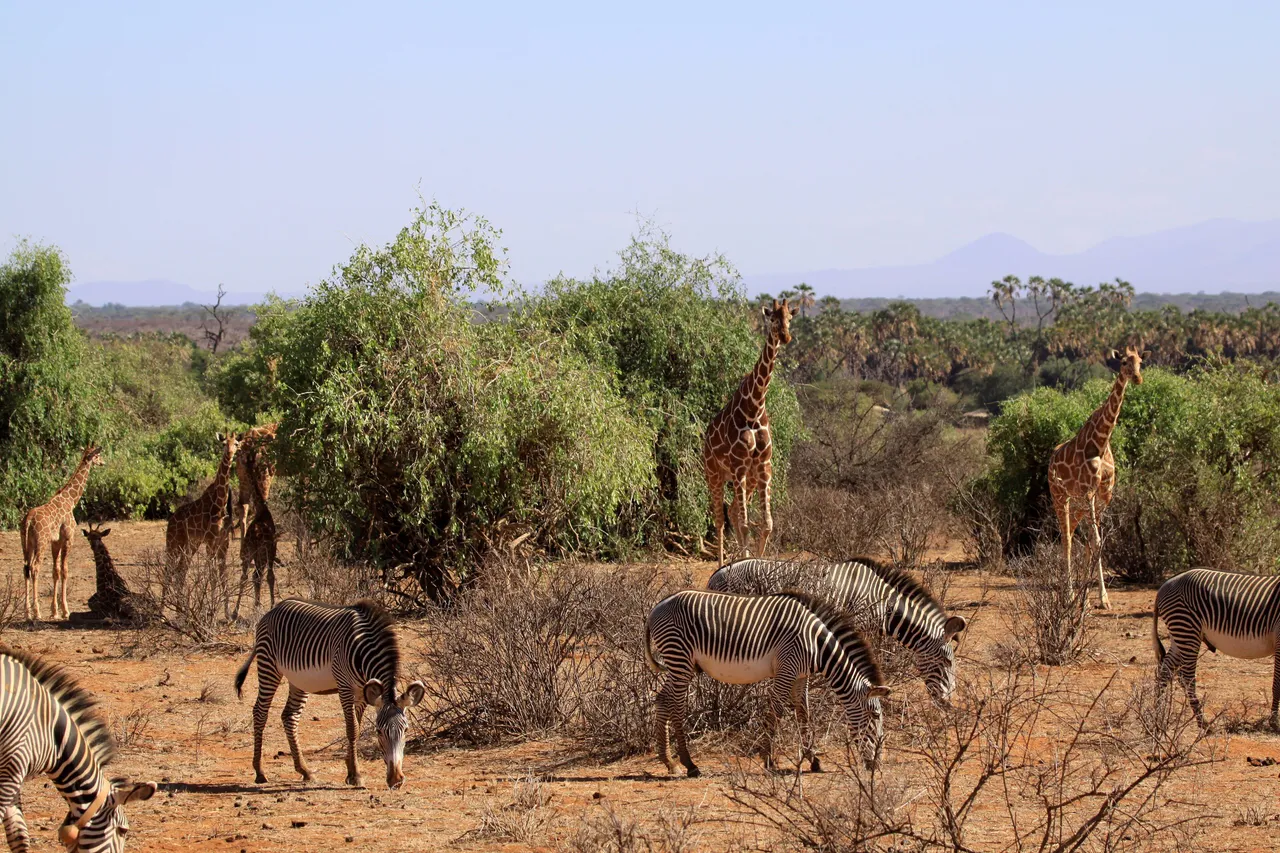
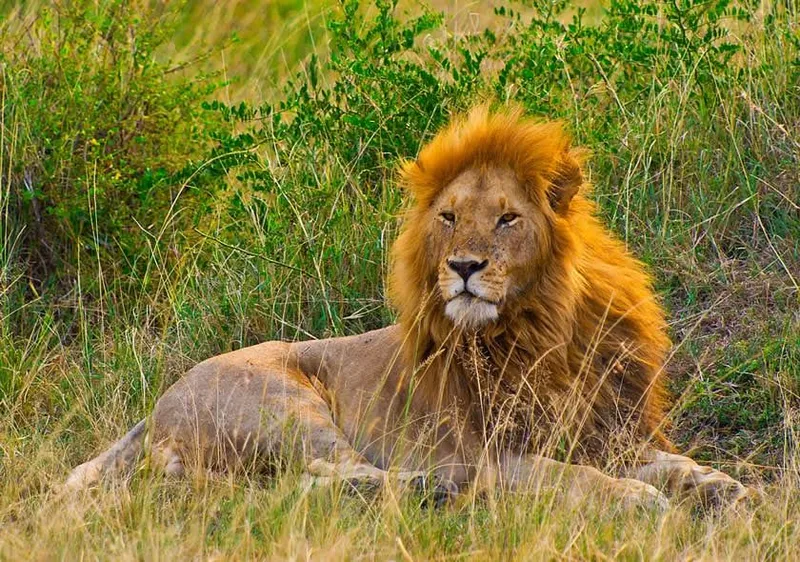
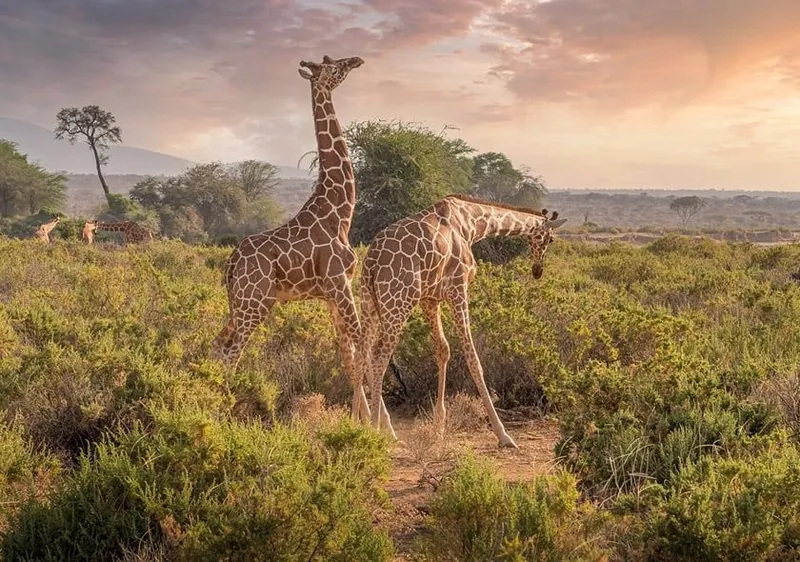
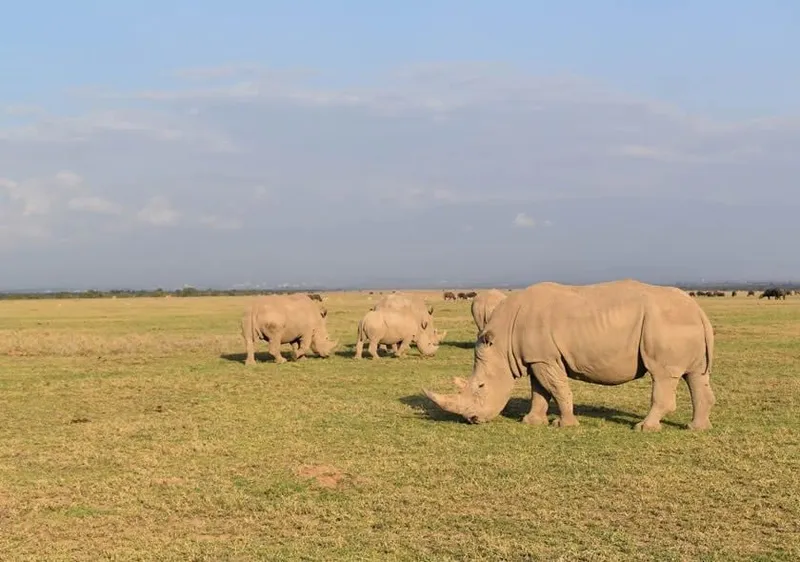
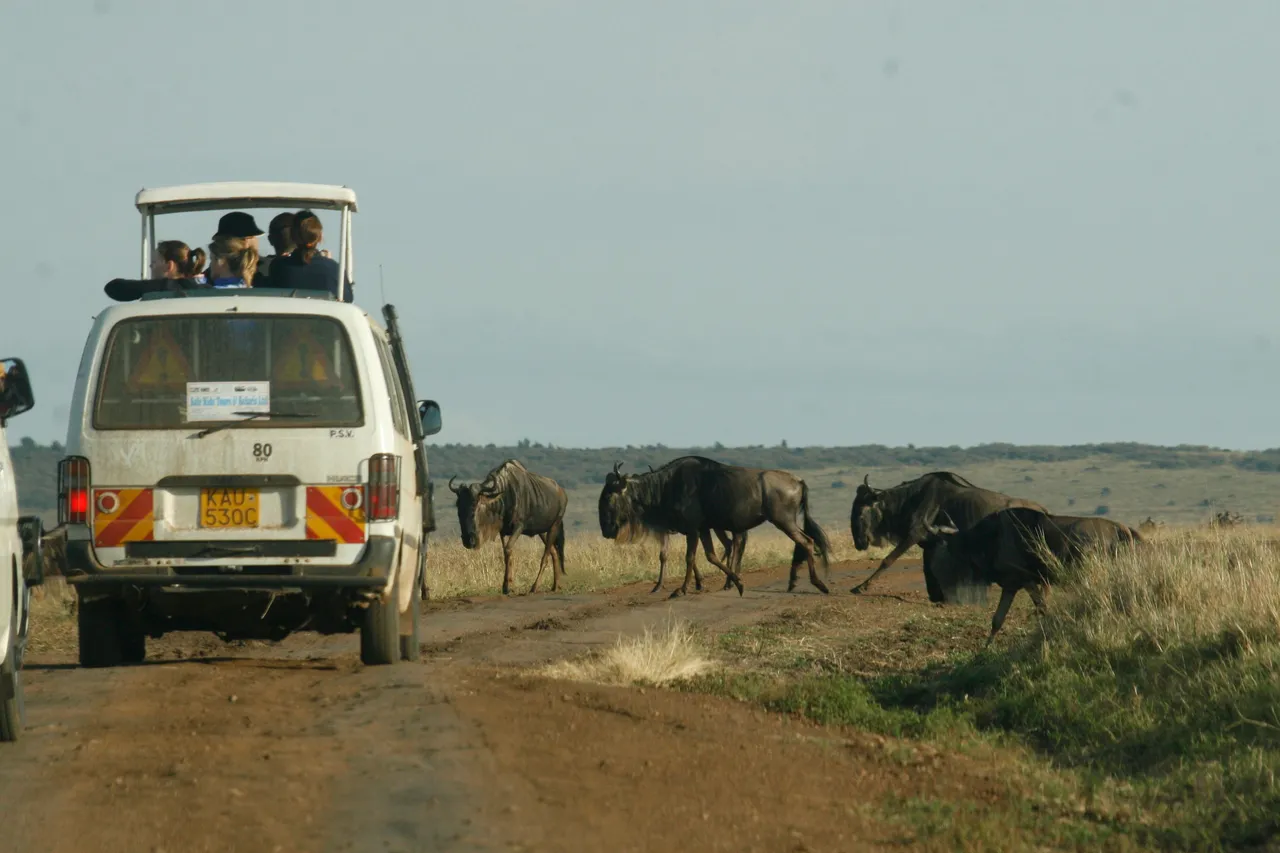
Lion, cheetah, spotted hyena, giraffe, zebra and wildebeest. Over 400 bird species. No rhino: they were poached out decades ago and have not been brought back.
June to October and January to February are dry and clear. The long rains fall March to May, when rates drop sharply and the mountain is least reliable. Our month-by-month guide sets out the trade-offs.
One night is the standard here, two if the mountain matters to you. Bring a dust cover for camera gear. Amboseli is fine volcanic dust and it gets into everything.
Mornings are cold in an open vehicle and afternoons are hot, so dress in layers you can shed. Children do well here: the drives are short and the road is tarmac the whole way.
Park entry is administered by the Kenya Wildlife Service.
Gazetted in 1974. What it was created to protect, and what threatens it now.
Amboseli was set aside as part of the Southern Maasai Reserve in 1906, handed to local control in 1948, and finally gazetted as a national park in 1974. The 1974 boundary was drawn deliberately tight, 392 square kilometres, to protect the swamps while leaving the surrounding land to Maasai pastoralists.
UNESCO designated the wider area a Man and Biosphere Reserve in 1991.
The park is far too small to hold its own elephants, which range across something closer to 8,000 square kilometres of community land around it. Every serious conservation question here is therefore about the land outside the gate, not inside it.
The species this place is genuinely known for, not a big five checklist that would fit any park in Kenya.
01Loxodonta africana
The best-studied elephant population in the world. The Amboseli Trust for Elephants has followed named individuals and families continuously since 1972.
02Syncerus caffer
Large herds use the permanent swamps through the dry season, often standing chest-deep alongside the elephants.
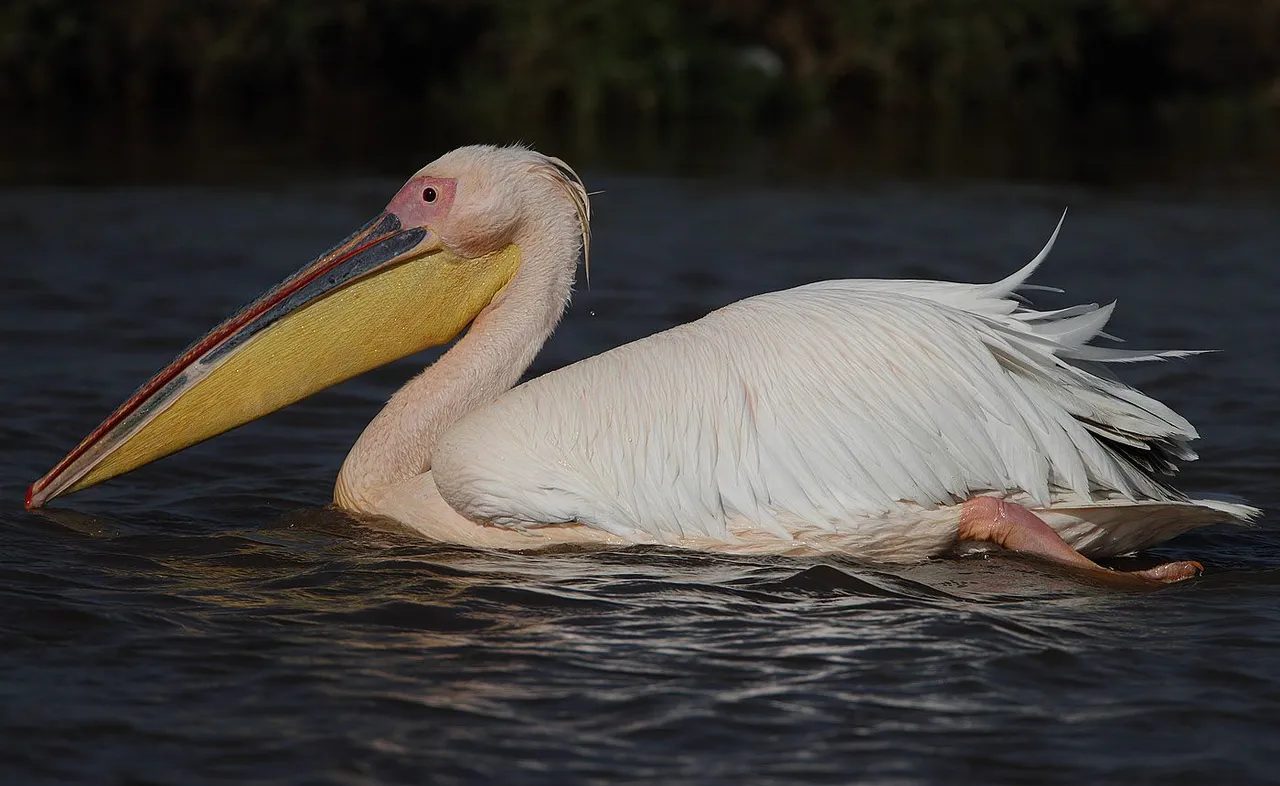 03
03Pelecanus onocrotalus
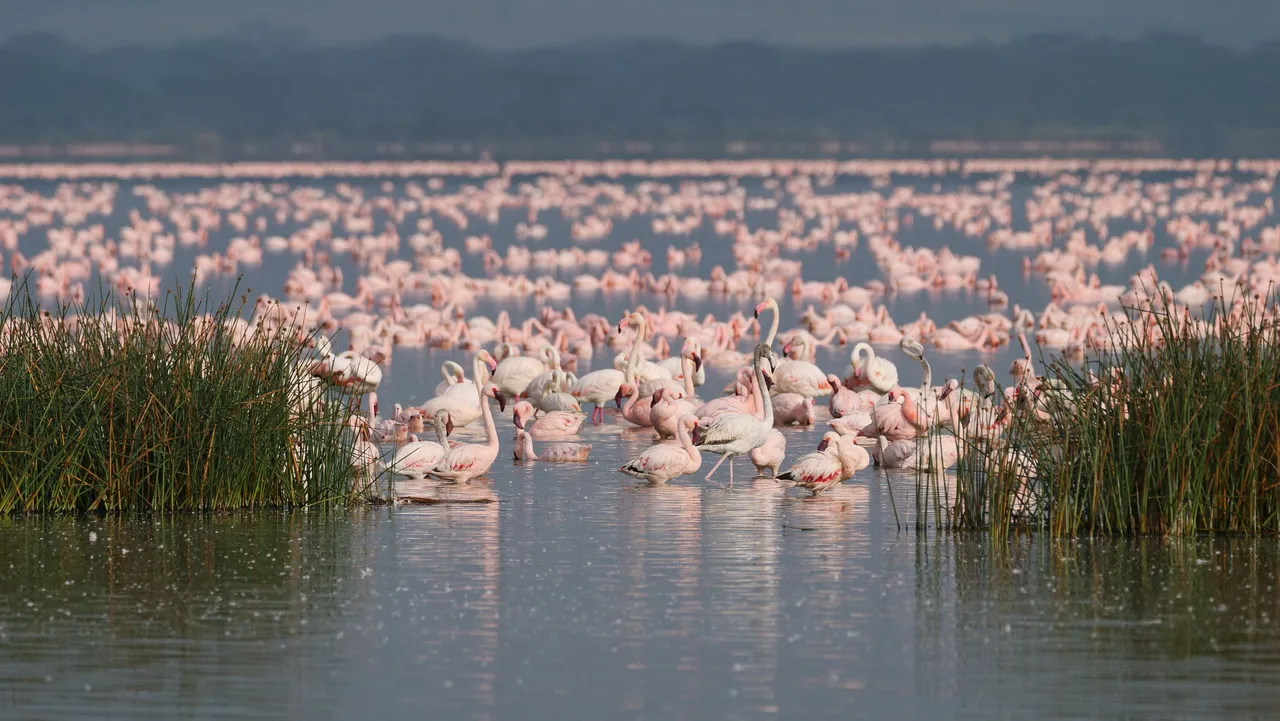
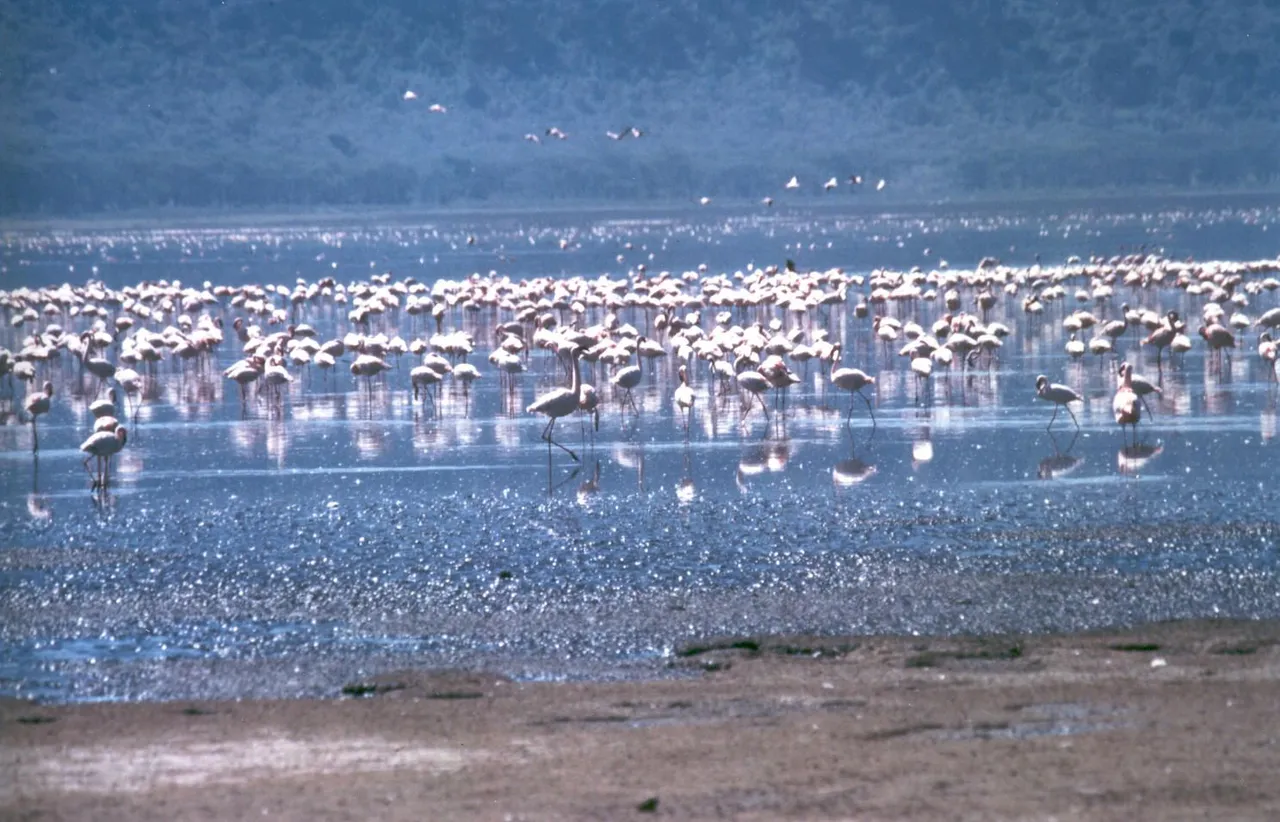
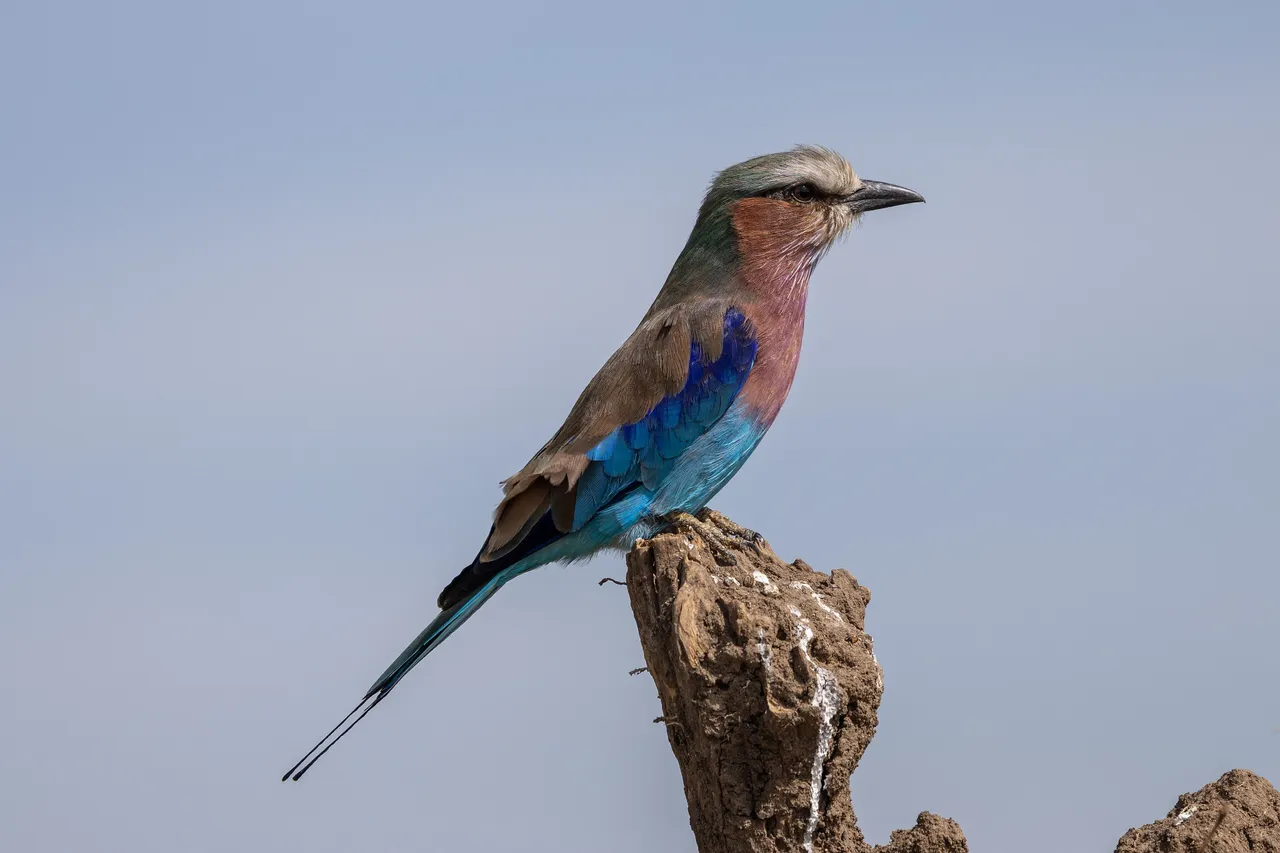
Amboseli records over 400 bird species. The meltwater swamps hold pelican, flamingo and heron in a landscape that is otherwise dust.
Every price includes park entry fees, transport and your driver-guide.
Kenya's parks are small. Almost everything that decides whether the wildlife survives happens on the land around them, and that land belongs to somebody.
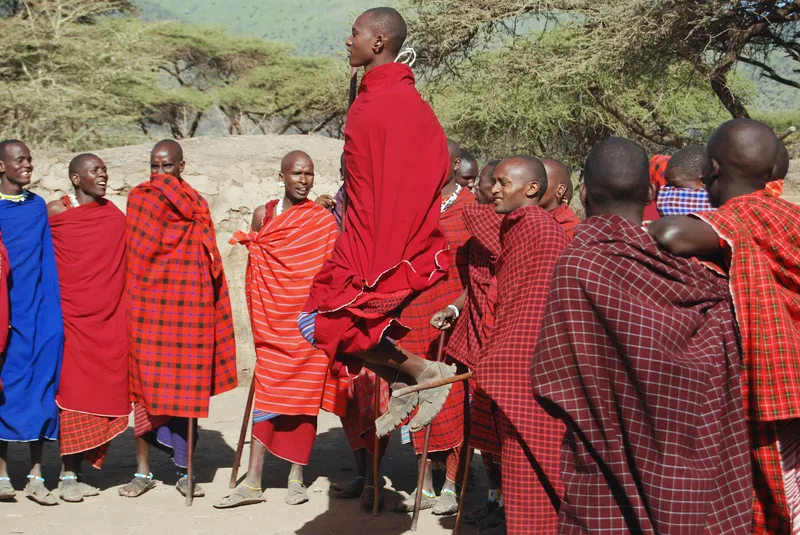
Amboseli sits in Kajiado County, in the heart of Maasai pastoralist country, and the group ranches around the park are the elephants' real habitat.
Several of those ranches now run their own conservancies: Selenkay, Kitirua, Olgulului, which earn lease income from tourism instead of converting grazing to crops. Where those schemes work, elephants pass through unharmed. Where they fail, the same elephants become a crop-raiding problem and are killed.
It is the clearest example in Kenya of conservation being an economic argument rather than a moral one.
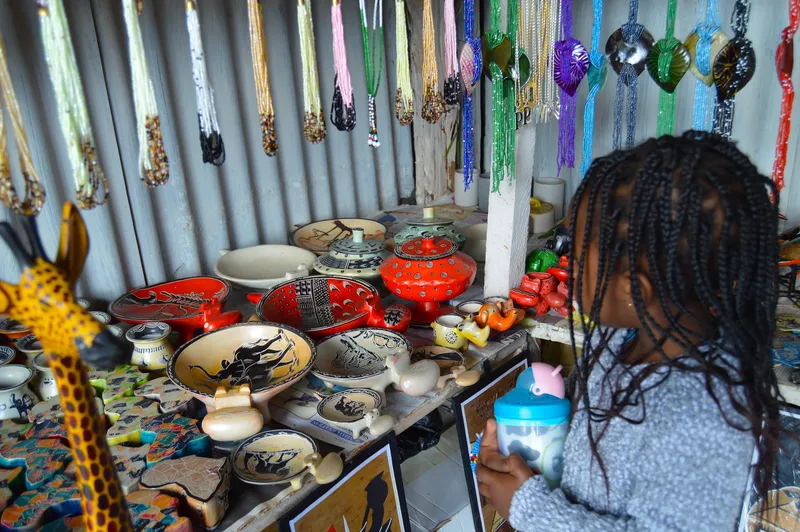
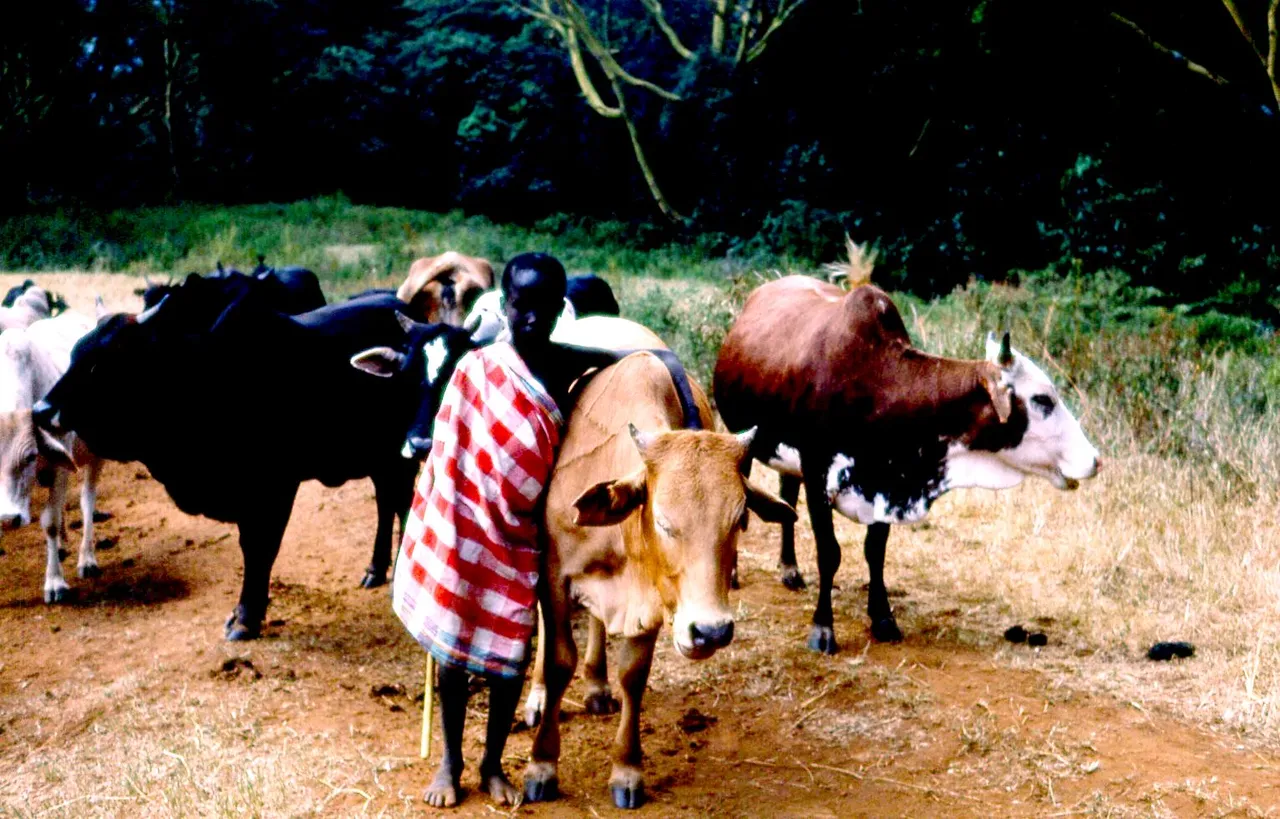
The Maasai women's groups around Kimana and Selenkay sell beadwork, leather sandals cut from recycled tyre rubber, and carved olive-wood bowls. Several camps run a fixed-price craft shed where the maker's name is on the ticket.
Buy there rather than at the park gate. Gate sellers are usually reselling, and the margin does not reach the person who did the work.
Avoid anything made from ivory, horn, tortoiseshell or wild-animal skin. It is illegal to buy or export, and being offered it is a reason to walk away from that stall entirely.
Every caption describes the photograph above it.
Elephants under Kilimanjaro, or big cats and the migration? A straight comparison of Amboseli and the Masai Mara, and when it makes sense to see both.
Read the articleEvery safari on this site comes as a printable itinerary with day-by-day detail, what is included, and the price. Send it to whoever you are travelling with. We will add you to a short monthly note on when to travel and what it costs, and nothing else.