 01
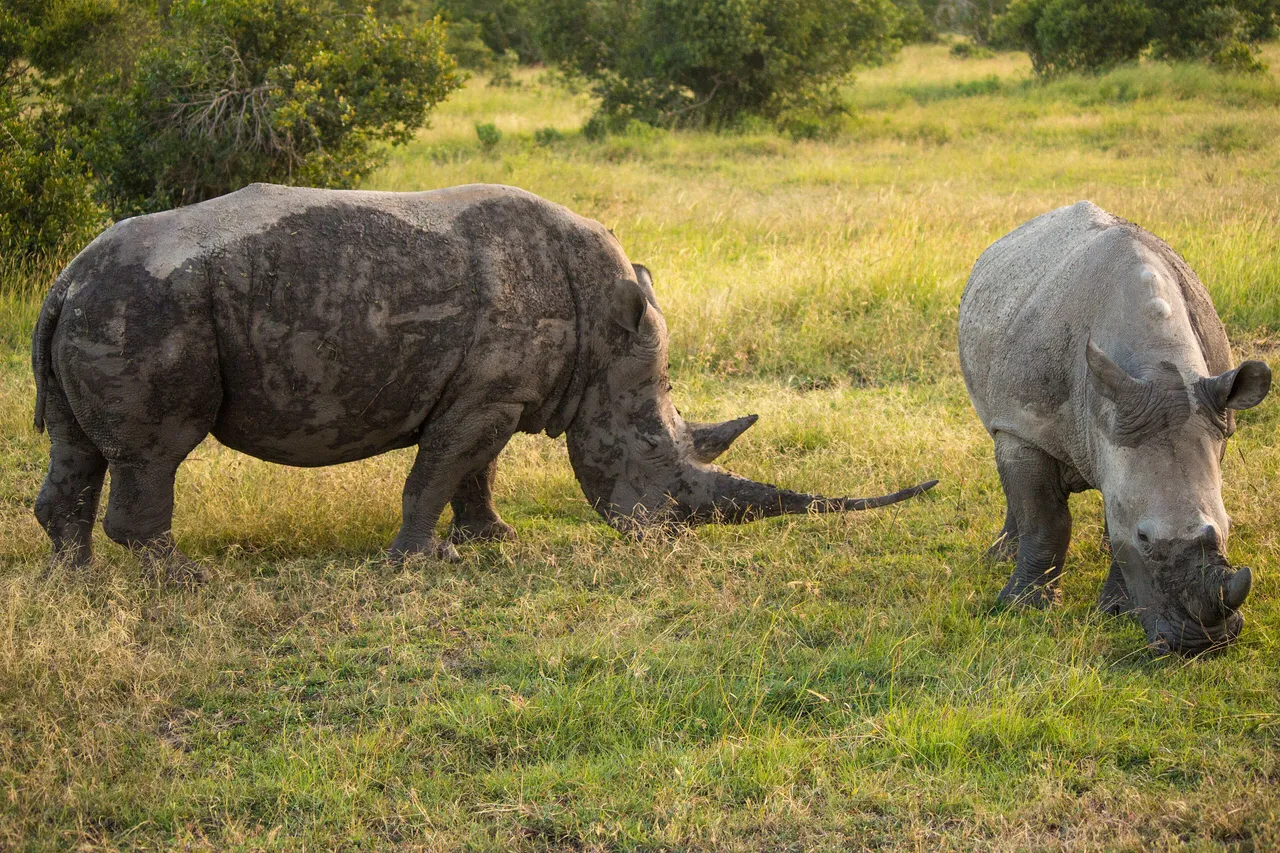
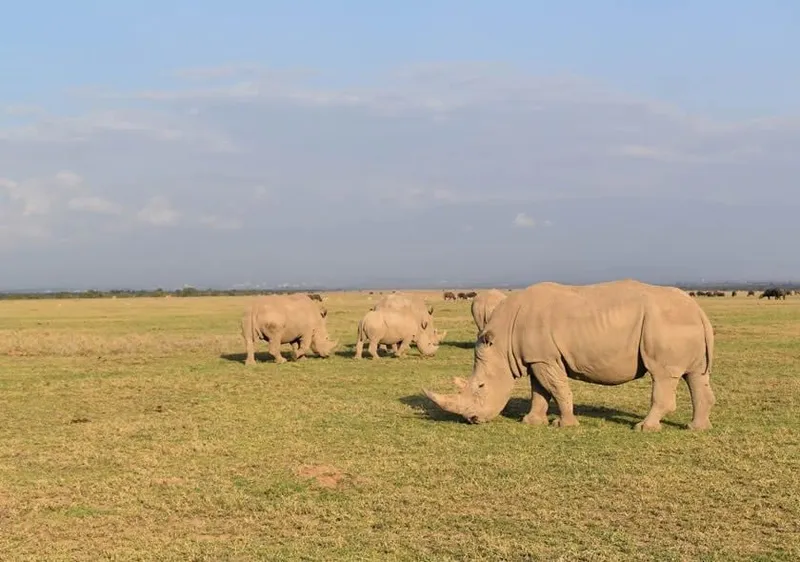
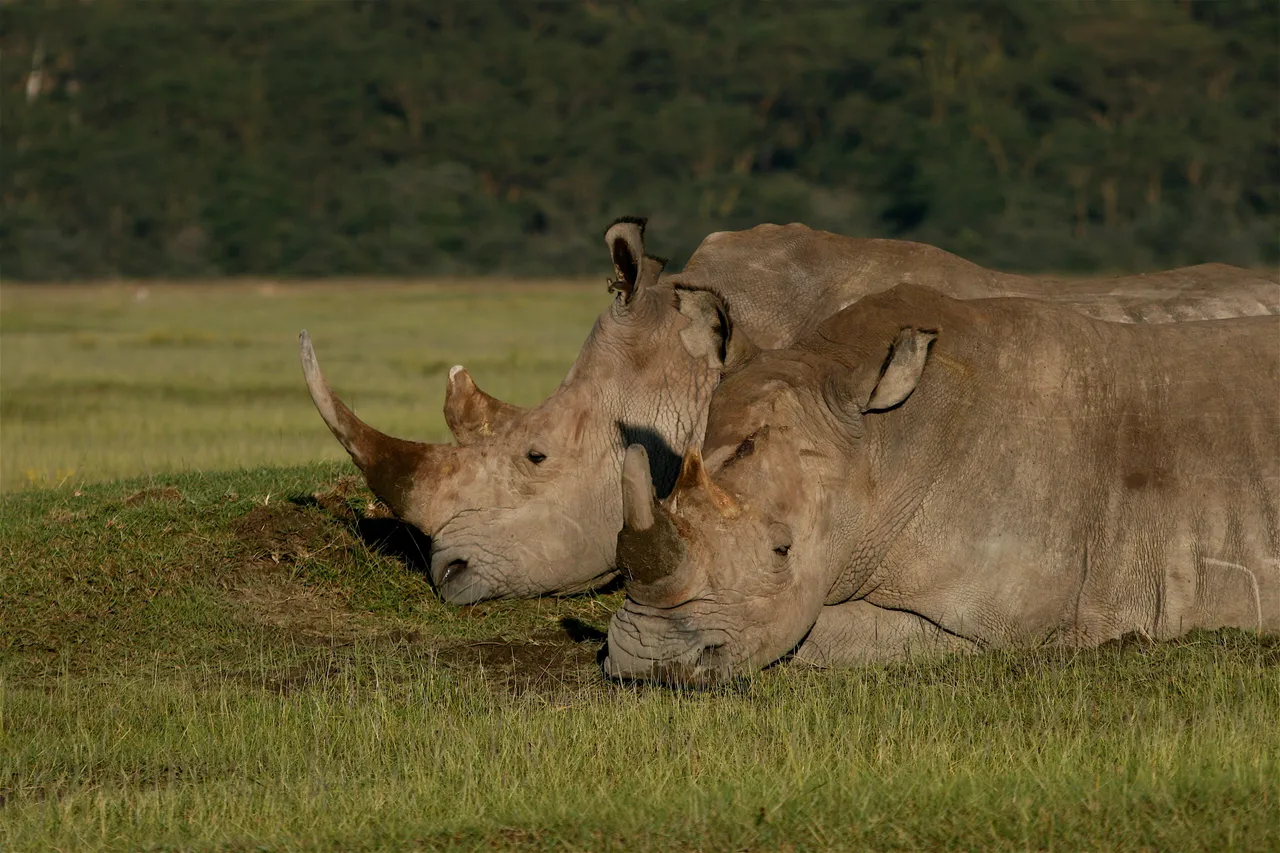
01Southern white rhino
Ceratotherium simum
Grazers, and far more relaxed around vehicles than black rhino. Nakuru is the most reliable place in Kenya to see them.

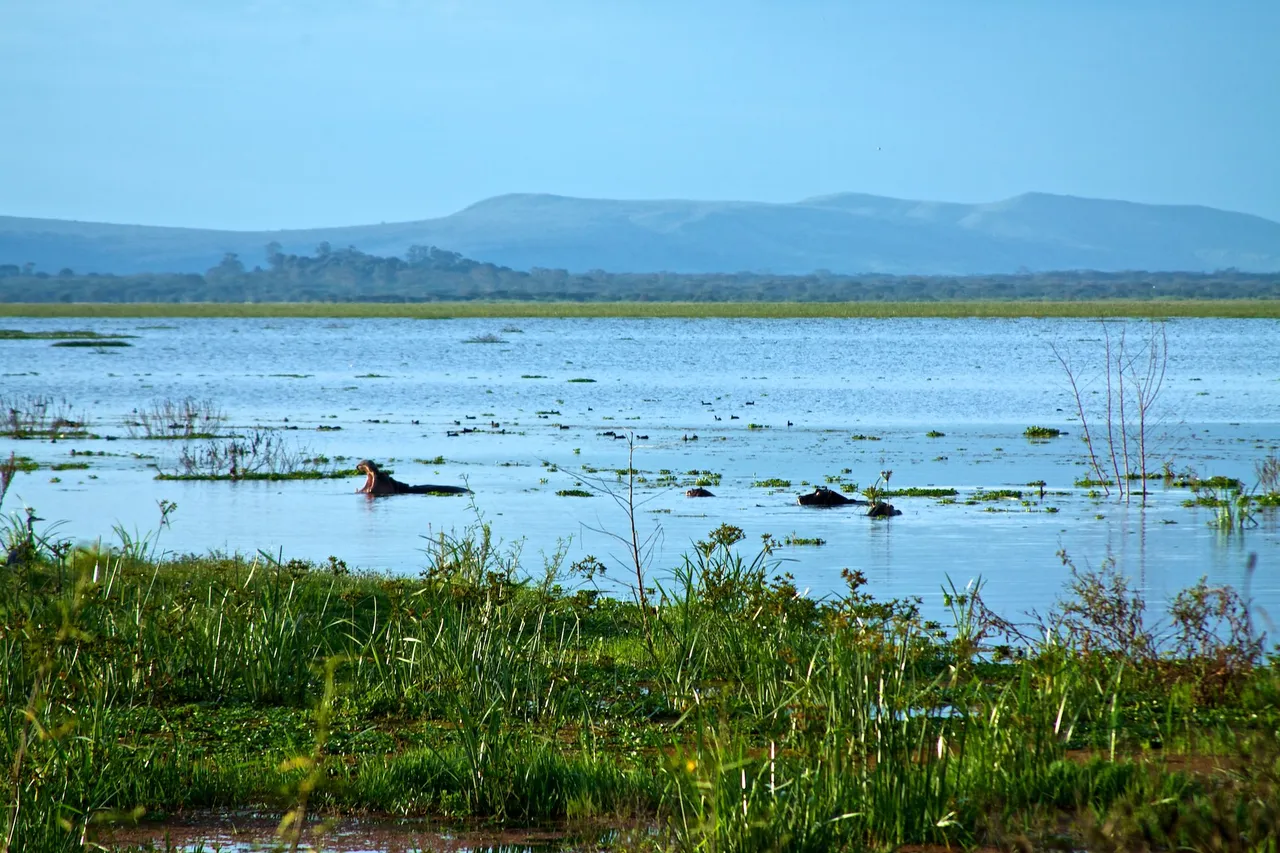
A soda lake in the Rift Valley, fenced and heavily protected. Lake Nakuru National Park holds both black and white rhino, three hours from Nairobi on tarmac the whole way.
Lake Nakuru National Park is fenced, which is unusual in Kenya. It is also exactly why the park works as a rhino sanctuary.
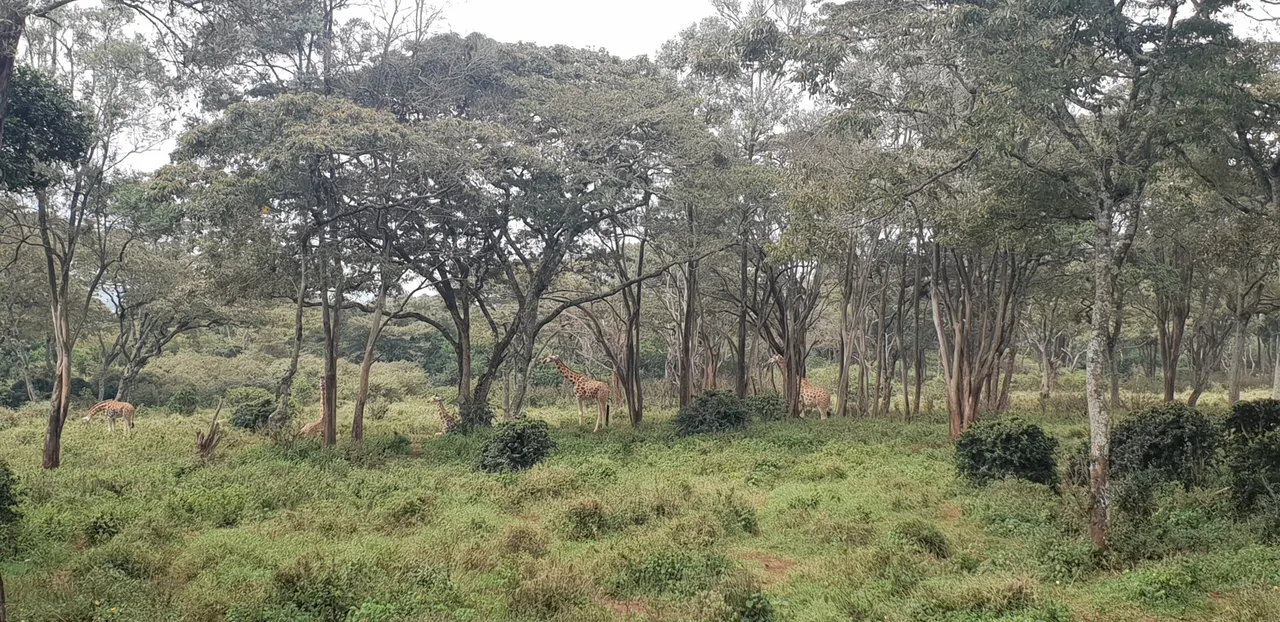
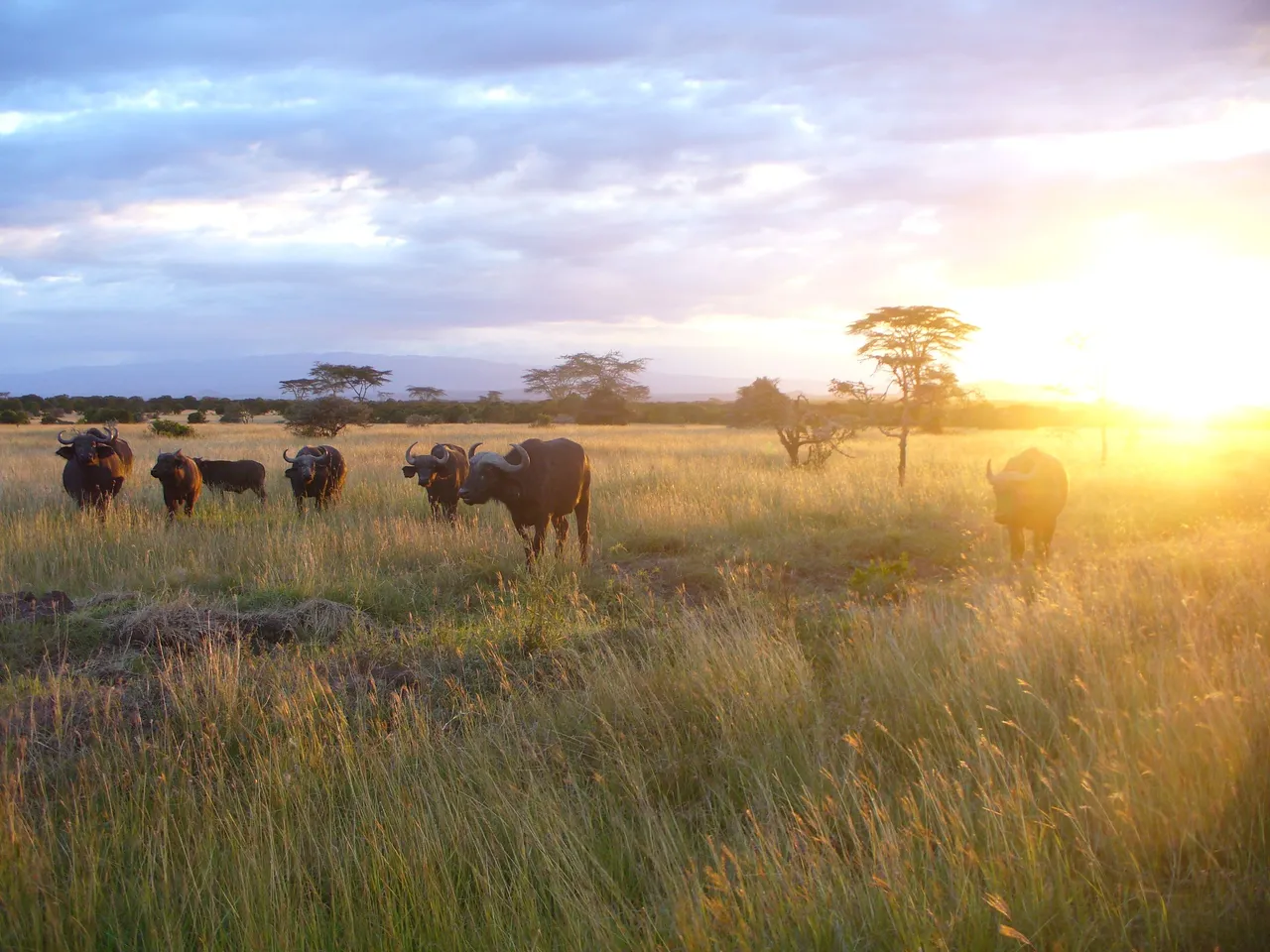
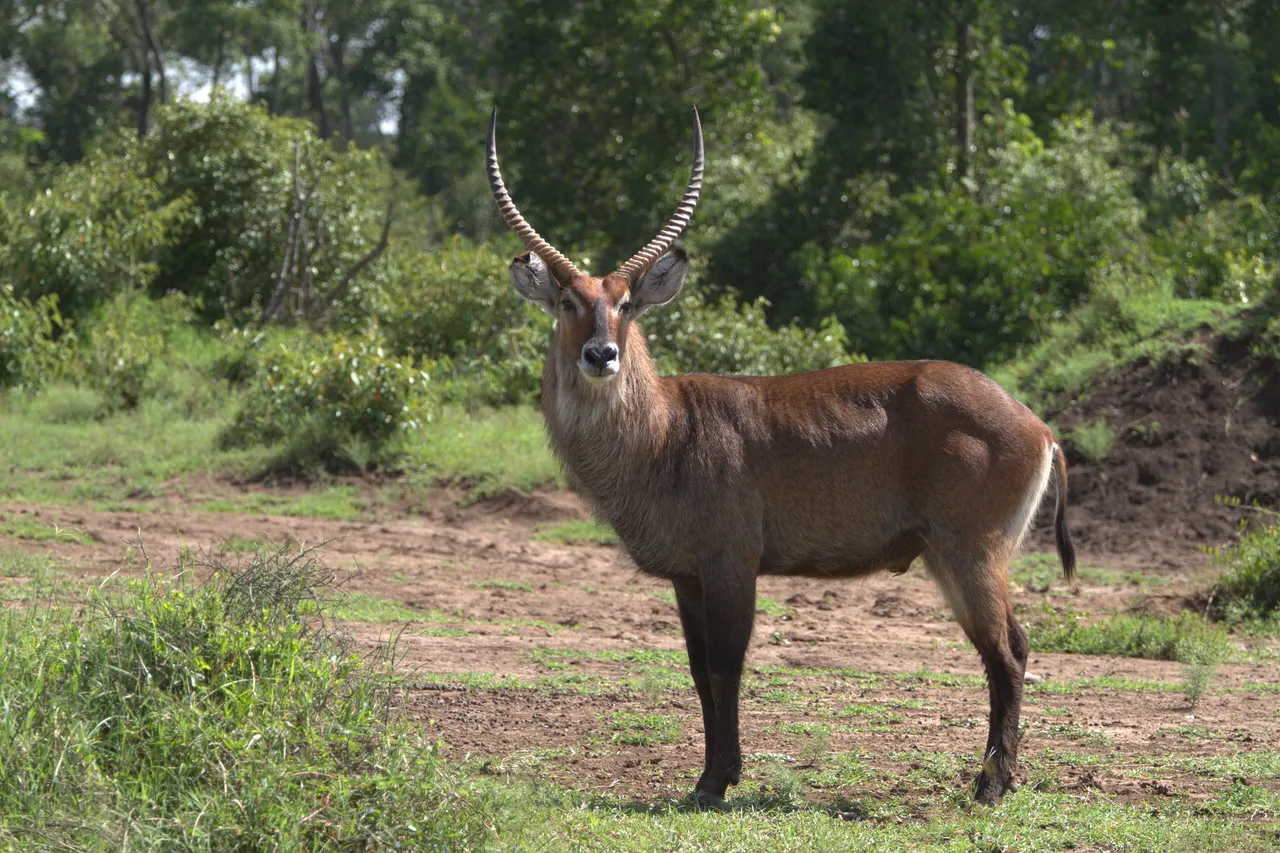
Both black and white rhino are here, in numbers that make a sighting likely rather than lucky. So is Rothschild’s giraffe, translocated in and doing well. Lion, buffalo, waterbuck and a great deal of birdlife fill in the rest.
Three hours from Nairobi, tarmac the whole way, with the Rift Valley escarpment on the road there and back. That makes the one-night trip the easiest overnight safari in the country.
You can do it as a long day. We would not recommend it. The best game viewing is early, and a day trip misses that entirely.
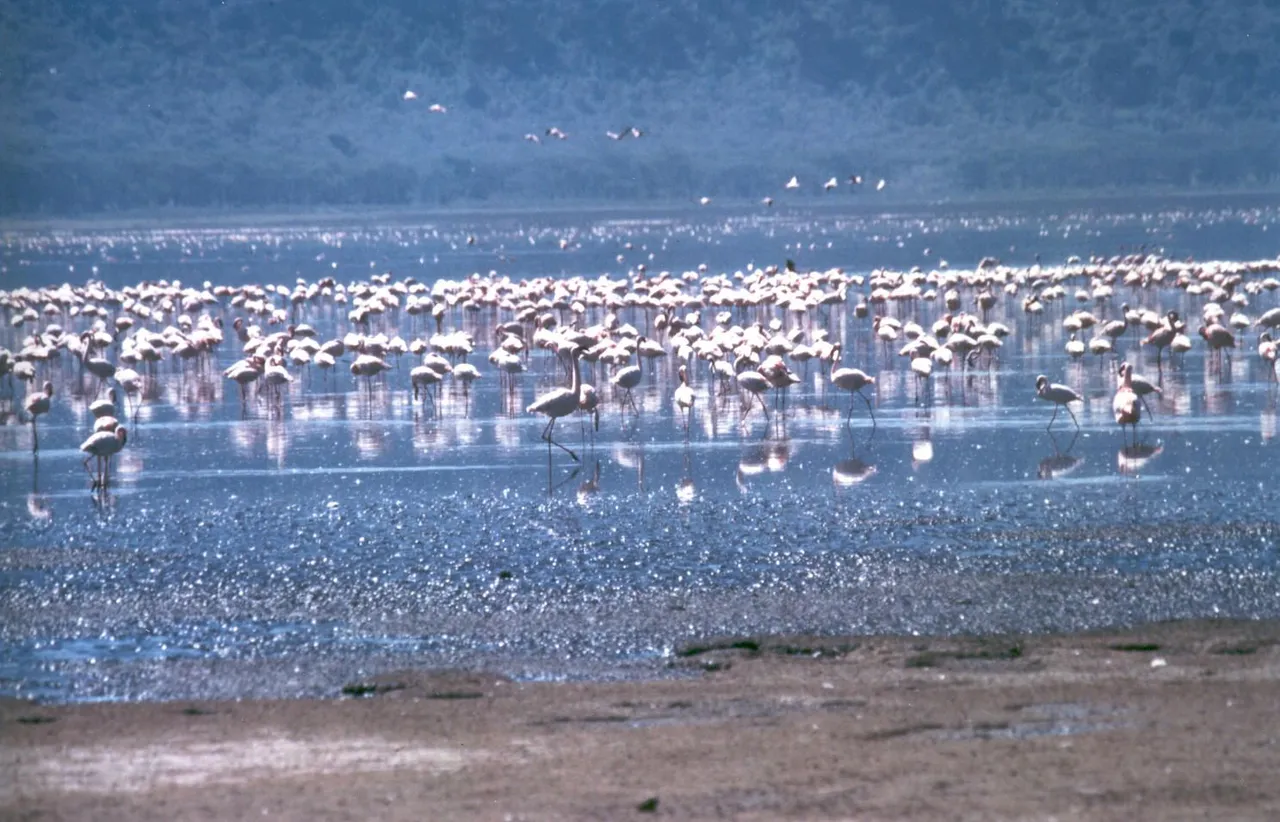
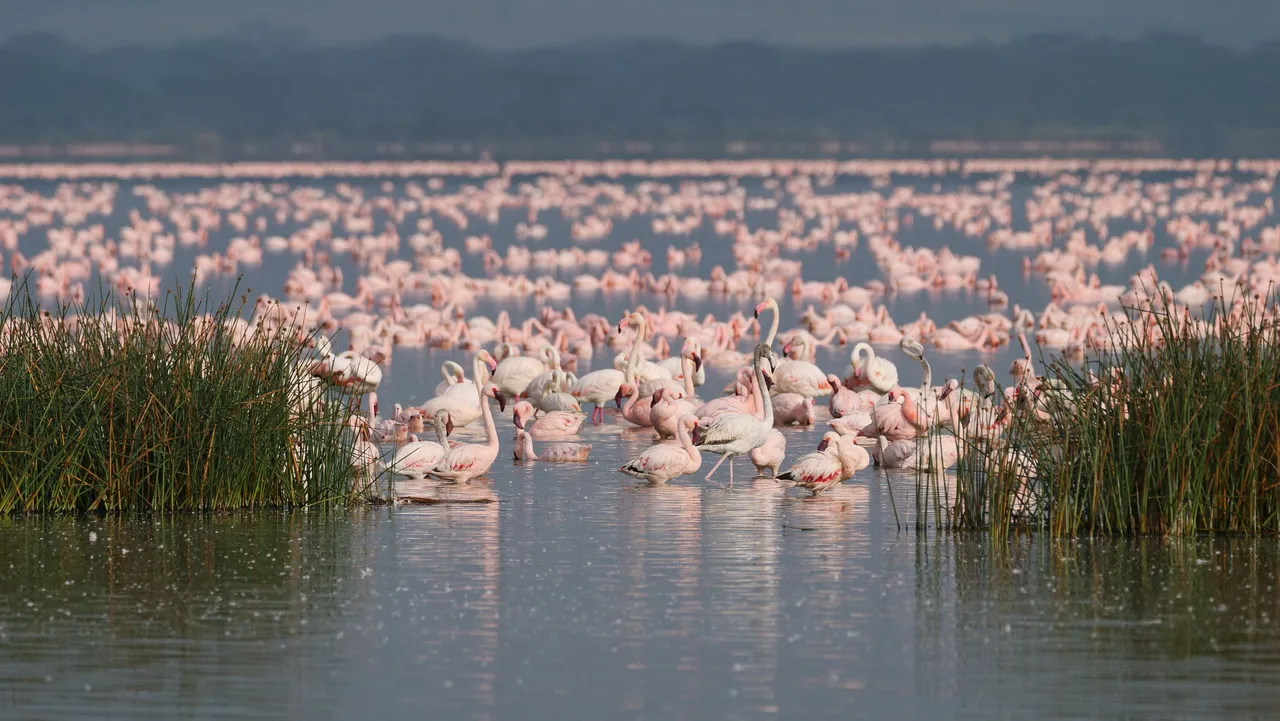
They are the park’s postcard image and the part that needs the most honesty.
Their numbers depend on the lake’s alkalinity, which depends on its water level. When the lake rose sharply through the last decade, the algae the birds feed on thinned out. Most of the flock moved to Lake Bogoria and Lake Elmenteita.
Some years they are back in the hundreds of thousands. Some years they are not there at all. We will tell you what the lake is actually doing before you book.
Rhino do well here because the park is small, patrolled and enclosed. The trade-off is that it feels more managed than the Mara or Tsavo. That is a fair description, and it is still the best rhino viewing in Kenya outside a conservancy.
Nakuru sits an hour from Lake Naivasha, which makes a comfortable two-lake weekend. It also works as the first leg of a longer run west to the Mara. Timing is covered in our month-by-month guide.
One night is enough to see the park properly. The circuit is compact and the roads are good, so you are not spending hours in transit inside the gates.
The lake is at 1,750 metres and mornings are genuinely cold. Bring a fleece for the first game drive even in the dry season. Baboons around the picnic sites are bold and well practised, so do not leave food visible in an open vehicle.
The park is run by the Kenya Wildlife Service.
Gazetted in 1968. What it was created to protect, and what threatens it now.
Lake Nakuru was protected as a bird sanctuary in 1961 and upgraded to a national park in 1968, largely because of the flamingos. It became a Ramsar wetland of international importance in 1990.
The fence came later, and it changed what the park is for. Nakuru is now one of Kenya's most important rhino sanctuaries, holding both black and white rhino in numbers that a small enclosed park can actually protect. Rothschild's giraffe were translocated here in 1977 and have done well enough to be moved on to other parks since.
The lake itself is the unresolved problem: it rose sharply through the 2010s, drowning roads and lakeside forest and pushing the flamingos elsewhere.
The species this place is genuinely known for, not a big five checklist that would fit any park in Kenya.
01Ceratotherium simum
Grazers, and far more relaxed around vehicles than black rhino. Nakuru is the most reliable place in Kenya to see them.
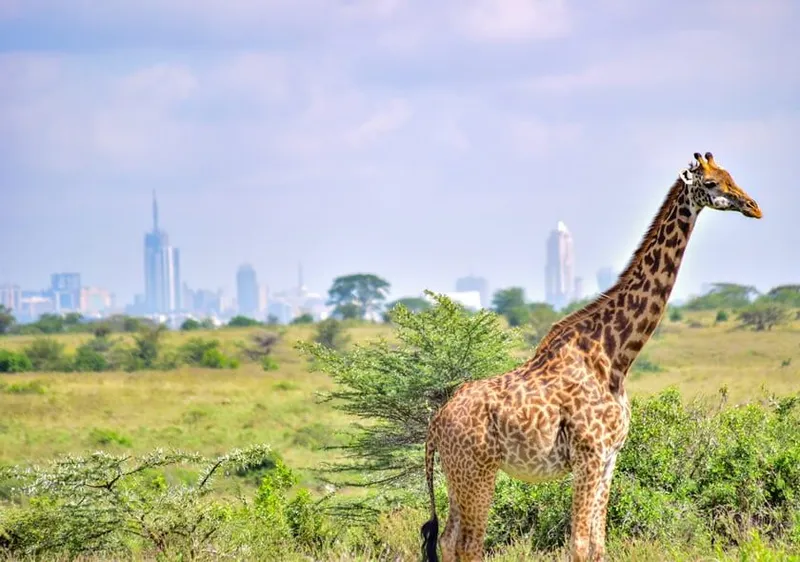
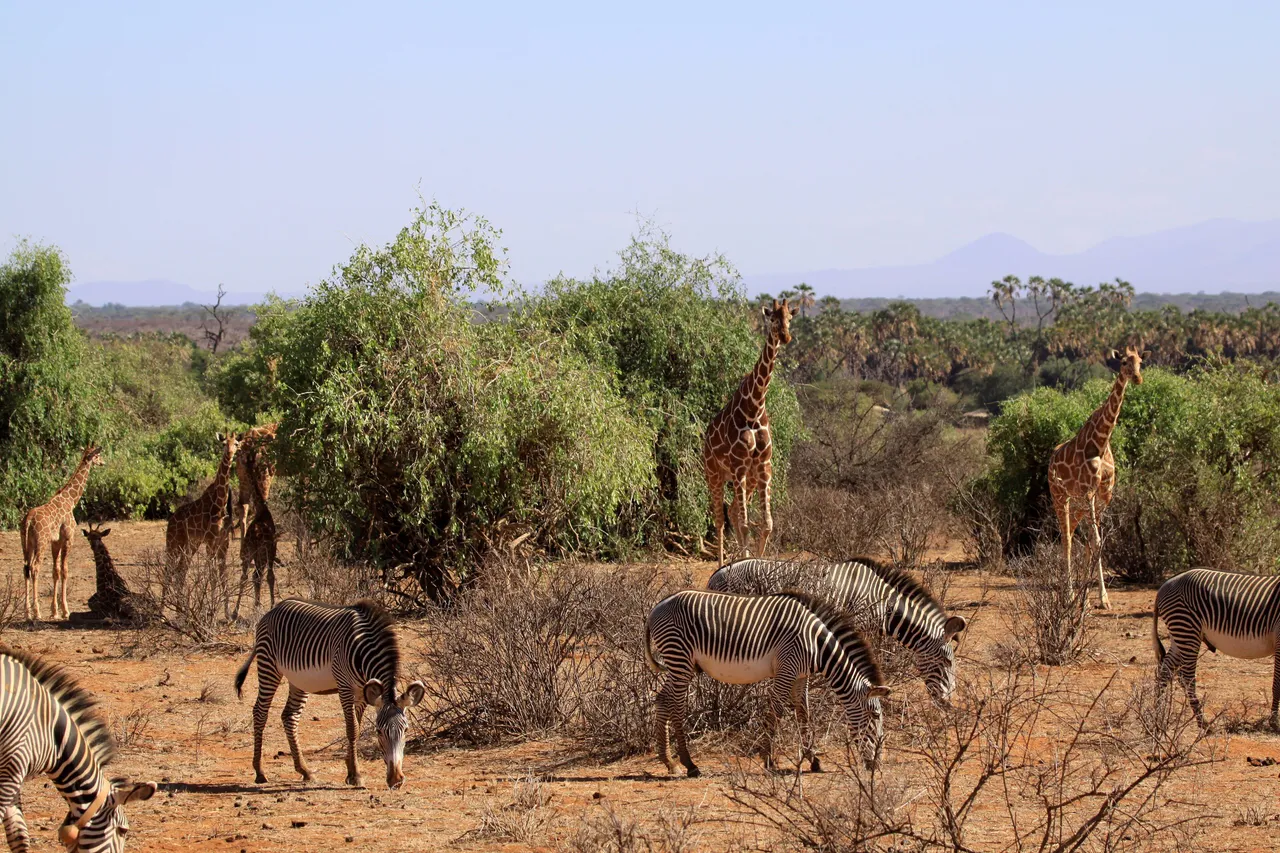
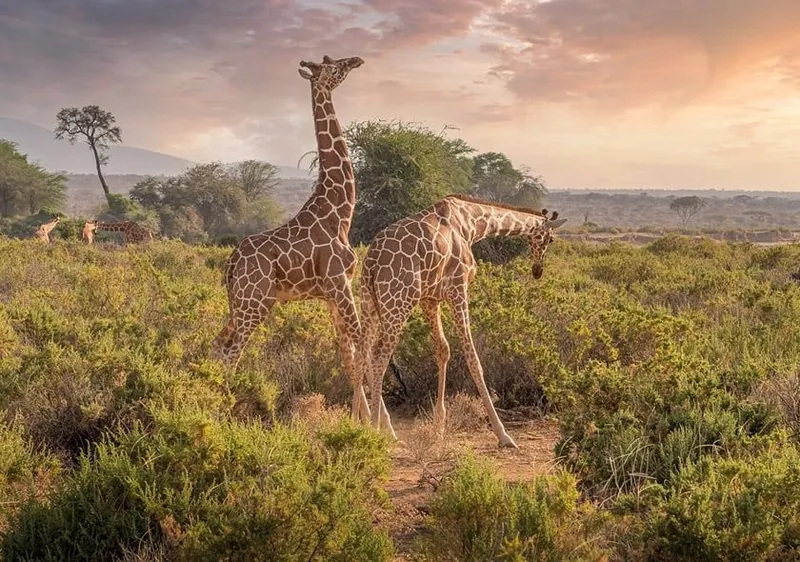
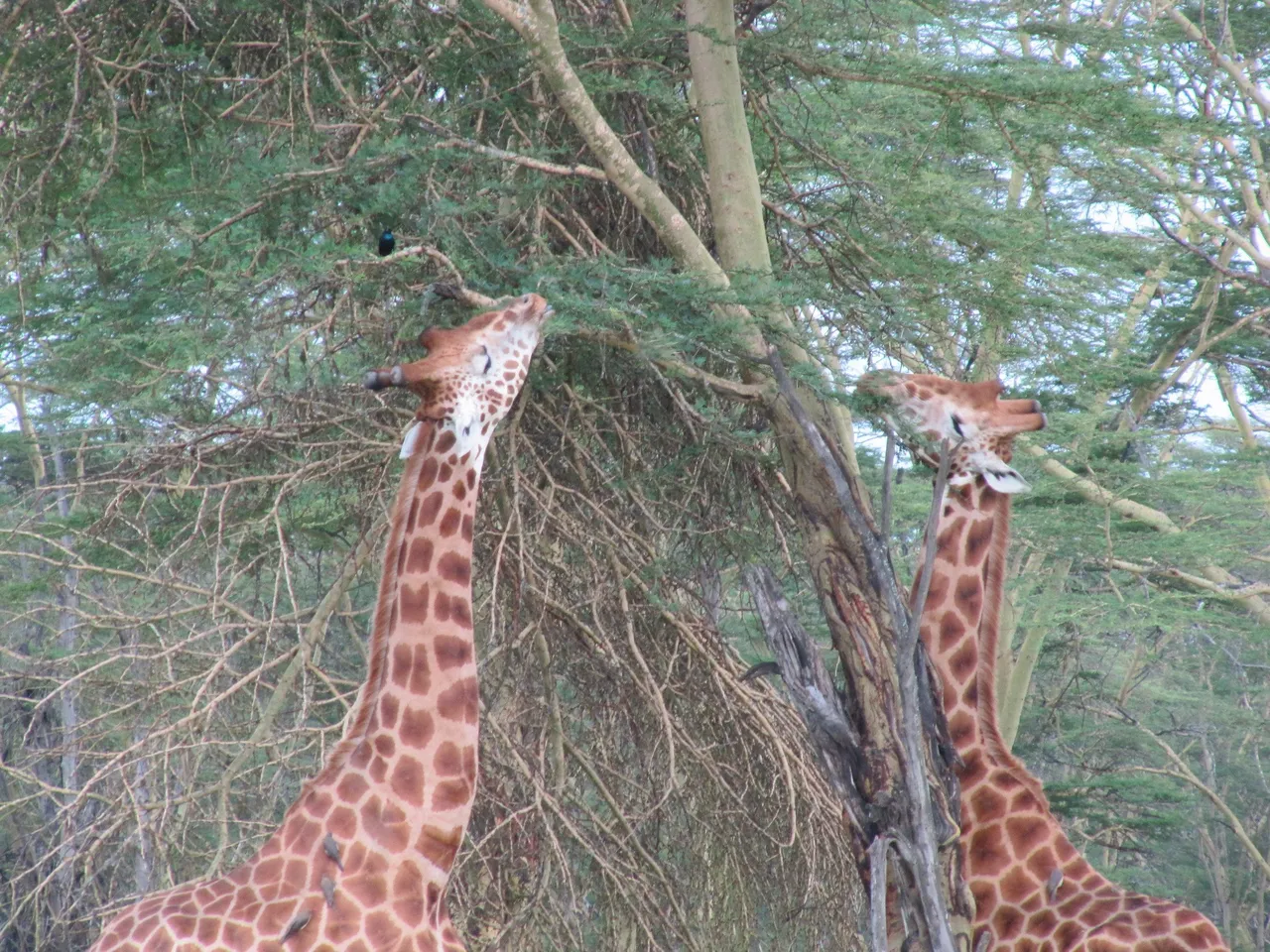
02Giraffa camelopardalis rothschildi
Translocated here in 1977 from western Kenya. Recognisable by the clean white stockings below the knee.
03Phoeniconaias minor
Numbers depend on the lake’s alkalinity, which depends on its level. Some seasons hundreds of thousands. Some seasons none at all.
Every price includes park entry fees, transport and your driver-guide.
Kenya's parks are small. Almost everything that decides whether the wildlife survives happens on the land around them, and that land belongs to somebody.
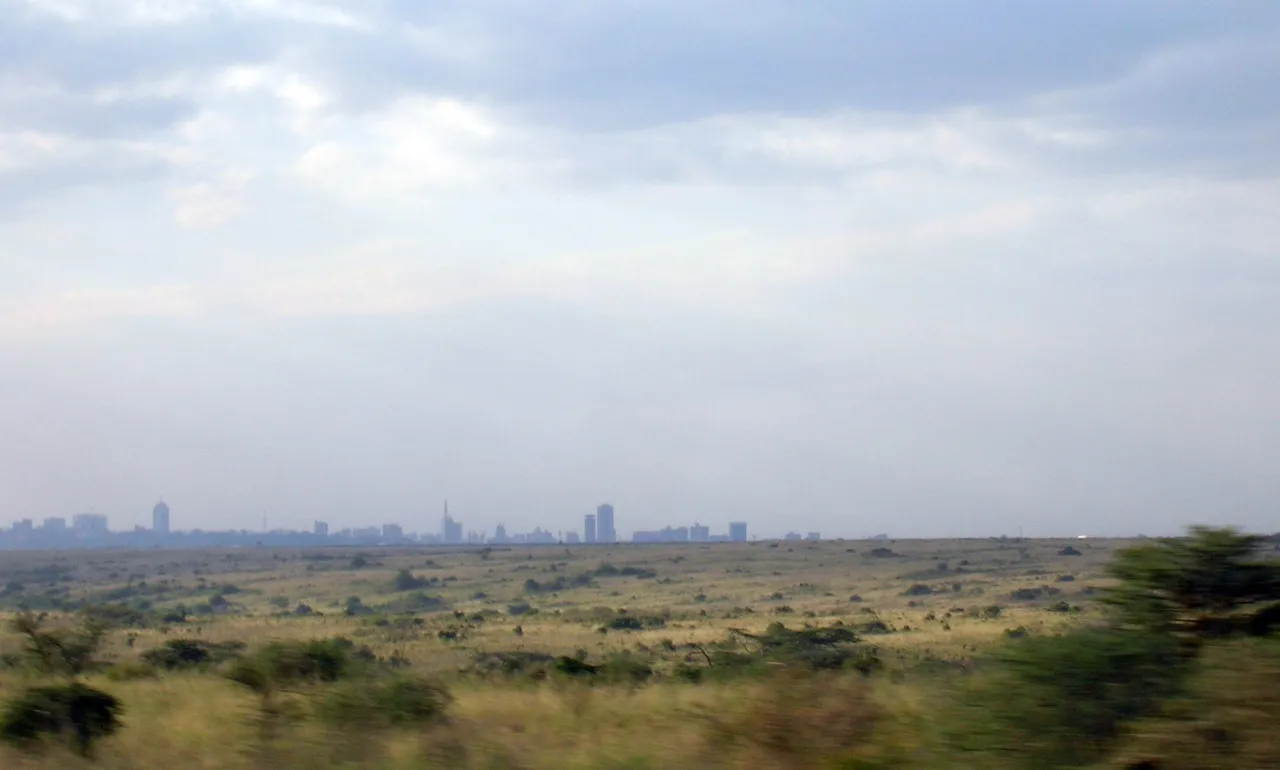
Nakuru is a working city of over 600,000 people, and the park begins at the edge of it. That proximity is the story here: this is not wilderness, it is a protected island inside an agricultural and industrial landscape.
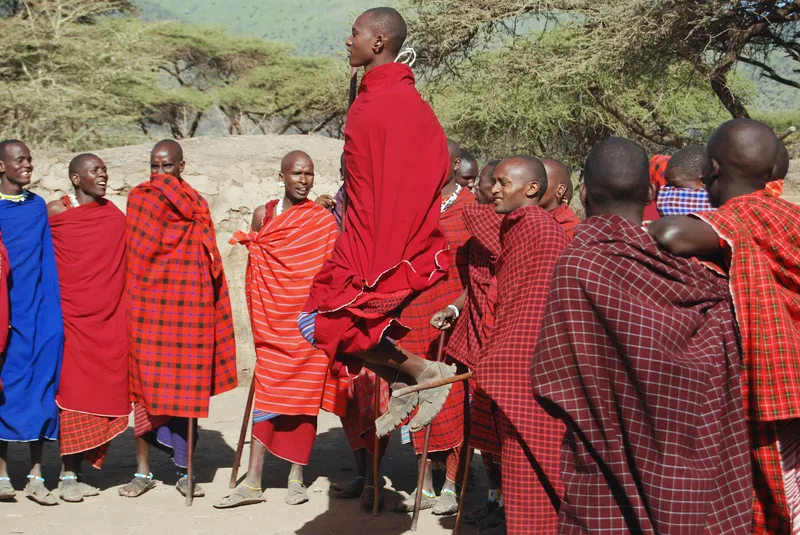
The country around it is Kikuyu and Kalenjin farmland, and the Rift Valley floor south towards Naivasha carries much of Kenya's horticulture. The lake's water quality, and therefore its flamingos, is directly affected by what happens in the catchment above it.
It is a useful corrective to the idea that Kenyan conservation happens somewhere remote.
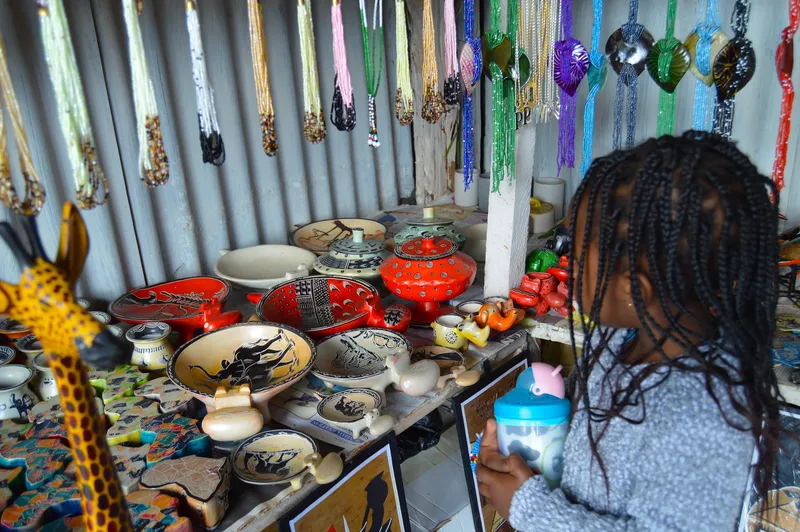
Nakuru town has a good produce and craft market, and the road between Nairobi and Naivasha is lined with roadside carving and basket stalls, most of them selling work made in the Rift Valley rather than imported.
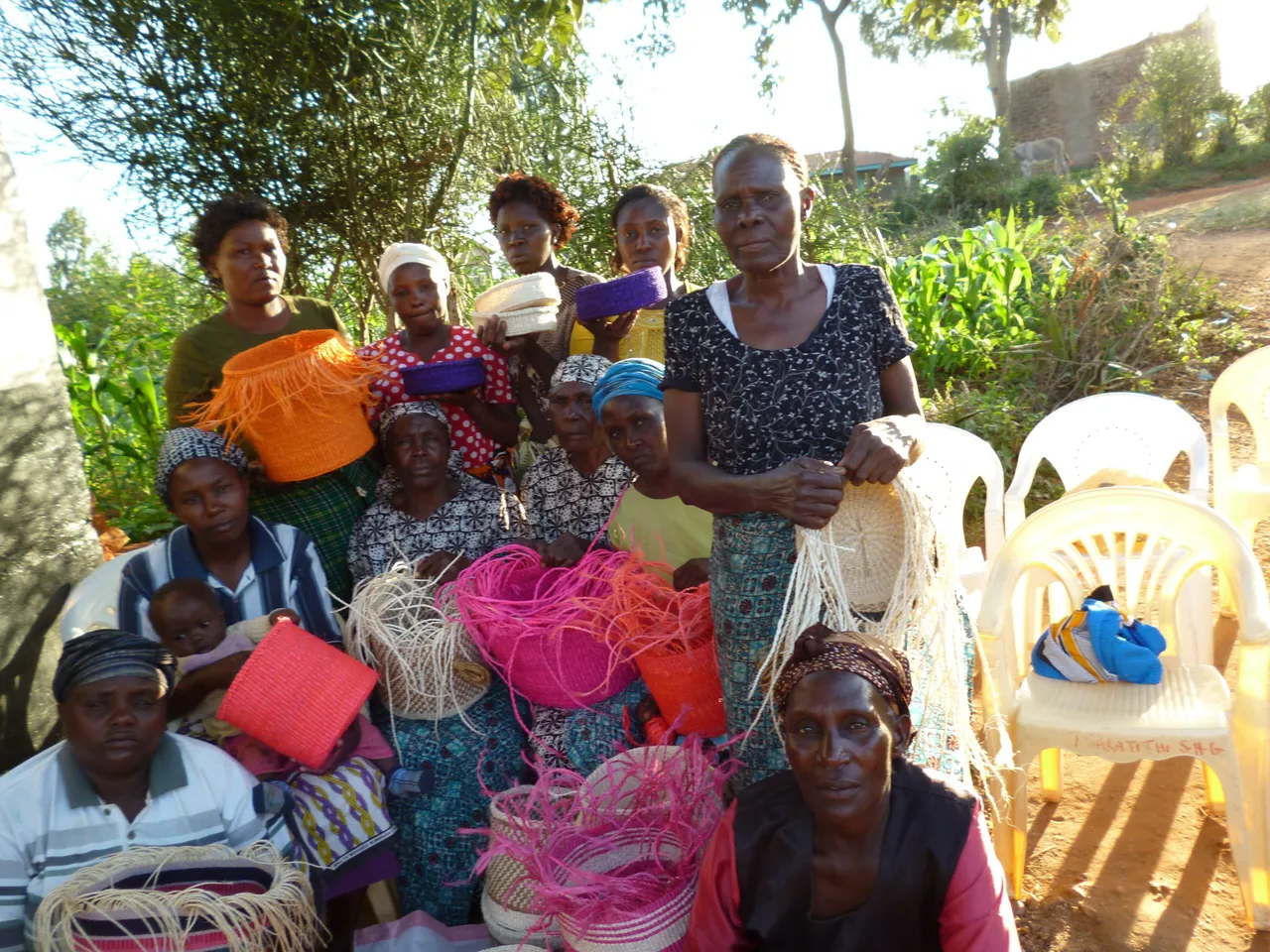
Look for kiondo baskets woven from sisal, which are made by women's groups across the central highlands and last for decades.
The viewpoint stalls on the escarpment above Naivasha are the most convenient stop, and prices there are higher for exactly that reason. Nothing wrong with paying it, but know that you are.
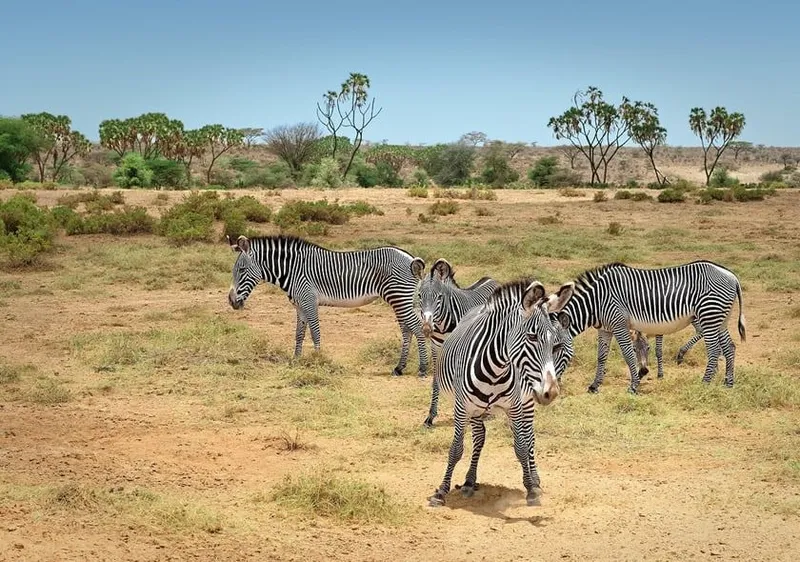
Every caption describes the photograph above it.
Every safari on this site comes as a printable itinerary with day-by-day detail, what is included, and the price. Send it to whoever you are travelling with. We will add you to a short monthly note on when to travel and what it costs, and nothing else.