 01
01Hippopotamus
Hippopotamus amphibius
Several hundred in the lake. They graze on land after dark, which is why lodges escort guests between buildings at night.

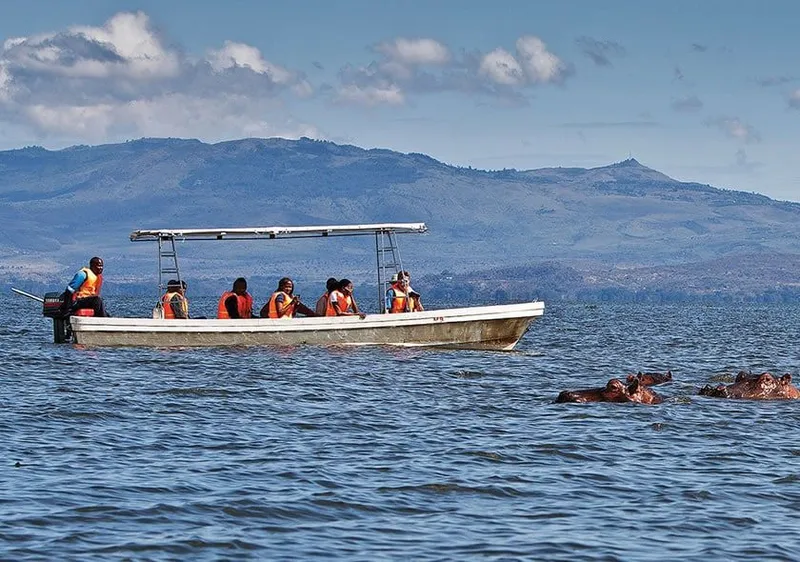
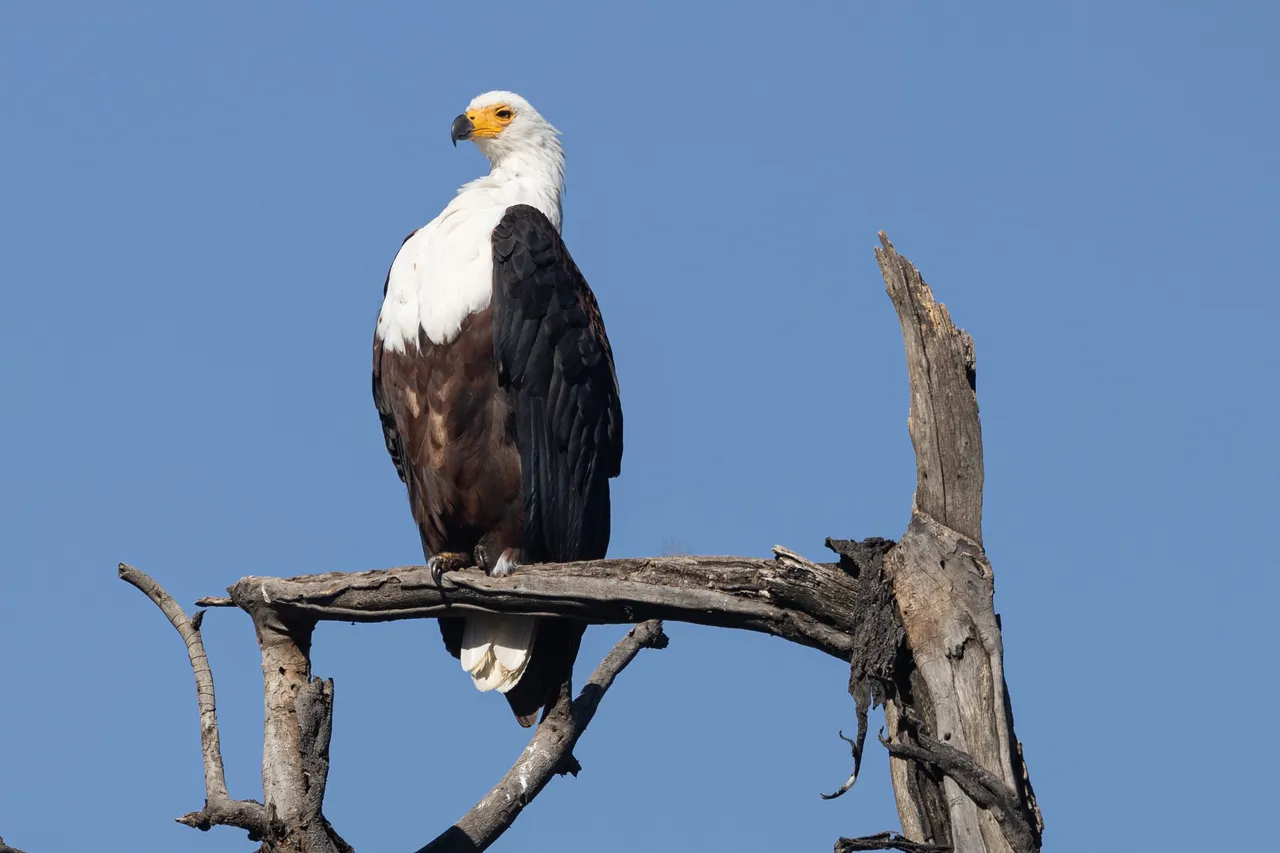
A freshwater lake on the floor of the Rift Valley, ninety minutes from Nairobi. A Lake Naivasha boat safari means hippo, fish eagles, and walking among game on Crescent Island.
A Lake Naivasha boat safari takes you out among hippo pods and fish eagles, ninety minutes from Nairobi. It is the reason most people come, and it is worth the drive on its own.
Naivasha is freshwater, which is unusual in the Rift Valley. Most of the lakes in the chain are alkaline. That is what makes it the agricultural centre of the region, and the reason Kenya’s cut-flower industry sits on its shore.
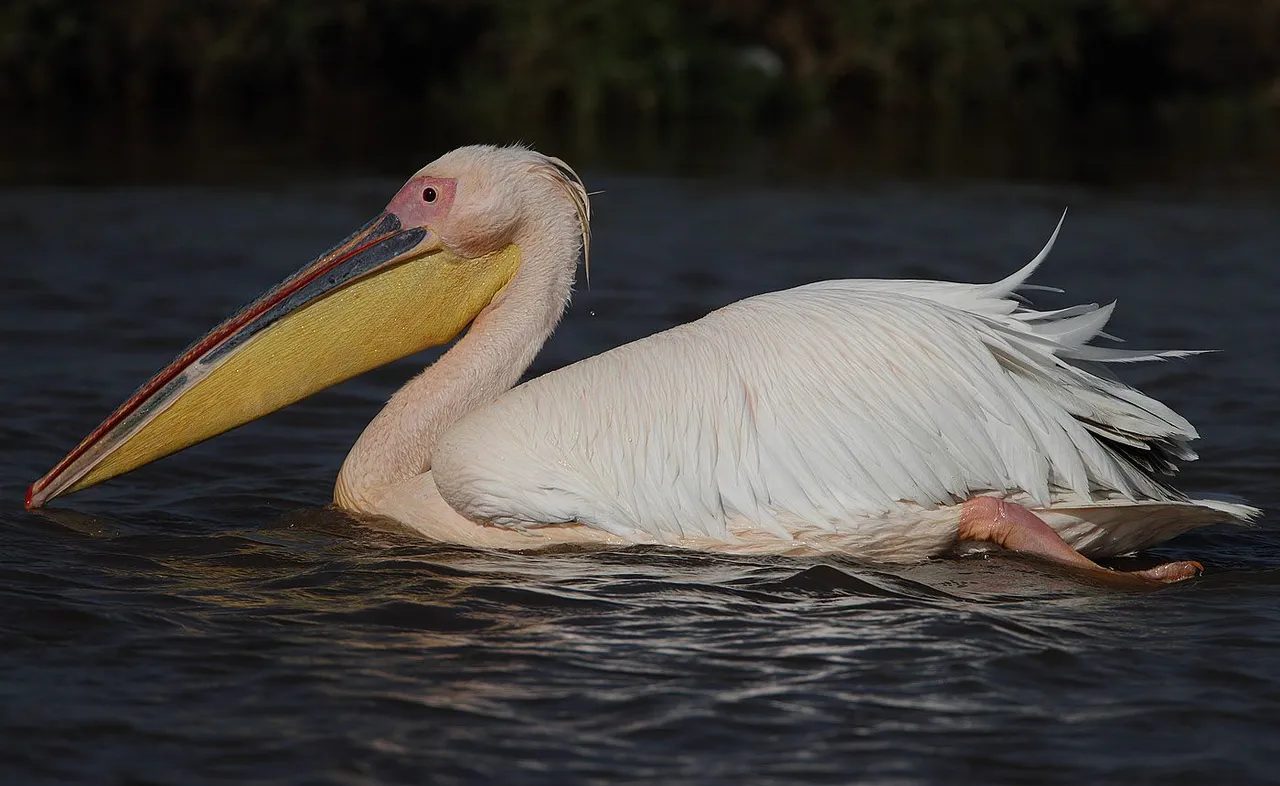
You go out in a small open boat, close to the water. Hippo surface in pods a short distance off. The guides will whistle a fish eagle down for a fish, which is theatre, but good theatre.
Early morning and late afternoon are best. The wind gets up in the middle of the day and the lake turns choppy.
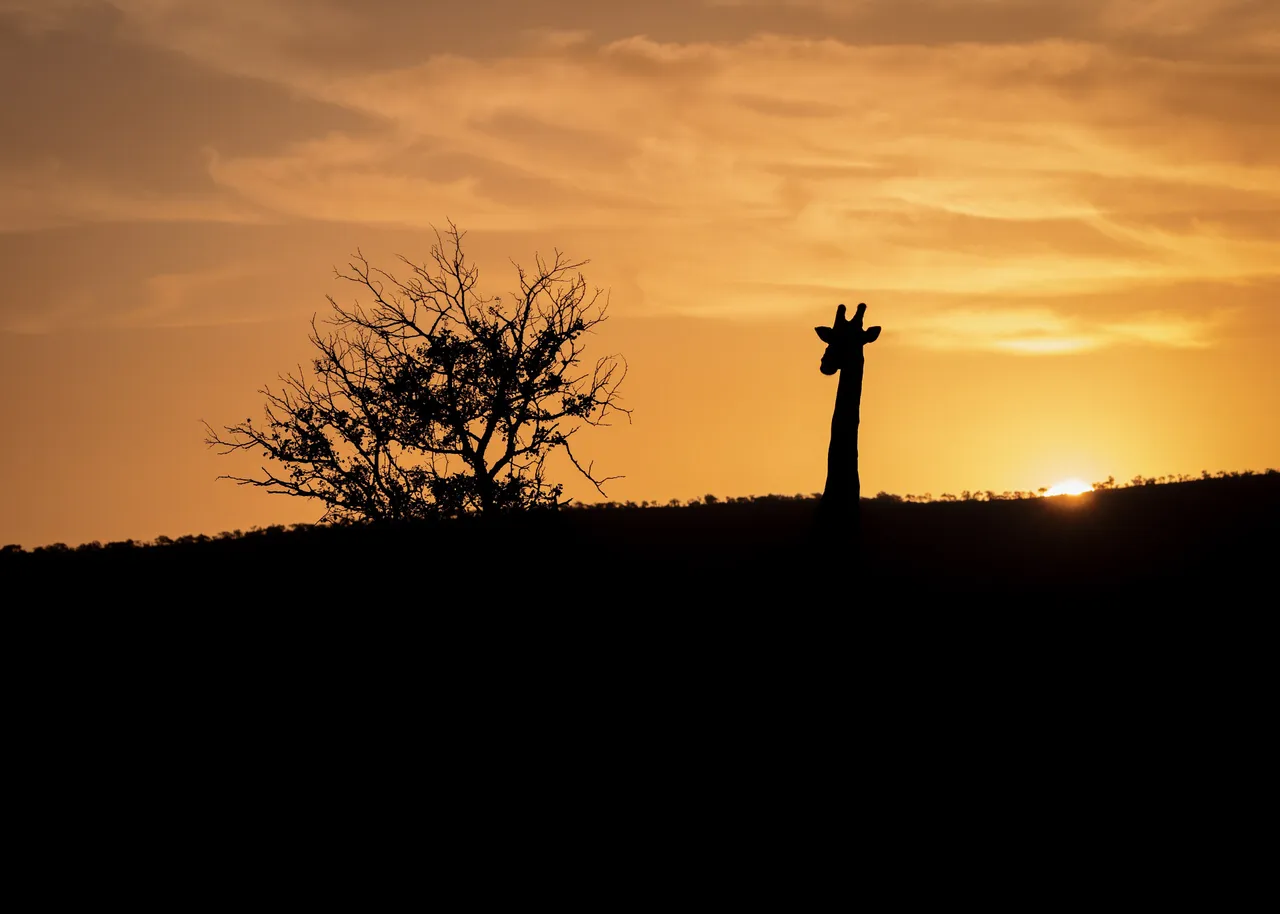
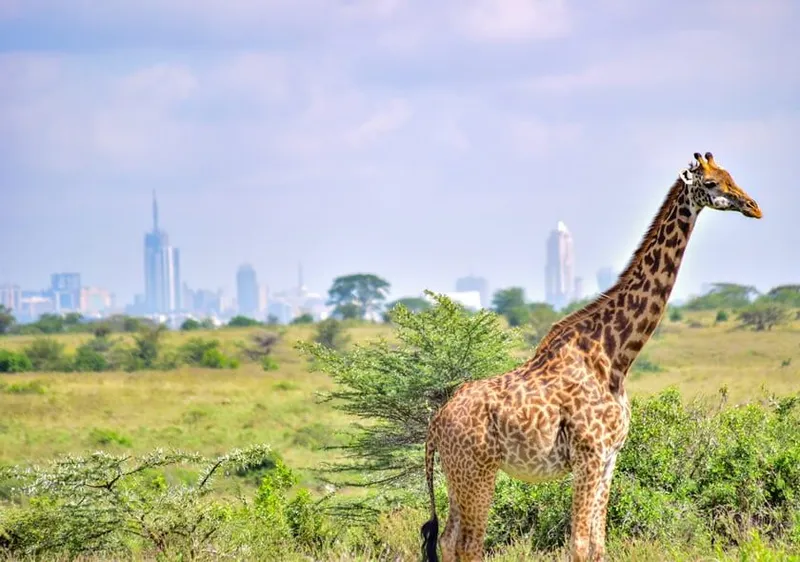
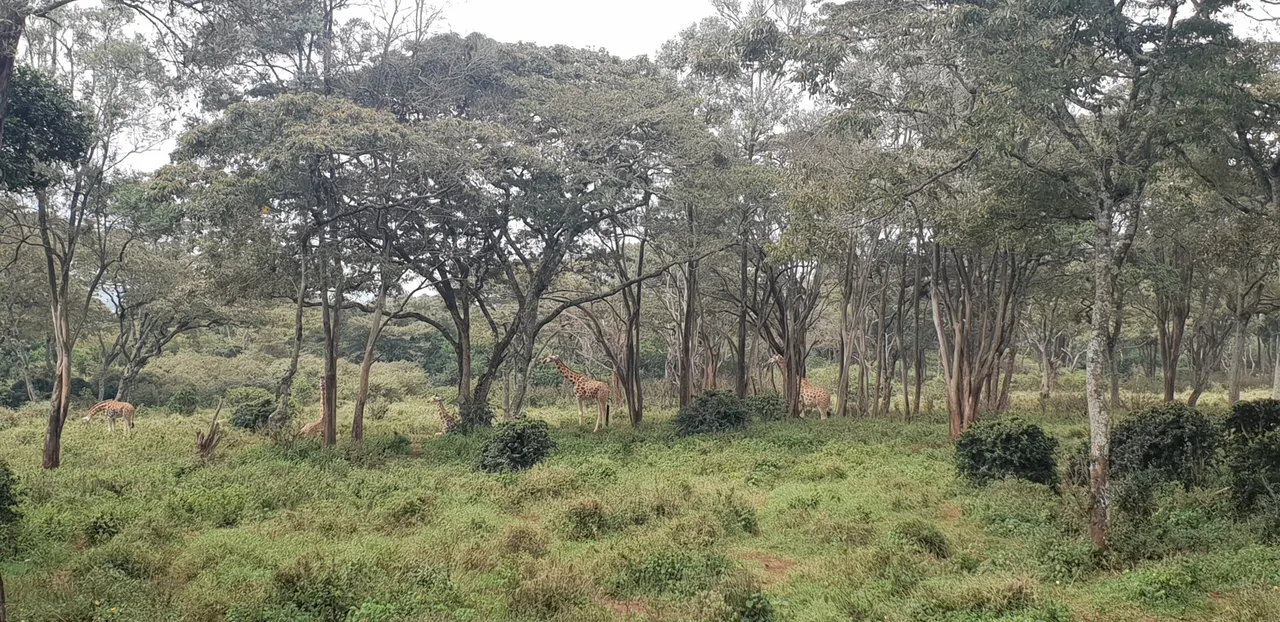
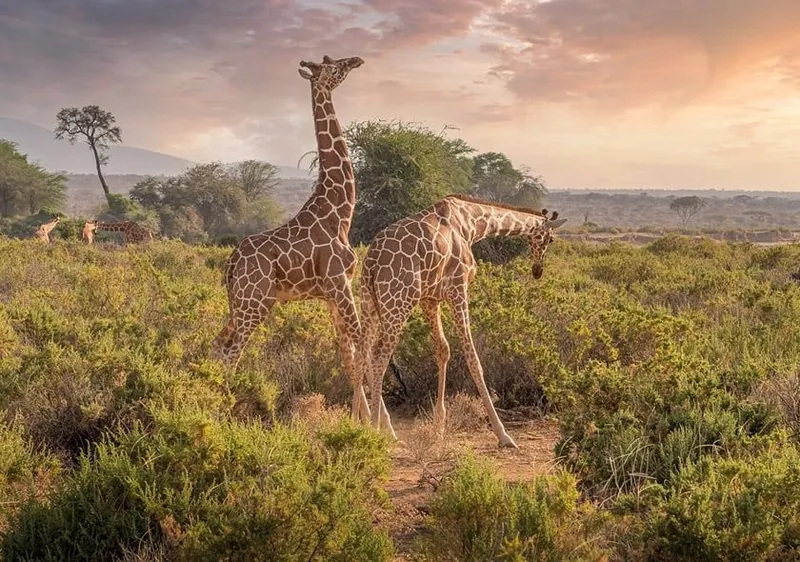
A peninsula rather than an island for most of the last decade. It carries no predators, so you walk among giraffe, zebra, wildebeest and eland on foot.
It is one of very few places in Kenya where that is possible, and being at eye level with a giraffe is a different order of experience from photographing one through a roof hatch.
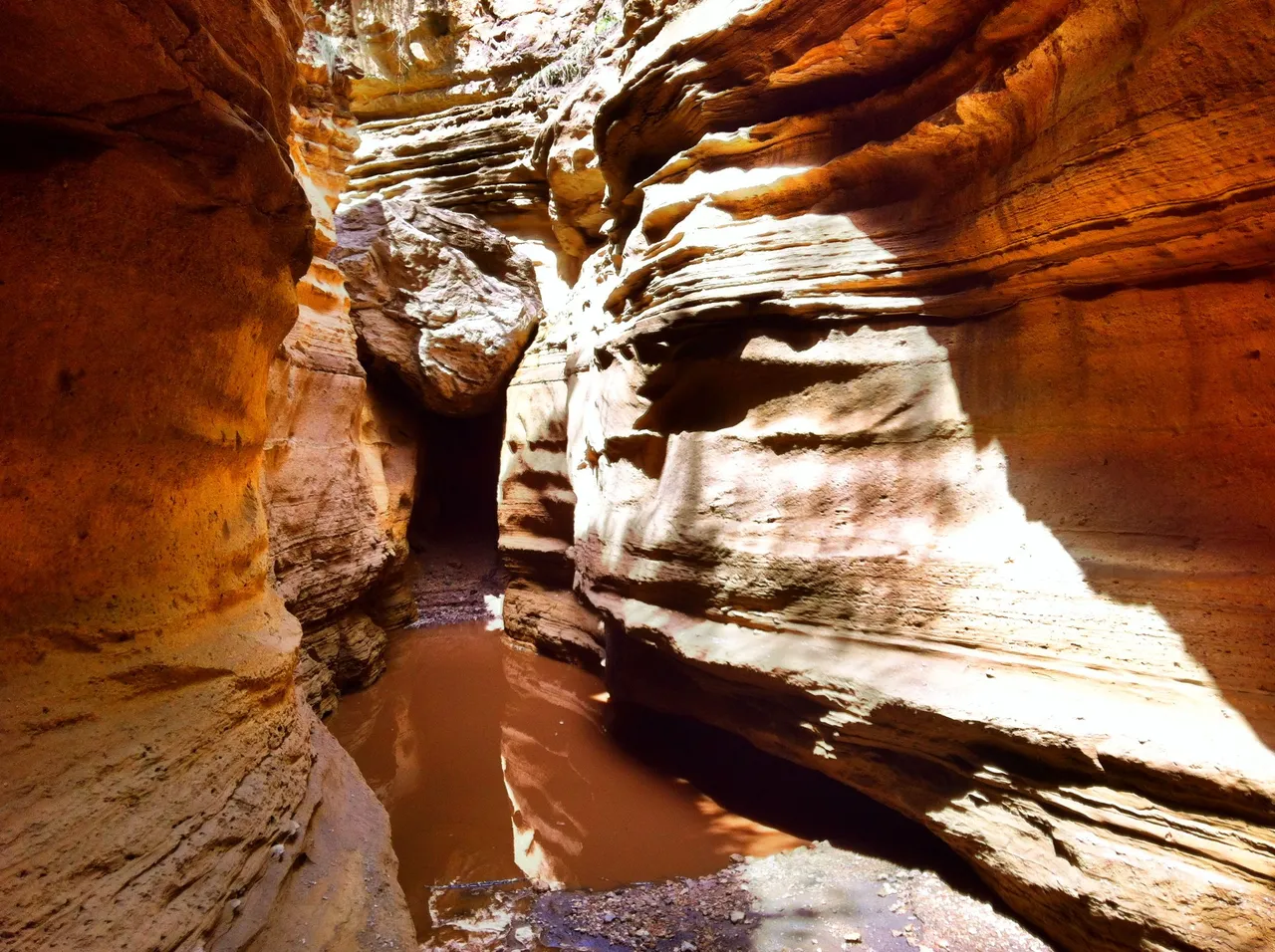
Twenty minutes away, and it can be cycled through a gorge between red cliffs. There is very little dangerous game, which is why bicycles are allowed at all. It is a genuinely different way to spend a Kenyan day.
They employ tens of thousands of people and are the reason the lakeshore looks the way it does. Water abstraction is a real and contested issue here. Anyone who tells you otherwise is simplifying.
Our day trip covers the boat and the island, with lunch on the lakeshore. Lake Nakuru is an hour further if you have a night to spare.
Most people come for a day. A night lets you do the boat at first light, when the water is flat and the birds are loudest, and it turns a rushed trip into an easy one.
Wear closed shoes for Crescent Island. The ground is uneven and there are thorns. Hippo come out of the water to graze after dark, so take the lodge staff seriously when they tell you not to walk between buildings unescorted at night. More people are killed by hippo in Kenya than by lion.
Hell’s Gate and the wider Rift Valley lakes system are administered by the Kenya Wildlife Service.
Gazetted in 1995. What it was created to protect, and what threatens it now.
Naivasha is not a national park. The lake and its fringing papyrus were designated a Ramsar wetland of international importance in 1995, and Hell's Gate National Park next door was gazetted in 1984.
The lake is freshwater and has no surface outlet, which is unusual and not fully explained, the working theory is underground seepage.
Its problems are all about water. The flower farms on the shore employ tens of thousands of people and are a major export earner, and they also abstract water and have historically returned nutrients to the lake. Water hyacinth, fertiliser runoff and a lake level that has swung by metres in a decade are the live issues. The Lake Naivasha Riparian Association and the growers now co-manage abstraction, with real but partial success.
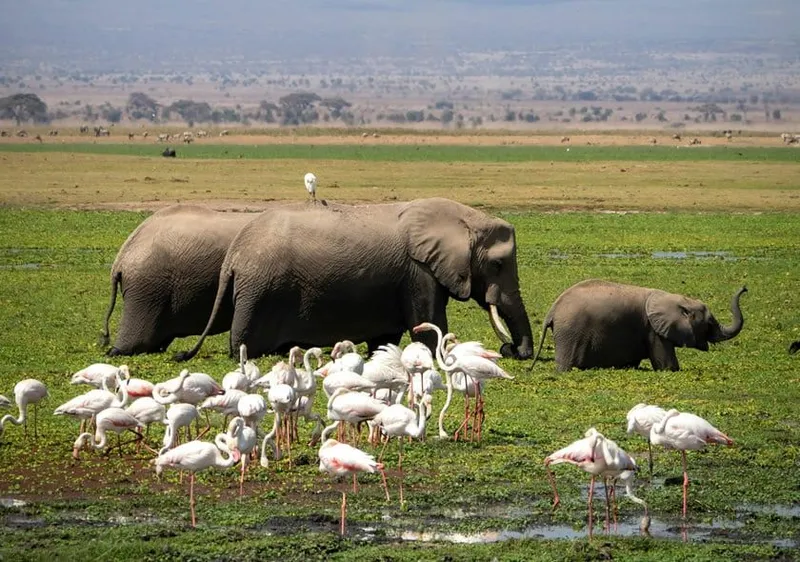
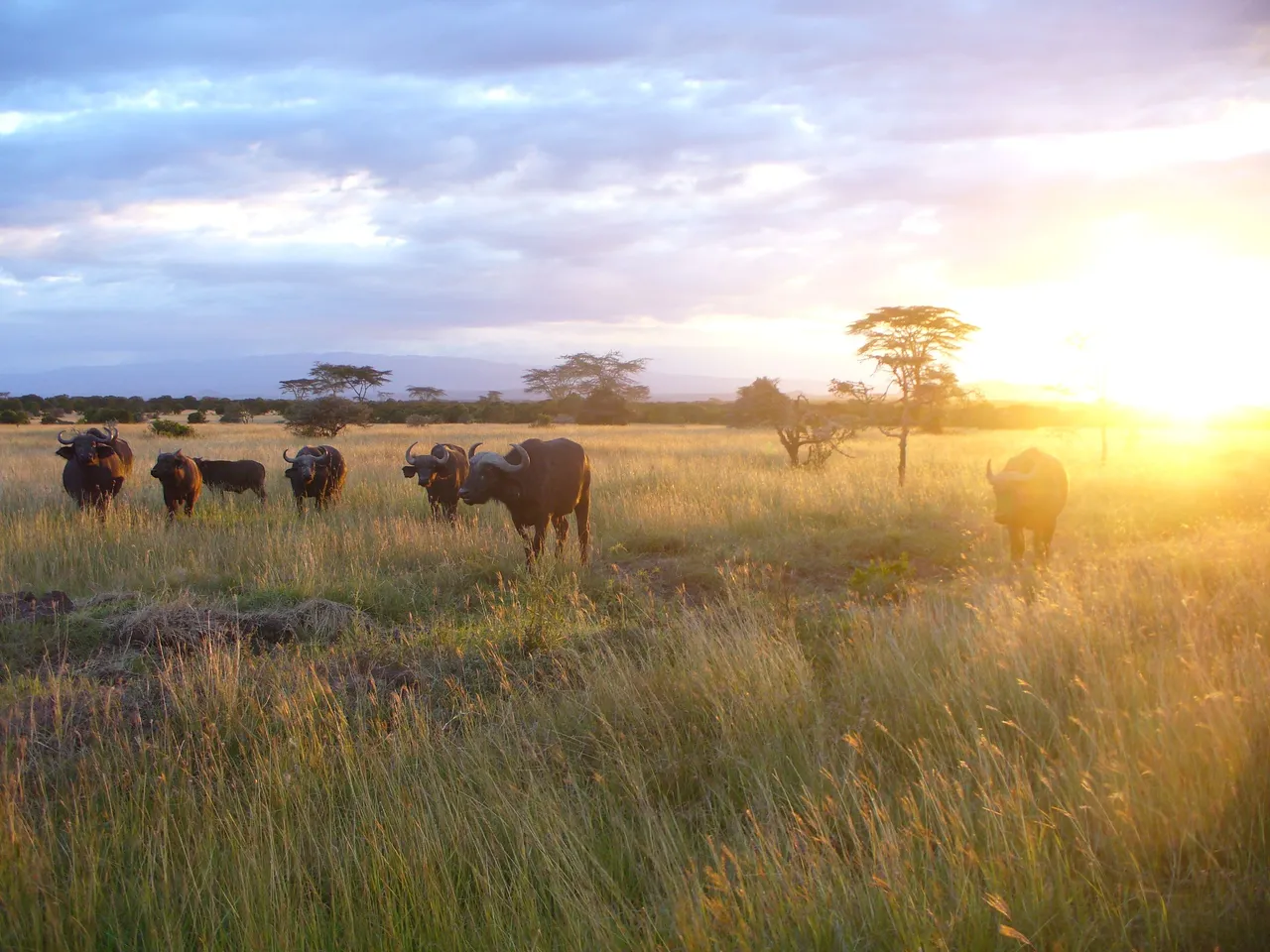
The species this place is genuinely known for, not a big five checklist that would fit any park in Kenya.
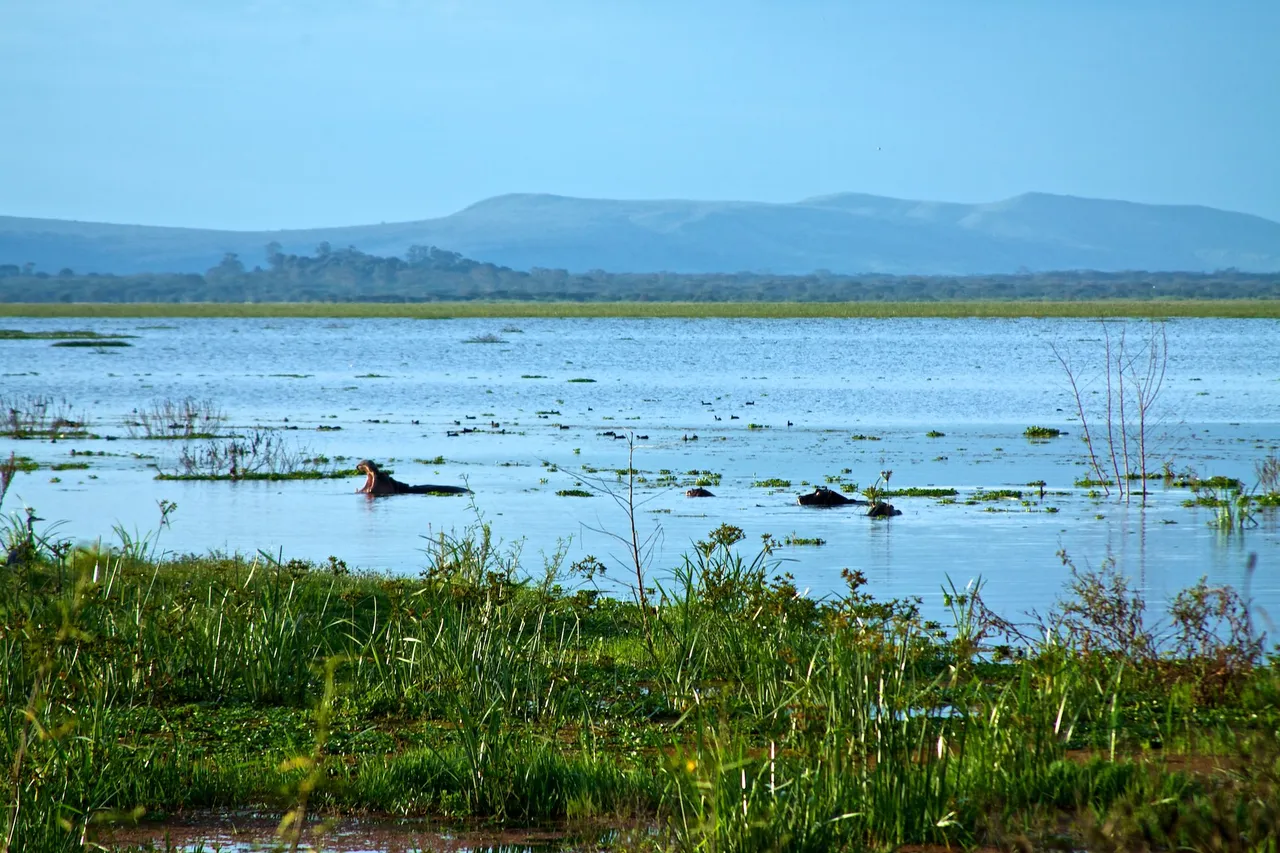
01Hippopotamus amphibius
Several hundred in the lake. They graze on land after dark, which is why lodges escort guests between buildings at night.
02Icthyophaga vocifer
The call most people associate with Africa. Naivasha holds one of the densest populations anywhere, and the boat guides know the pairs individually.
 03
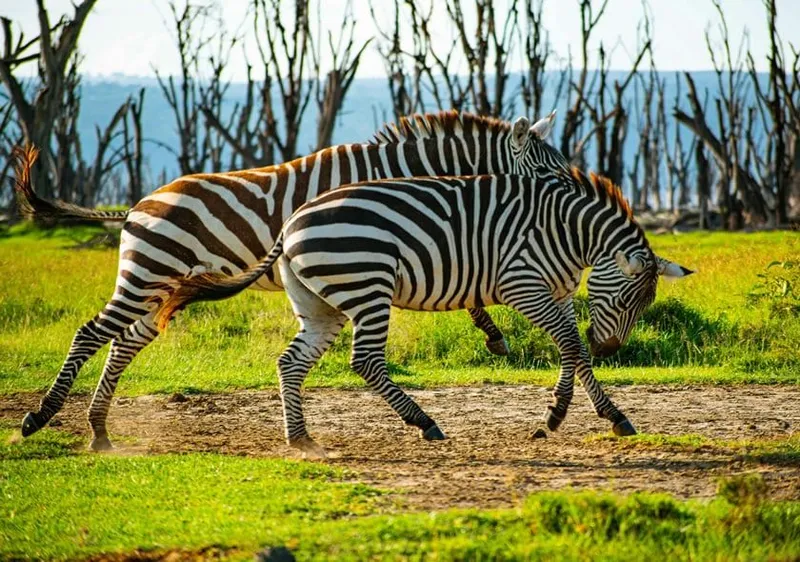
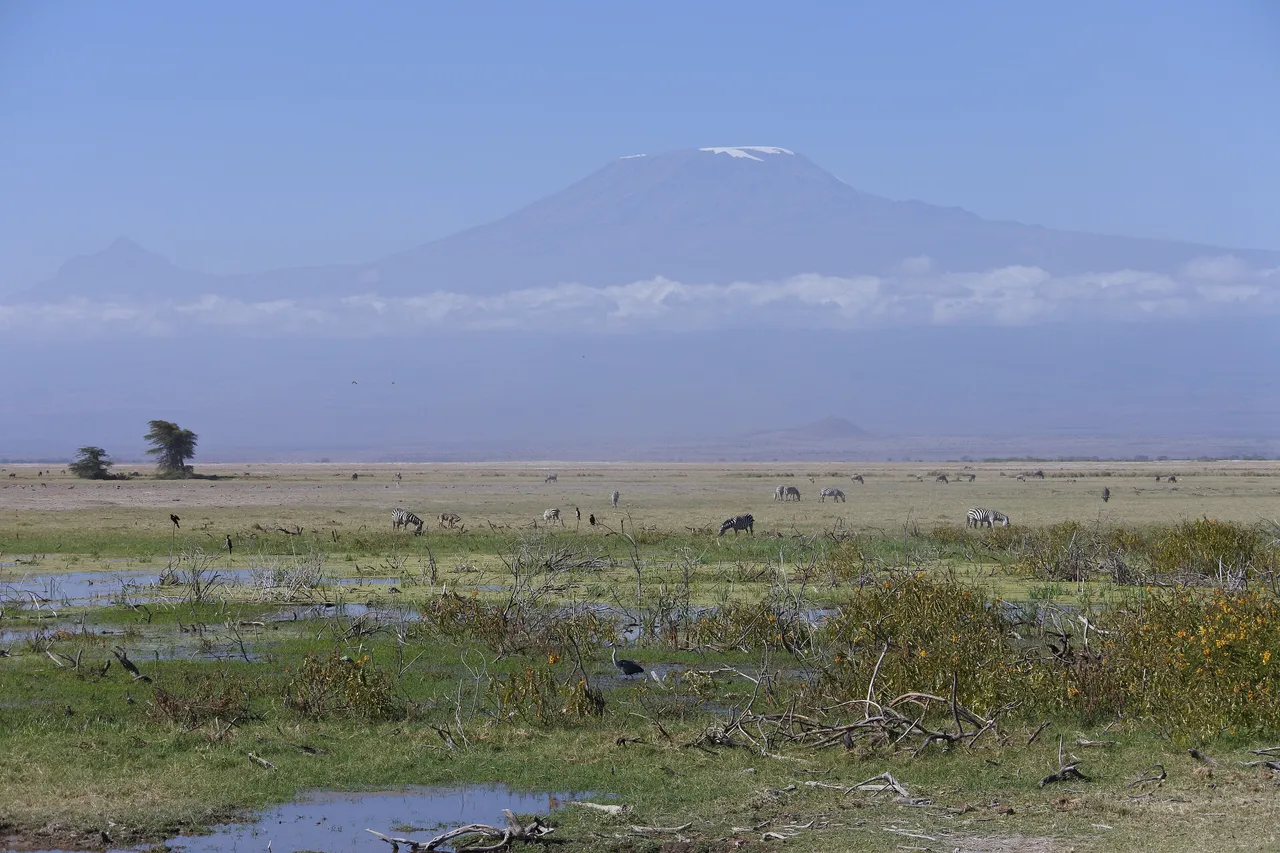
03Equus quagga
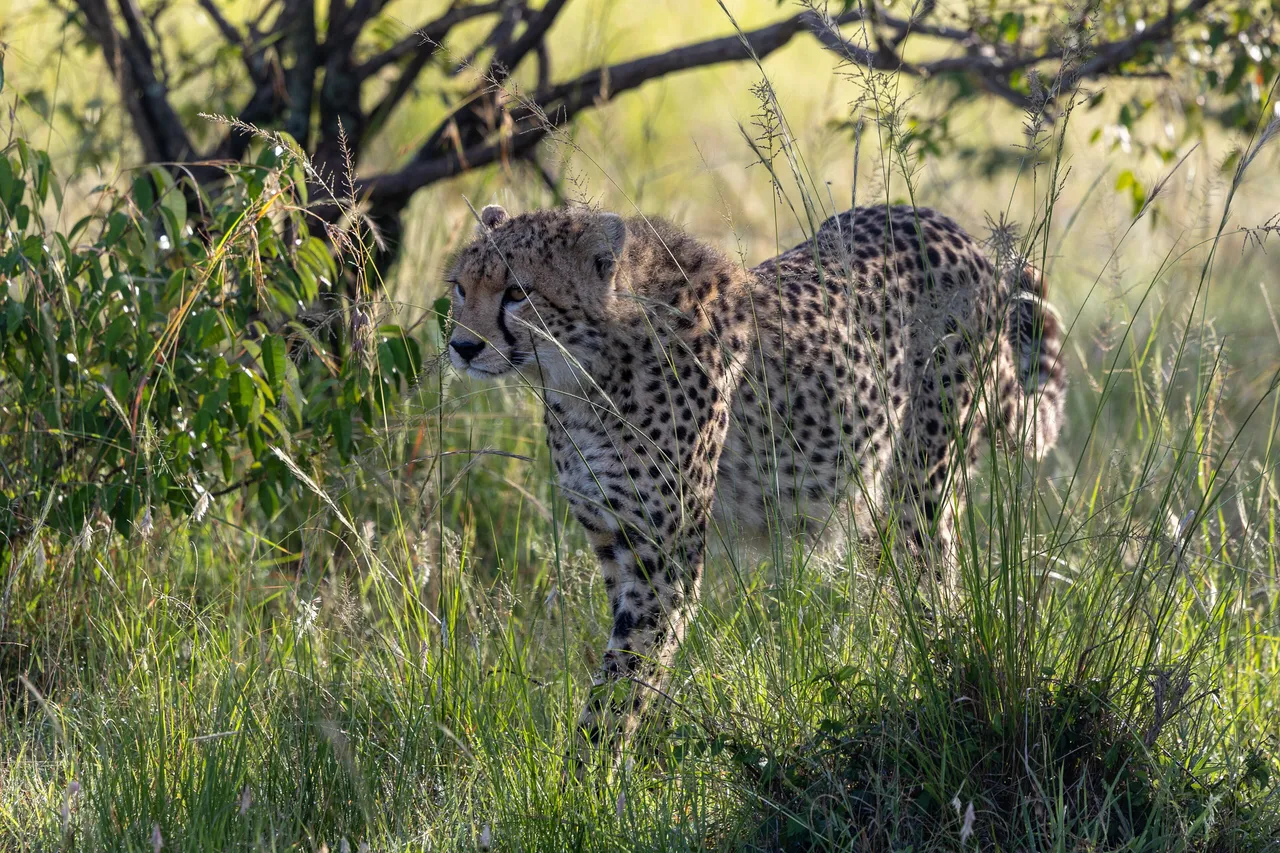
Crescent Island carries no predators, so zebra, giraffe, wildebeest and eland can be walked among on foot.
Every price includes park entry fees, transport and your driver-guide.
Kenya's parks are small. Almost everything that decides whether the wildlife survives happens on the land around them, and that land belongs to somebody.
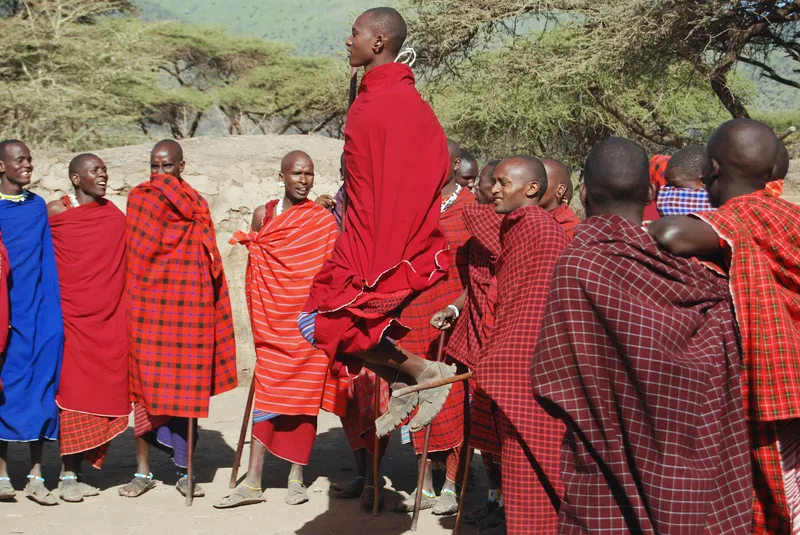
Naivasha's story is agricultural rather than pastoral. The lakeshore was settled by British farmers in the early twentieth century. This was the heart of the Happy Valley set, and became Kenya's horticultural centre after independence.
Around 40,000 people work in the flower farms, many of them migrants from western Kenya, and the town has grown around that industry.
It is an honest place to think about what conservation costs and who pays for it. The lake supports an industry that supports a town, and the same abstraction that waters the roses is what lowers the lake.
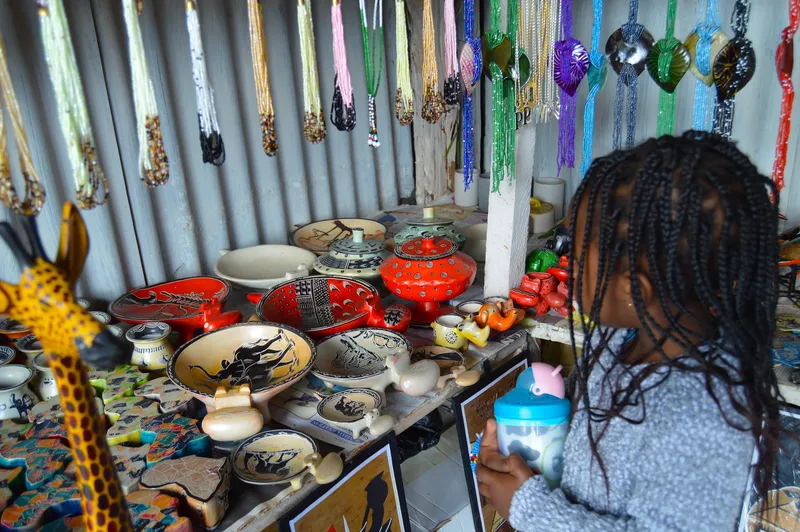
The escarpment viewpoints on the old Naivasha road are lined with curio stalls, and they are convenient rather than cheap. Elsamere, the former home of Joy and George Adamson on the lake's southern shore, has a small fixed-price shop and a conservation centre worth the hour.
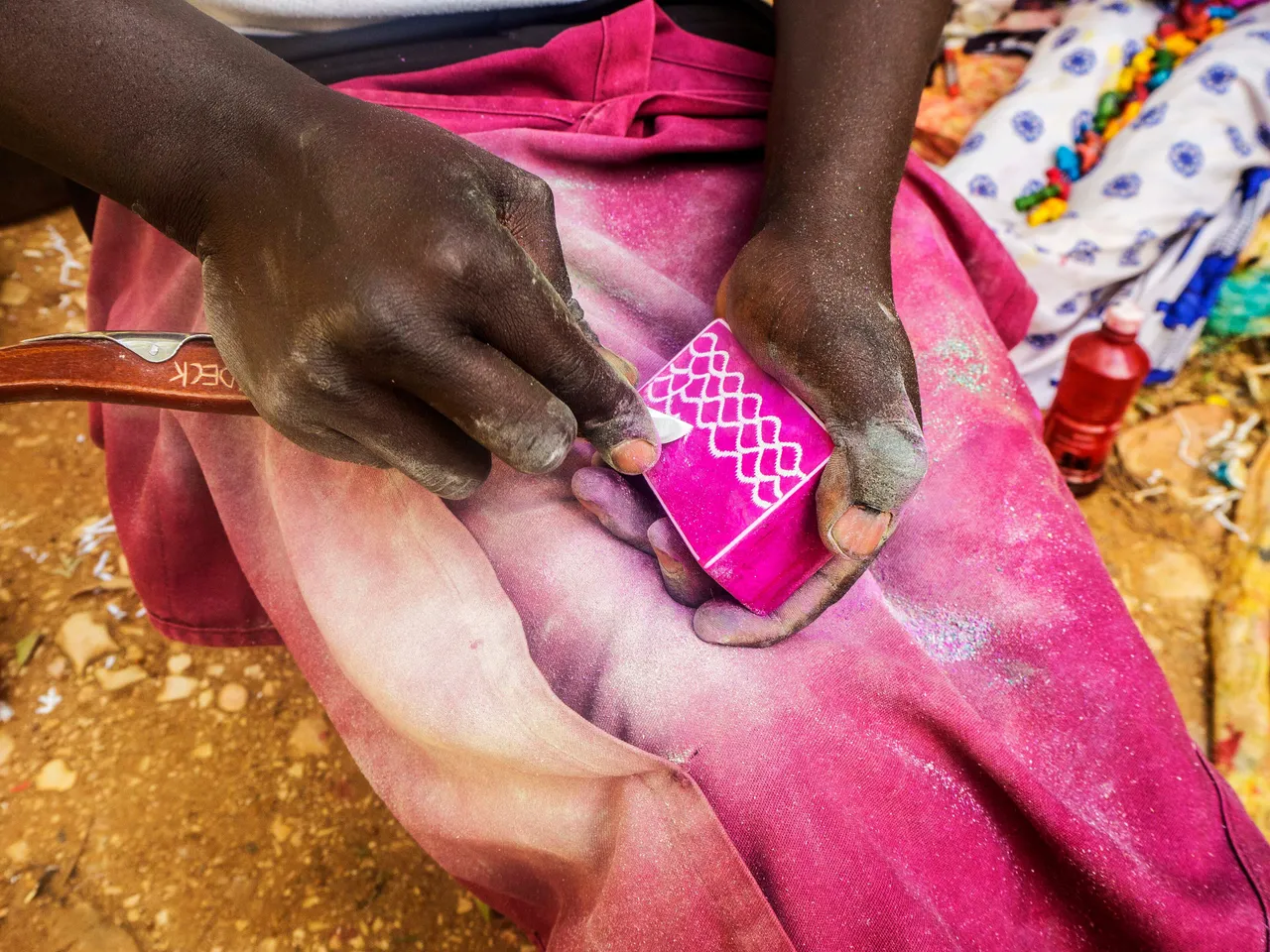
The genuinely local buy is soapstone from Tabaka in Kisii, a few hours west, bowls, chess sets and animal figures carved and polished by hand, sold all along this road.
Check a soapstone piece for hairline cracks before buying. It is a soft stone and it travels badly if it is already flawed.
Every caption describes the photograph above it.
Every safari on this site comes as a printable itinerary with day-by-day detail, what is included, and the price. Send it to whoever you are travelling with. We will add you to a short monthly note on when to travel and what it costs, and nothing else.