 01
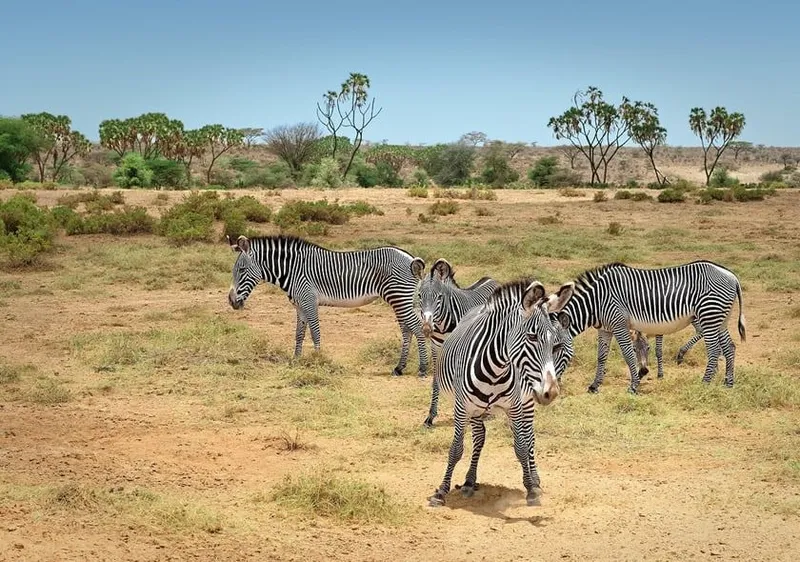
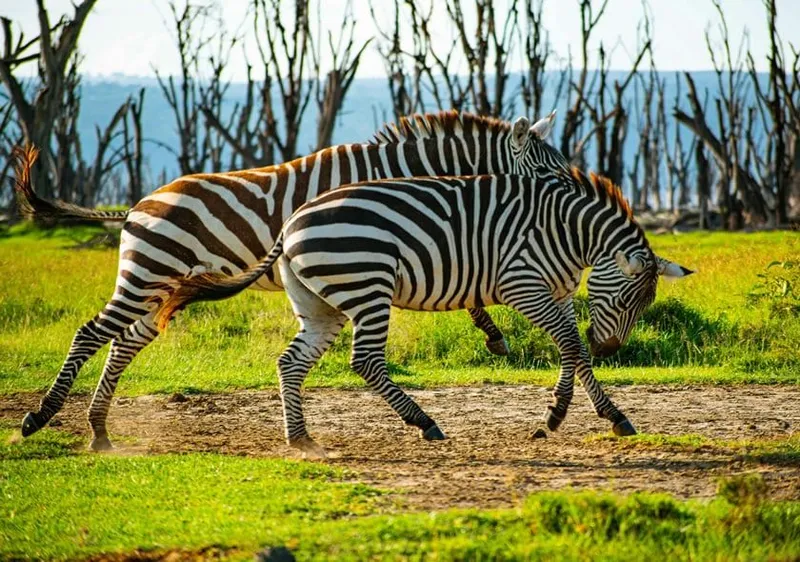
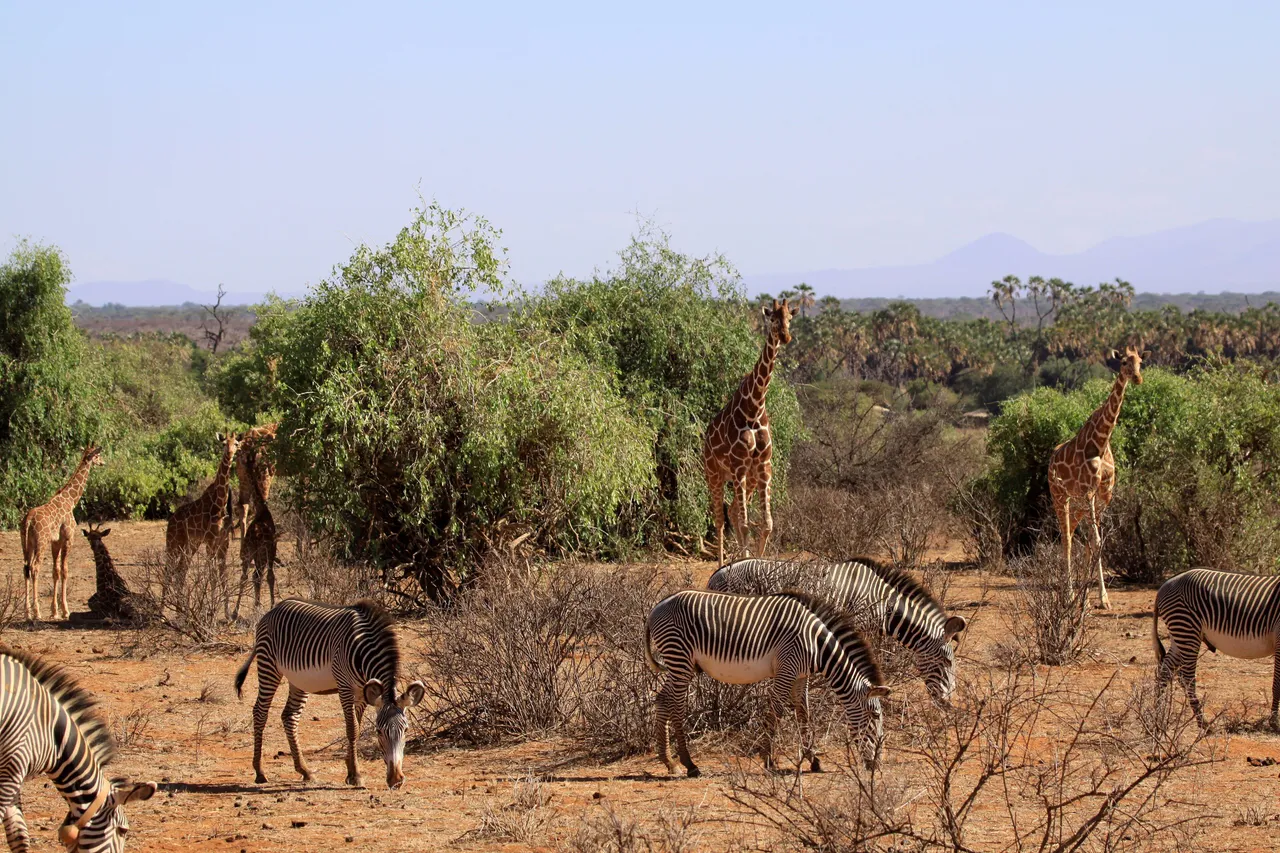
01Grevy's zebra
Equus grevyi
Endangered, and larger and narrower-striped than the common plains zebra. Most of the world’s remaining population lives in northern Kenya.

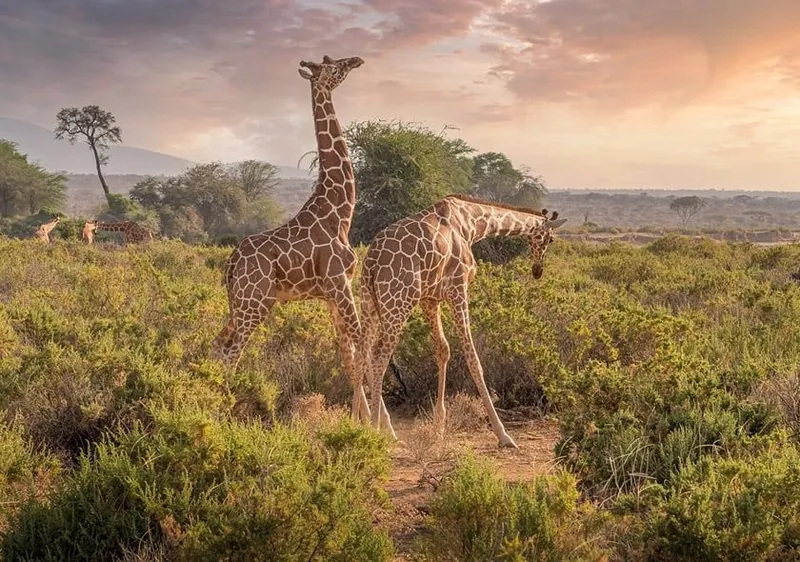
Semi-arid country north of Mount Kenya, along the Ewaso Ng’iro river. Samburu National Reserve tours show you the northern five, none of which you will see in the Mara.
Samburu National Reserve tours go north, and Samburu is a different Kenya. The country turns dry and red above Mount Kenya. Acacia gives way to doum palm along the Ewaso Ng’iro. The wildlife changes with it.
Five species here occur nowhere on the standard southern circuit. Locally they are sold as the northern five.
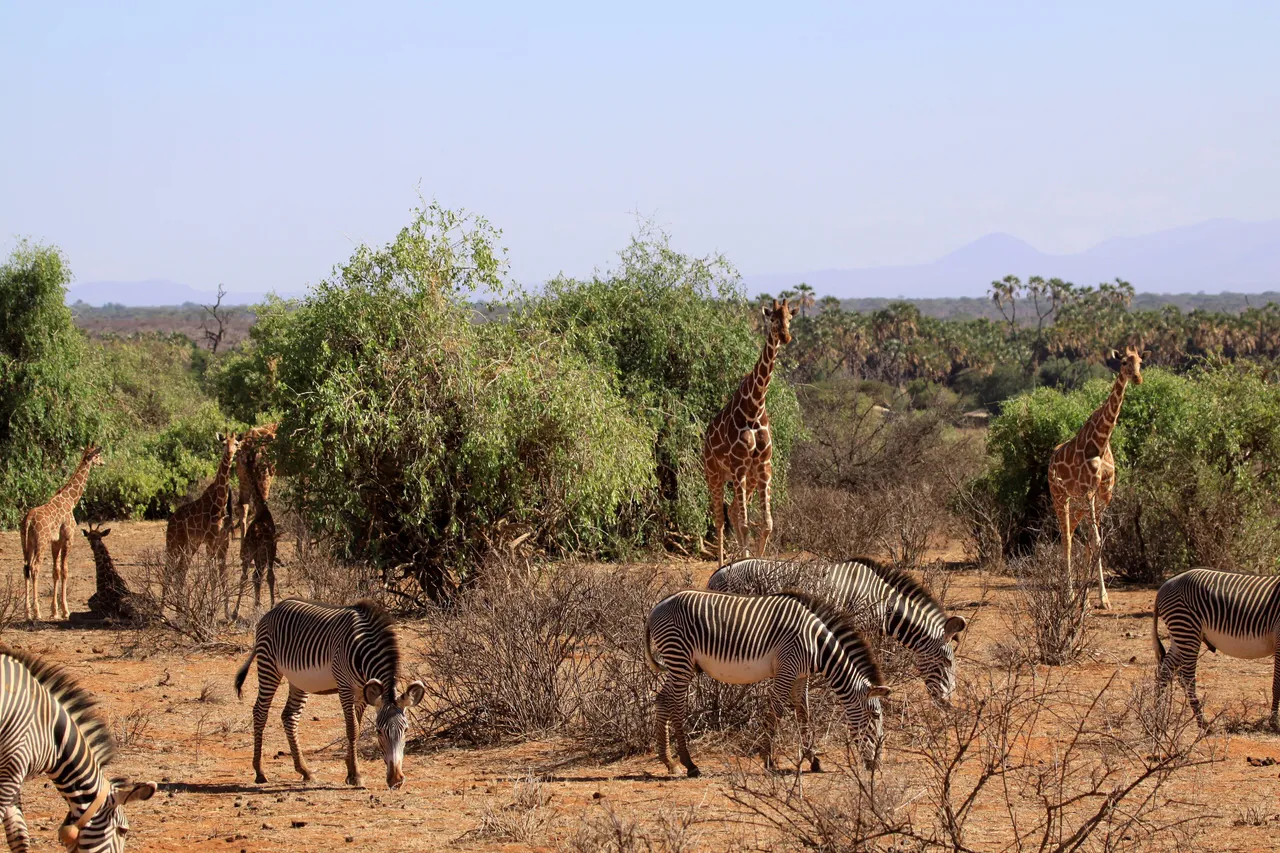
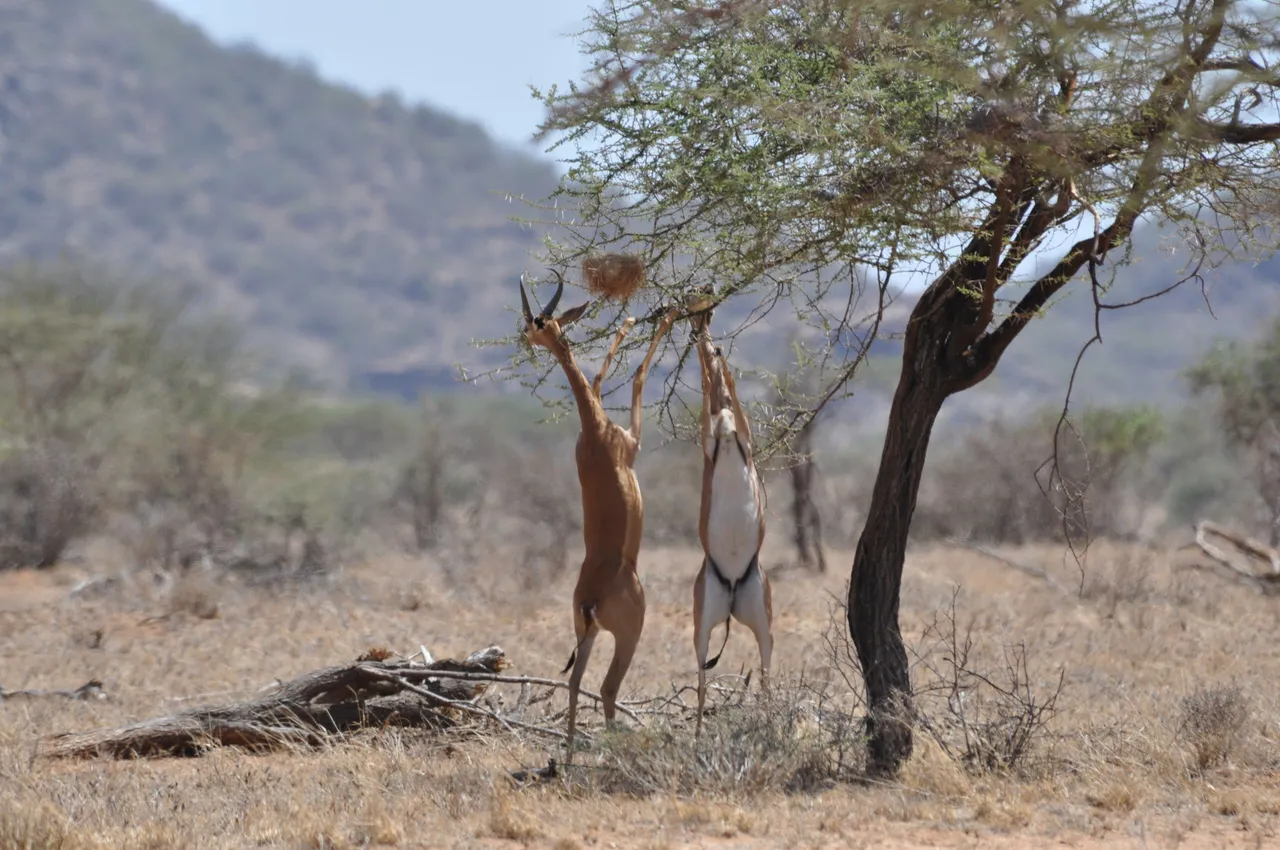
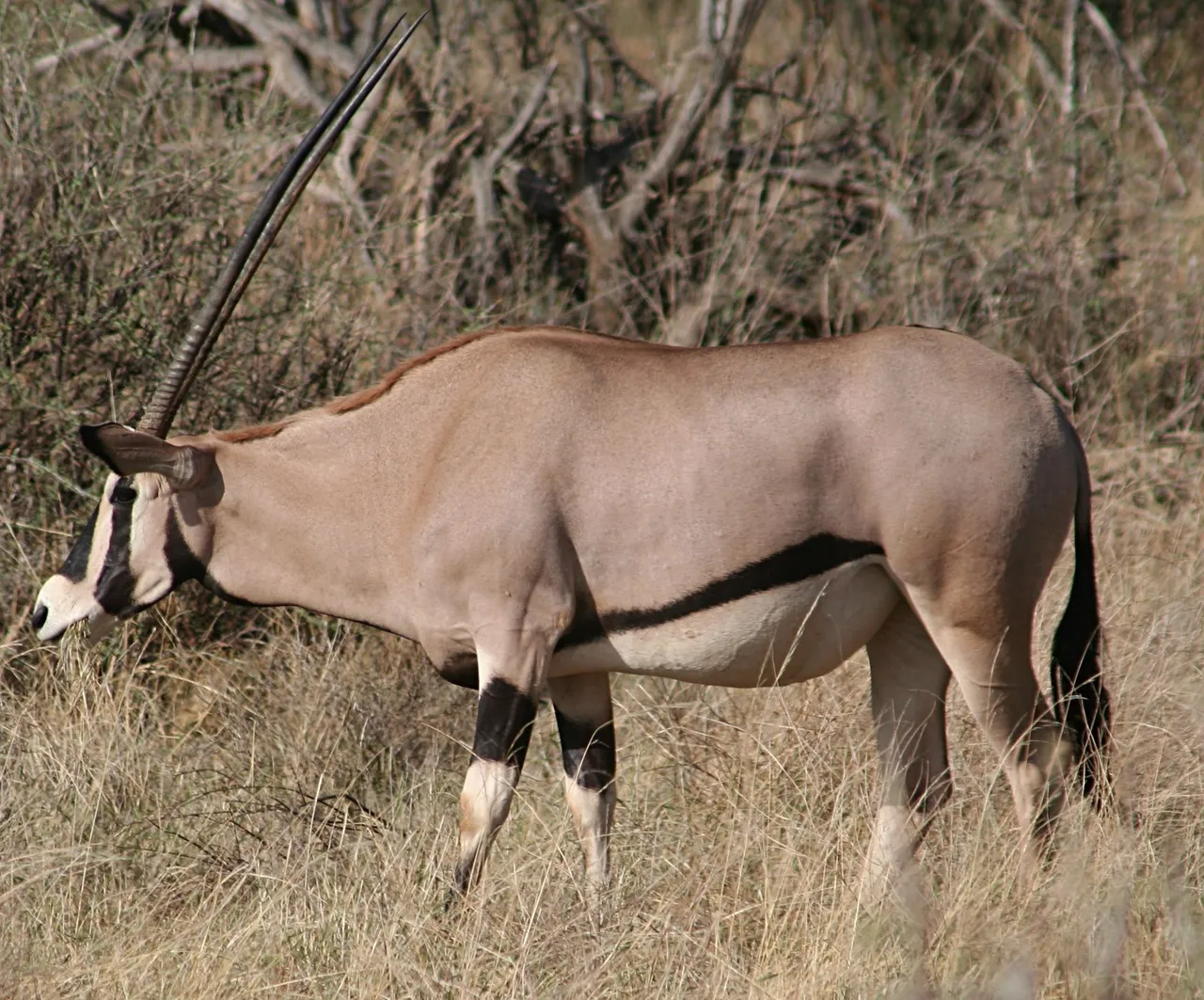
Grevy’s zebra is narrow-striped and much larger than the common plains zebra. Reticulated giraffe has the clean geometric coat. Gerenuk browses standing on its hind legs, which is a strange thing to watch for the first time. Beisa oryx is here too. So is Somali ostrich, whose legs turn blue in the breeding season.
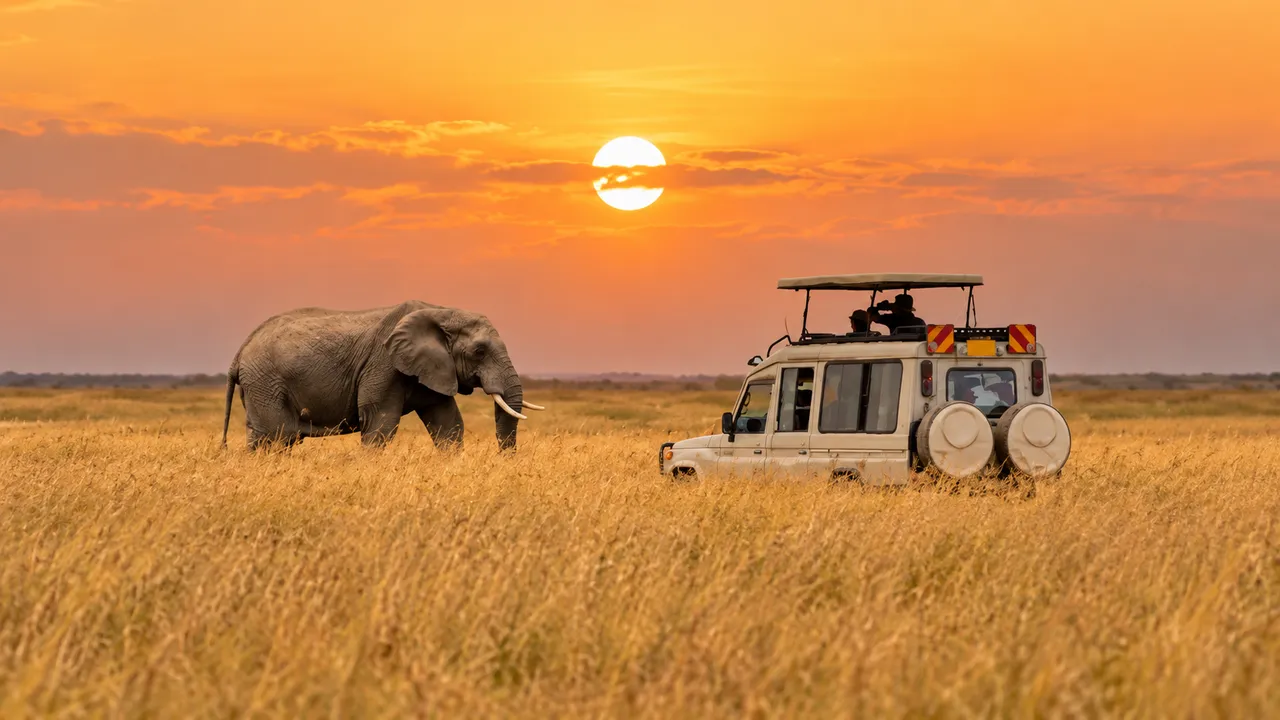
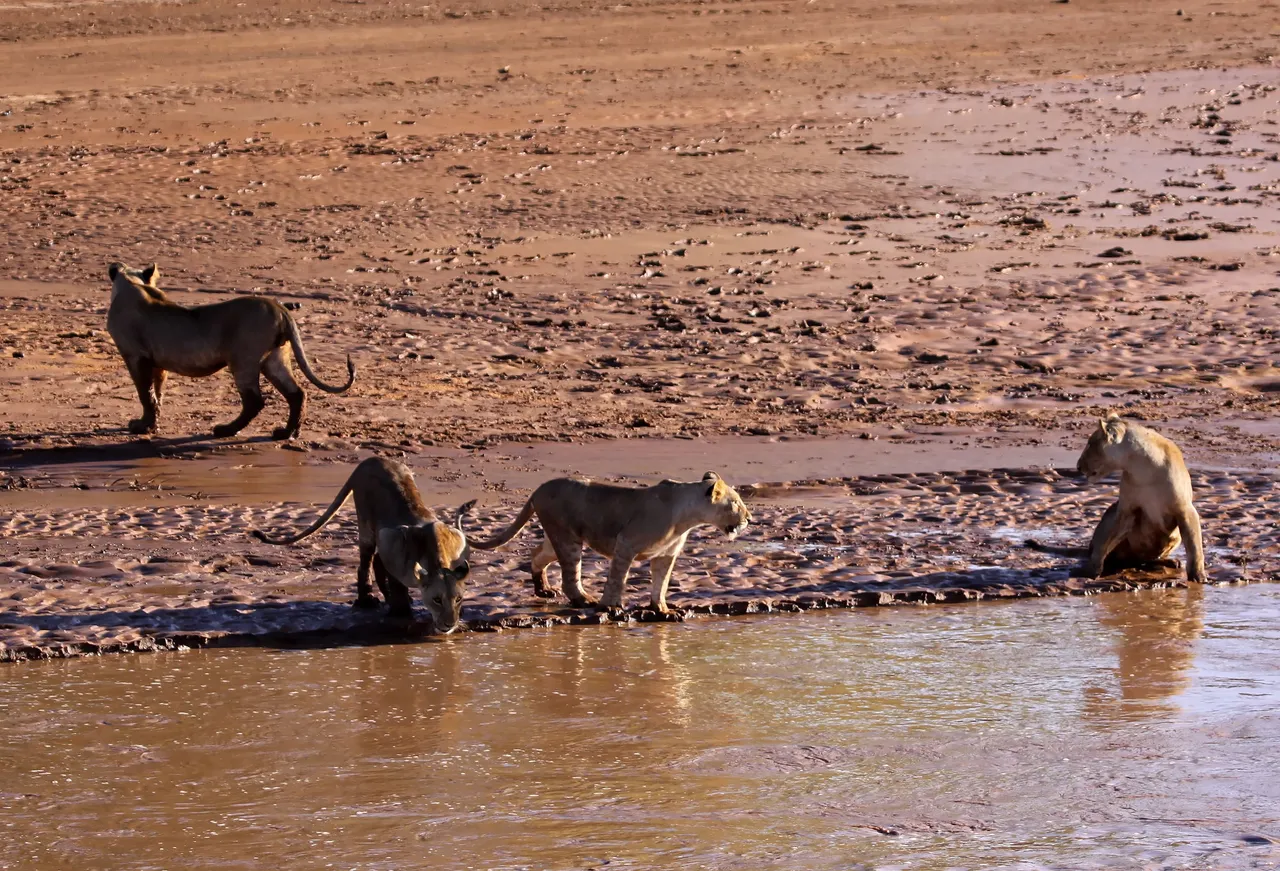
Everything comes to the Ewaso Ng’iro to drink. Elephant at the shallows. Crocodile on the sandbars. Leopard in the fig trees along the water in the last hour of light.
The lodges sit on its banks and watch game from their verandas. In the dry season the river is the only water for a long way, which concentrates everything into a narrow strip.
Samburu is five and a half hours from Nairobi. That distance keeps the crowds in the Mara. Even in high season you will share a leopard sighting with one or two vehicles rather than eleven.
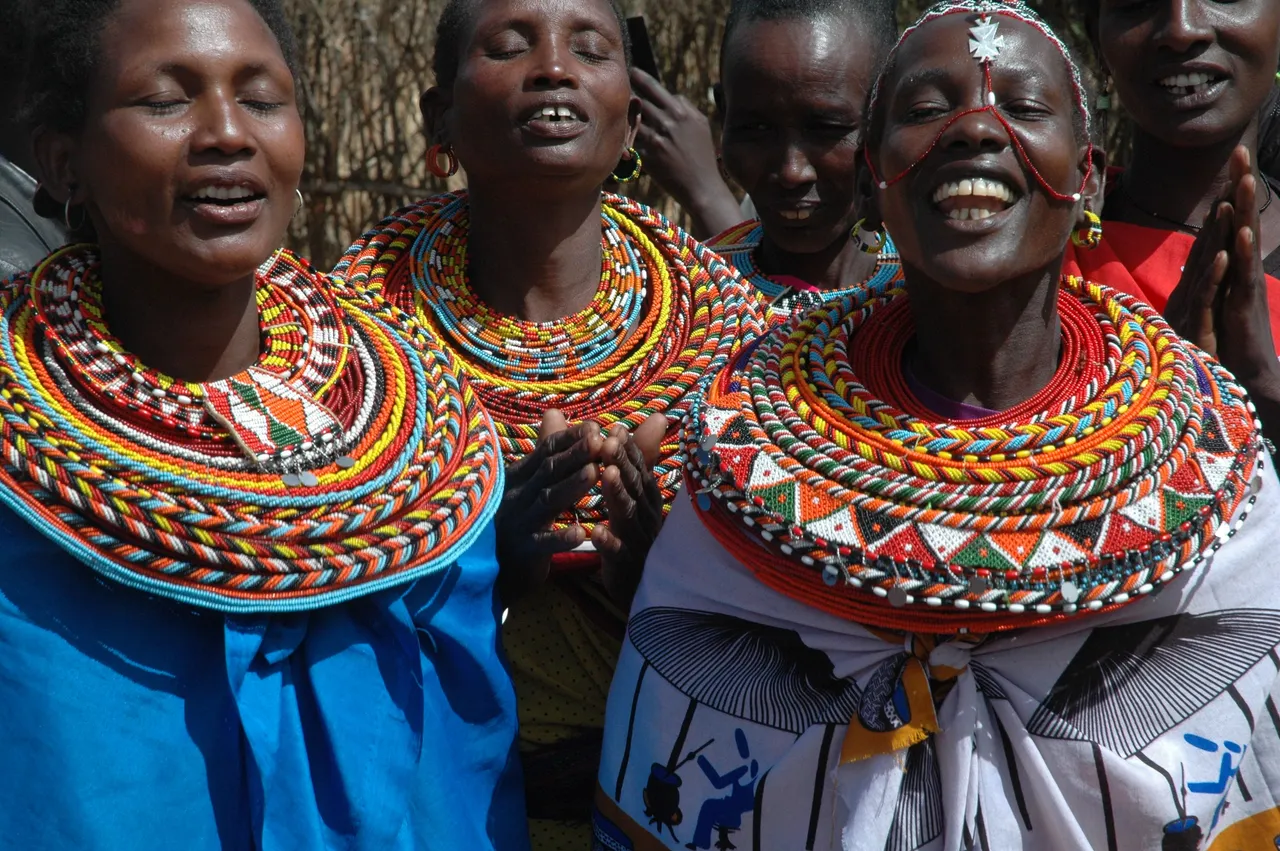
Samburu country is pastoralist country, and the reserve borders community conservancies that the Samburu themselves run. Village visits can be arranged directly, so the fee reaches the community. We will tell you what it is before you go.
Our four-day trip breaks the return at Ol Pejeta. That way the long drive north is done once rather than twice.
Three nights is right. Two is workable. One is not worth the drive, given that you spend eleven hours on the road getting there and back.
It is hot and dry, well over 30°C through the middle of the day. Bring more water than you think, and long sleeves for the sun rather than the cold. The last stretch of road is rough, so this is not a trip for anyone with a bad back who has not been warned.
Flights from Wilson Airport take about an hour and cut out the drive entirely.
Grevy’s zebra is endangered, and most of the remaining population lives in northern Kenya. Grevy’s Zebra Trust tracks the numbers.
Gazetted in 1985. What it was created to protect, and what threatens it now.
Samburu National Reserve was gazetted in 1985 and covers only 165 square kilometres, small, and entirely dependent on the Ewaso Ng'iro river running through it. Buffalo Springs and Shaba adjoin it, and in practice the three work as one ecosystem.
The reserve is run by Samburu County, not the national parks service.
Its purpose is to protect a dry-country fauna that does not occur on the southern circuit at all, and the river that makes life possible for it. Water abstraction upstream for irrigation is the standing threat: in bad years the Ewaso Ng'iro has stopped flowing altogether, and everything in the reserve depends on it.
The species this place is genuinely known for, not a big five checklist that would fit any park in Kenya.
01Equus grevyi
Endangered, and larger and narrower-striped than the common plains zebra. Most of the world’s remaining population lives in northern Kenya.
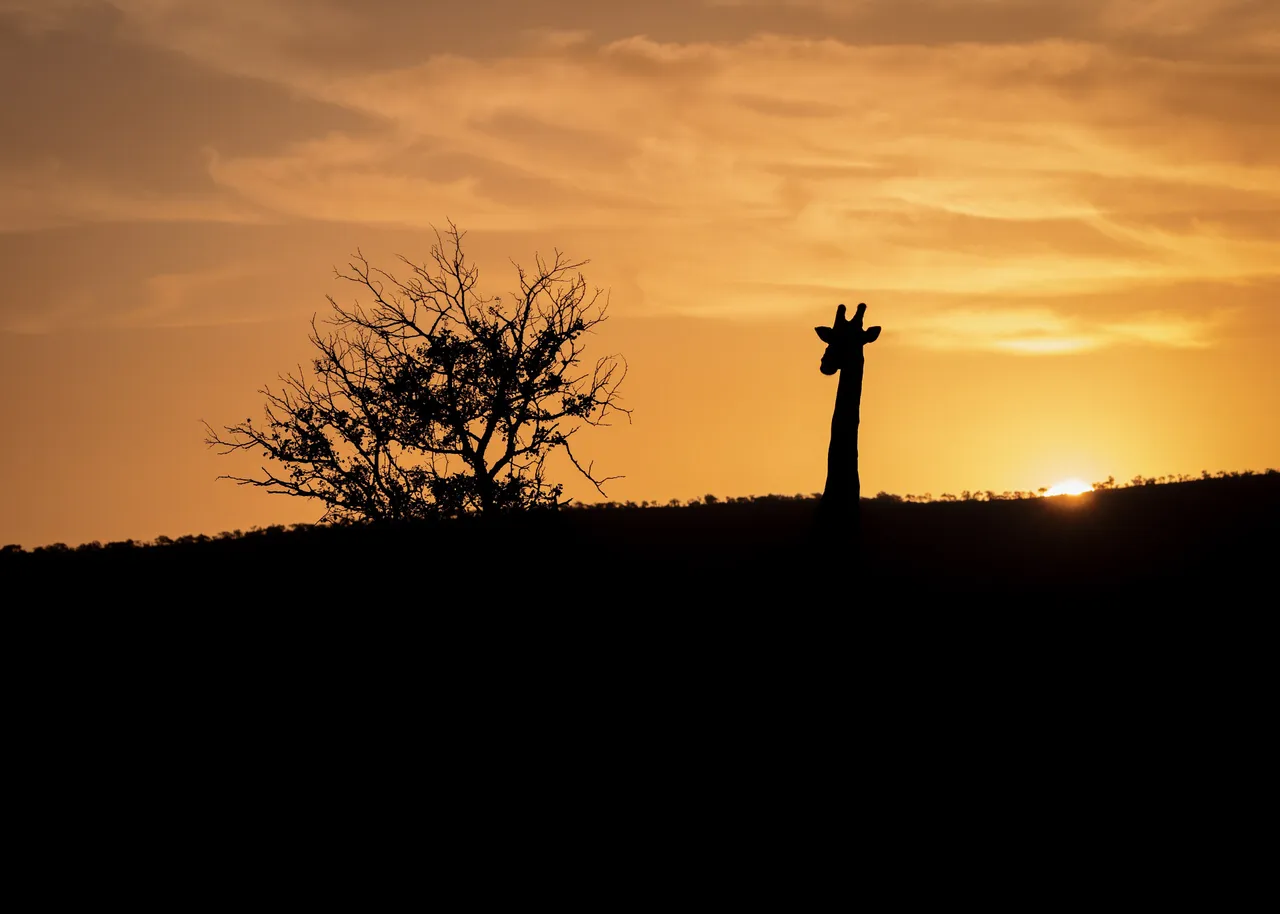
02Giraffa reticulata
The clean geometric coat marks it out immediately from the ragged-edged Masai giraffe of the south.
03Litocranius walleri
Browses standing upright on its hind legs to reach acacia a metre above every other antelope. Strange to watch the first time.
Every price includes park entry fees, transport and your driver-guide.
Kenya's parks are small. Almost everything that decides whether the wildlife survives happens on the land around them, and that land belongs to somebody.
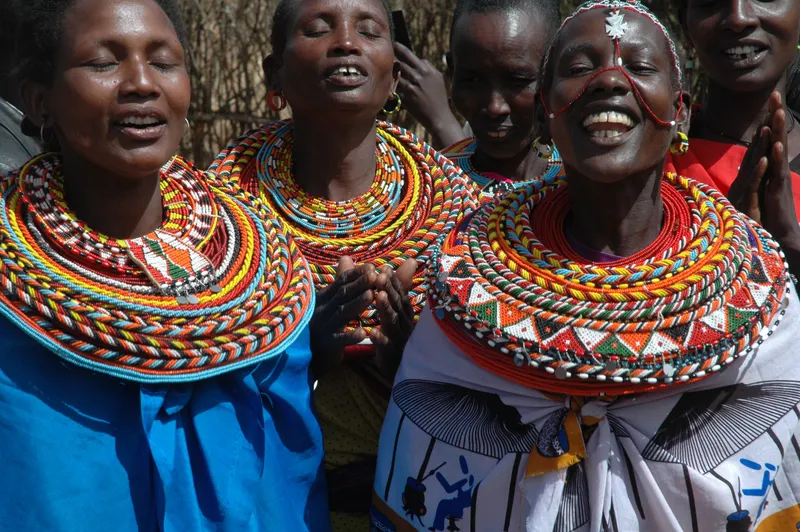
The Samburu are pastoralists closely related to the Maasai and speaking a similar language, and the reserve is surrounded by community conservancies they run themselves: Kalama, Westgate, Namunyak and others, most under the Northern Rangelands Trust umbrella.
Those conservancies employ their own rangers, and the recovery of elephant numbers across northern Kenya over the last fifteen years is largely their work rather than the government's.
A visit here is worth arranging through the conservancy office rather than privately. The fee is published, and it goes to a community fund rather than to an individual.
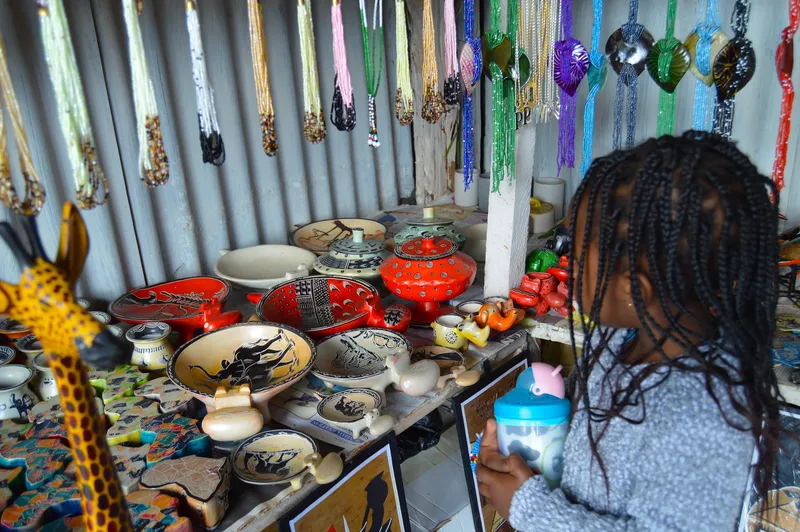
Samburu beadwork is distinct from Maasai work, heavier collars, more use of white and orange, and a great deal of it made by women's groups attached to the conservancies.
The other thing worth buying is a hand-carved wooden headrest, still used rather than made for visitors, and camel-milk soap from the cooperatives around Archer's Post.
Prices are not fixed in the markets, and bargaining is expected and good-natured. In the conservancy craft shops they are fixed, and the split between maker and fund is usually written on the label.
Every caption describes the photograph above it.
Every safari on this site comes as a printable itinerary with day-by-day detail, what is included, and the price. Send it to whoever you are travelling with. We will add you to a short monthly note on when to travel and what it costs, and nothing else.