 01
01Mountain bongo
Tragelaphus eurycerus isaaci
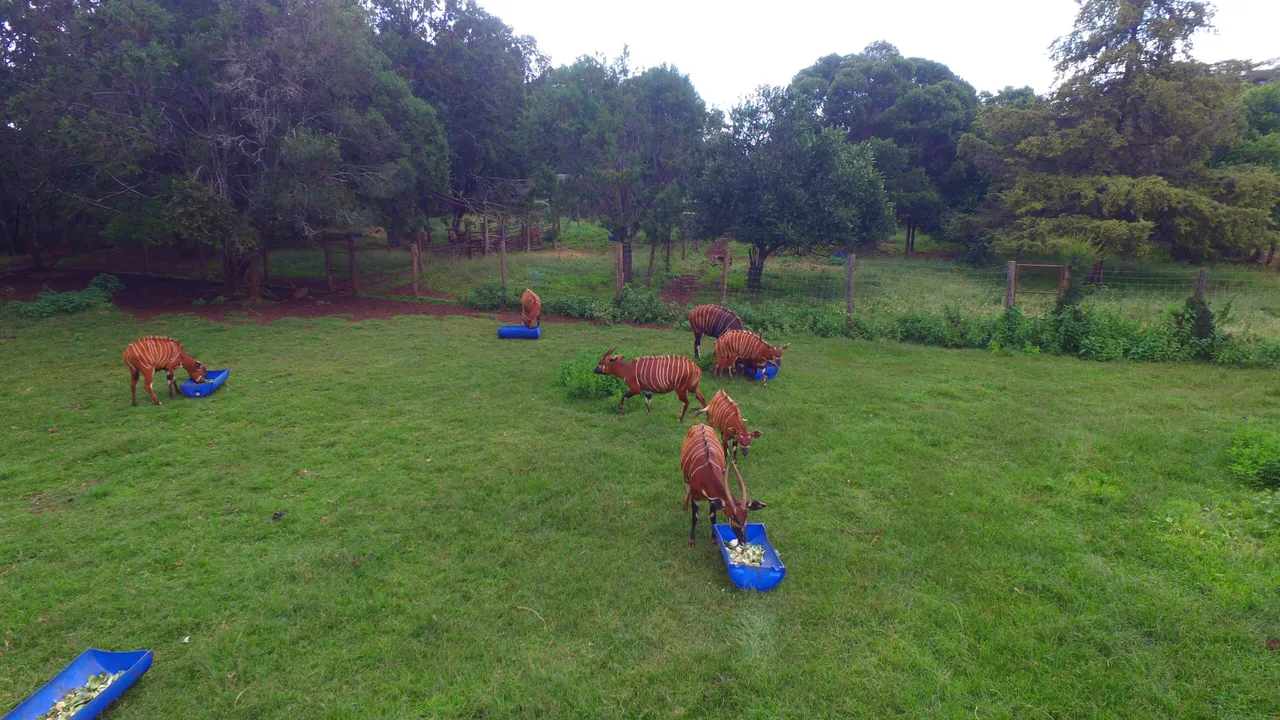
Critically endangered, with perhaps a hundred left in the wild. Chestnut with white stripes, and almost never seen, but this is where they are.

Cold, wet highland forest and moorland rising above 3,900 metres. Aberdare National Park is where game comes to a floodlit waterhole through the night, three hours from Nairobi.
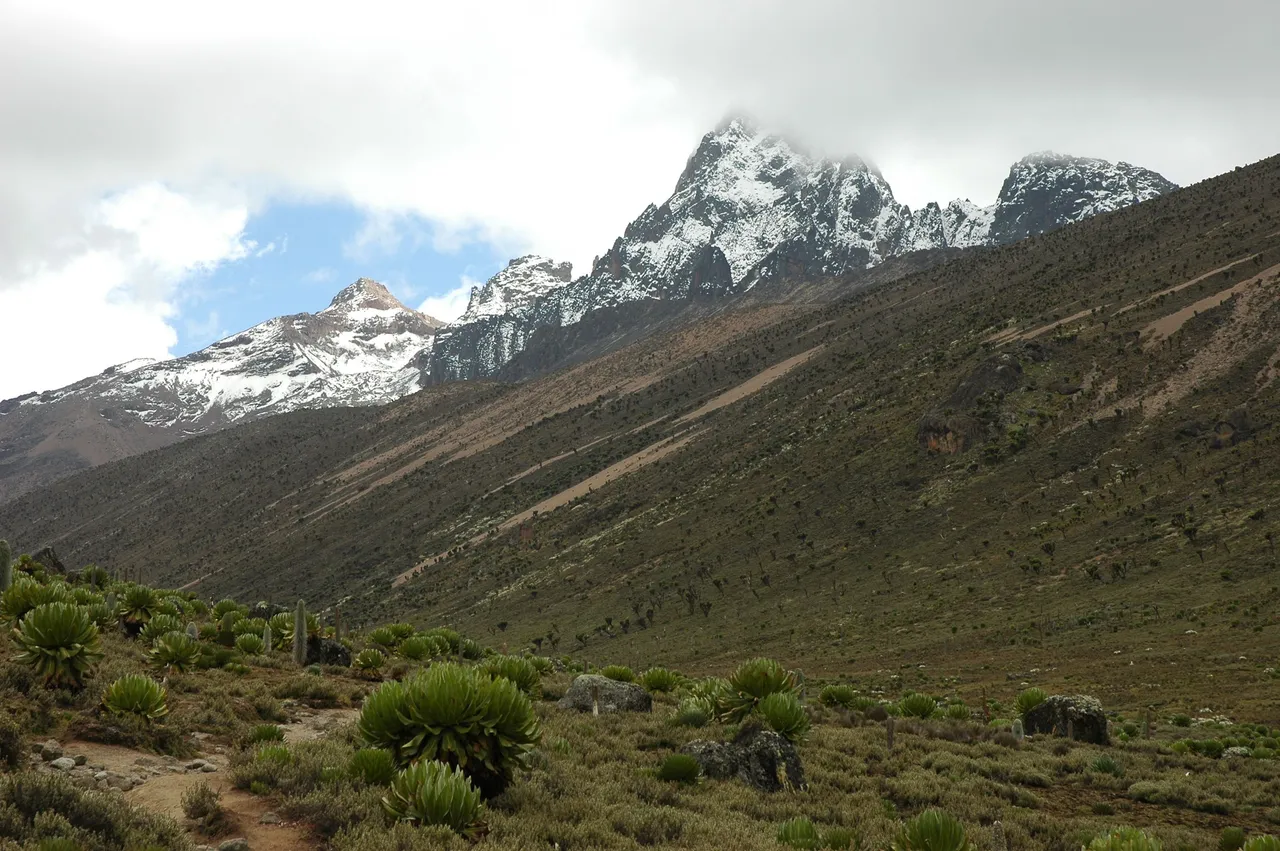
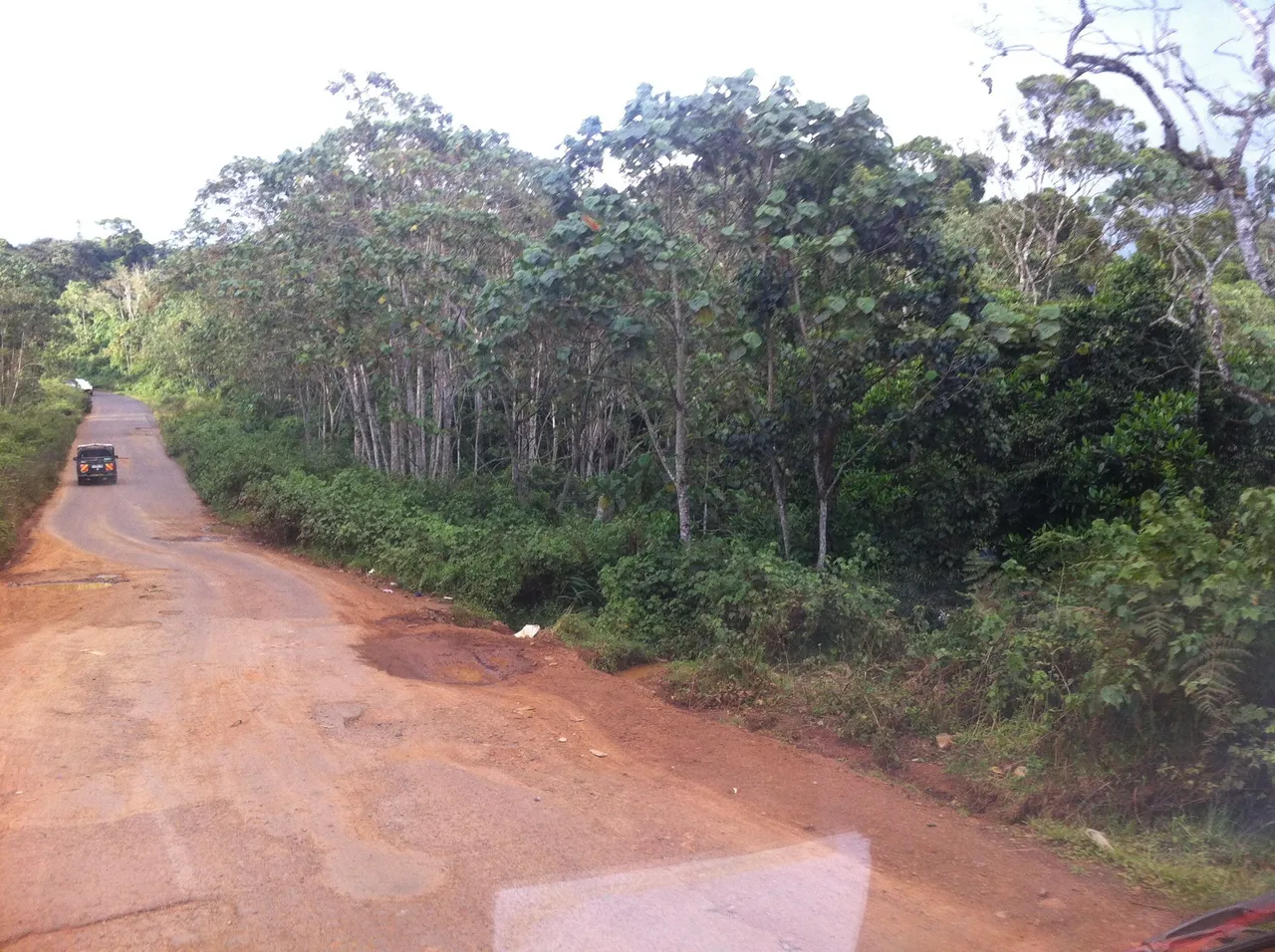
Aberdare National Park is nothing like the plains. This is montane forest and bamboo, giving way to open moorland above 3,000 metres. It is genuinely cold. Bring the fleece you were told to pack and expect to use it.
Two things, mainly. The tree lodges, and a kind of wildlife you will not see anywhere else on a Kenyan circuit.
It is three hours from Nairobi, which makes it an easy addition rather than a separate expedition.
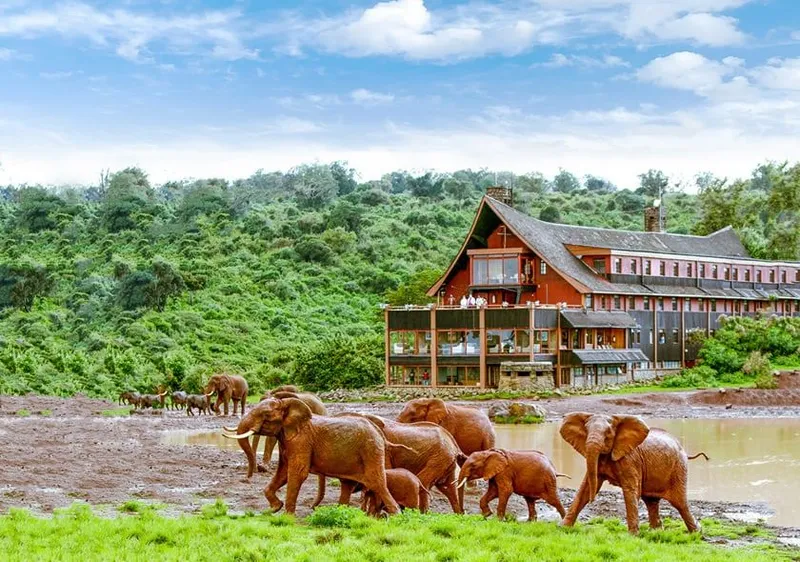
They are built on stilts over floodlit waterholes. You sit up through the night and watch what arrives.
It is a completely different rhythm from a dawn game drive. It suits guests who would rather not be in a vehicle at 6am, and it suits families, because there is somewhere warm to retreat to.
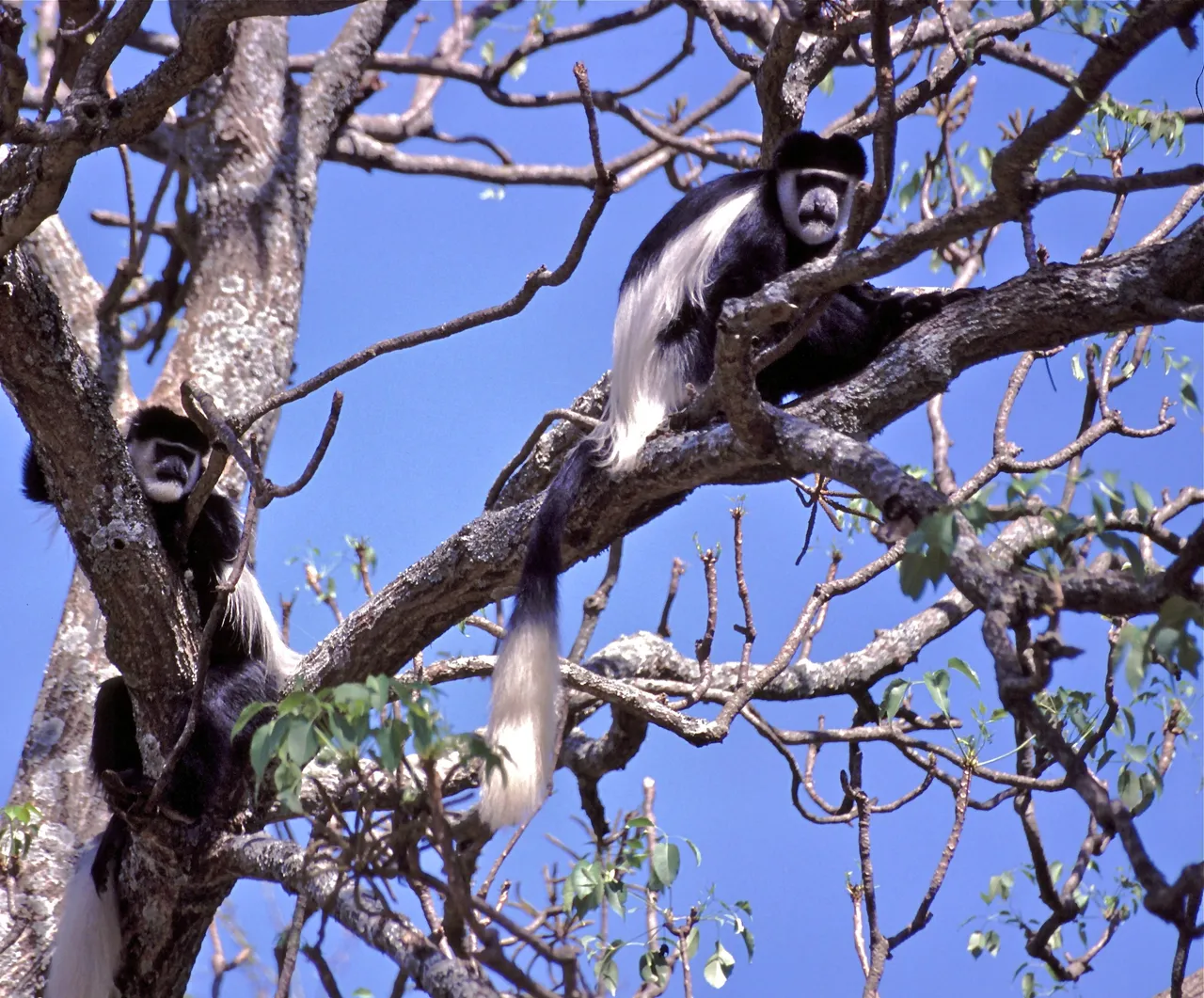
That is the trade, and it is worth making. Bongo, a large forest antelope that is rare and shy. Giant forest hog. Black-and-white colobus in the canopy. Elephant and buffalo move through the forest in numbers.
There is also a melanistic leopard that appears in camera-trap footage often enough to keep people looking. Do not plan around it.
Above the treeline the park opens into tussock grass, giant heather and giant lobelia. Waterfalls drop off the plateau edge. It looks nothing like anyone’s mental image of Kenya, which is exactly why it is worth a day.
The Aberdares pair well with Ol Pejeta or Lake Nakuru, both within easy reach. Our month-by-month guide covers the wet months, which matter more here than almost anywhere else in the country.
One night at a tree lodge is the usual, and it is enough. Two if you want to walk in the forest or fish the streams, which are stocked with trout.
Bring warm layers, waterproofs and closed shoes. The lodges hand out hot water bottles and you will use one. Roads inside the park turn to clay after rain, so a 4×4 is not optional here in the wet months.
Malaria risk is low at this altitude, which makes the Aberdares a sensible choice for families who would rather not take prophylaxis.
The park is run by the Kenya Wildlife Service.
Gazetted in 1950. What it was created to protect, and what threatens it now.
The Aberdare National Park was gazetted in 1950, covering 767 square kilometres of montane forest, bamboo and high moorland along the range.
Its purpose is as much hydrological as it is about wildlife. The Aberdares are one of Kenya's five main water towers: the rivers rising here supply Nairobi, feed the Sasumua and Ndakaini reservoirs, and run north into the Ewaso Ng'iro. Protecting the forest protects the water supply of several million people.
A 400-kilometre electric fence around the whole range was completed in 2009 by Rhino Ark, funded largely by public subscription. It was built to stop crop raiding and illegal logging, and it has substantially reduced both.
The species this place is genuinely known for, not a big five checklist that would fit any park in Kenya.
01Tragelaphus eurycerus isaaci
Critically endangered, with perhaps a hundred left in the wild. Chestnut with white stripes, and almost never seen, but this is where they are.
 02
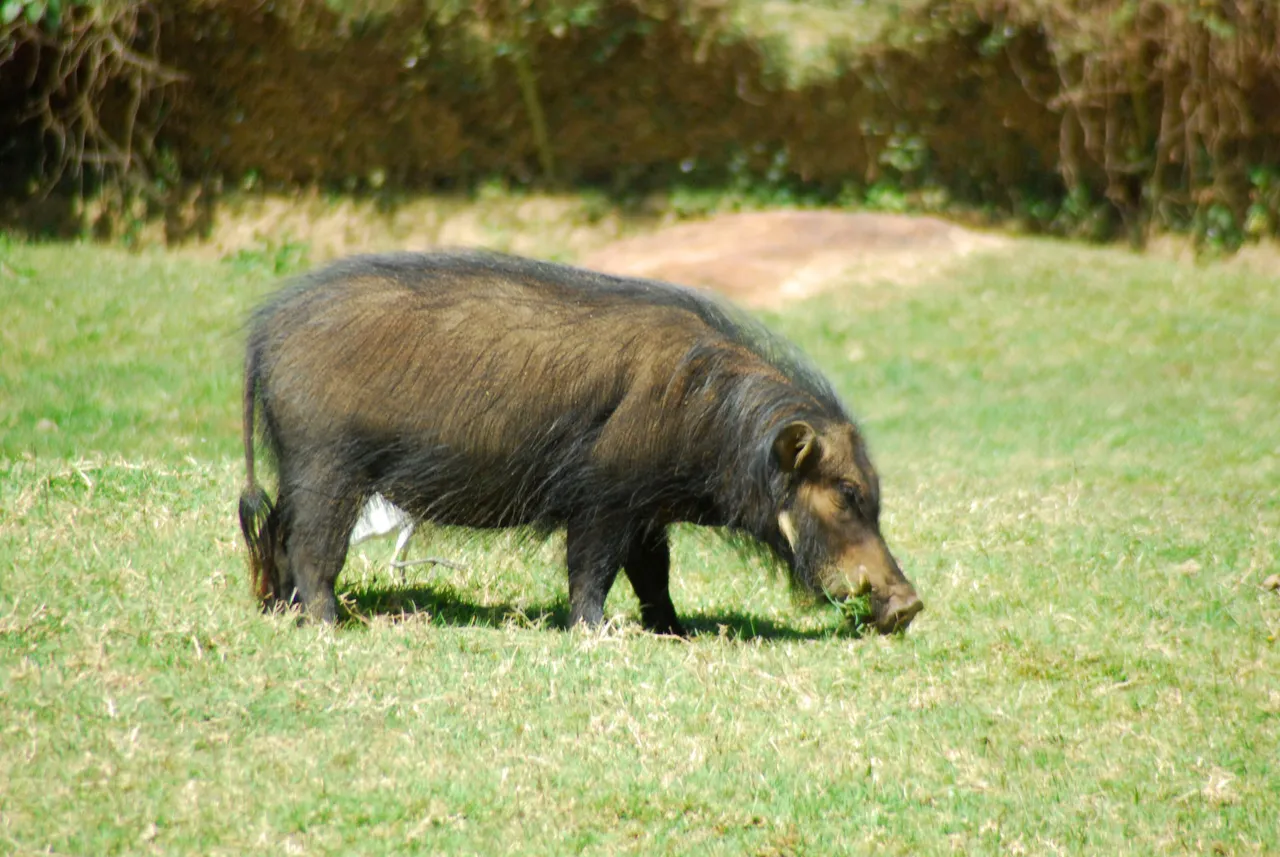
02Hylochoerus meinertzhageni
The largest wild pig in the world, and a forest animal rather than a plains one. The floodlit waterholes are the best chance of seeing it.
03Colobus guereza
Long white mantle and tail, and almost entirely arboreal. Common in the canopy on the lower forest tracks.
Kenya's parks are small. Almost everything that decides whether the wildlife survives happens on the land around them, and that land belongs to somebody.
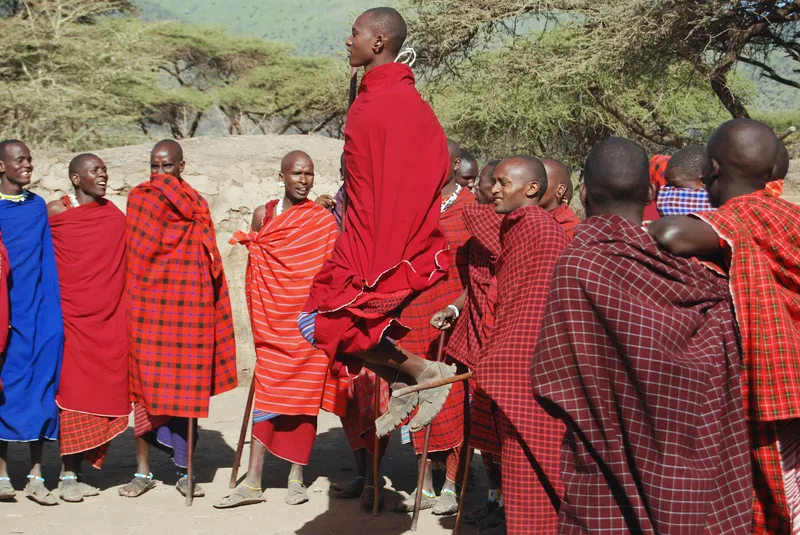
This is Kikuyu country, and the Aberdares, Nyandarua in Kikuyu, carry a weight of political history that the game viewing rather understates.
The forest was the base of the Mau Mau uprising through the 1950s, and the range was fought over for years. Some of the older lodge staff will talk about it if you ask; many will not.
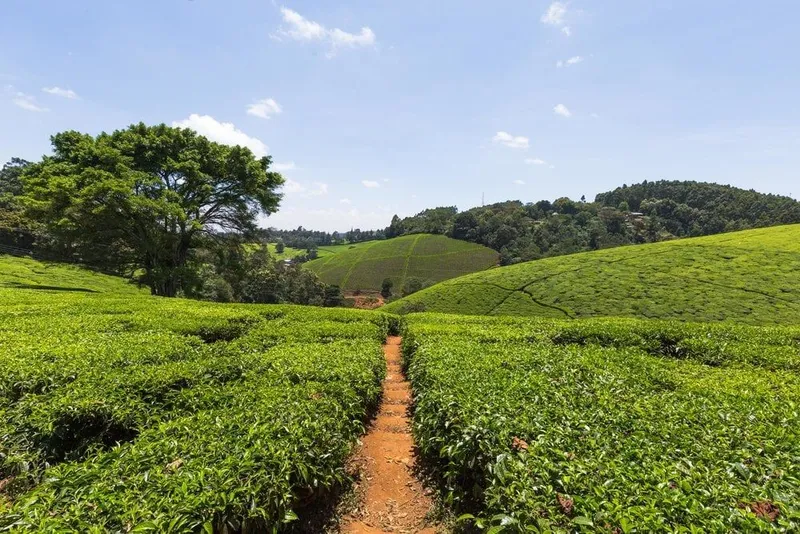
Below the fence line the land is intensively farmed smallholdings, tea, coffee, potatoes and dairy. The fence exists precisely because elephants and that farmland cannot occupy the same ground.
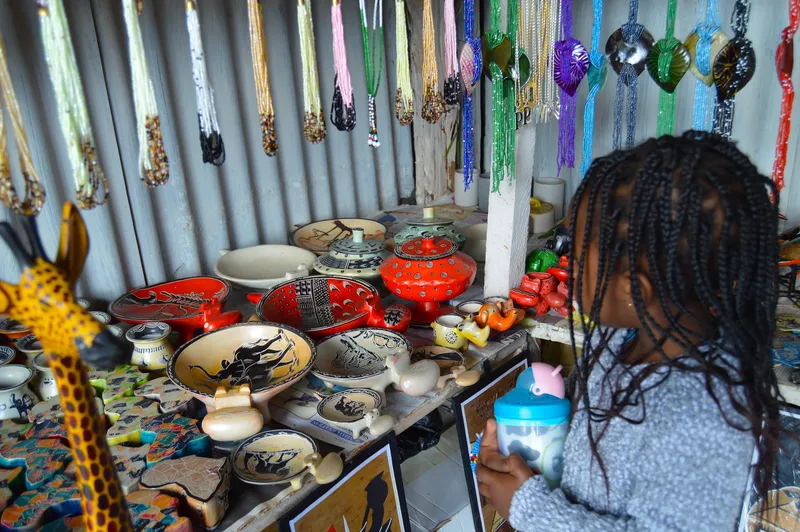
The highlands around Nyeri and Nyahururu are known for kiondo basketry and woven sisal work, and there is a strong tradition of woodcarving in the towns along the eastern side of the range.
The other thing to buy here is tea and coffee, bought at the estate rather than the airport. Several of the farms on the Aberdare foothills run tours and sell direct.
If you buy a carved bowl or stool, ask what the wood is. Anything sold as "African blackwood" at a suspiciously low price generally is not.
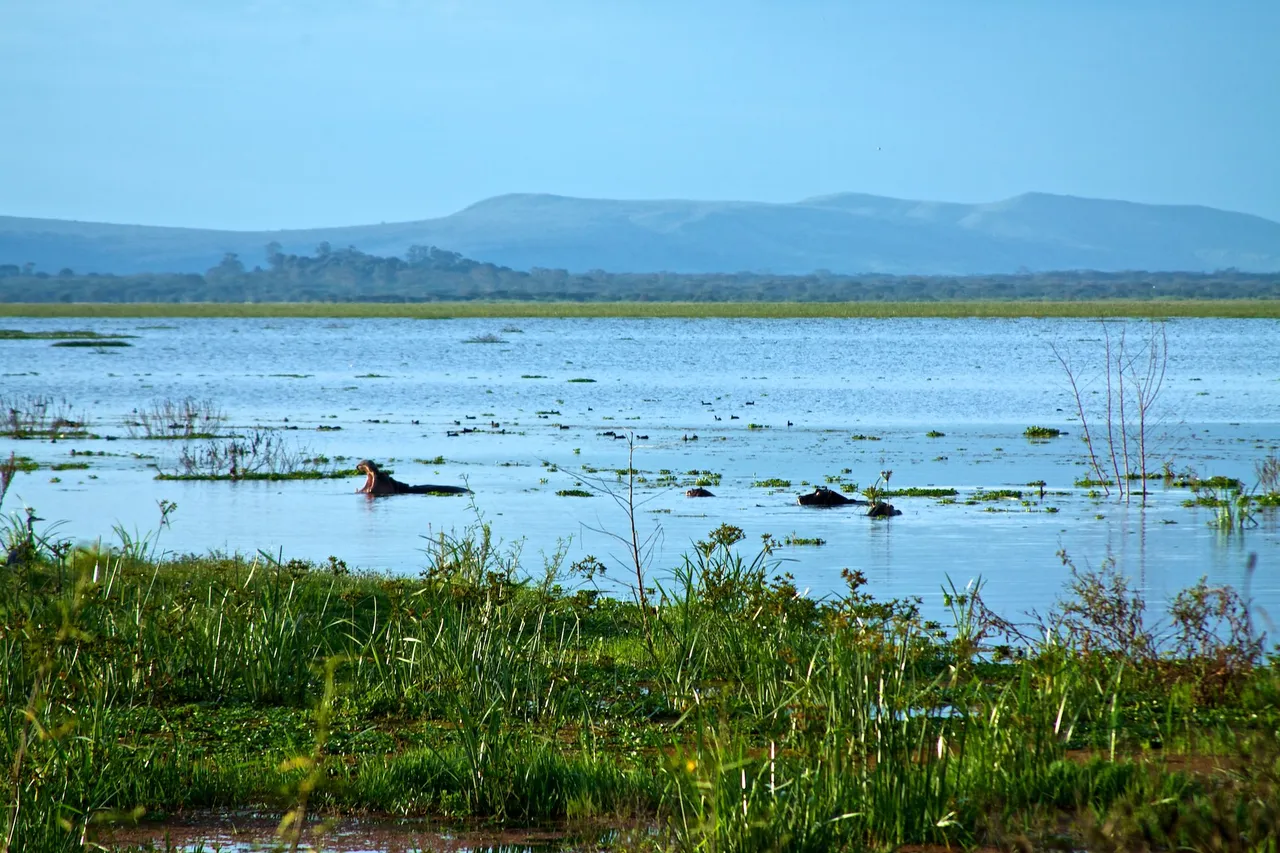
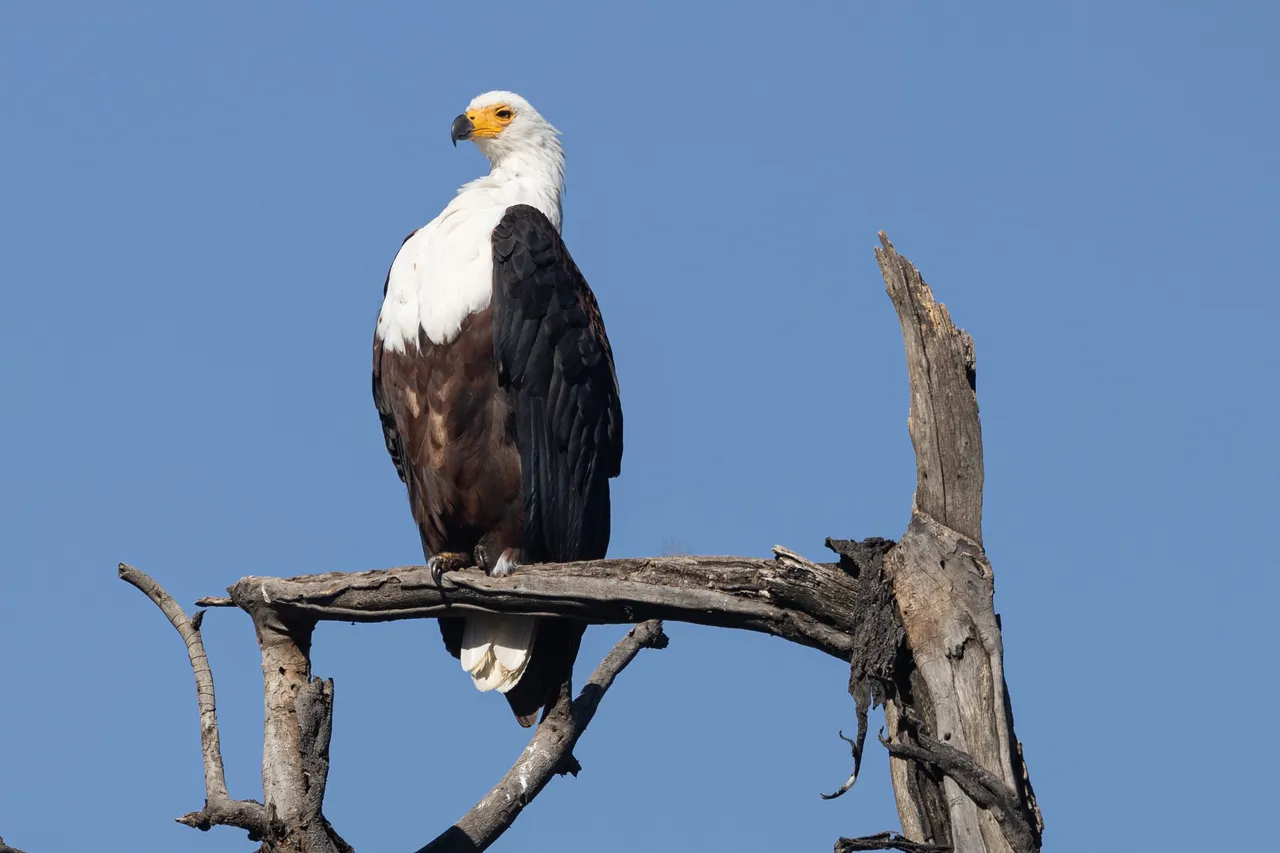
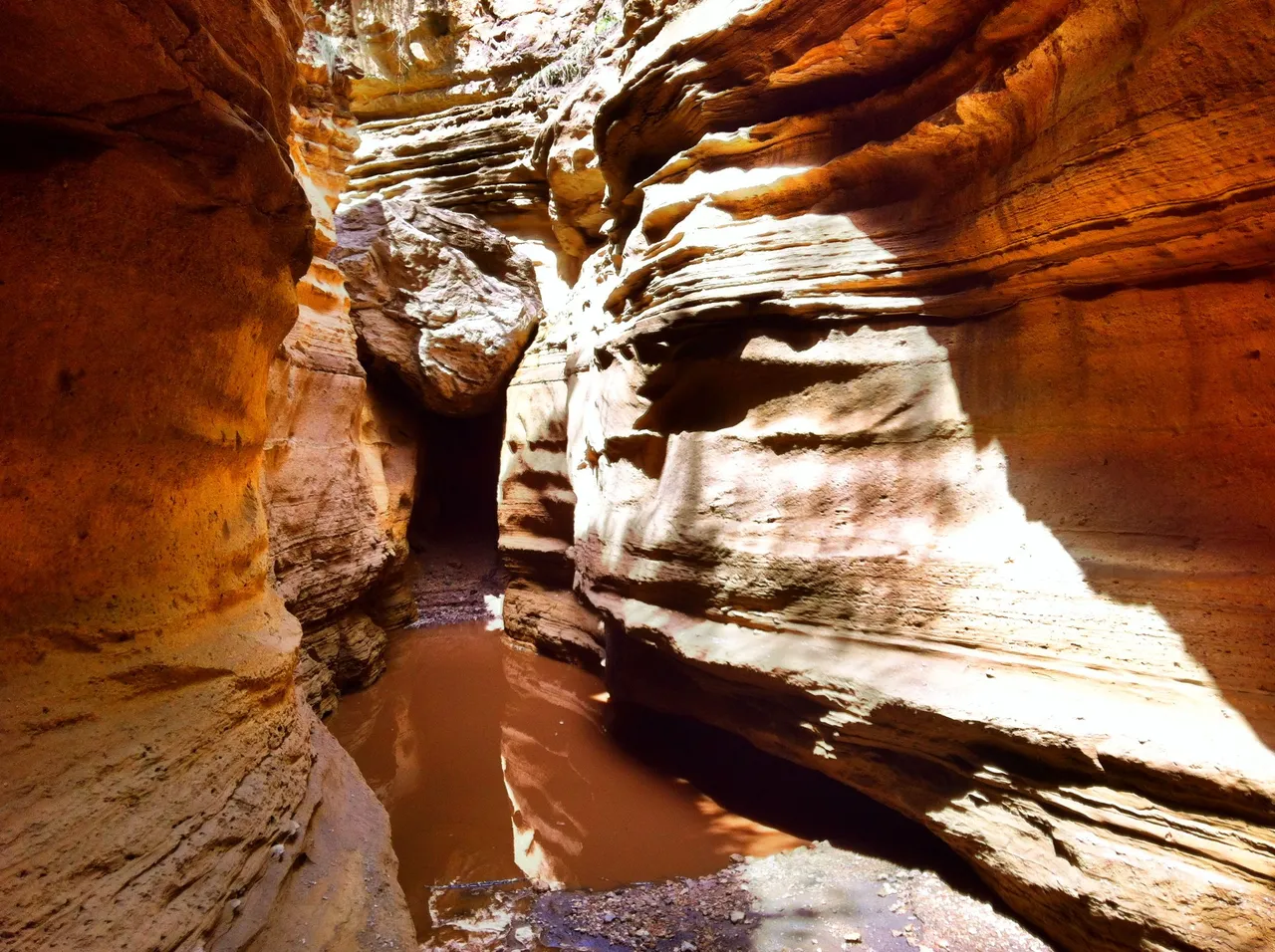
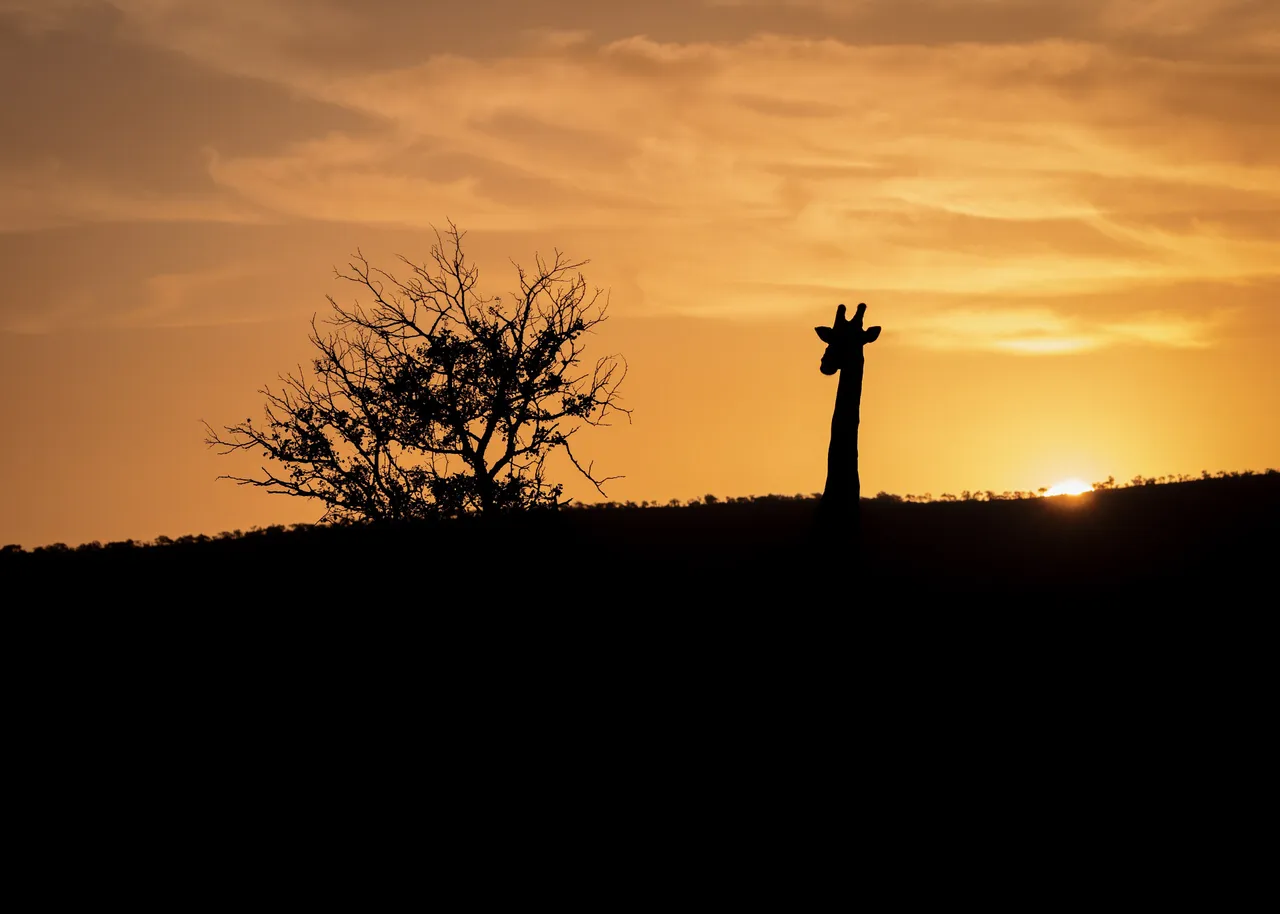
Every caption describes the photograph above it.
Every safari on this site comes as a printable itinerary with day-by-day detail, what is included, and the price. Send it to whoever you are travelling with. We will add you to a short monthly note on when to travel and what it costs, and nothing else.