
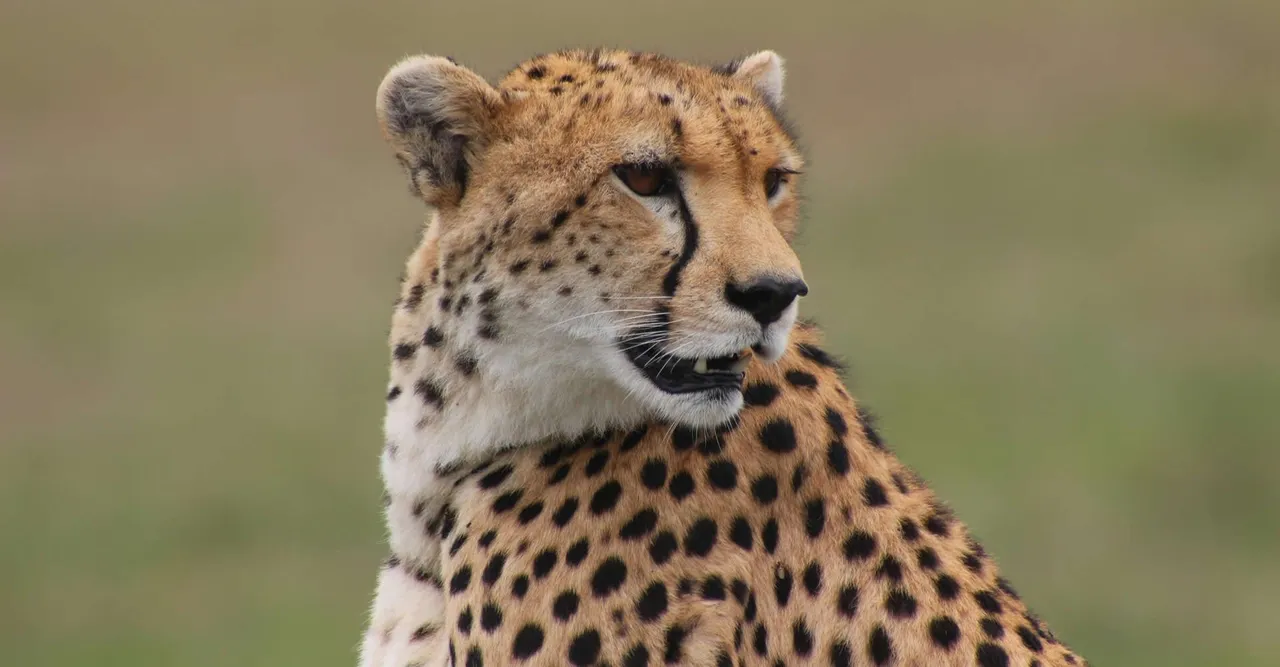
 3 safarisNational ReserveMasai MaraNarok County, southwest Kenya Gazetted 1961 1,510 km² Jan to Feb, Jul to OctThe Great MigrationLion, leopard and cheetahMara River crossingsExplore Masai Mara
 Dare to Explore
Explore Kenya on safari, and let the Big Five find you
It starts in the dark, with coffee and a cold windscreen, and by sunrise there is a lion on the track ahead of you. Kenya safaris from Nairobi to the Masai Mara, Amboseli, Tsavo, Lake Nakuru and Mount Kenya, in our own vehicles, with our own guides, park fees in the price.
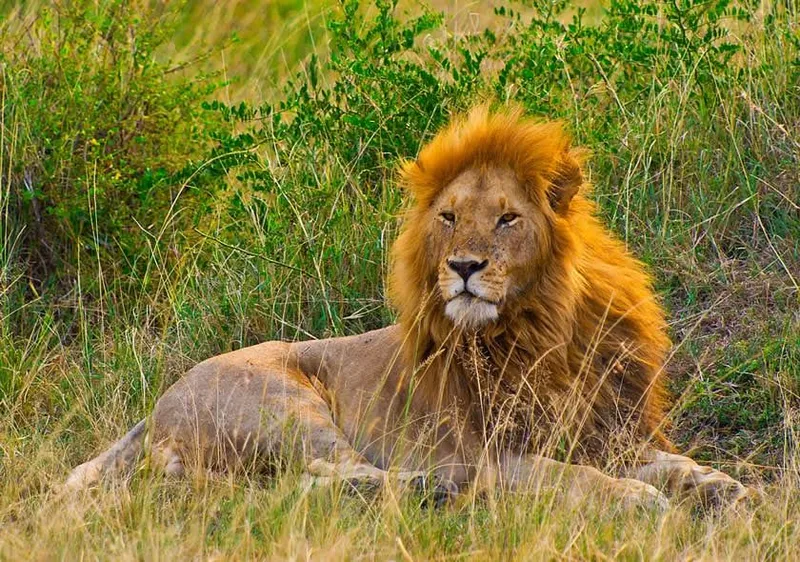
 Lion
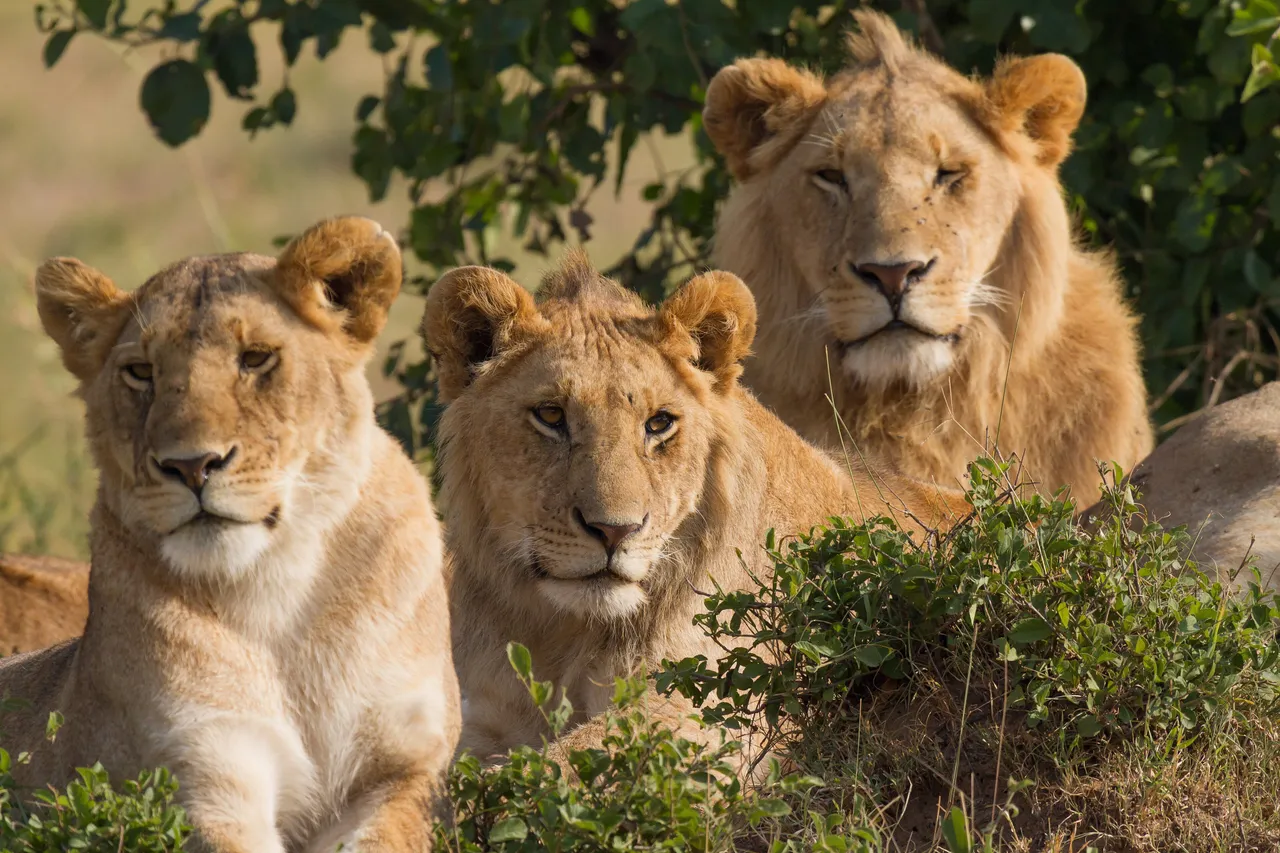
Lion 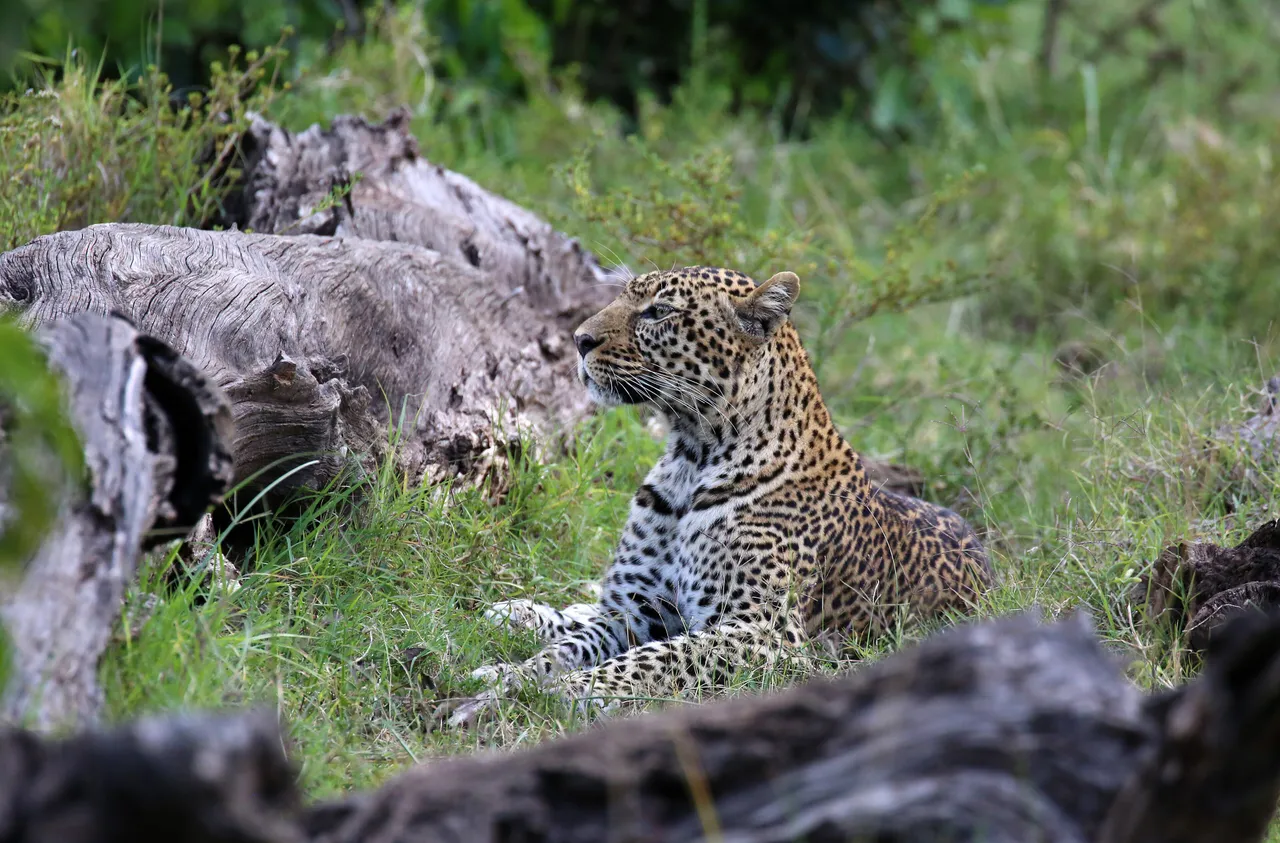 Leopard
 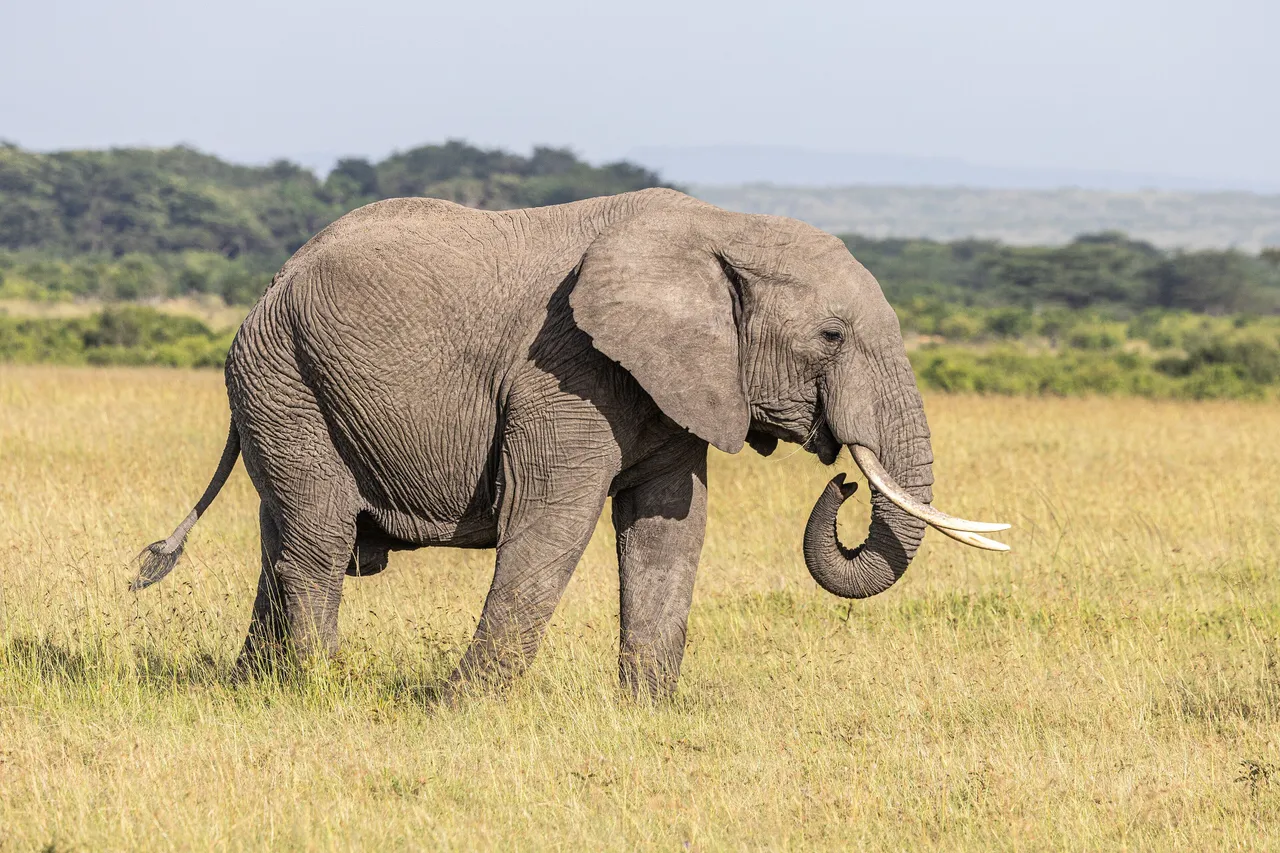 Elephant
 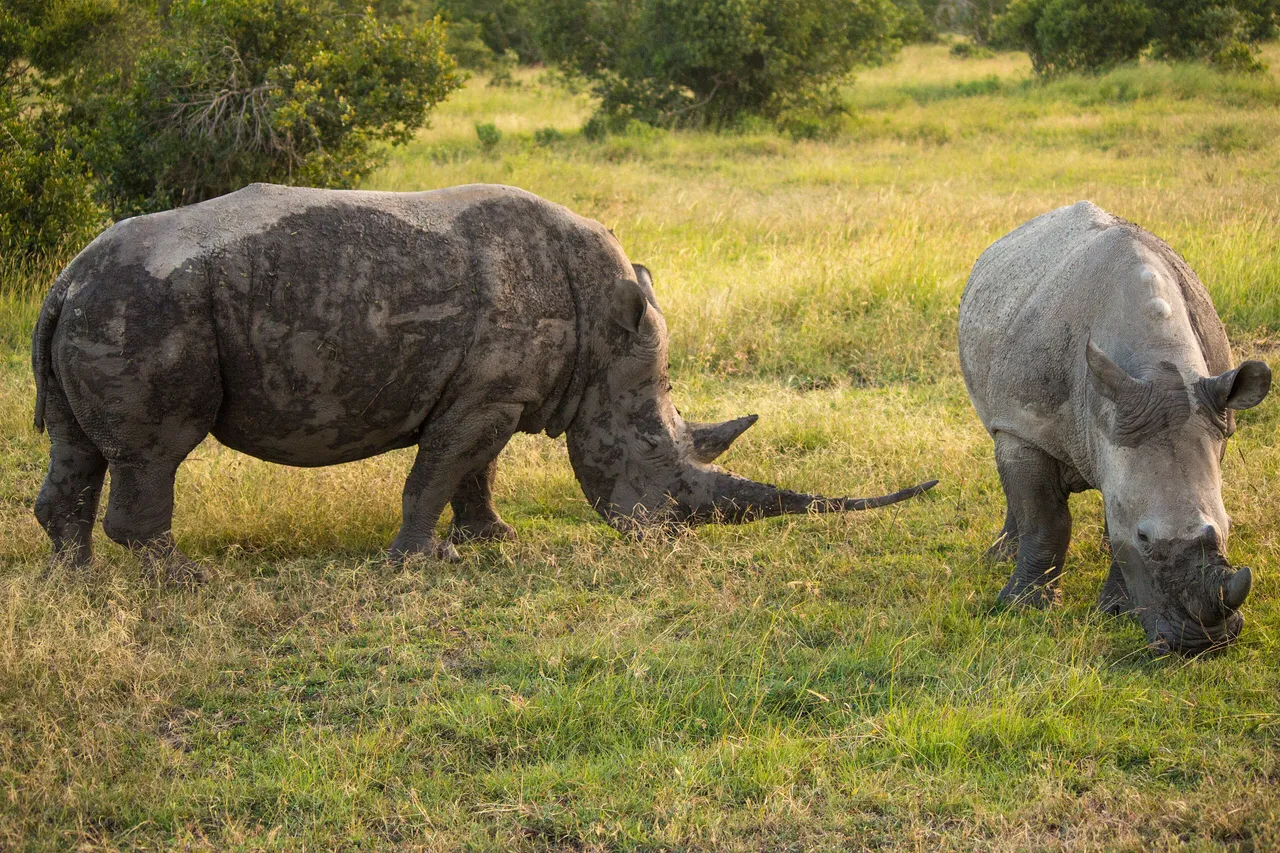 Rhino
Rhino 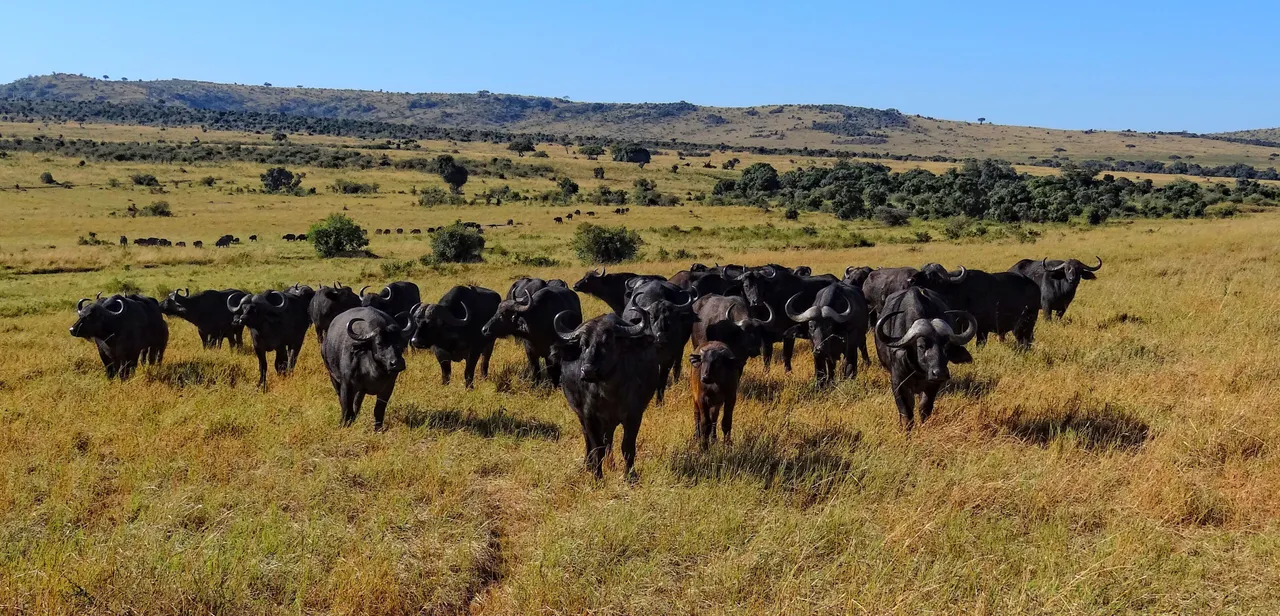 Buffalo
 Where to go
The parks, lakes and coast
Swipe through the parks, lakes and coast we know best. Each one shows when it was gazetted, how big it is, when to go and what it is really known for.
01 / 12
3 safarisNational ReserveMasai MaraNarok County, southwest Kenya Gazetted 1961 1,510 km² Jan to Feb, Jul to OctThe Great MigrationLion, leopard and cheetahMara River crossingsExplore Masai Mara 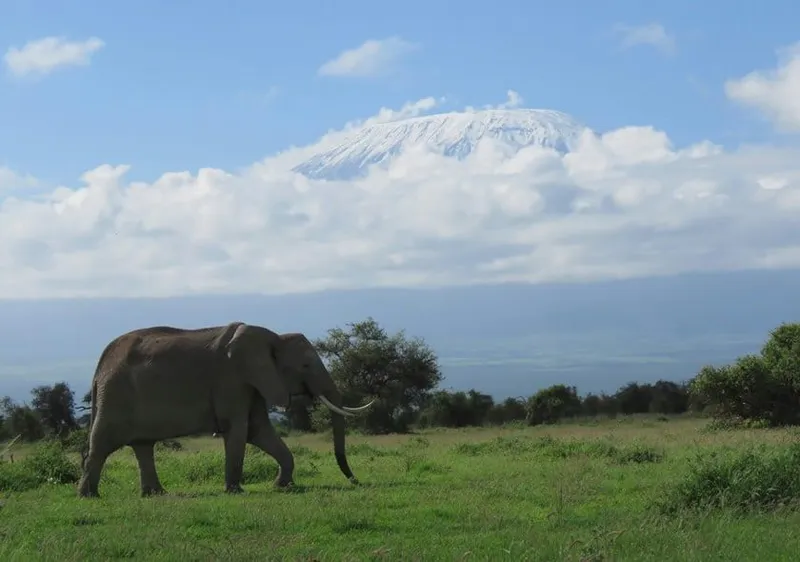 1 safariNational ParkAmboseliKajiado County, southern Kenya Gazetted 1974 392 km² Jan to Feb, Jun to OctLarge elephant herdsKilimanjaro viewsBig tuskersExplore Amboseli
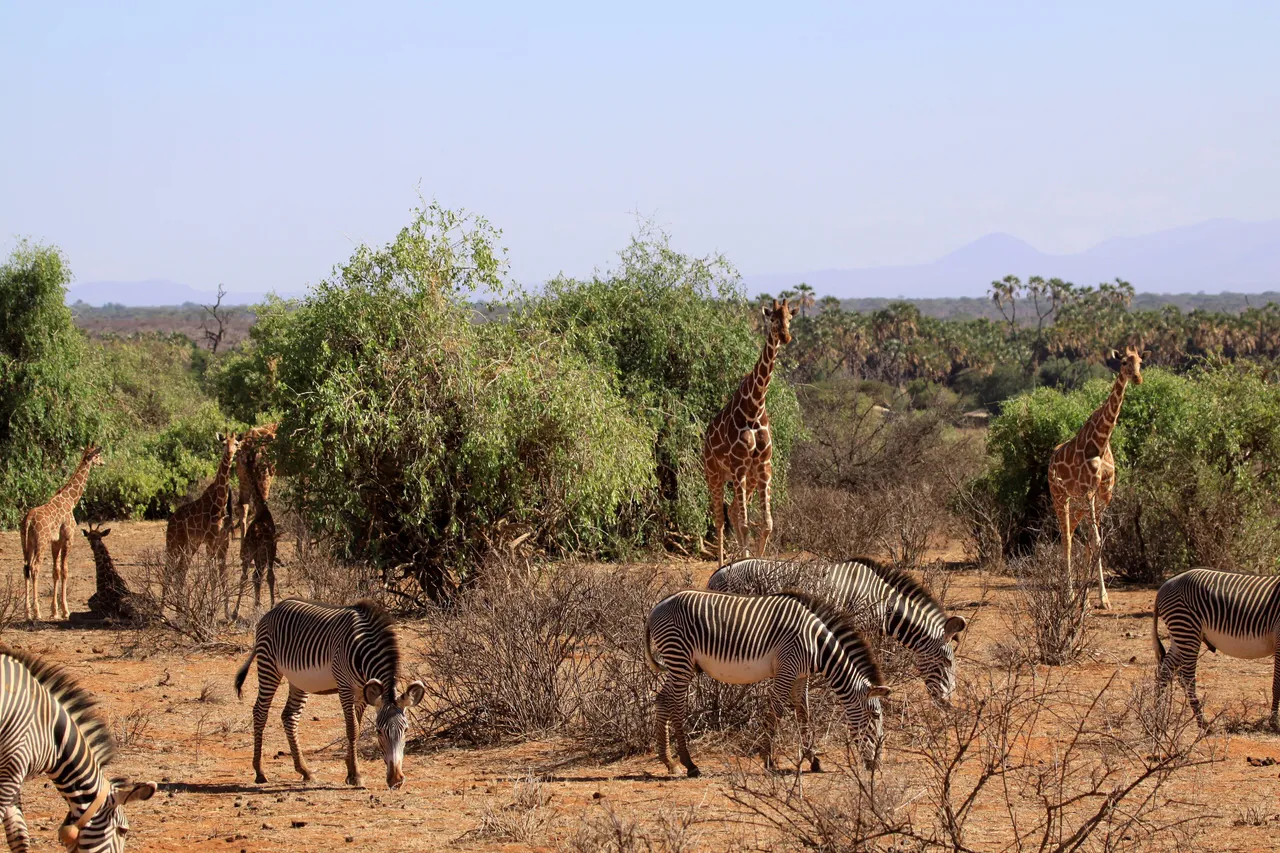
 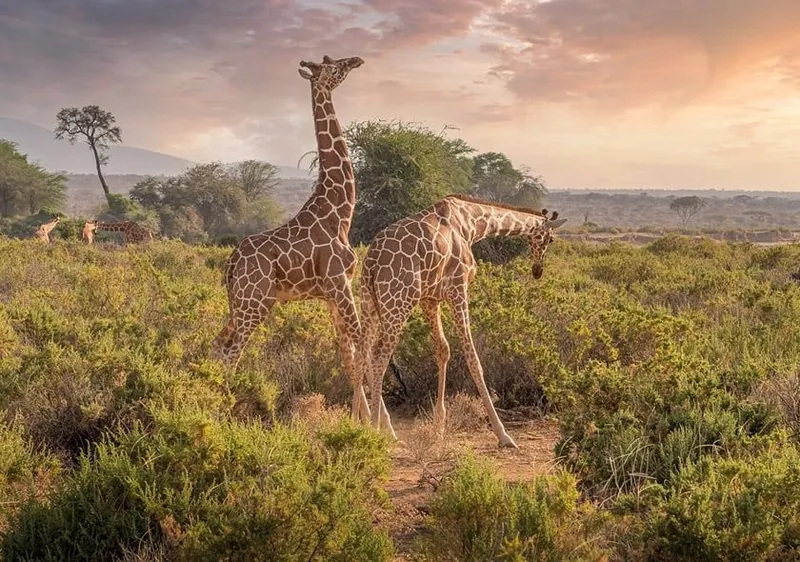 1 safariNational ReserveSamburuSamburu County, northern Kenya Gazetted 1985 165 km² Jan to Feb, Jun to OctGrevy’s zebraReticulated giraffeGerenuk and beisa oryxExplore Samburu
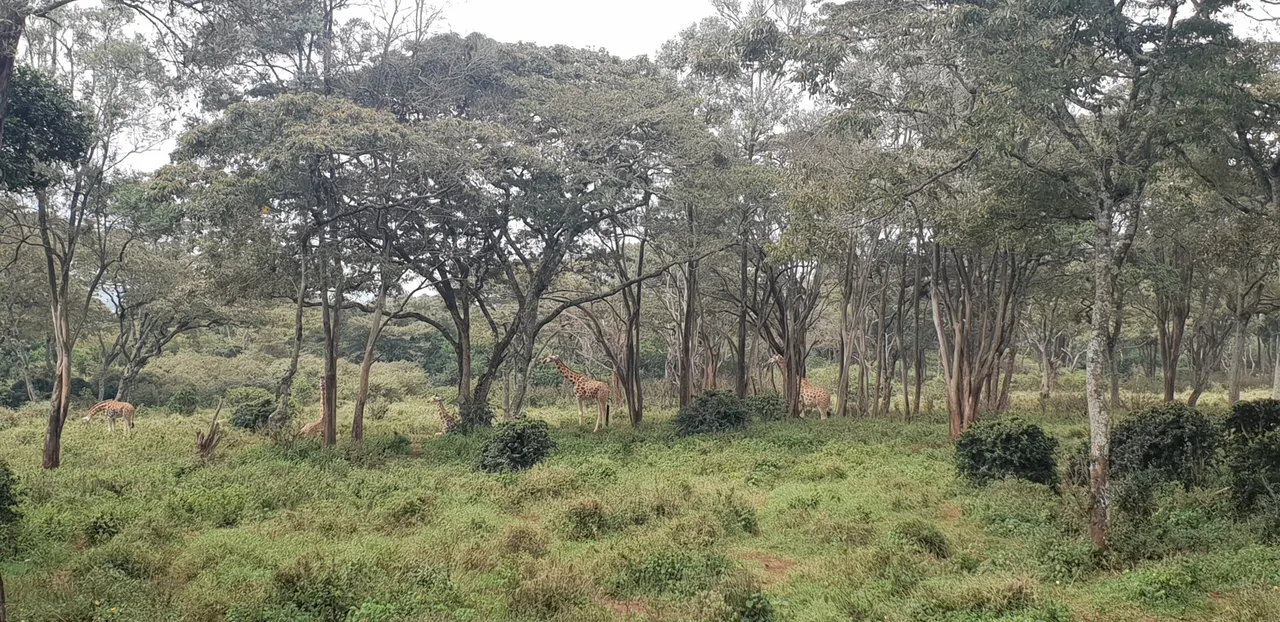
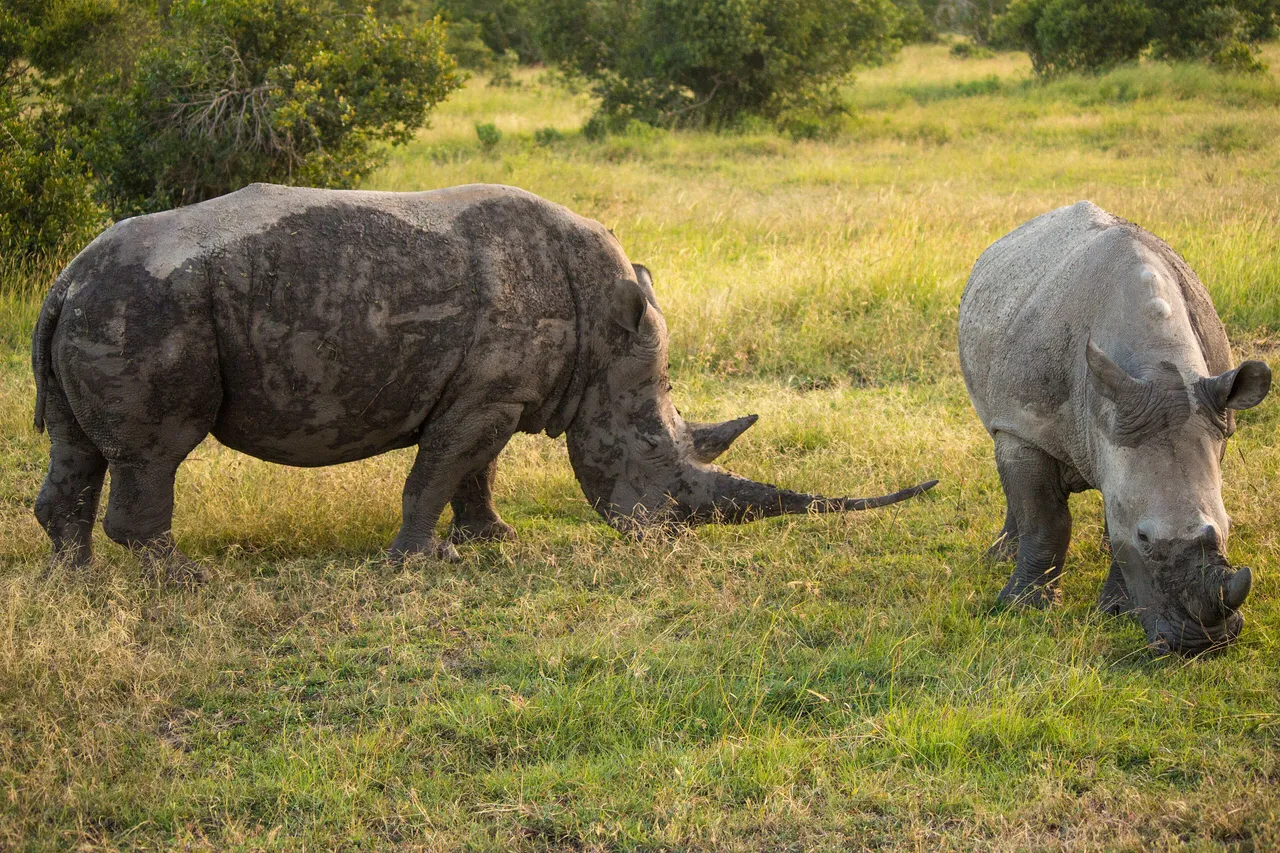
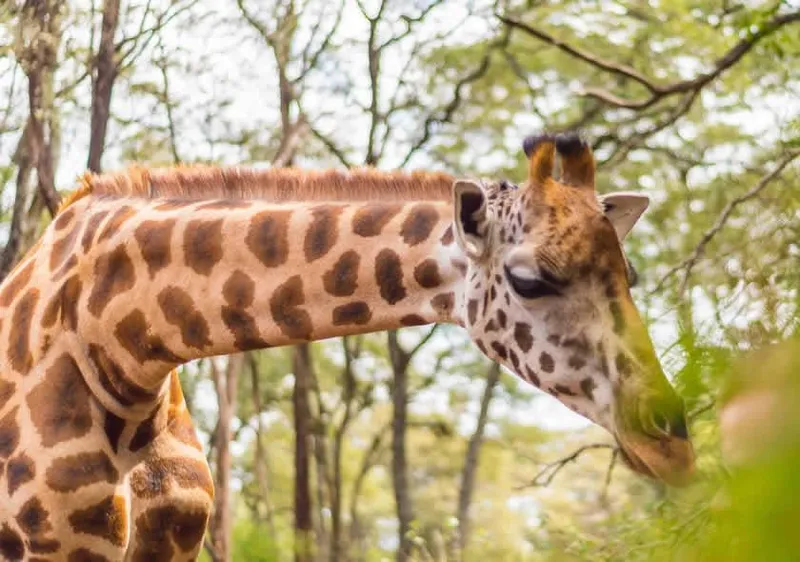
 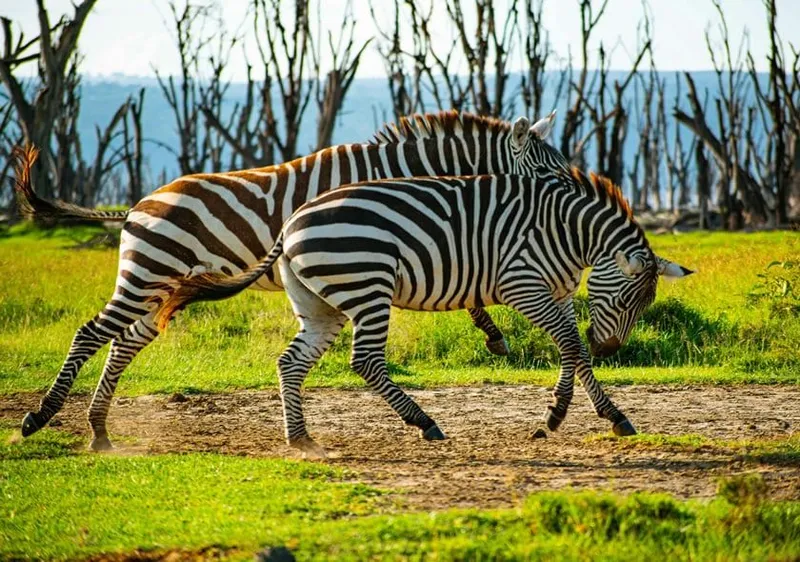 2 safarisNational ParkLake NakuruNakuru County, Rift Valley Gazetted 1968 188 km² Jan to Feb, Jul to SepBlack and white rhinoRothschild’s giraffeFlamingo when water levels allowExplore Lake Nakuru
 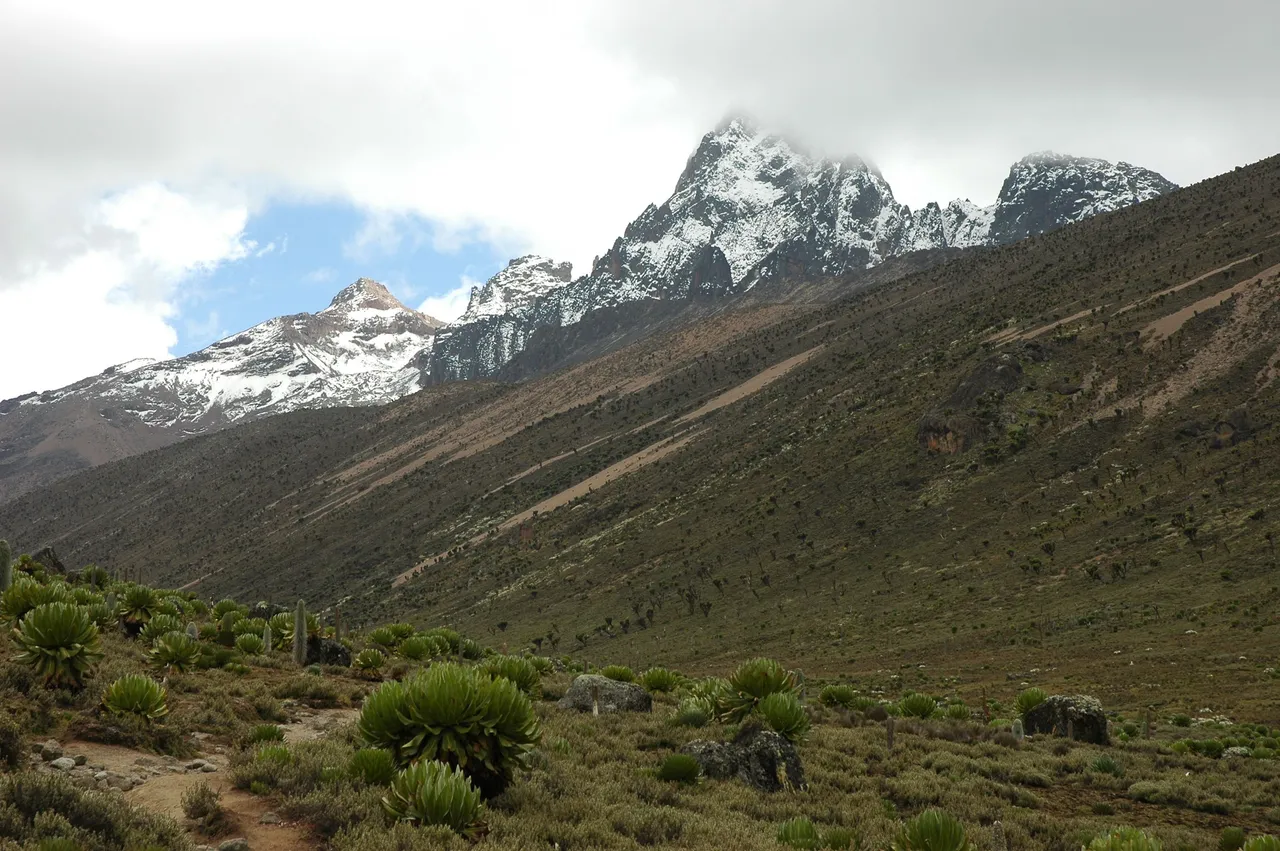 National ParkMount KenyaMeru, Nyeri, Kirinyaga, Embu and Tharaka-Nithi counties, central Kenya Gazetted 1949 715 km² Jan to Feb, Aug to SepPoint Lenana trekGiant lobelia and groundsel moorlandForest elephant and colobusExplore Mount Kenya
 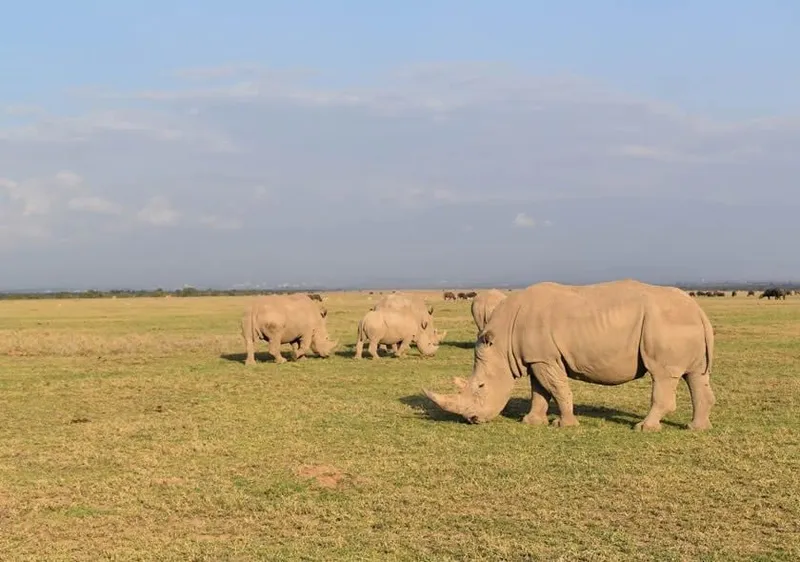 2 safarisConservancyOl PejetaLaikipia County, central Kenya Gazetted 2004 364 km² Jan to Feb, Jun to OctThe last two northern white rhinosLargest black rhino population in East AfricaSweetwaters chimpanzee sanctuaryExplore Ol Pejeta
 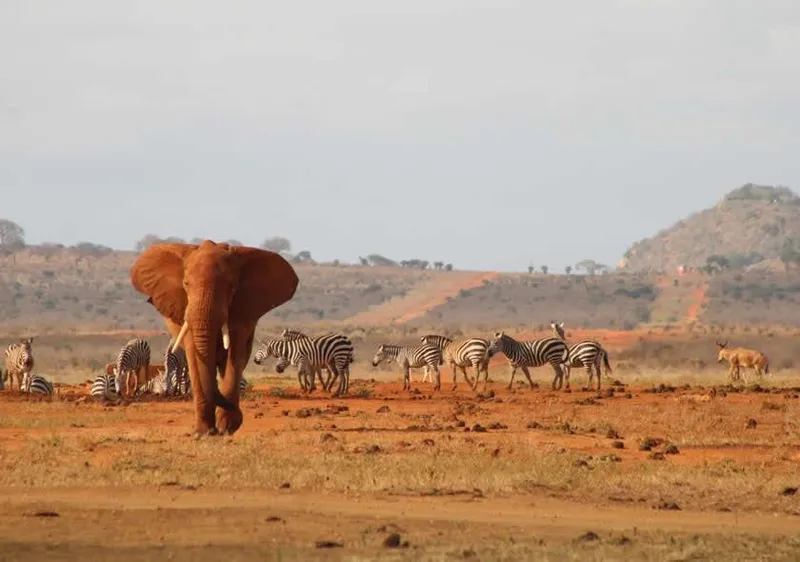 National ParkTsavoTaita-Taveta and Kitui counties, southeast Kenya Gazetted 1948 21,812 km² Jan to Feb, Jun to OctRed elephantsMzima SpringsYatta lava plateauExplore Tsavo
 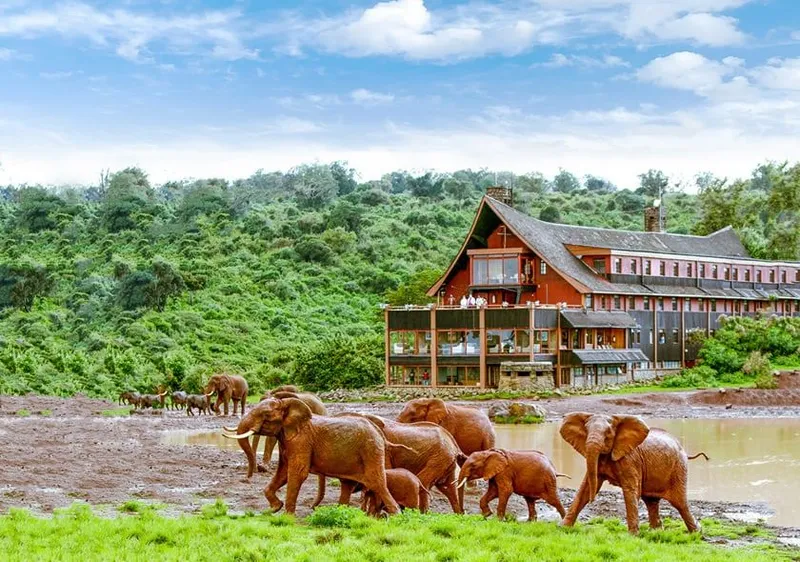 National ParkAberdareNyeri and Nyandarua counties, central highlands Gazetted 1950 767 km² Jan to Feb, Jun to SepTree lodges and floodlit waterholesMontane forest and moorlandBongo and giant forest hogExplore Aberdare
 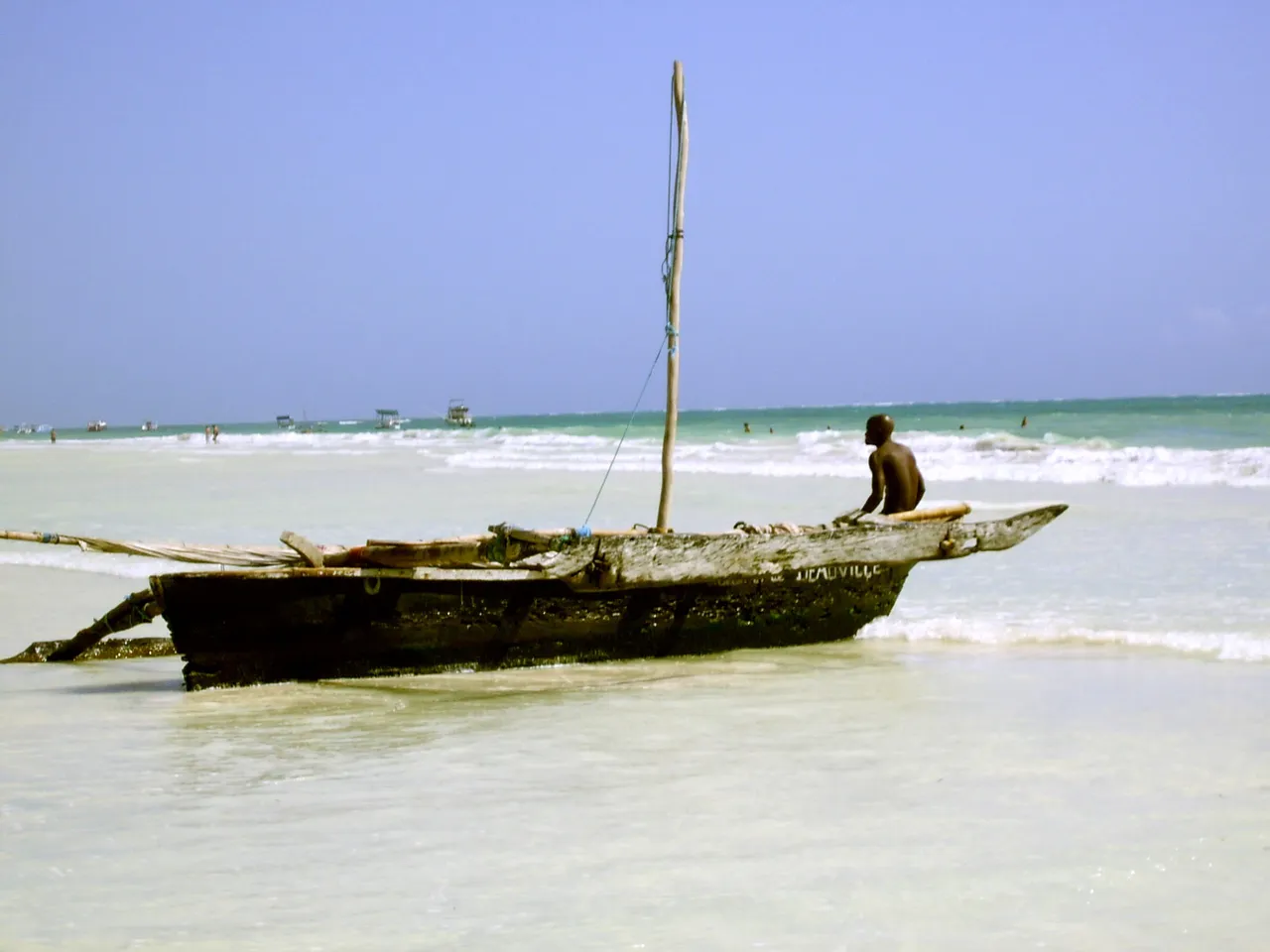 1 safariBeachDianiKwale County, south coast Gazetted 1978 39 km² Jul to Oct, Dec to MarReef-protected swimmingKite surfingColobus monkeysExplore Diani
 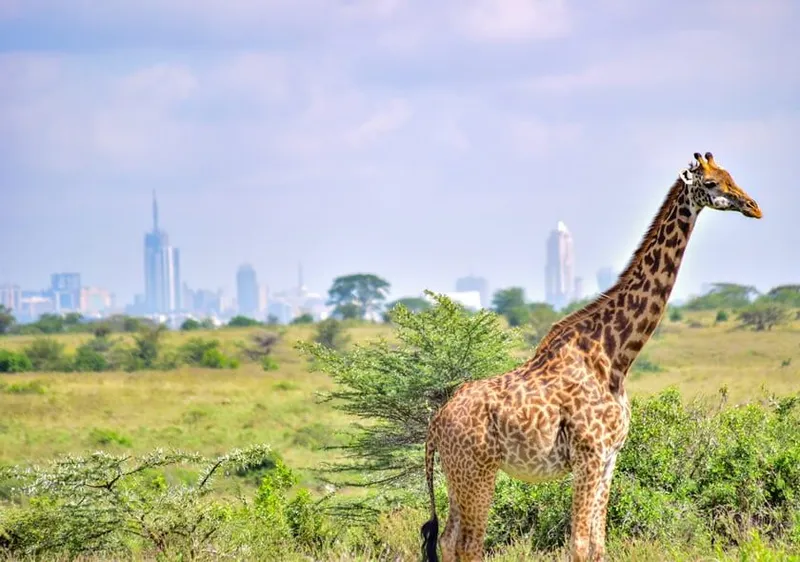 1 safariNational ParkNairobi National ParkNairobi County Gazetted 1946 117 km² Jan to Feb, Jun to OctBlack rhinoCity skyline backdropOver 400 bird speciesExplore Nairobi National Park
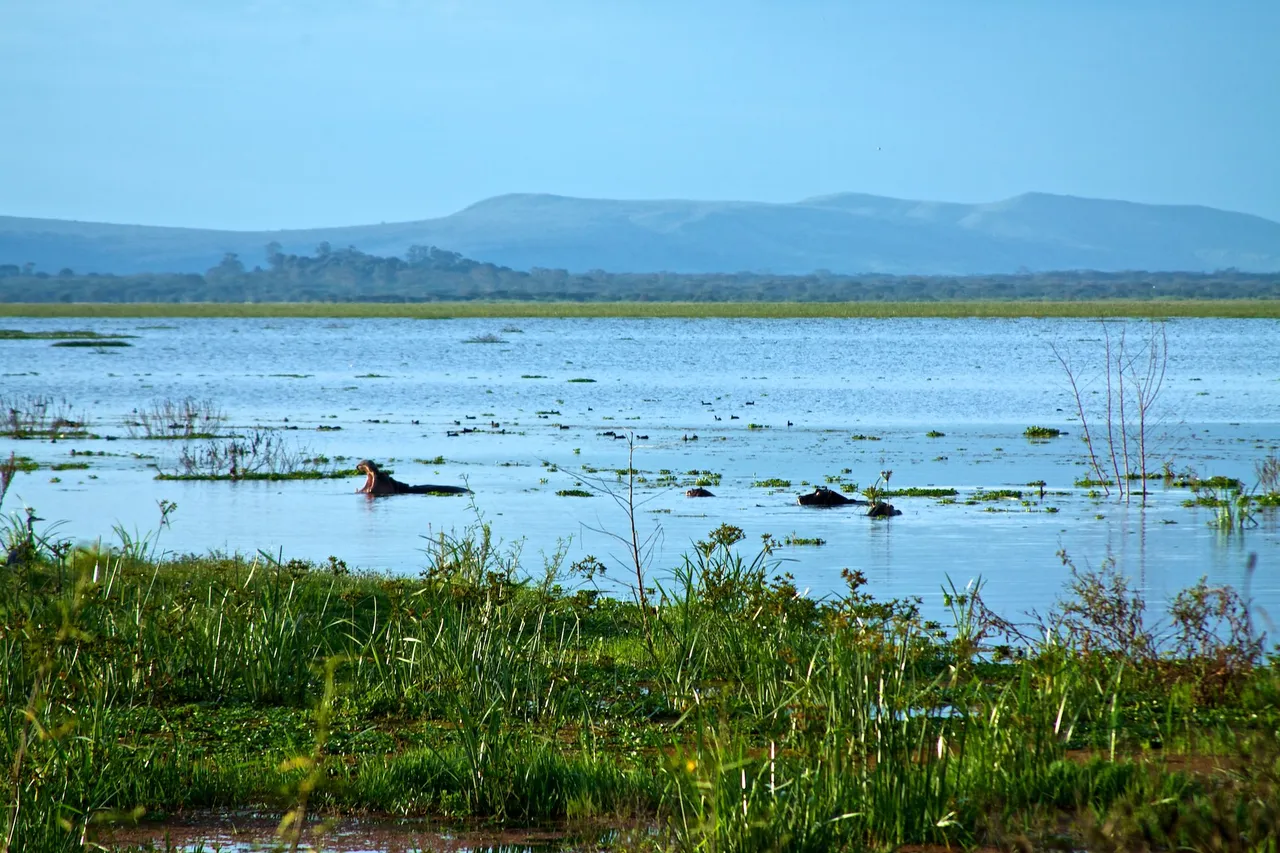
 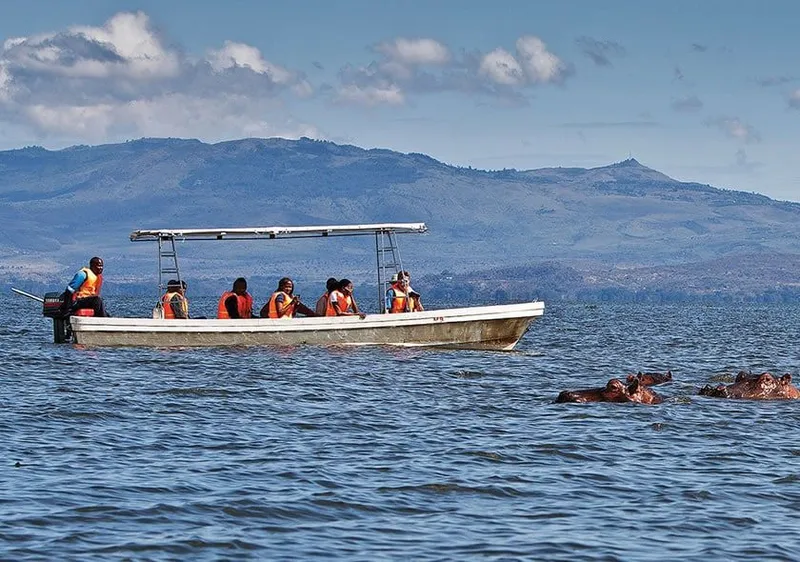 1 safariLakeLake NaivashaNakuru County, Rift Valley Gazetted 1995 139 km² Jun to Oct, Dec to FebBoat safaris among hippoFish eaglesWalking on Crescent IslandExplore Lake Naivasha
 Featured safaris
The Kenya safaris our guests book most
Every price includes park entry fees, transport in a pop-top 4×4, and your driver-guide. Nothing here has a hidden supplement waiting at the gate.
See all safaris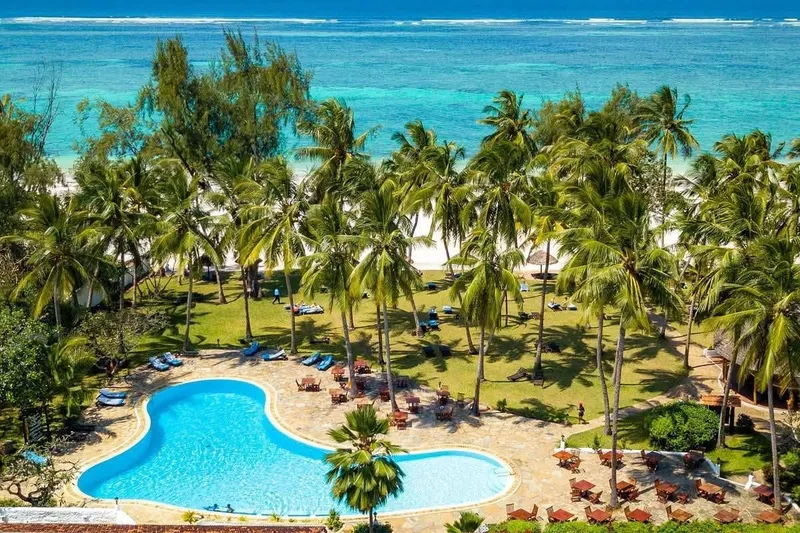
Featured
Resident rate: Ksh 48,000
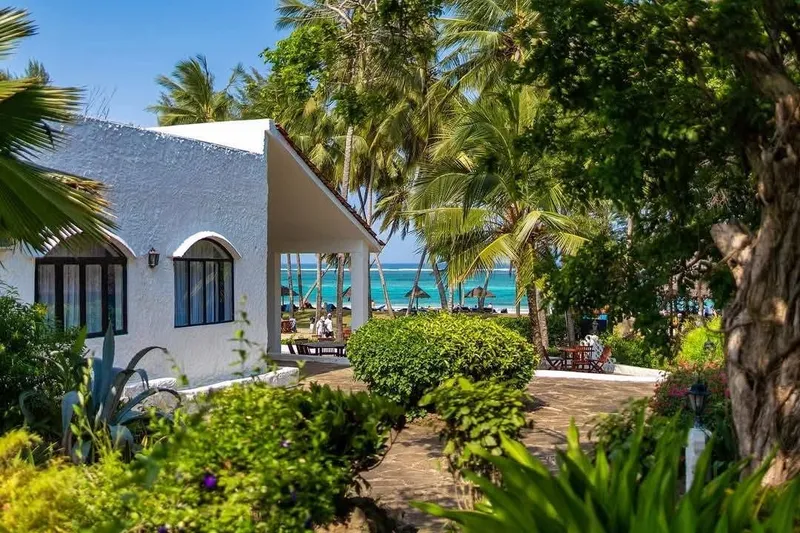
Diani Local getaway
Diani beach, all inclusive by train
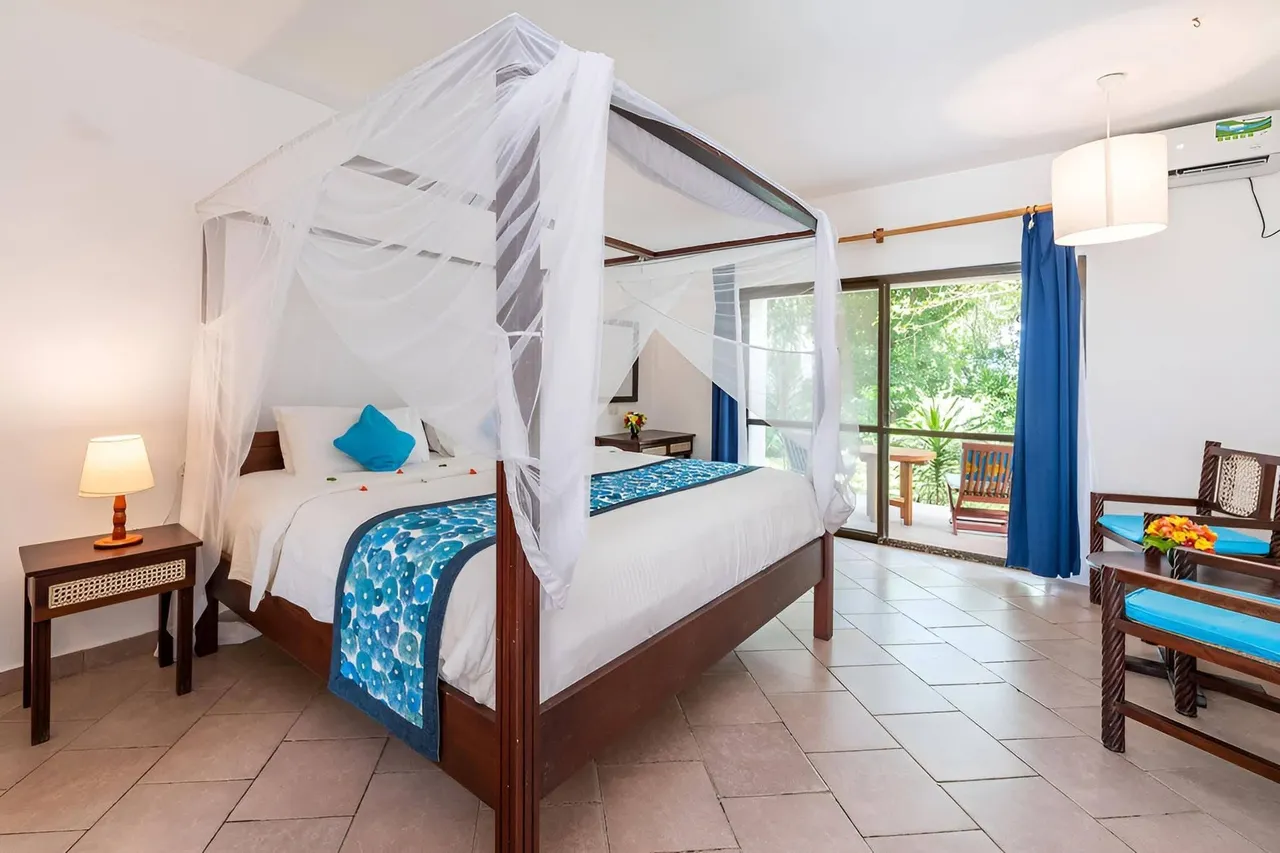
Three nights on the south coast, all inclusive, with the train from Nairobi and private transfers included. From KES 48,000 per person sharing.
From $371 per person sharing
Featured
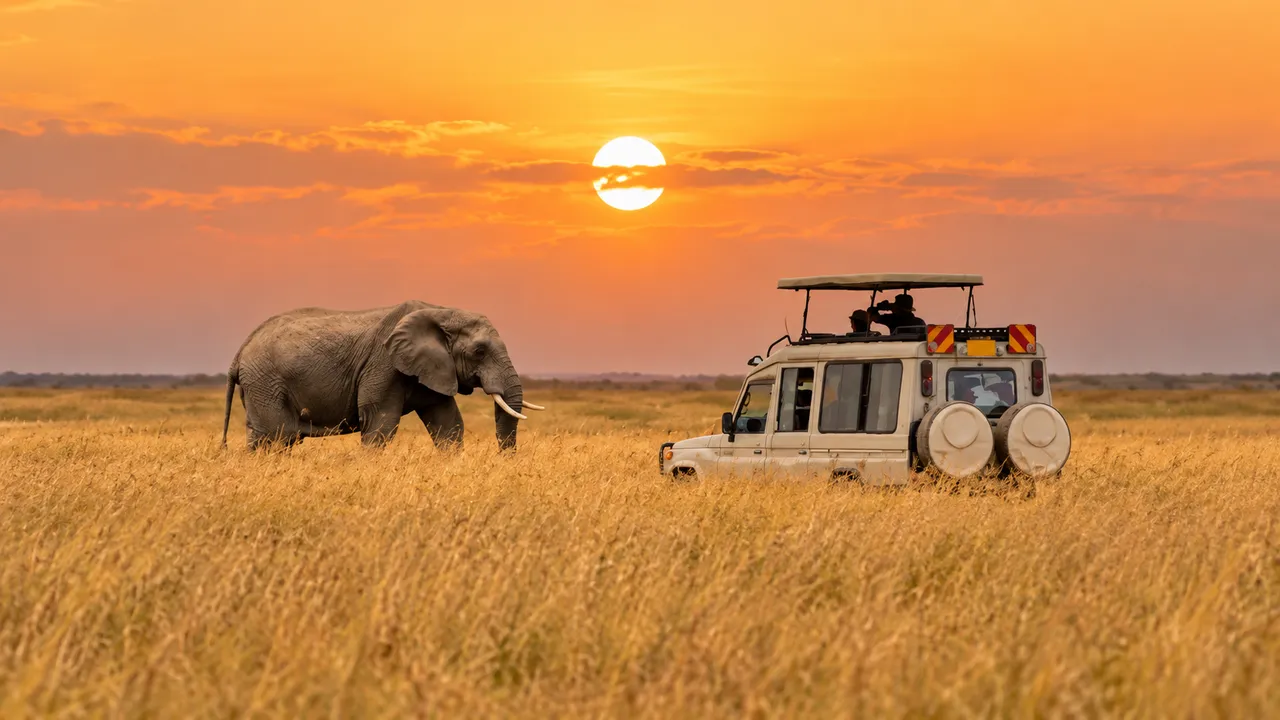
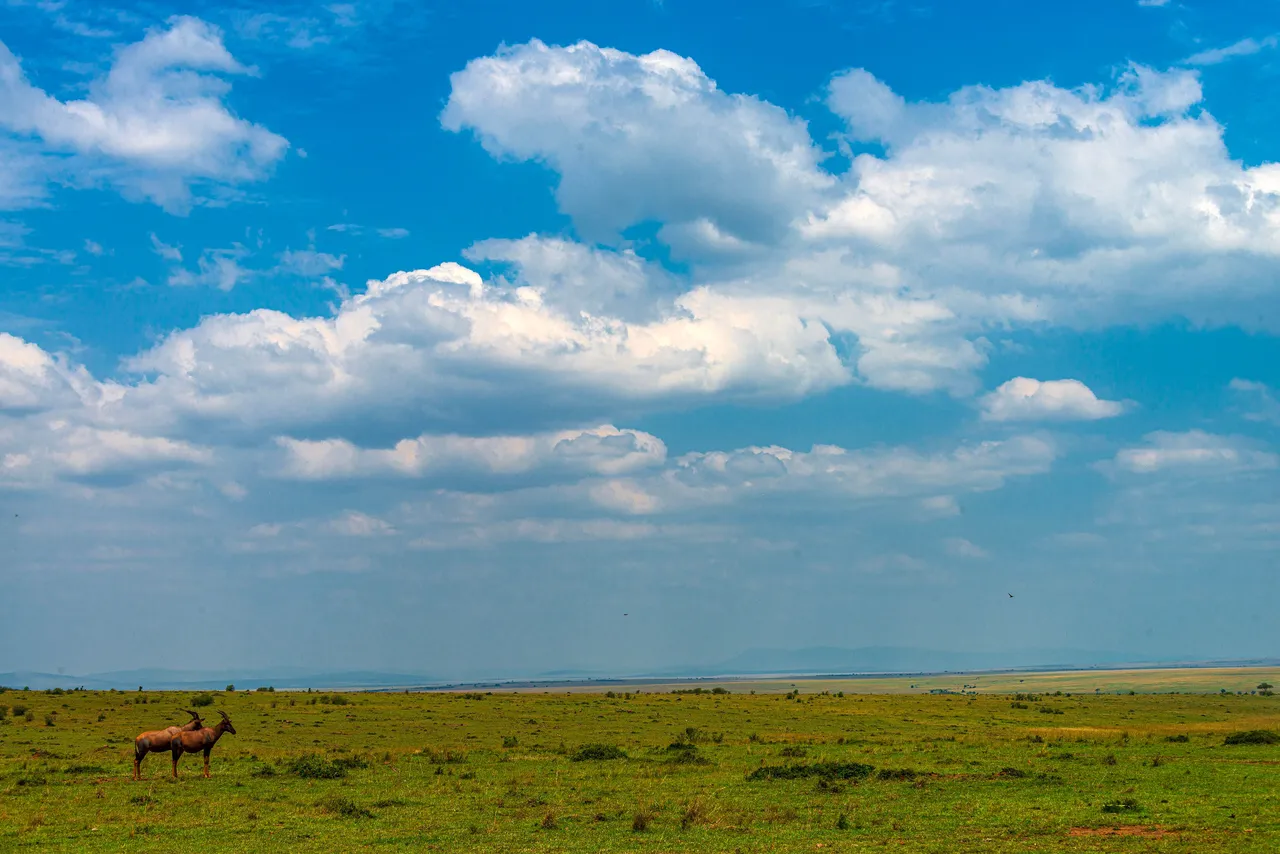
Masai Mara Long safari
Ol Pejeta, Lake Naivasha and the Masai Mara
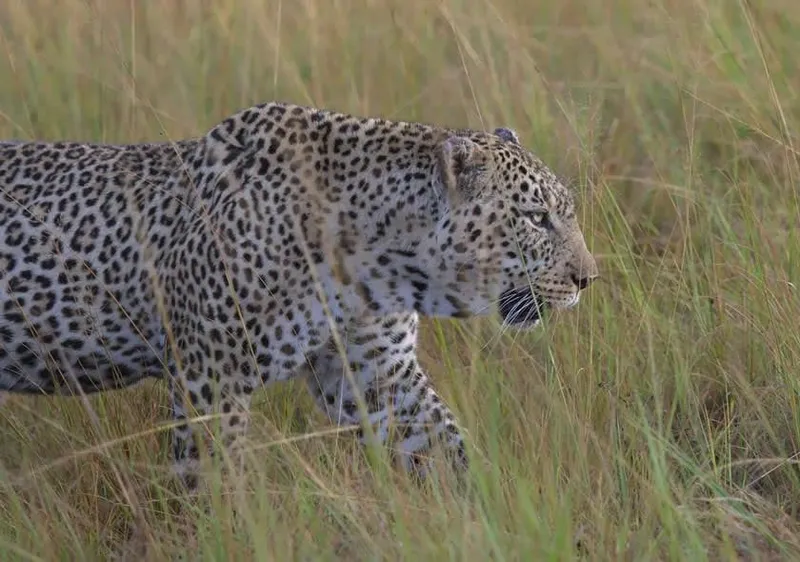
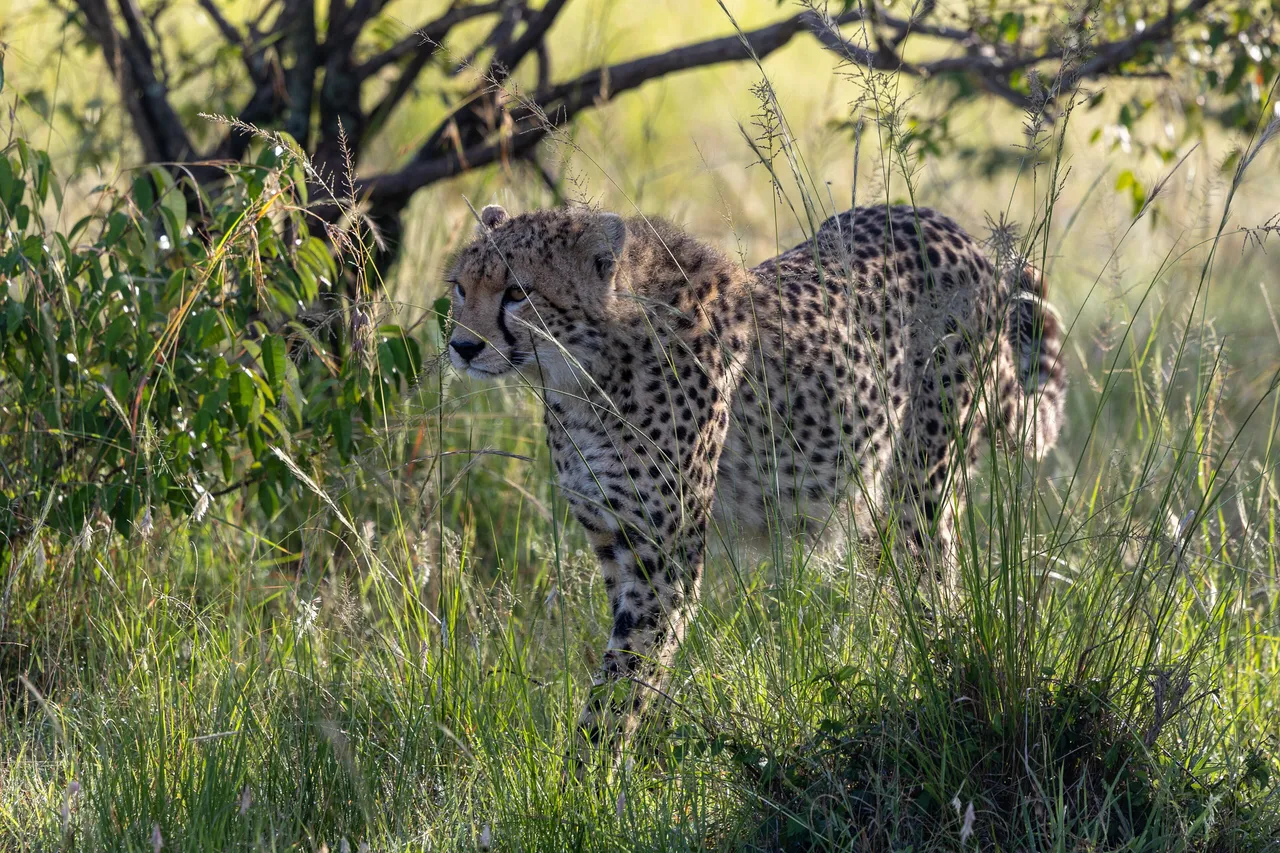
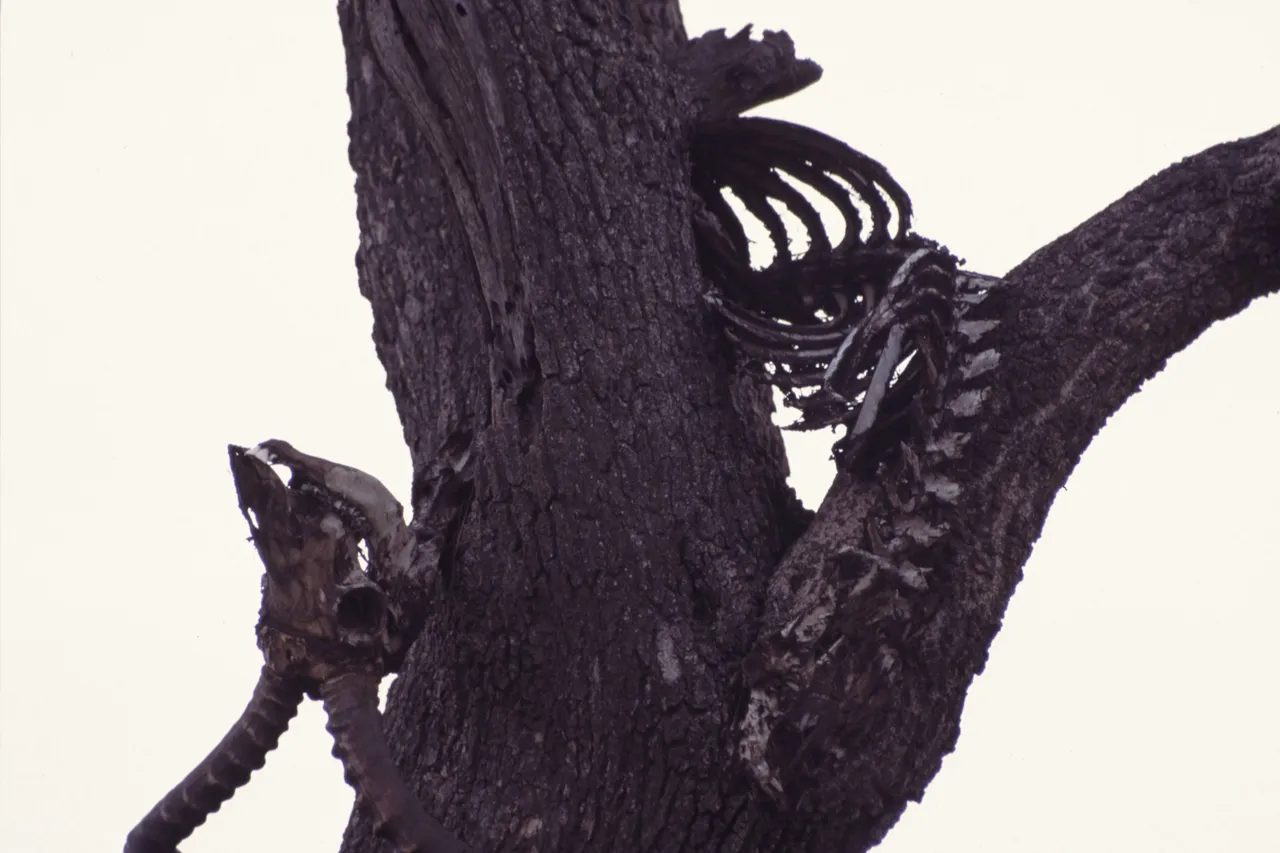
Five days across three landscapes, a rhino conservancy, a Rift Valley lake, and the Mara. This 5 day Masai Mara safari is the trip most people should take if they only take one.
From $1,570 per person sharing
Featured
Masai Mara Short safari
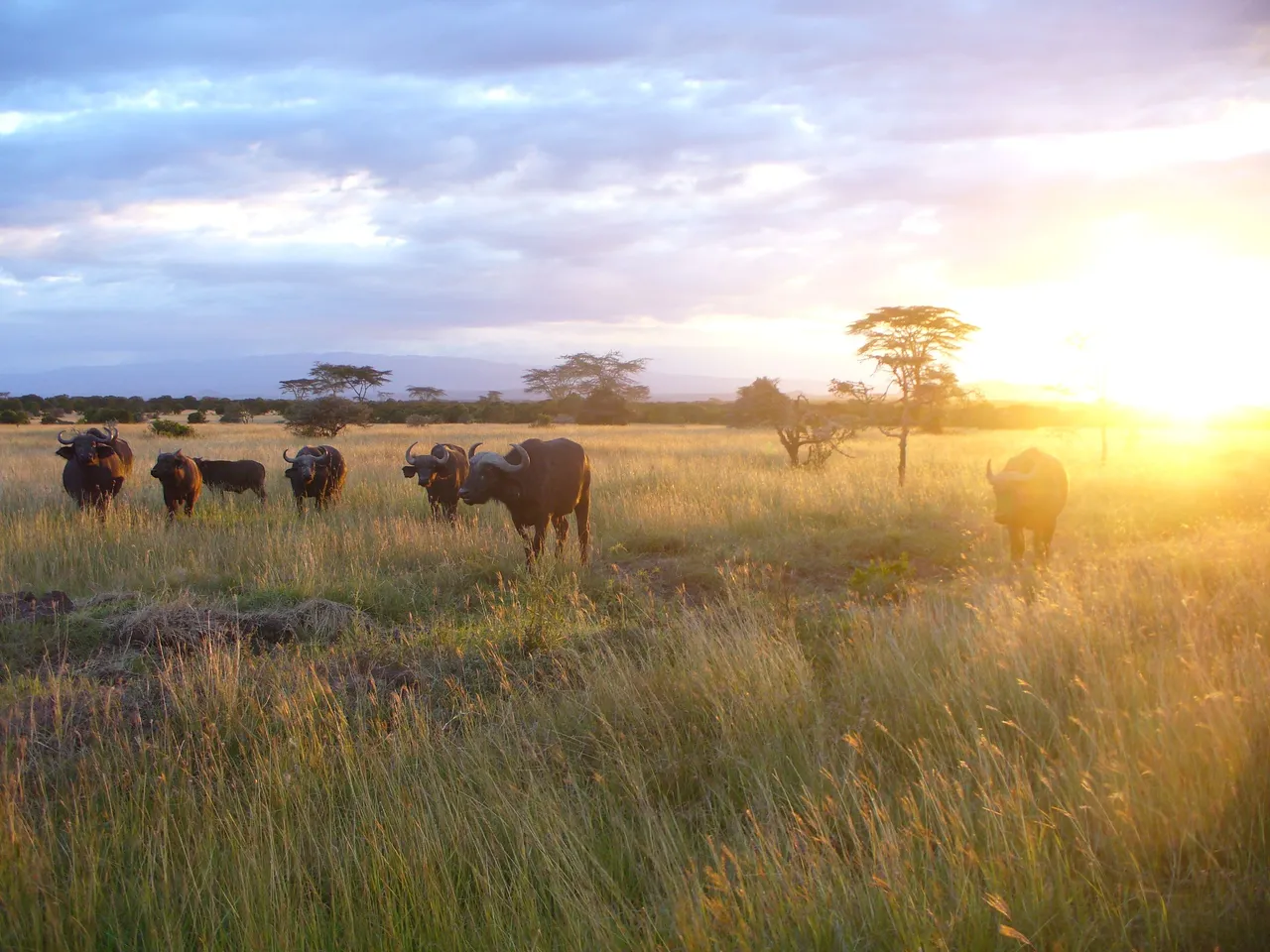
Masai Mara, three days by road
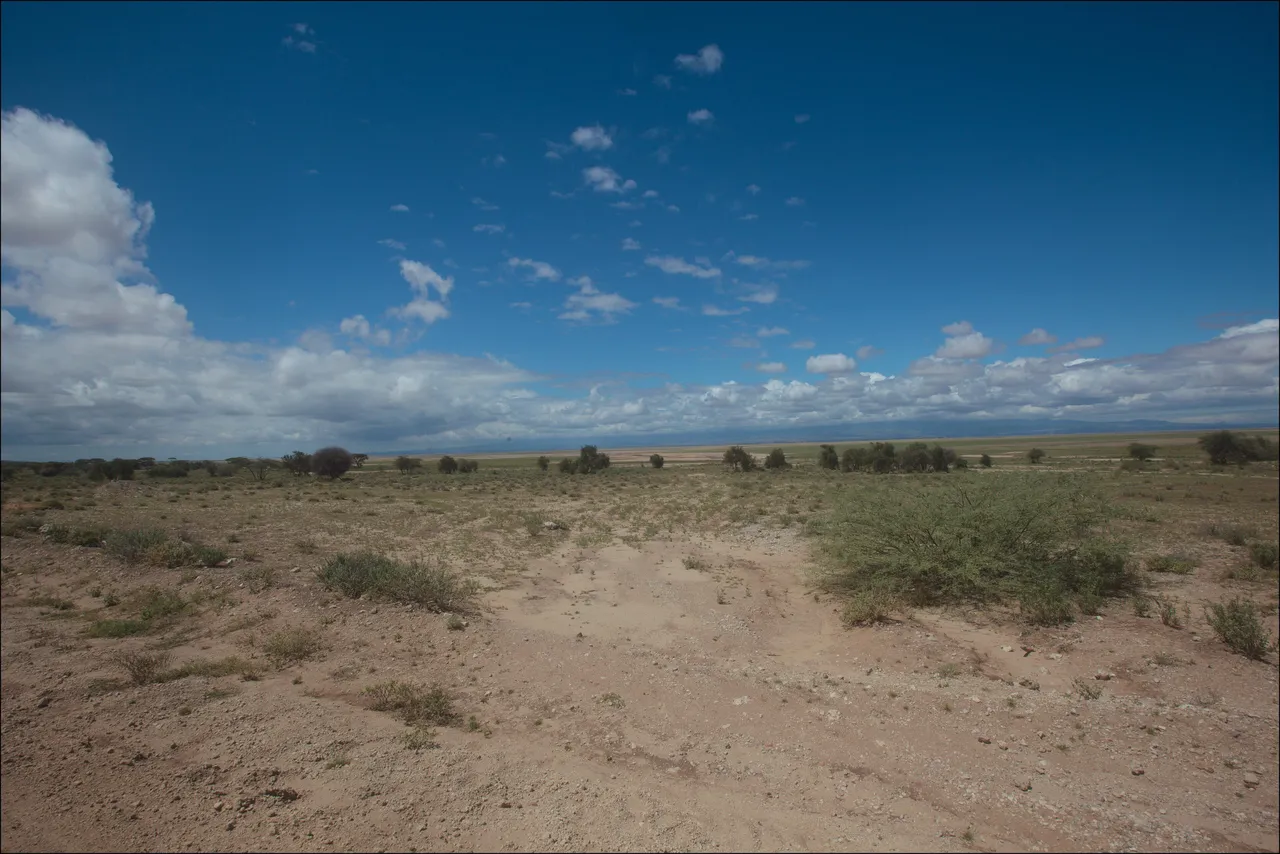
Two nights on the Mara with a full day inside the reserve. A 3 day Masai Mara safari is the shortest trip that gives you a proper day in the park rather than a drive there and back.
From $780 per person sharing
Featured
Amboseli Short safari
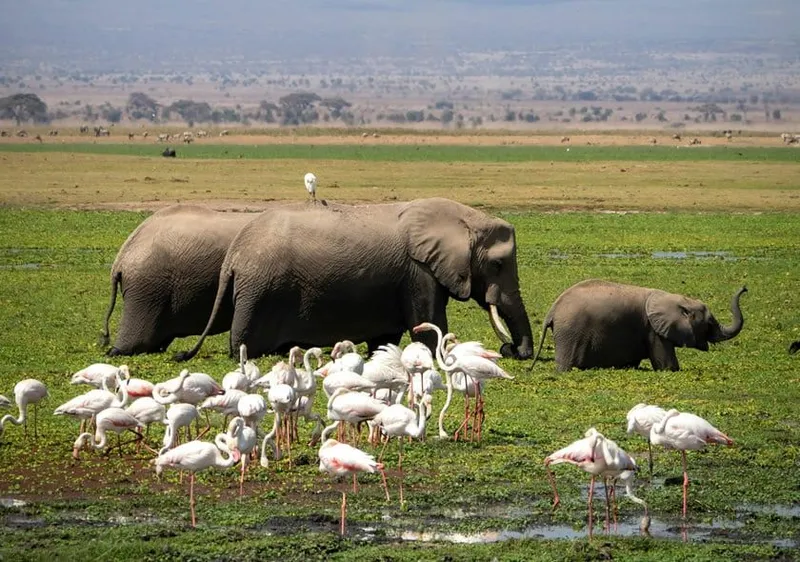
Amboseli, two days beneath Kilimanjaro
One night in the elephant park beneath Kilimanjaro. An Amboseli safari from Nairobi is four hours on good road, which is what makes two days genuinely worth doing.
From $520 per person sharing

Featured
Nairobi National Park Day trip
Nairobi National Park, a full day
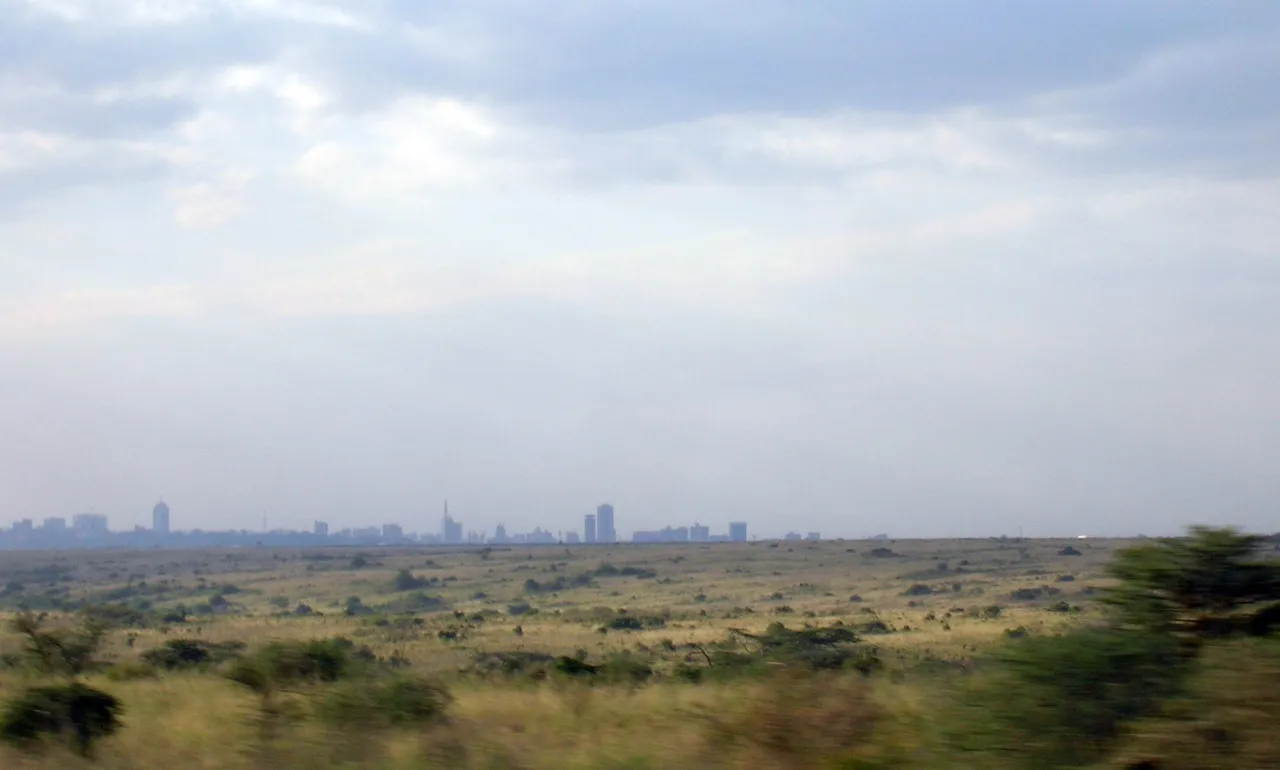
A Nairobi National Park day trip covers the only national park inside a capital city. Rhino, lion and giraffe against the skyline, with park fees included in the price.
From $119 per person sharing
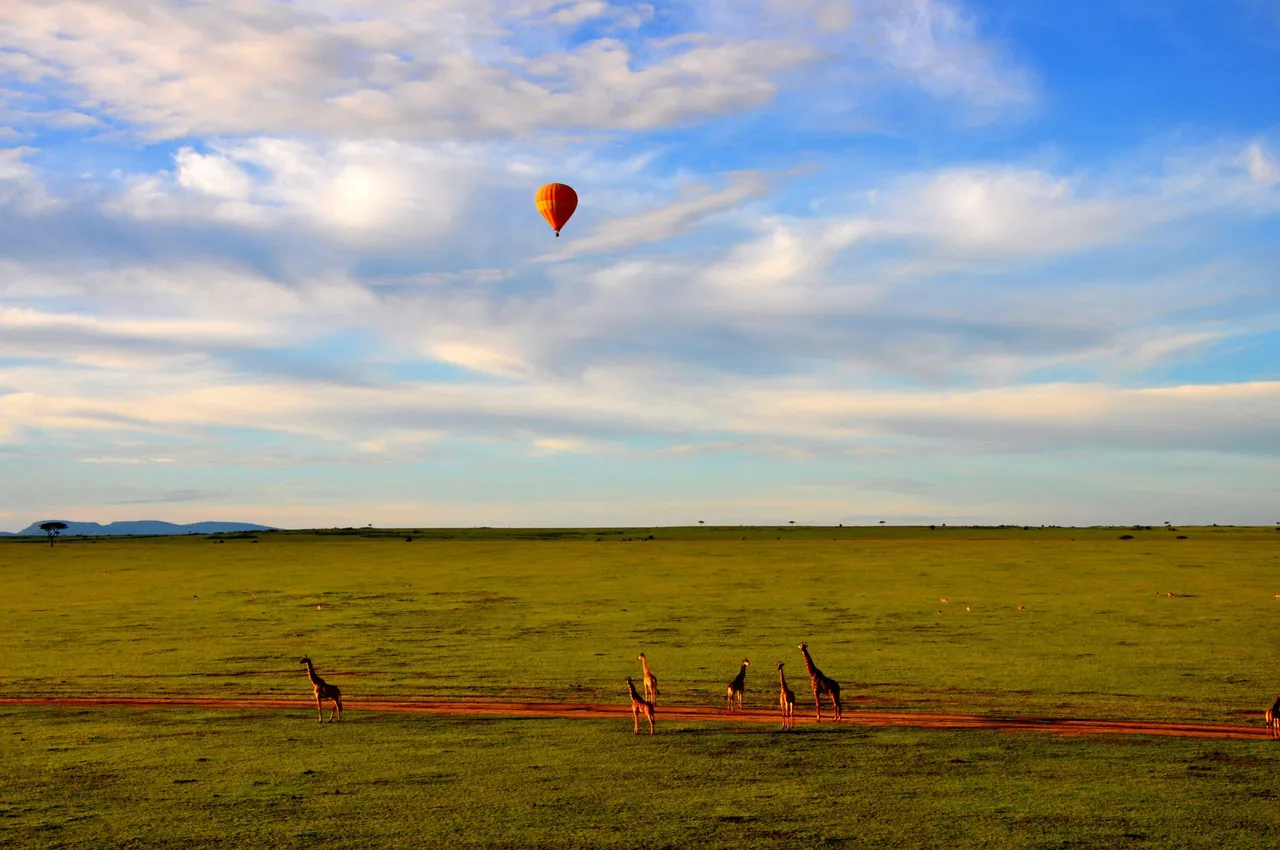
Featured
Masai Mara Flying safari
Flying safari to the Masai Mara
Forty-five minutes in the air instead of six hours on the road. A Masai Mara flying safari gives you as much time in the reserve over three days as a five-day road trip does.
From $2,450 per person sharing
In the field
Ten seconds of what the mornings look like
Shot on our own game drives across the Mara, Amboseli, Samburu and Ol Pejeta. No staging, no captive animals, and no borrowed footage from somewhere that is not Kenya.
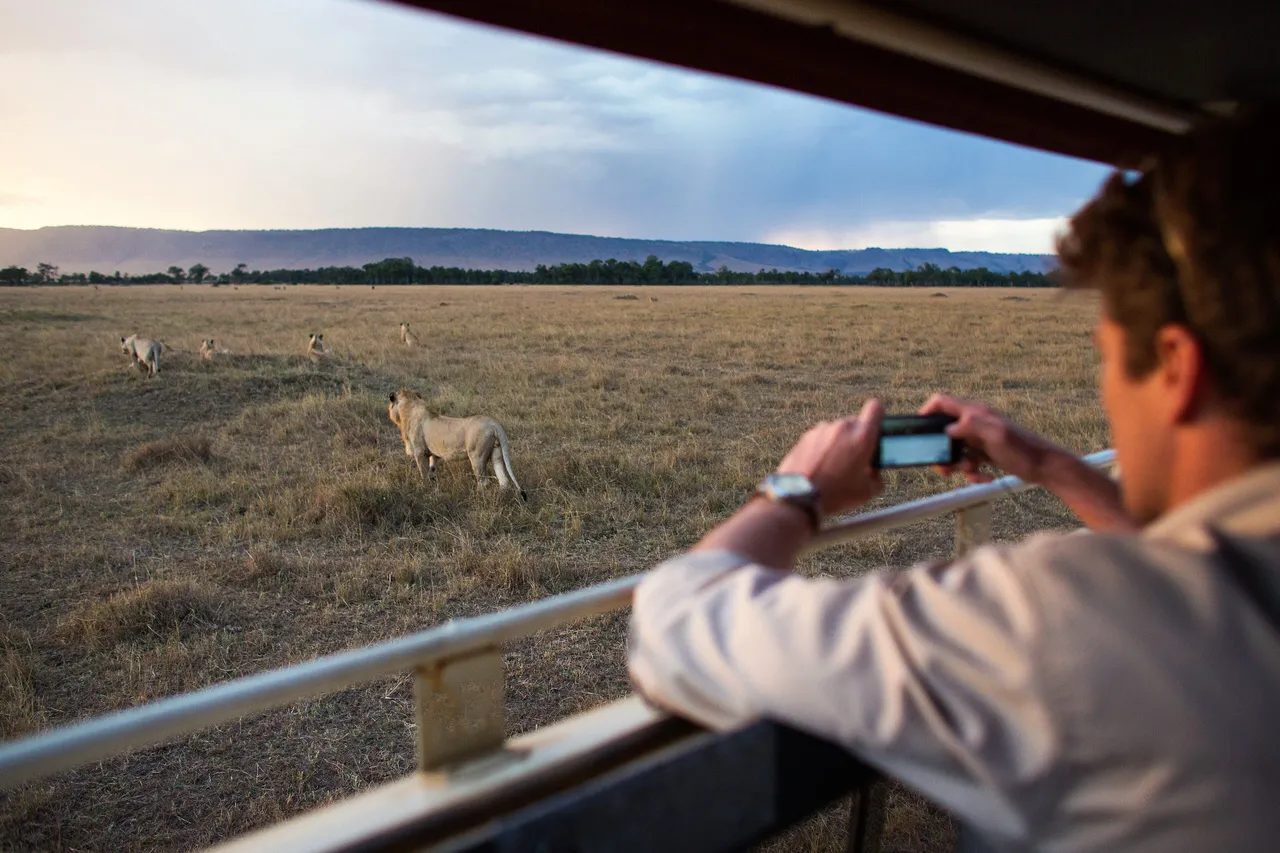
Masai MaraA pride still out at first light, before the heat moves them into shade
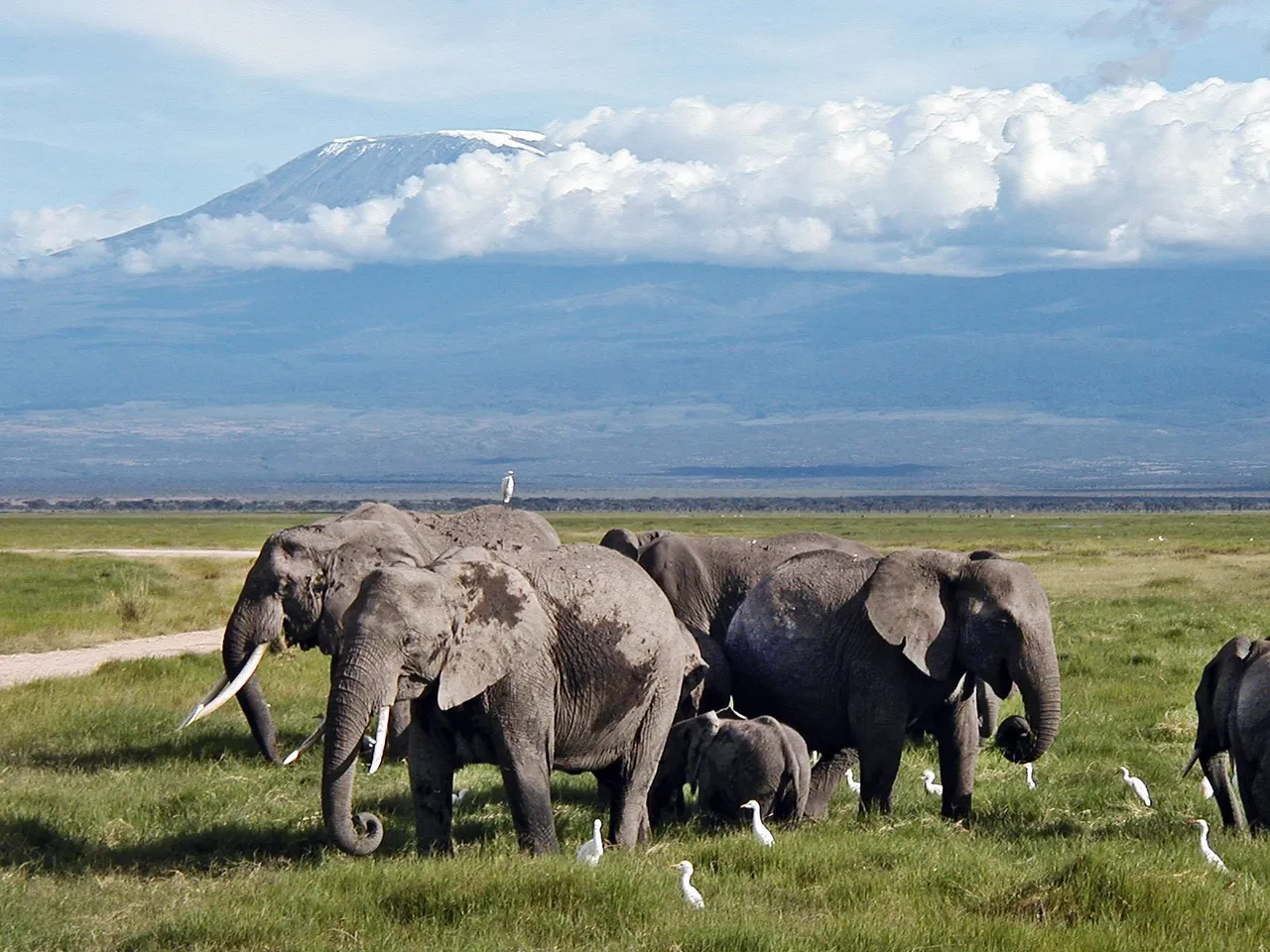
AmboseliThe mountain clear for the hour after dawn, and rarely much longer
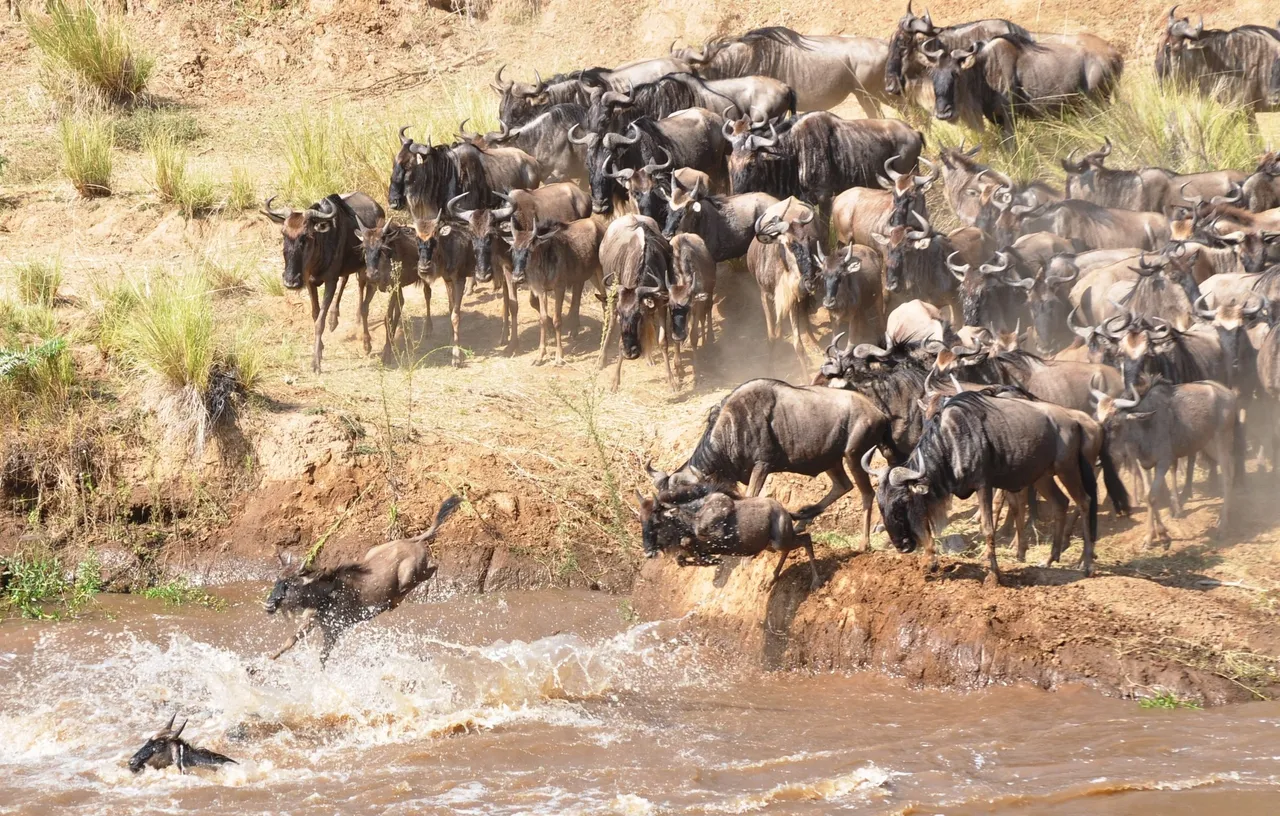
Mara riverA crossing: unscheduled, rain-driven, and never guaranteed
SamburuReticulated giraffe on the Ewaso Ng'iro, five hours north of the crowds
Ol PejetaBlack rhino tracked on foot with the conservancy rangers
The hour that matters
First light is not a photo opportunity. It is the whole trip.
Cats hunt at dawn and lie up by nine. Every itinerary we write leaves camp before sunrise, because the difference between seeing a kill and hearing about one is almost entirely what time you left.
I had a farm in Africa, at the foot of the Ngong Hills.
Karen Blixen
Where to go
The most famous parks in East Africa
Kenya is not one landscape and the parks are not interchangeable. Each hub below covers when the park was gazetted, what it was created to protect, the animals it is genuinely known for, and the communities whose land it borders.
National Reserve Masai Mara
The Great Migration · Lion, leopard and cheetah · Mara River crossings
- 5.5h drive · 45min flight
- Best Jan to Feb, Jul to Oct
National Park Amboseli
Large elephant herds · Kilimanjaro views · Big tuskers
- 4h drive · 45min flight
- Best Jan to Feb, Jun to Oct
National Reserve Samburu
Grevy’s zebra · Reticulated giraffe · Gerenuk and beisa oryx
- 5.5h drive · 60min flight
- Best Jan to Feb, Jun to Oct
National Park Lake Nakuru
Black and white rhino · Rothschild’s giraffe · Flamingo when water levels allow
- 3h drive · 30min flight
- Best Jan to Feb, Jul to Sep
National Park Mount Kenya
Point Lenana trek · Giant lobelia and groundsel moorland · Forest elephant and colobus
- 3.5h drive · 45min flight
- Best Jan to Feb, Aug to Sep
Conservancy Ol Pejeta
The last two northern white rhinos · Largest black rhino population in East Africa · Sweetwaters chimpanzee sanctuary
- 3.5h drive · 45min flight
- Best Jan to Feb, Jun to Oct
By length
How long have you got?
The second question, after where. A day trip and a five-day journey are different products, not the same one at different prices.
Out and back
Day trips from Nairobi
Leave after breakfast, be back for dinner. Nairobi National Park, Lake Naivasha, the Giraffe Centre. A good first move if you have a long layover, or someone with you who is still deciding.
2 to 4 days
Short safaris
One or two parks, one or two nights. Amboseli beneath Kilimanjaro, Lake Nakuru for rhino, or three days on the Mara, which is enough for a proper full day in the reserve rather than a drive there and back.
5 days and beyond
Long journeys
More than one Kenya. A conservancy, a Rift Valley lake and the Mara; or north to Samburu for the five species that occur nowhere else on the circuit.
Skip the road
Flying safaris
Forty-five minutes in the air instead of six hours on the road, and conservancy camps at the other end where vehicle numbers are capped. Three days that hold as much game viewing as a five-day drive.
Why book with us
Small operator, no sub-contracting
Arswan is a Nairobi company with its own vehicles and its own guides. That is the whole difference, and it shows up in the things that go wrong on other people's trips.
Guides who are from here
Our driver-guides are Kenyan, professionally assessed, and most have worked the same parks for a decade. They know which pride moved where last week. You get the same guide for your whole trip.
Our own vehicles
Pop-top Land Cruisers we own and service ourselves, not sub-contracted at the last minute. Six guests maximum on long trips, so everyone has a window and nobody sits over the wheel arch.
Park fees in the price
Every price on this site includes park and conservancy entry fees, a substantial cost, and the line most often left out of a headline rate. Flying Doctors cover is included on all multi-day trips.
Answers before deposits
We will tell you when a camp is not worth its rate, when the flamingos are not at Nakuru, and when the month you picked is the wrong one. Your itinerary is priced in full before you pay anything.
Amboseli
Elephants, and a mountain that only shows up early
Kilimanjaro is clear at dawn and around dusk and spends much of the middle of the day behind cloud. We plan the drives around that rather than hoping, and we say so before you book.
Amboseli safarisThe people whose land this is
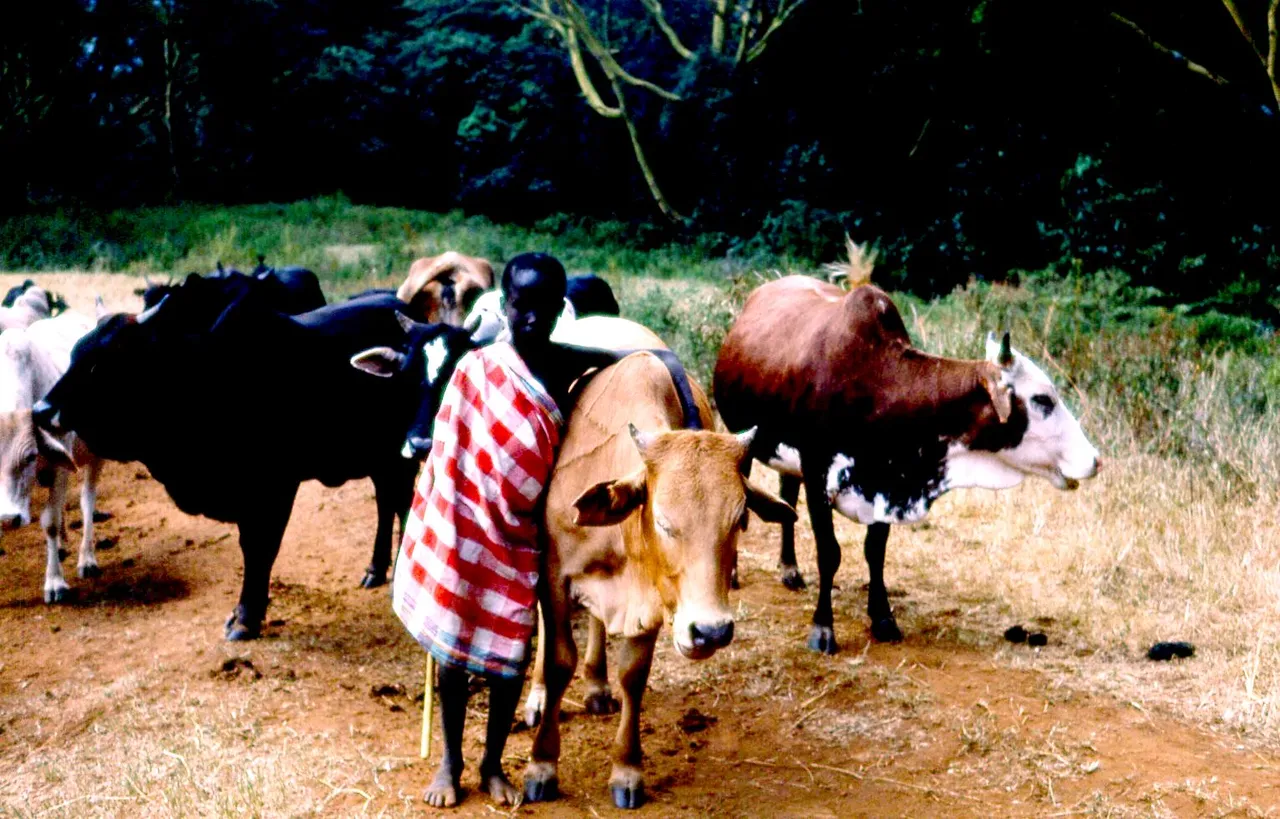
Every conservancy bordering the Mara is leased from Maasai families, and those lease payments are the reason the land is still open. Samburu works the same way further north.
A visit to a village is not a side attraction to the safari. It is a look at the arrangement that makes the safari possible. The families whose land the conservancies sit on hold the title, the camps pay a monthly rent per acre, and in exchange the land stays unfenced and the cattle move to an agreed grazing plan.
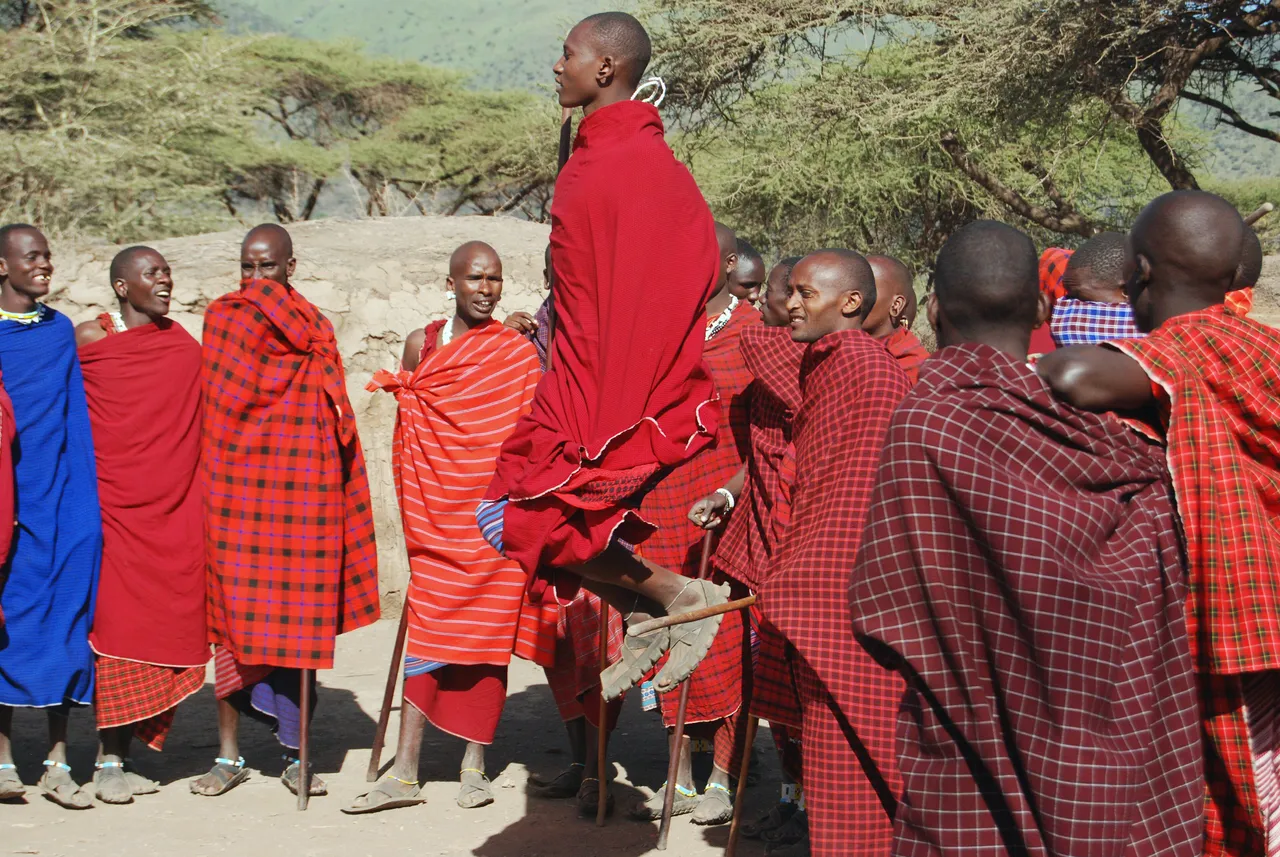
We will be straight with you about what a village visit is. The adumu shown here is real, and it is also put on for guests rather than happening by chance. That is normal and worth knowing in advance. The fee goes to the community, and we will tell you what it is before you go. Always ask before photographing anyone.
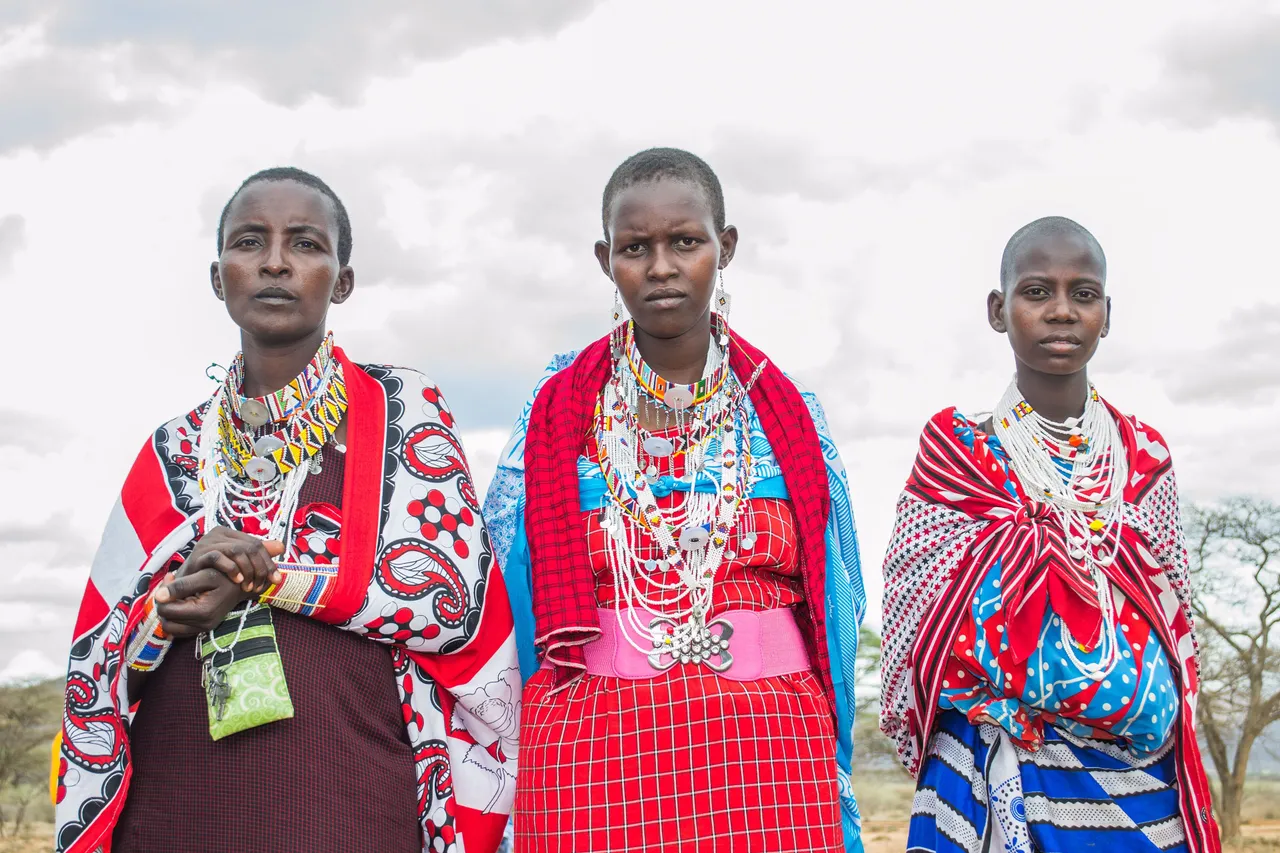
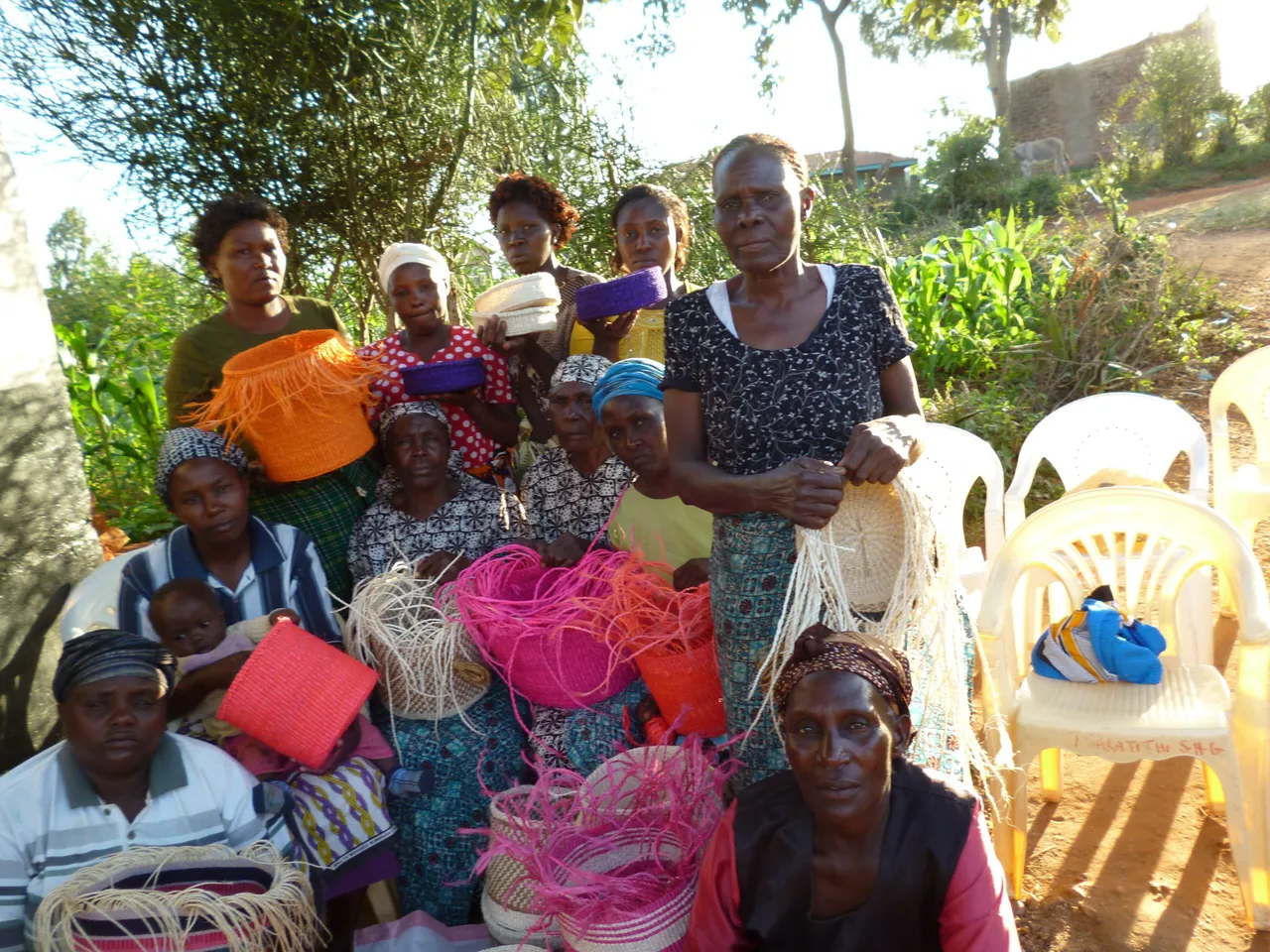
The women in the beadwork photograph are wearing what they make, and it is the clearest example of money reaching the right hands. Bought from a cooperative, the price goes to the woman who strung it. Bought at a gate stall, you are usually paying a reseller two or three steps removed from her. The colours are not decorative either. They carry meaning the women will happily explain if you ask.
What you get in return, if you actually talk to people, is a much better understanding of why there is wildlife here at all. Kenya's parks are small. Almost everything that matters happens on the land around them, and that land belongs to somebody.
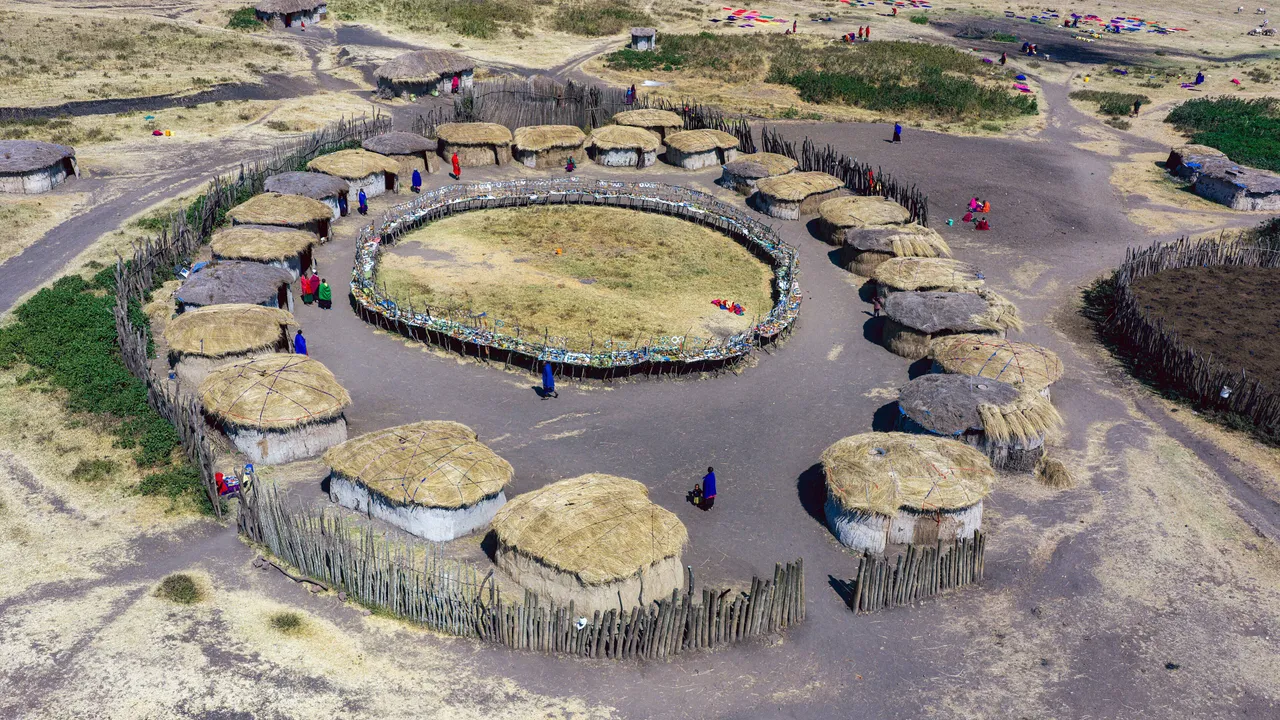
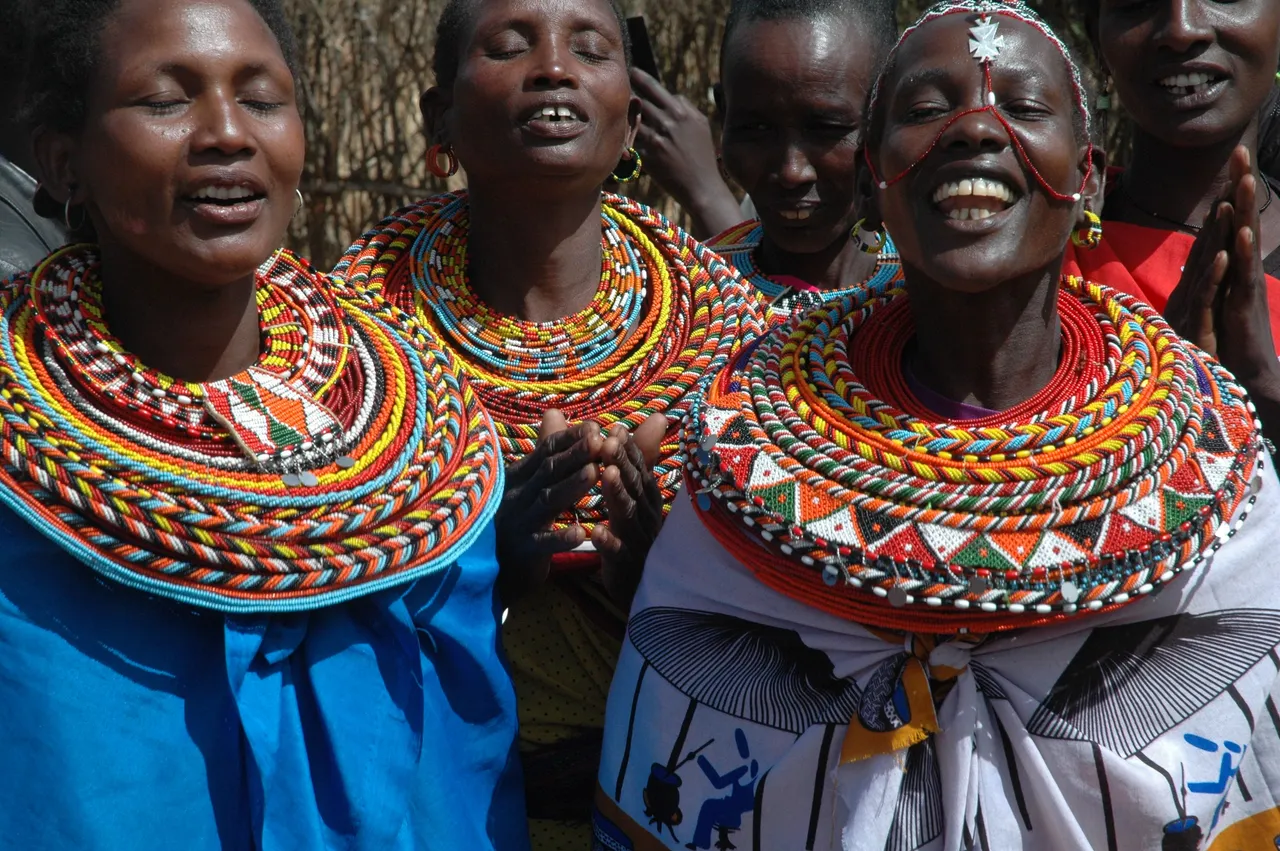
- Village visits arranged directly, so the fee reaches the community
- Guided walks with Maasai and Samburu trackers
- Beadwork cooperatives and craft workshops
- A plain briefing on how the conservancy land leases work
Guest stories
Ask for references
We would rather show you nothing than show you reviews we cannot evidence. Ask, and we will put you in touch with recent guests who took the trip you are considering.
From the guide
Read before you book
What things cost, when to come, and which camps are worth their rate. Written by the people who run the trips.
All articlesNairobi National Park day trip: what to see and how to plan it
Black rhino, lion and giraffe with skyscrapers behind them, twenty minutes from the city centre. How to make the most of a Nairobi National Park day trip.
Read the articleDiani Beach holiday guide: getting there, where to stay and what to do
White sand, a warm reef and an easy train ride from Nairobi. Everything you need to plan a Diani Beach holiday, on its own or after a safari.
Read the articleAmboseli or the Masai Mara: which park should you choose?
Elephants under Kilimanjaro, or big cats and the migration? A straight comparison of Amboseli and the Masai Mara, and when it makes sense to see both.
Read the article Before you book
Questions we get asked
If the answer you need is not here, message us. We would rather talk you out of the wrong trip than sell you one.
Ask on WhatsAppDo I need a visa to visit Kenya?
Most visitors now travel on an Electronic Travel Authorisation (eTA) rather than a visa. You apply online before you fly, upload your passport page and return ticket, and carry the approval with you. Citizens of East African Community member states are exempt. Apply at least a week ahead. Approval is usually quick but is not guaranteed same-day. We will send you the current link and a checklist once your booking is confirmed.
Full answerWhen is the best time to go on safari in Kenya?
Two dry stretches give the strongest game viewing: late June to October, and January to February. The wildebeest herds are generally in the Masai Mara between July and October, which is when river crossings are possible, though never guaranteed, because the herds move on rain, not on a calendar. March to May brings the long rains: green, quiet, and considerably cheaper. November brings short rains that rarely disrupt a day.
Full answerHow much does a Kenya safari cost?
Our lead-in rates run from roughly $119 for a full day in Nairobi National Park to around $1,570 for five days across Ol Pejeta, Naivasha and the Mara, per person sharing. What moves the number most is accommodation class, whether you fly or drive, and how many people share the vehicle. Every price on this site includes park entry fees, transport in a pop-top 4×4, and your driver-guide.
Full answerAre park fees included in your prices?
Yes. Park and conservancy entry fees are included in every quoted price, and they are a substantial part of it. Fees are set by the parks and by county governments and are reviewed periodically, so a quote is held for the dates it was issued against.
Is Kenya safe for tourists?
The safari circuit is well travelled and well policed, and the practical risks are ordinary ones: petty theft in Nairobi, road conditions, and sun. You will be with a professional driver-guide throughout, in a vehicle we maintain ourselves. We follow government travel advisories and will tell you plainly if we think a route should change.
Full answerWhat vaccinations do I need?
A yellow fever certificate is required if you are arriving from a country with risk of transmission, and is worth carrying regardless. Malaria prophylaxis is generally advised for the parks, though Nairobi itself is low risk. Routine vaccinations should be current. This is general information, not medical advice. See a travel clinic six to eight weeks before you fly.
Full answerWhat should I pack?
Neutral colours, layers, and less than you think. Mornings on the Mara are genuinely cold and afternoons are hot. Bring a fleece, a wide-brimmed hat, sunscreen, insect repellent, binoculars, and a soft duffel rather than a hard case. Light aircraft on flying safaris cap baggage at around 15 kg in soft bags, so pack for the tightest leg of your trip.
Full answerHow much should I tip my guide?
Tipping is customary and entirely at your discretion. A common guideline is $10 to $20 per guest per day for your driver-guide, and a smaller amount left in the communal box at each camp for the wider team. Cash in US dollars or Kenyan shillings both work.
Full answerCan I travel solo, or with children?
Both. Solo travellers can join a scheduled small-group departure to avoid a single supplement, or take a private vehicle. Children are welcome on most itineraries; a few camps set a minimum age, and some drives are long for very young children, so tell us their ages and we will steer you to what actually works.
How do I pay, and what happens if I need to cancel?
A deposit confirms your booking, with the balance due before arrival. We accept bank transfer and card, and M-Pesa for Kenyan residents. Cancellation terms depend on how close to departure you are and on the individual camp policies in your itinerary. The exact terms are written into your confirmation before you pay anything.
Take it away with you
Get the itineraries as a PDF
Every safari on this site comes as a printable itinerary with day-by-day detail, what is included, and the price. Send it to whoever you are travelling with. We will add you to a short monthly note on when to travel and what it costs, and nothing else.
- One email a month, at most
- We never share your address
- Unsubscribe in one click
or talk to a person
WhatsApp +254 115 520 817 Not sure where to start? Tell us roughly when, and roughly what you want to see, and we will send back two or three options.
Start a conversation