 01
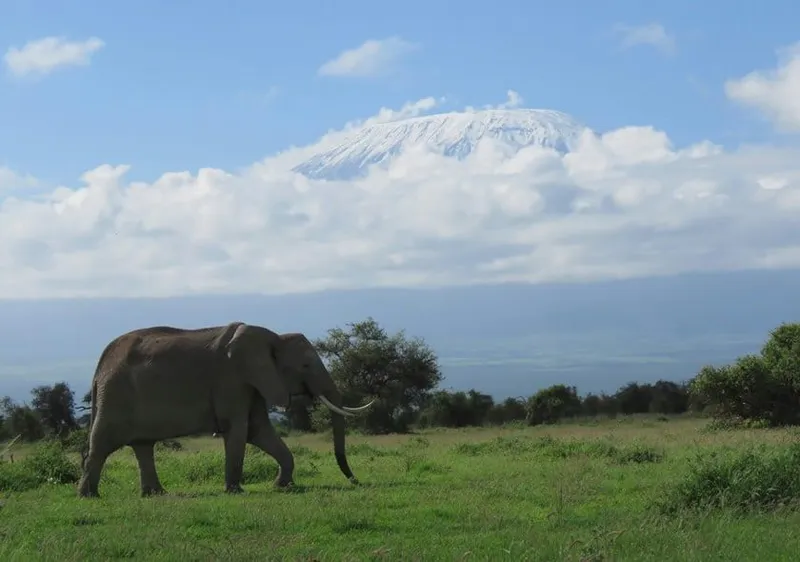
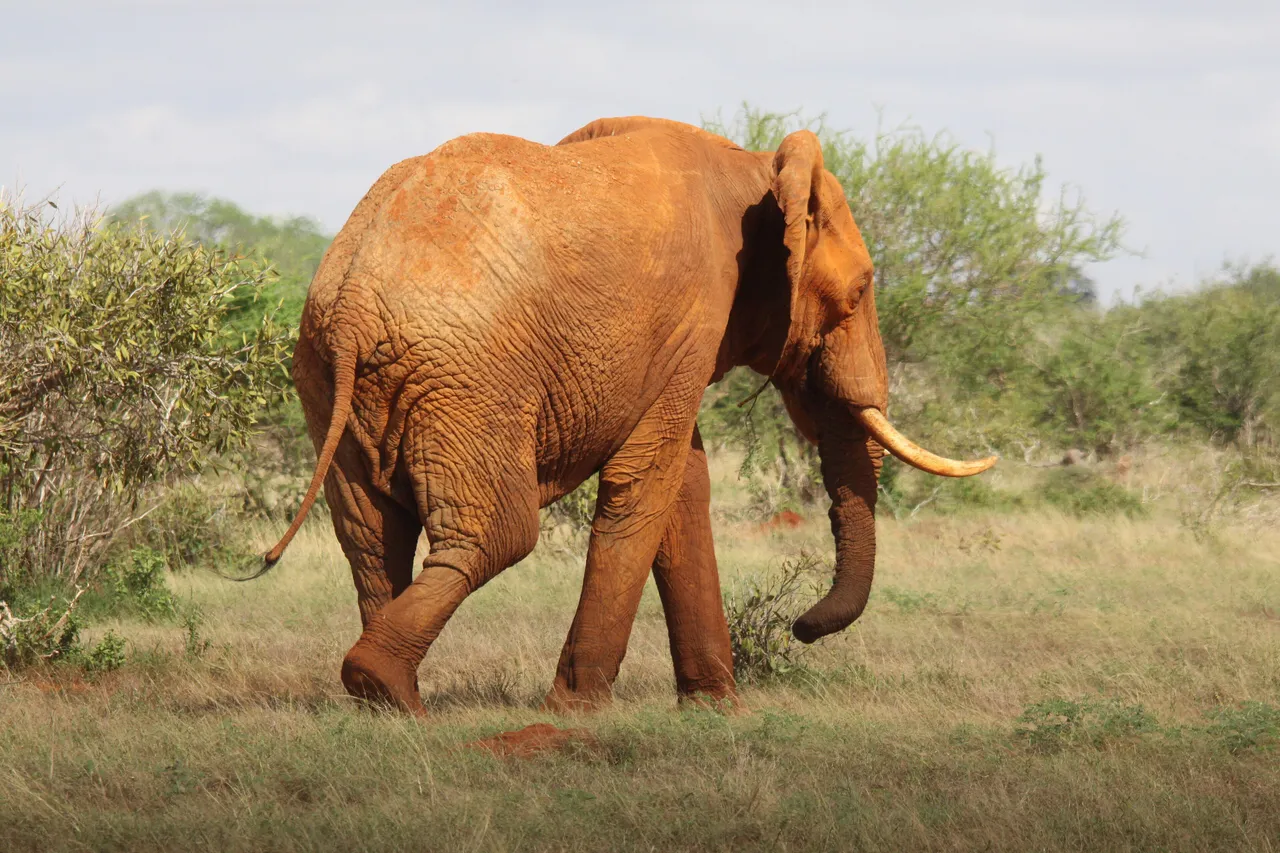
01African elephant
Loxodonta africana
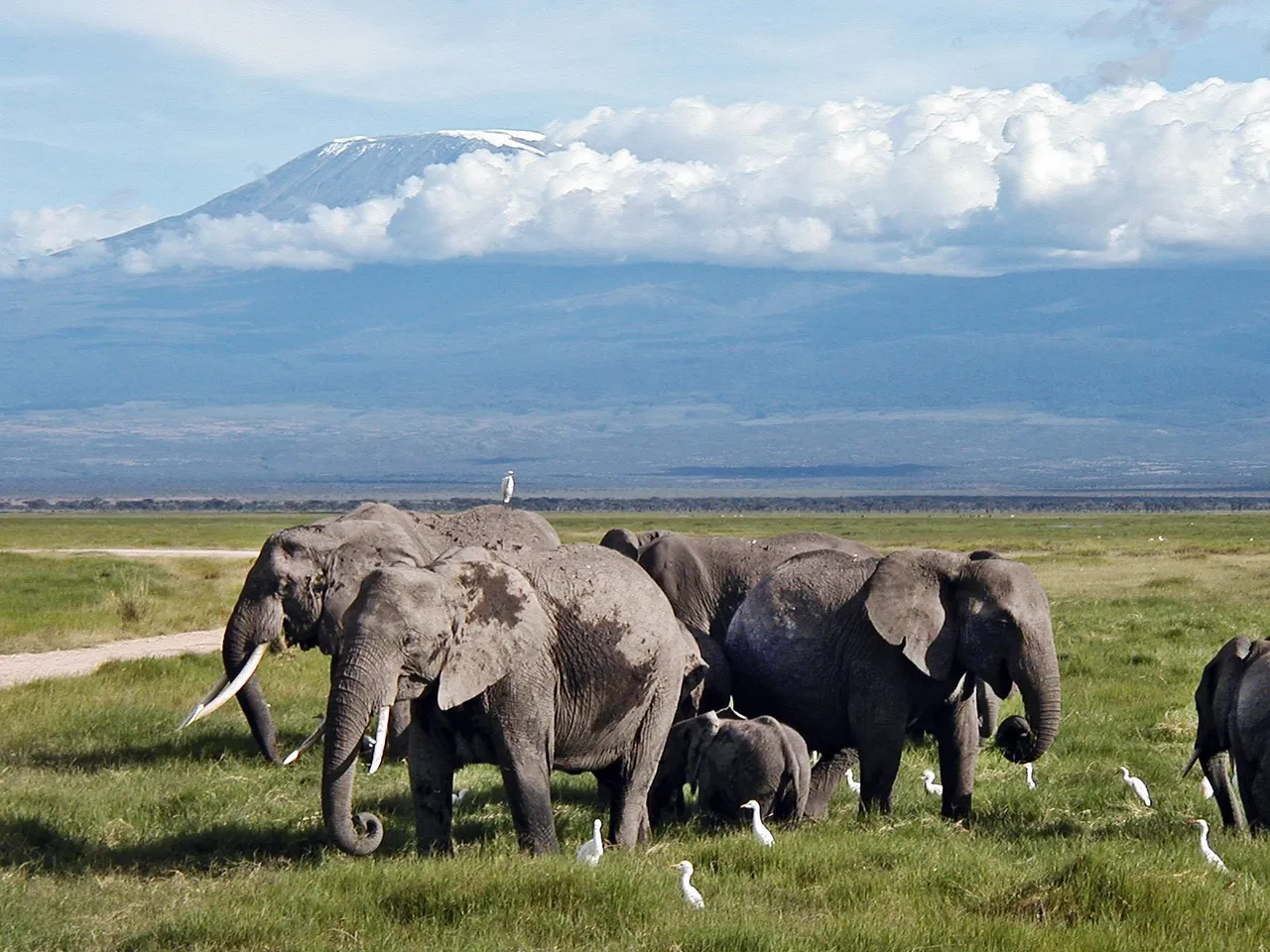
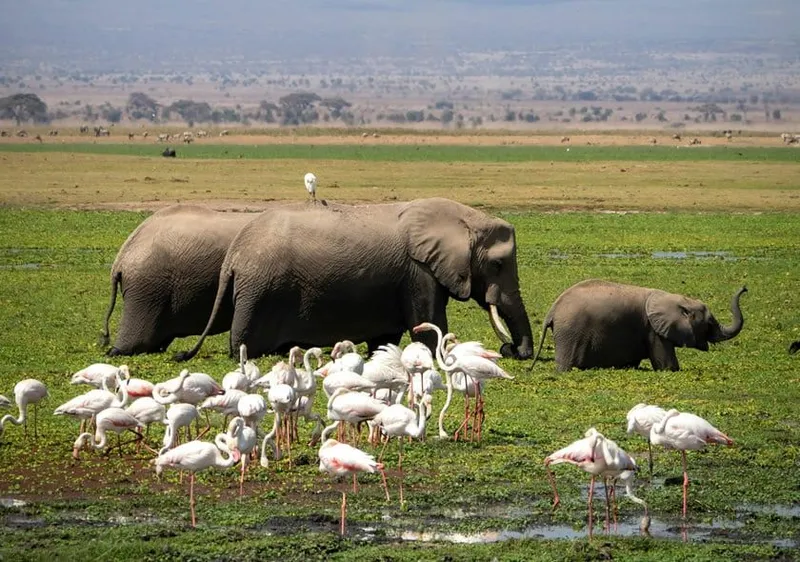
Red from dust-bathing in the local ochre soil, not from any difference in the animal. Tsavo holds Kenya’s largest single population.

Las descripciones de los viajes y las guías de los parques están de momento en inglés. La navegación y los formularios están en su idioma, y respondemos consultas en inglés, francés, español o chino.
WhatsApp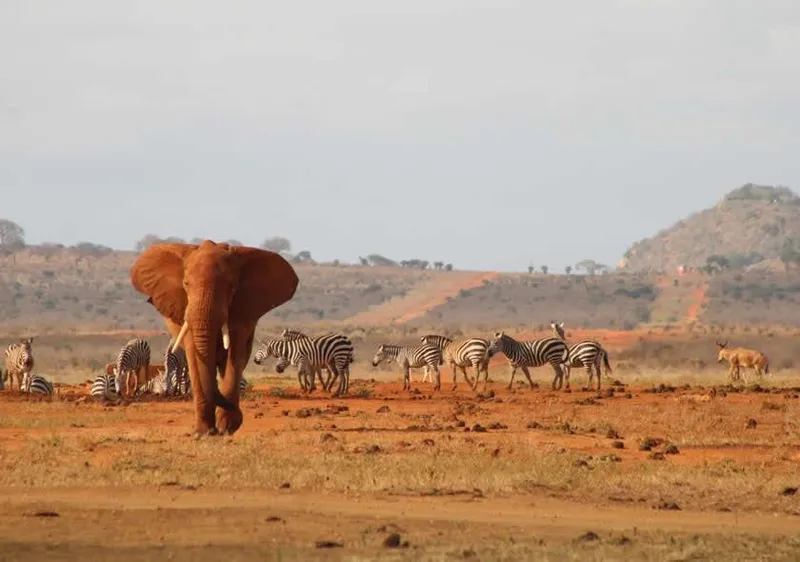
Kenya’s largest protected area, split into East and West by the Nairobi to Mombasa highway. A Tsavo National Park safari means red-dusted elephants and enormous, empty country.
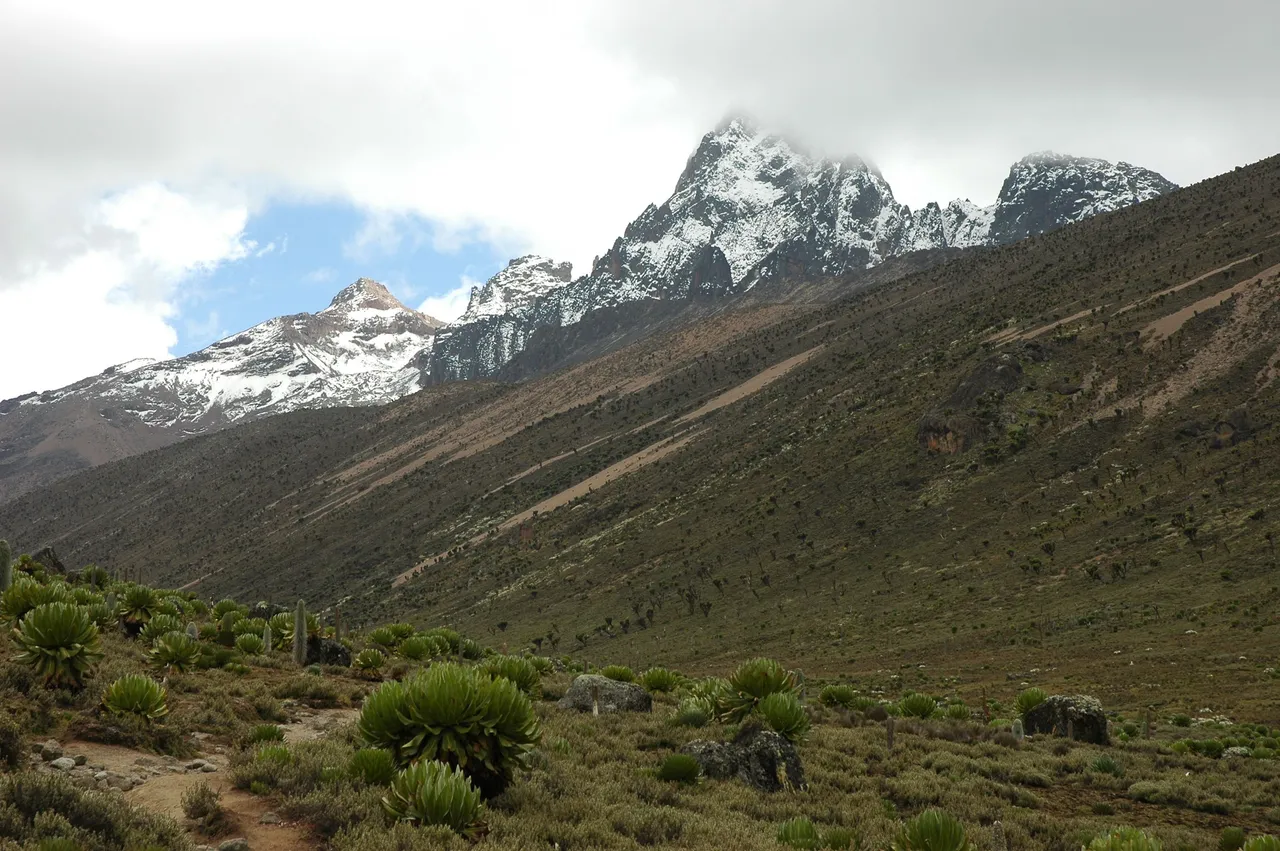
A Tsavo National Park safari means choosing between two very different halves, and understanding that scale is the whole point.
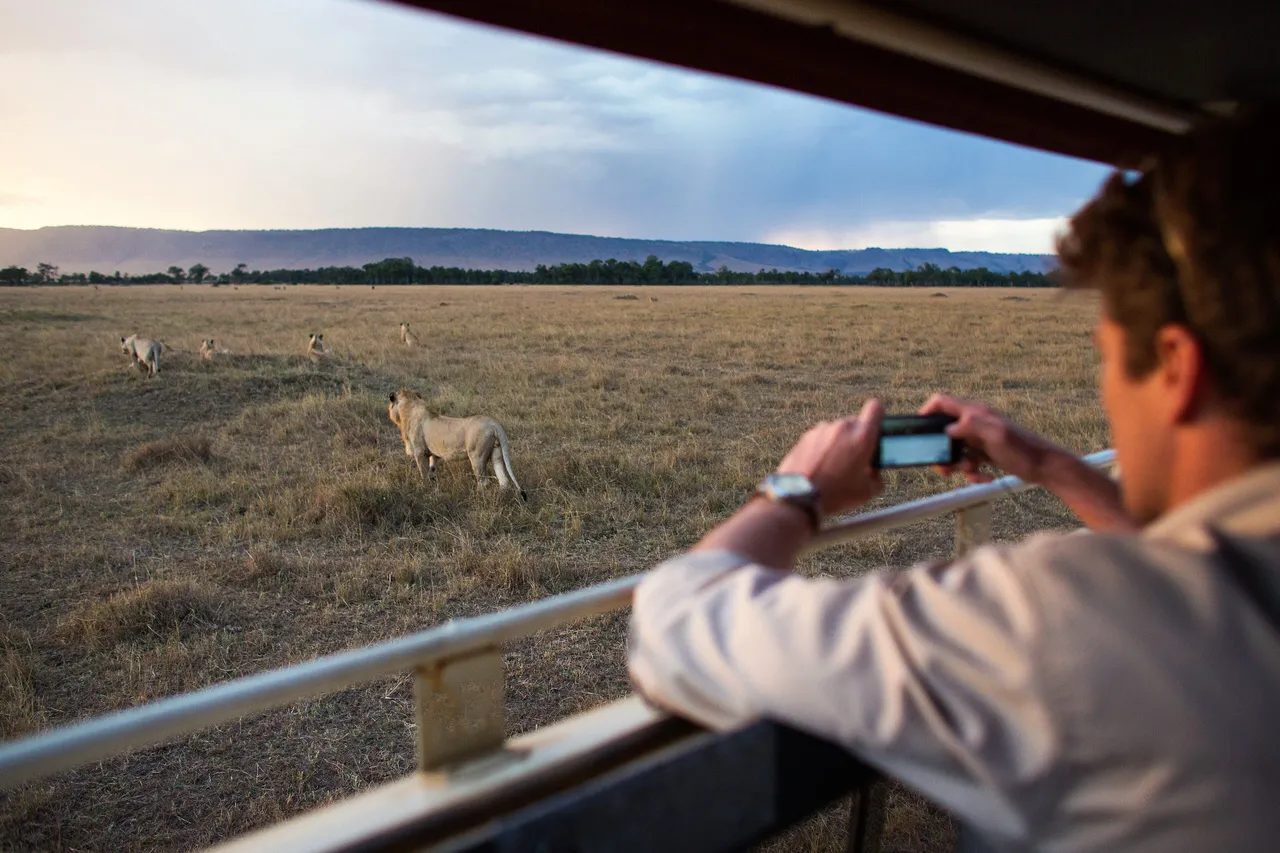
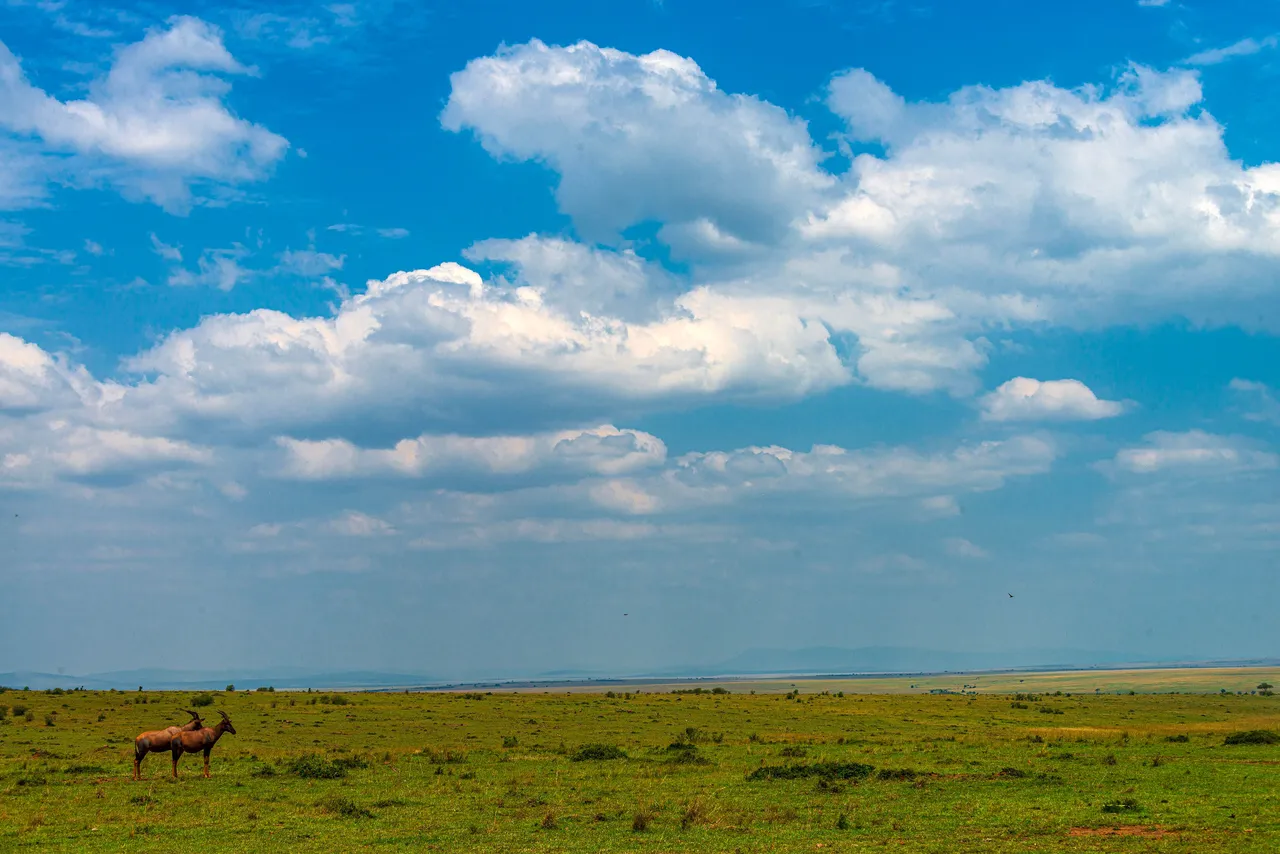
The two parks together cover about four per cent of Kenya’s land area. Tsavo is the antidote to the Mara in high season. Game viewing takes more patience, because the animals have somewhere to be that is not in front of you.
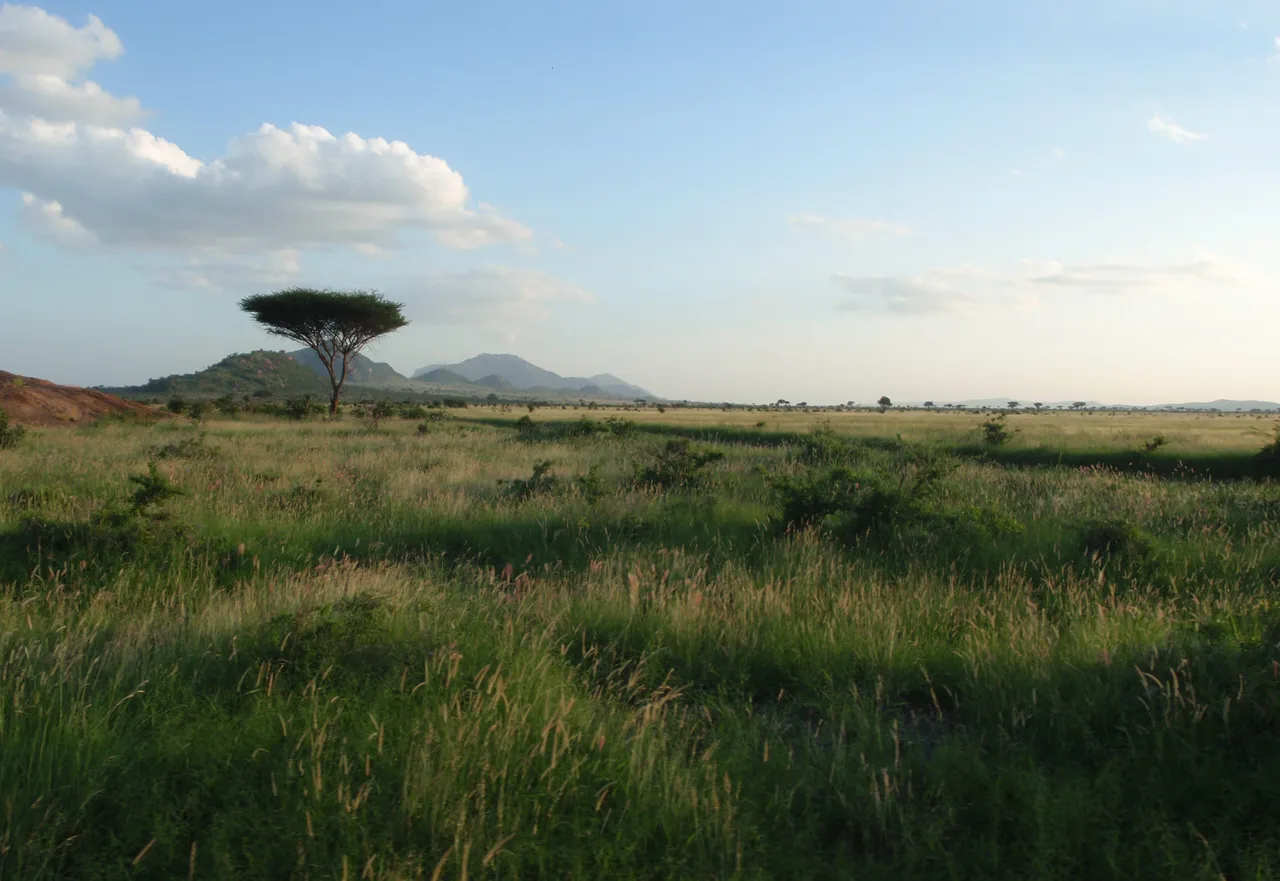
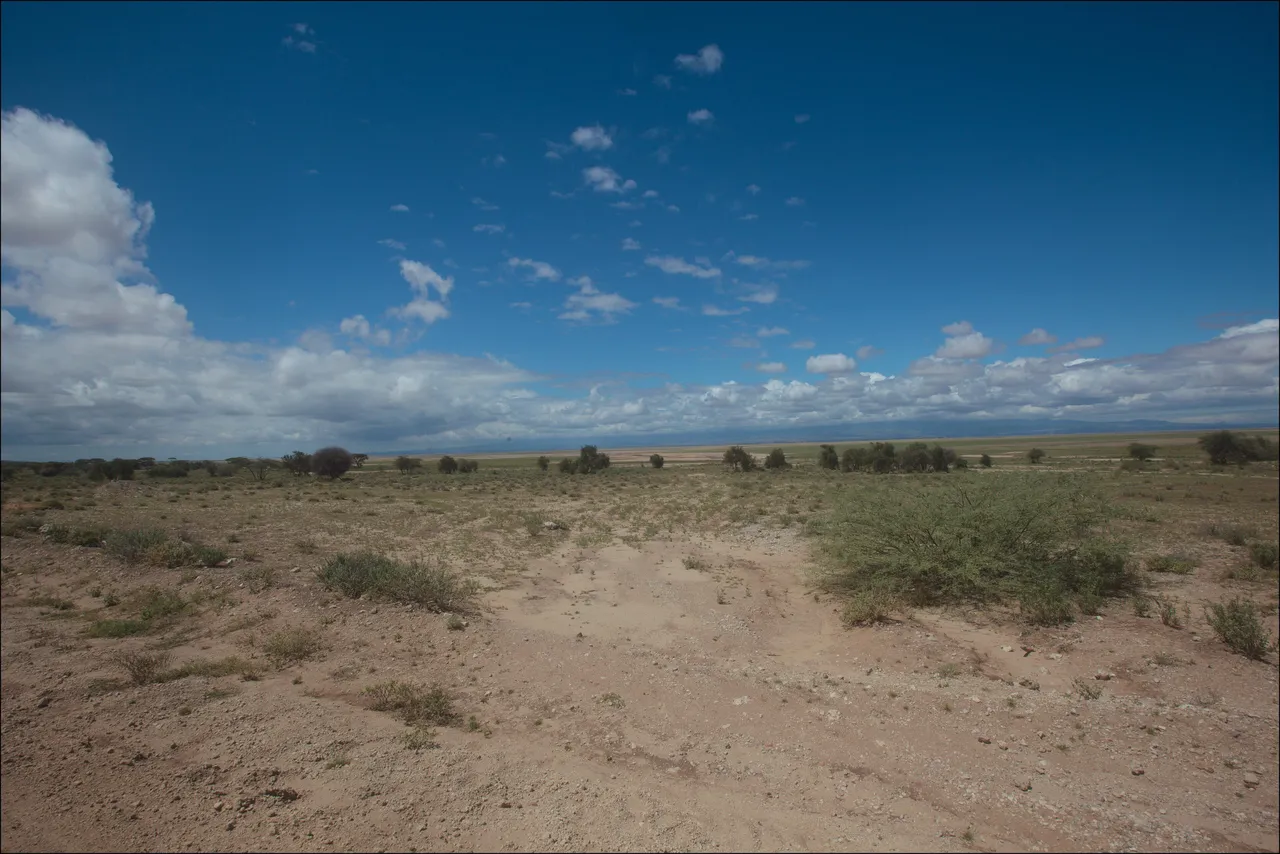
Tsavo East is flatter and drier. It is cut by the Galana river and the 300-kilometre Yatta lava flow, the longest in the world. Big herds, big skies, and you can drive for an hour without meeting another vehicle.
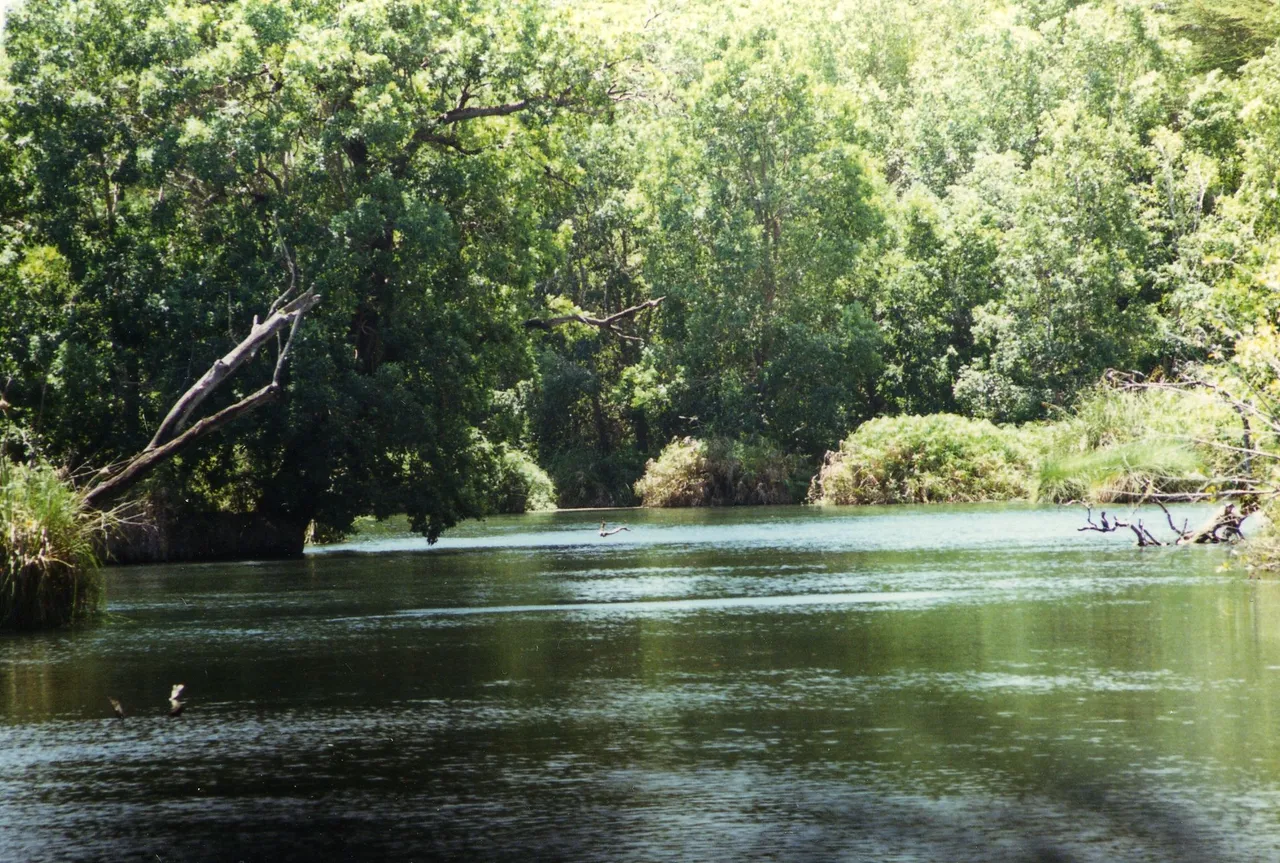
Tsavo West is greener and more broken. It holds Mzima Springs, where fifty million litres a day surface through porous volcanic rock. An underwater viewing chamber lets you watch hippo from below.
Most trips take one or the other. Taking both needs four days.
They are not a different subspecies. They dust-bathe in the local ochre soil and stay that colour until the next rain. It is the most recognisable thing about Tsavo, and it photographs extraordinarily well in low light.
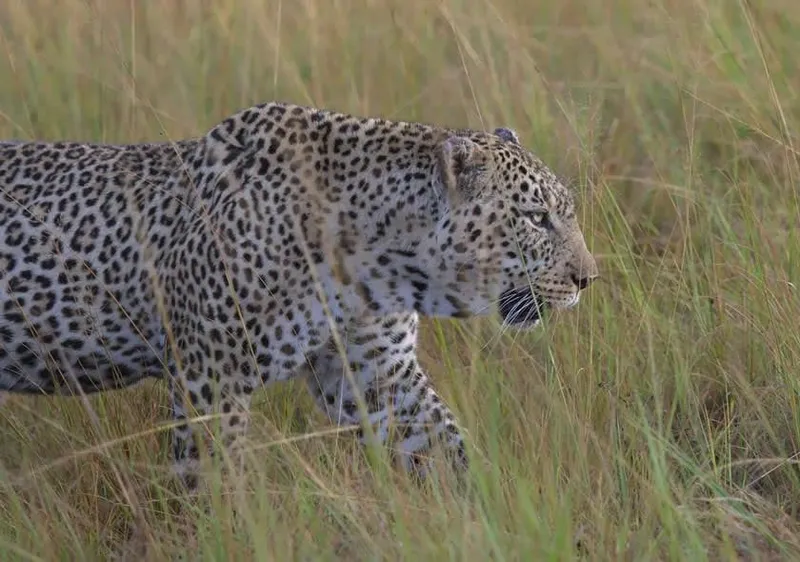
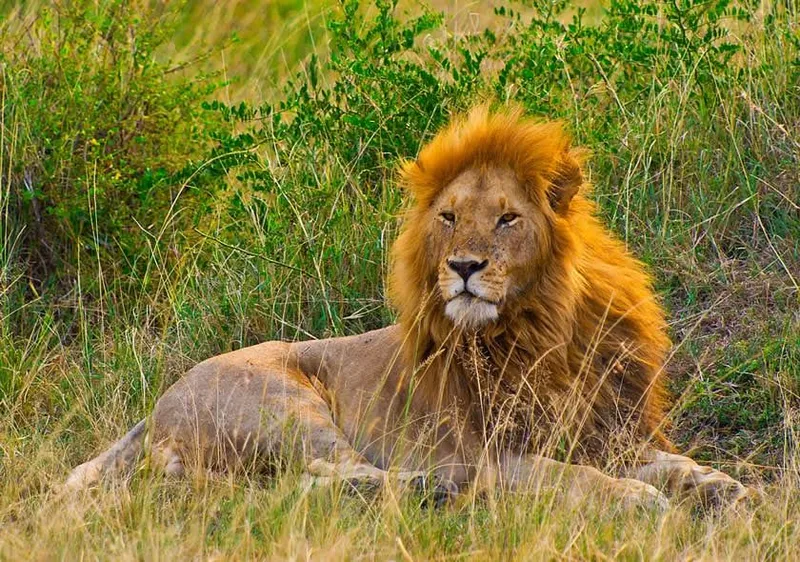
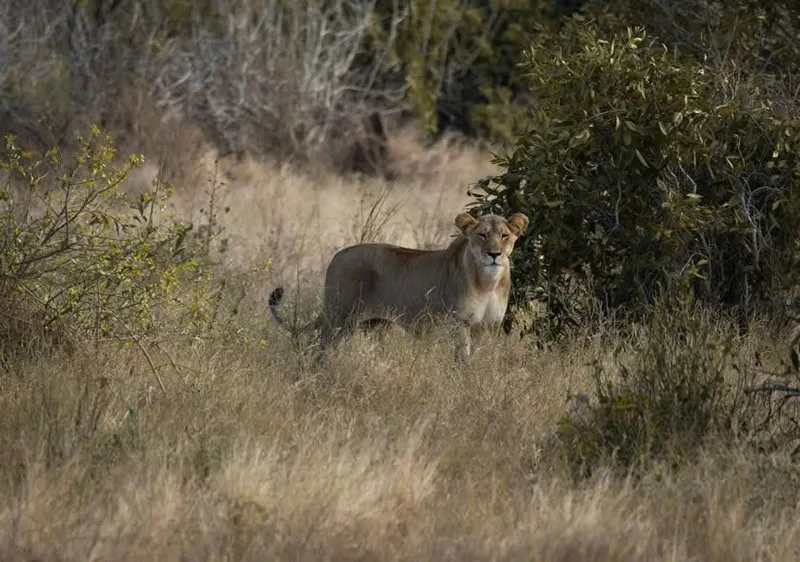
Tsavo’s male lions are often maneless, or nearly so. The usual explanation is heat and thorn scrub. This is also the country of the Tsavo man-eaters of 1898, which is the reason most people have heard the name at all.
Tsavo sits on the road and rail line between Nairobi and Mombasa. That makes it the natural stop on the way to the coast rather than a separate journey.
It also pairs with Amboseli, an hour or so west. Our month-by-month guide covers when the country is at its best.
Two nights in one half, or four if you want both. Tsavo rewards patience, and a single night here is usually a disappointment.
It is hot and very dusty. Take more water than you expect to drink and something to cover camera gear. Distances between gates and lodges are long, so ask where your lodge actually sits before you book. An hour of the wrong kind of driving is easy to buy by accident.
Both parks are managed by the Kenya Wildlife Service.
Declarado en 1948. Para qué se creó, y qué lo amenaza ahora.
Tsavo was gazetted in 1948 as Kenya's first national park and split administratively into East and West the following year, purely because the Nairobi to Mombasa road and railway cut through the middle of it. Together they cover close to 22,000 square kilometres, around four per cent of Kenya.
The park was created to protect a functioning arid ecosystem at a scale large enough to survive drought, which smaller parks cannot.
Tsavo has taken the worst of Kenya's poaching. The elephant population fell from roughly 35,000 in the late 1960s to around 6,000 by 1988. It has recovered substantially since, and the current threat is less ivory than it is the railway, pipeline and highway corridors cutting the ecosystem into pieces.
Las especies por las que este sitio es realmente conocido, no una lista de los cinco grandes que valdría para cualquier parque de Kenia.
01Loxodonta africana
Red from dust-bathing in the local ochre soil, not from any difference in the animal. Tsavo holds Kenya’s largest single population.
02Panthera leo melanochaita
Males here are often maneless or nearly so, usually explained by heat and thorn scrub. This is the country of the 1898 man-eaters.
 03
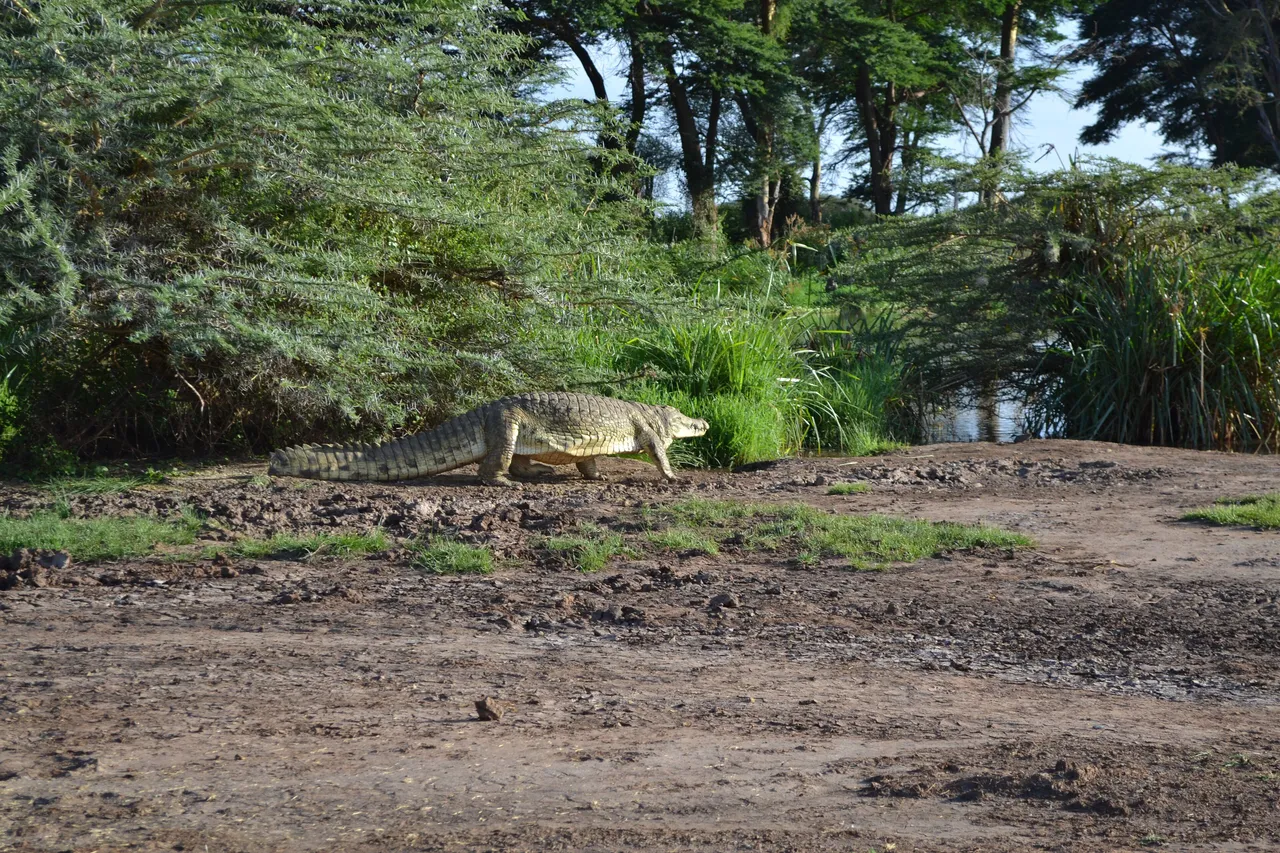
03Crocodylus niloticus
The Galana and the springs at Mzima hold large crocodile. Mzima’s underwater chamber lets you watch hippo and fish from below the surface.
Los parques de Kenia son pequeños. Casi todo lo que decide si la fauna sobrevive ocurre en la tierra que los rodea, y esa tierra es de alguien.
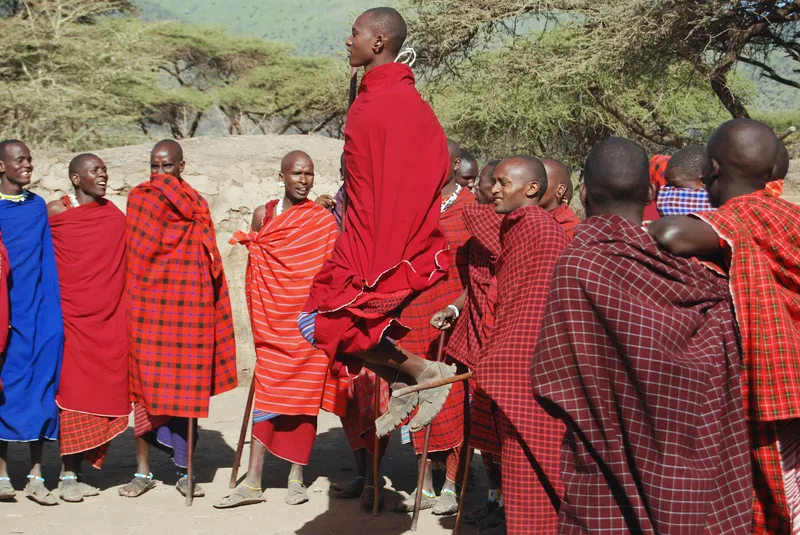
Tsavo is Taita and Kamba country, and the park's creation in 1948 displaced people who had lived and hunted in it. That is rarely mentioned on a game drive, and it is part of why community relations here have historically been harder than in the Mara.
The Taita Hills, rising out of Tsavo West, hold some of the oldest surviving forest fragments in Kenya and an endemic birdlife found nowhere else.
Kasigau and the community ranches on the eastern side now run one of Africa's larger REDD+ forest carbon projects, which pays households directly to keep the bush standing.
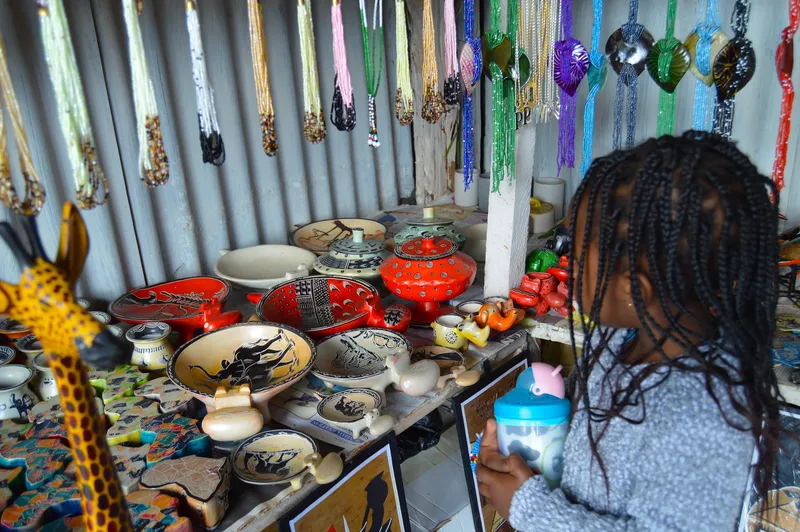
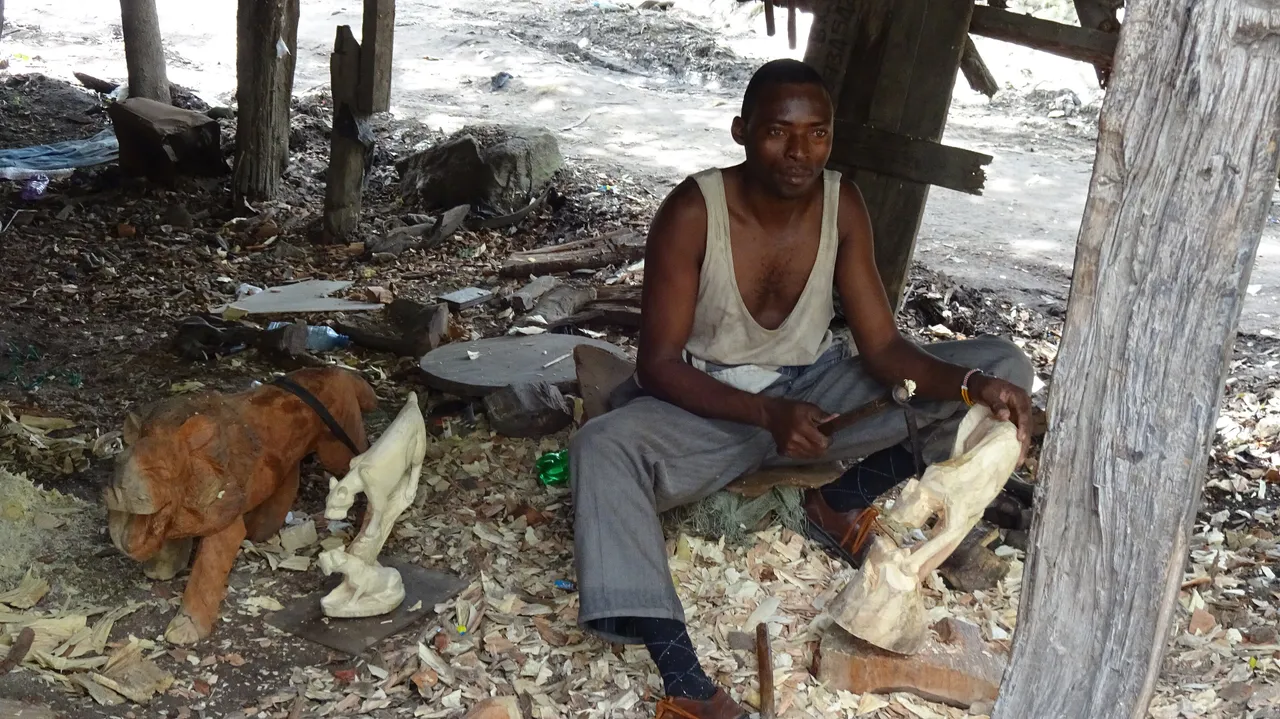
The Akamba are among the best-known woodcarvers in East Africa, and the cooperative at Wamunyu, south-east of Machakos, on the road towards Tsavo, is where a great deal of what you will see in Nairobi curio shops is actually made.
Buying at the source costs less and the money goes further.
Look for pieces in olive wood or mahogany rather than the softer, lighter woods used for volume production, and check whether the carver's cooperative is certified for sustainable timber. The good workshops will tell you without being asked.
Cada pie describe la fotografía que tiene encima.
Amboseli Safari corto
Nairobi National Park Excursión de un día
Todos los safaris de esta web existen como itinerario imprimible, día a día, con lo que incluye y el precio. Envíeselo a quien le acompañe. Le añadiremos a una nota mensual breve sobre cuándo viajar y cuánto cuesta, y nada más.