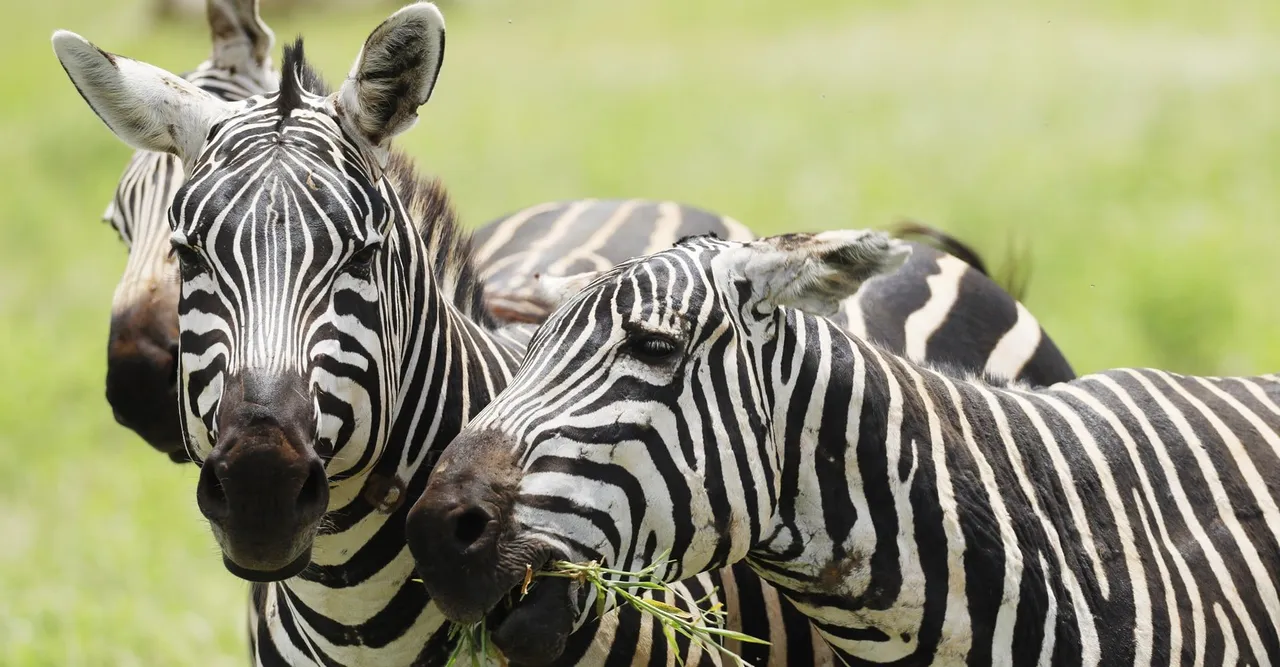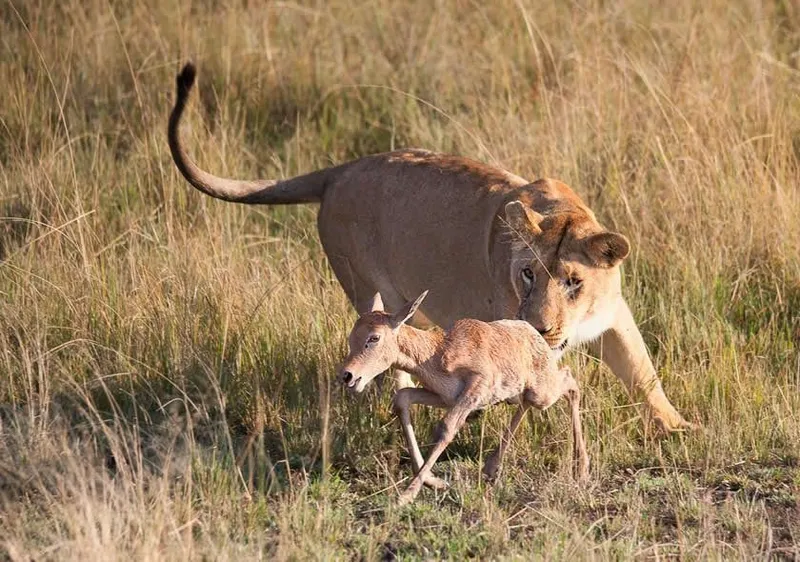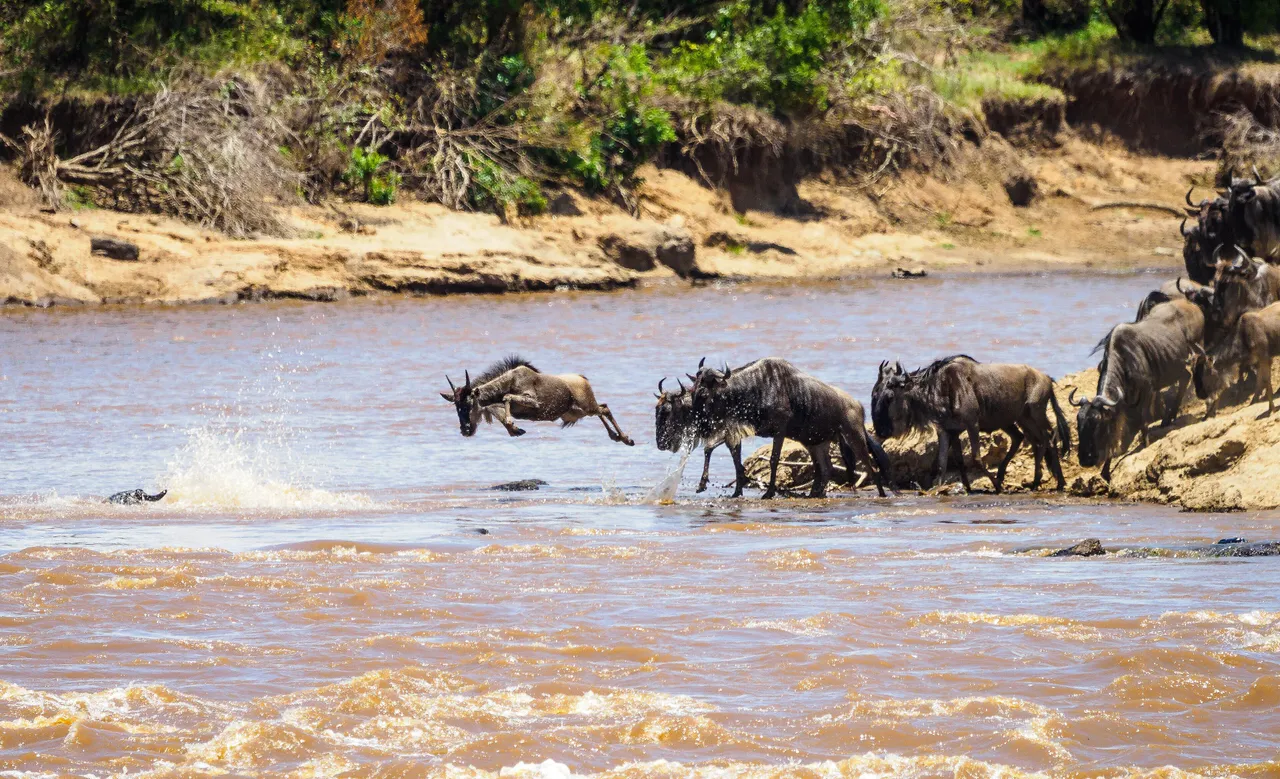
The Great Migration in the Masai Mara is the reason many people come to Kenya. Well over a million wildebeest, with hundreds of thousands of zebra and gazelle, move between Tanzania's Serengeti and the Mara in a loop that follows the rain and the grass.
Kenya gets the part of that loop most people picture: the herds on the Mara plains and the crossings of the Mara River. This guide explains when that happens, where to be, and what no honest operator can promise.
When the Great Migration in the Masai Mara happens
The herds do not have a timetable. They follow the rain, and the rain changes every year. The pattern below is the usual one, not a guarantee.
| Months | Where the herds usually are |
|---|---|
| January to March | Southern Serengeti, Tanzania, where the calves are born |
| April to June | Moving north and west through the Serengeti |
| July to October | Northern Serengeti and the Masai Mara, Kenya |
| November and December | Heading south again into Tanzania |
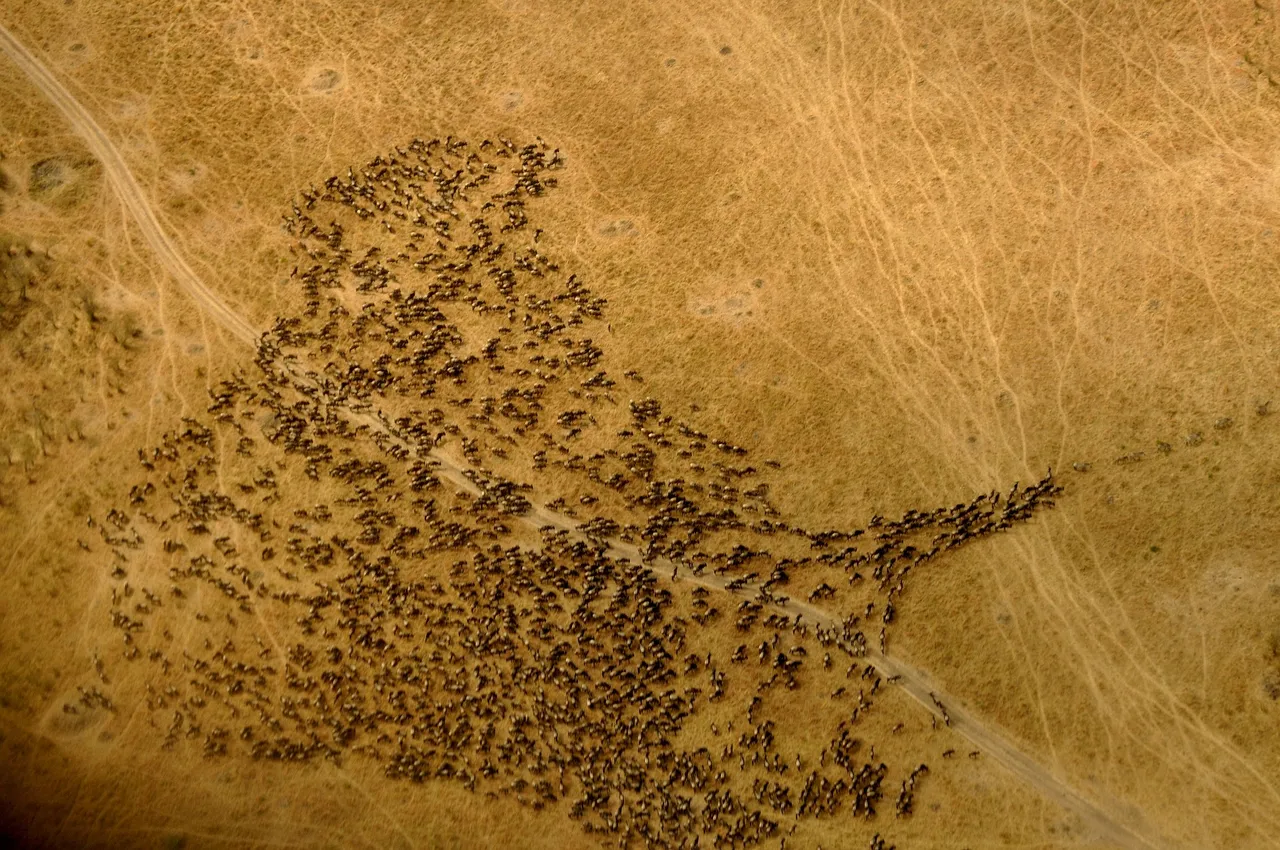
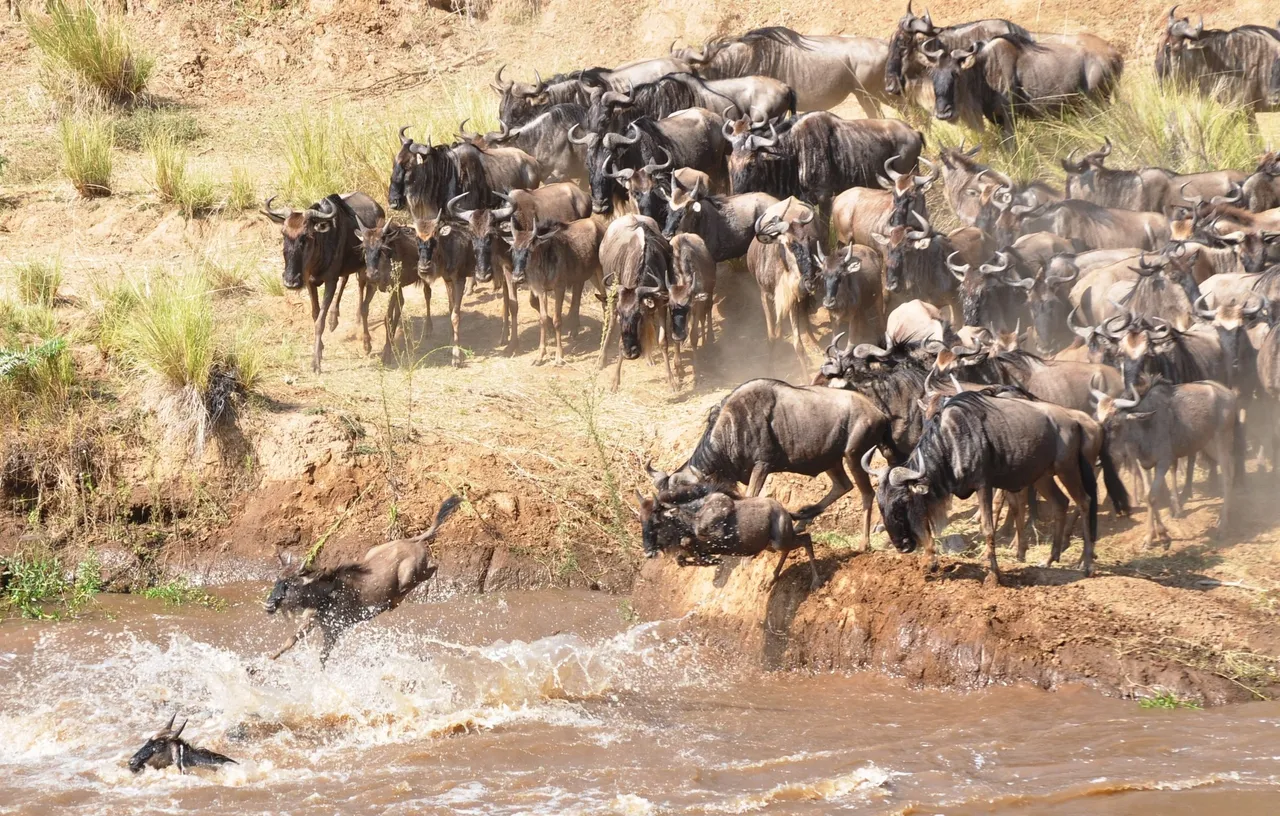
The first large groups often reach the Mara in July. By August the plains can be dark with animals. Most have left by late October, though some stay into November in a dry year.
Where the river crossings happen
The famous crossings are on the Mara River, which runs north to south through the western side of the reserve before crossing into Tanzania. There are well-known crossing points along it, and guides know them by name. Crossings also happen on the smaller Talek River.
The Mara Triangle, managed by the Mara Conservancy, sits on the far side of the river. Camps there and in the main reserve both reach the crossing points, so choose your camp for comfort and distance rather than for one side.
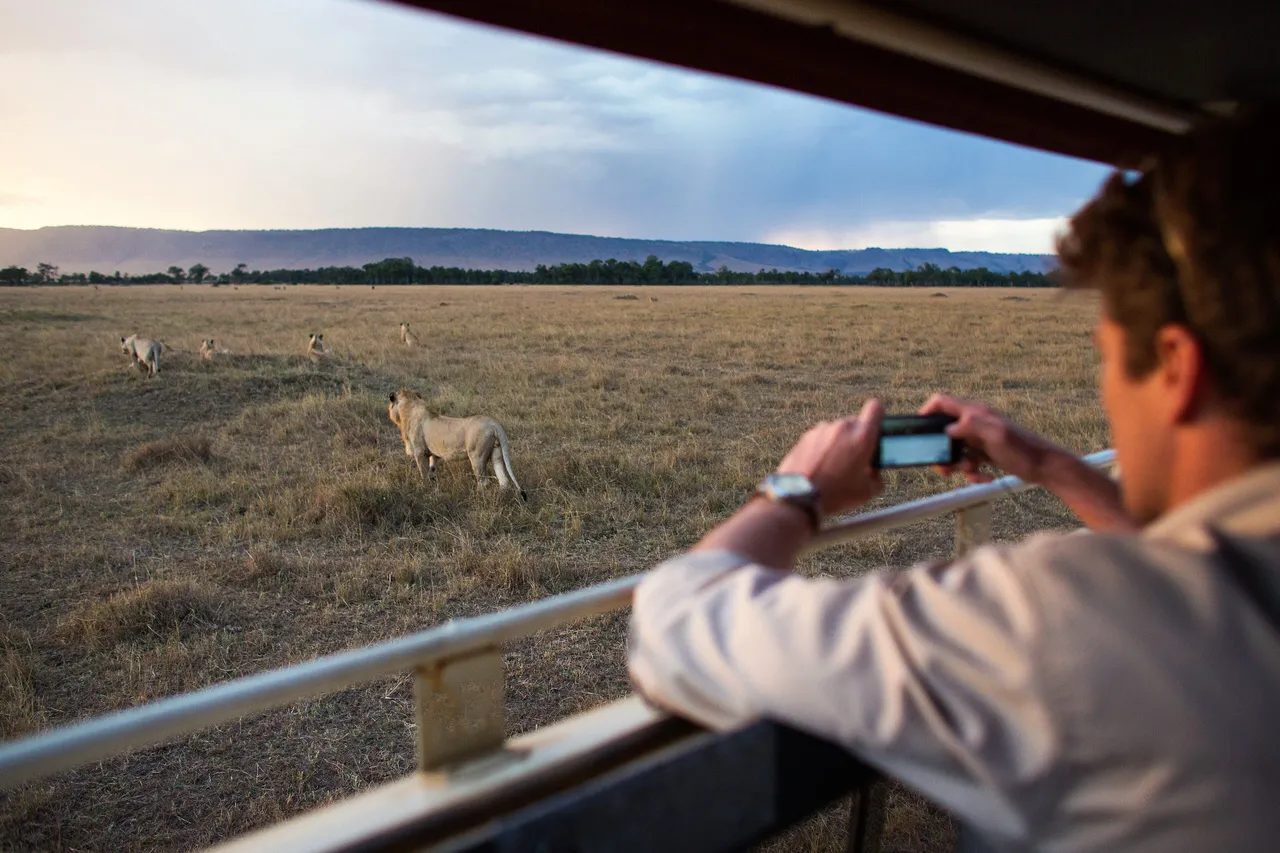
How to give yourself the best chance
Stay longer
Three nights is the minimum. Four or five nights gives you several mornings at the river and room for the herds to change their minds. Our five-day safari adds Ol Pejeta and Lake Naivasha to the Mara for the same reason: more time in the field.
Go out early and pack lunch
Most crossings happen in the middle of the day, but the best position at the river goes to the vehicles that are already there. A full day out with a packed lunch beats two short drives.
Choose a guide who talks to other guides
Guides share sightings by radio all day. An experienced guide knows which herds are building on which bank and when it is worth moving. This matters more than the camp you choose.
Respect the rules at the river
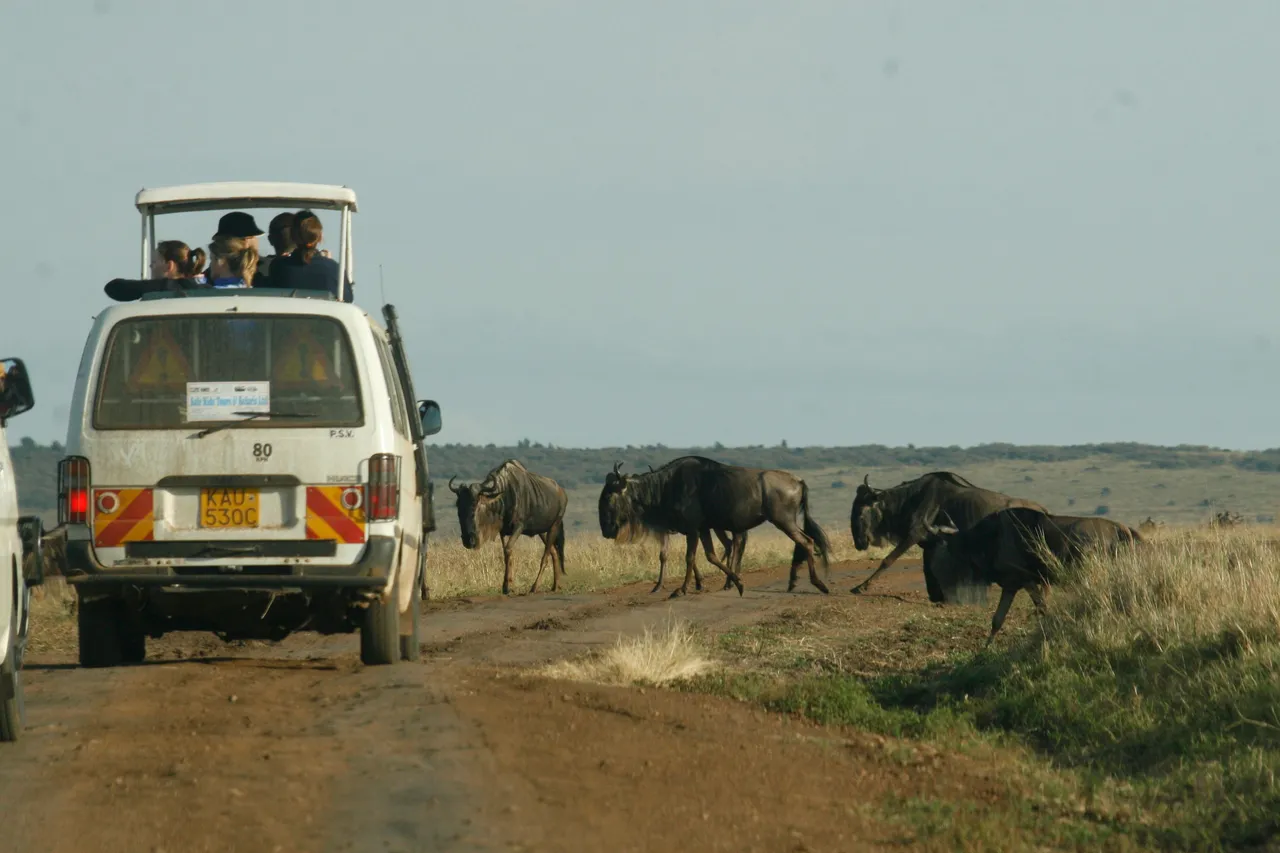
Vehicles have to wait behind the marked line at crossing points and must not block the animals' path. Herds turn back when vehicles crowd them. The rules protect the crossing you came to see.
Is it worth going outside the migration months?
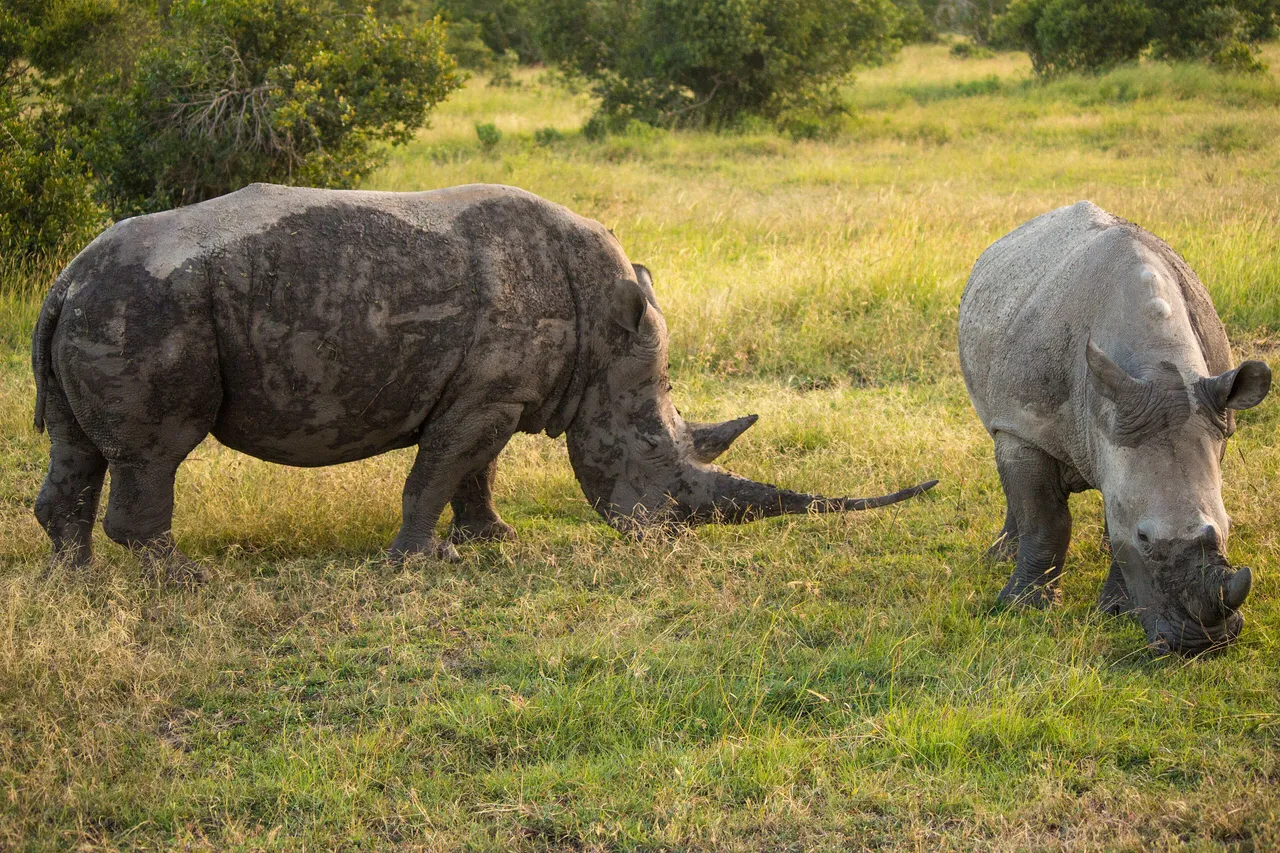
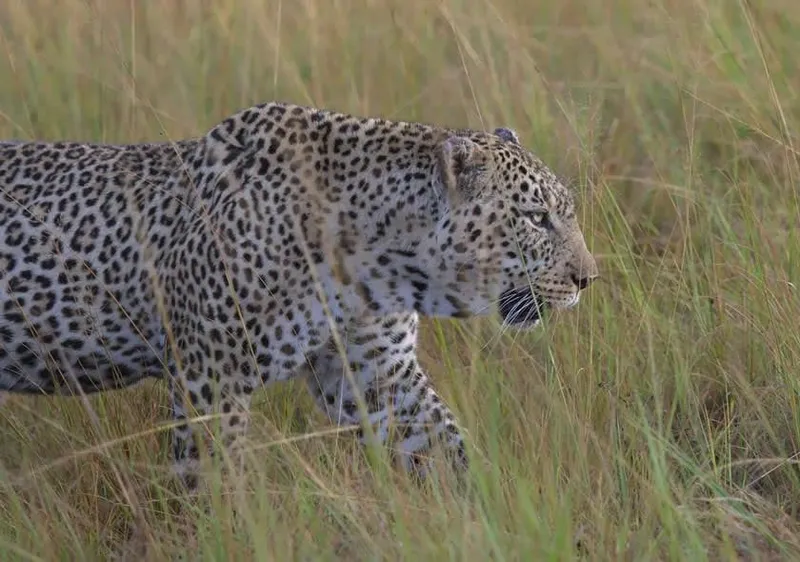
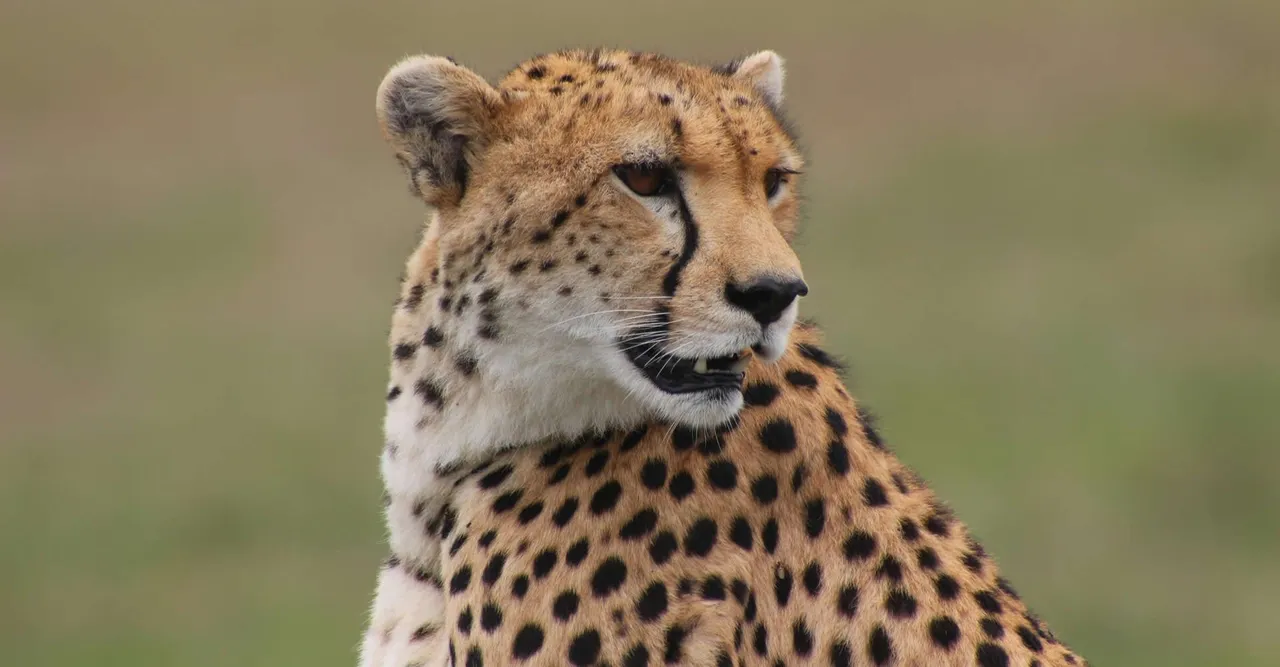
Yes. The Mara has resident lion, leopard, cheetah, elephant, buffalo and hyena all year. January and February are excellent, dry and green. April and May are wet, quiet and much cheaper, as our guide to Masai Mara safari costs explains.
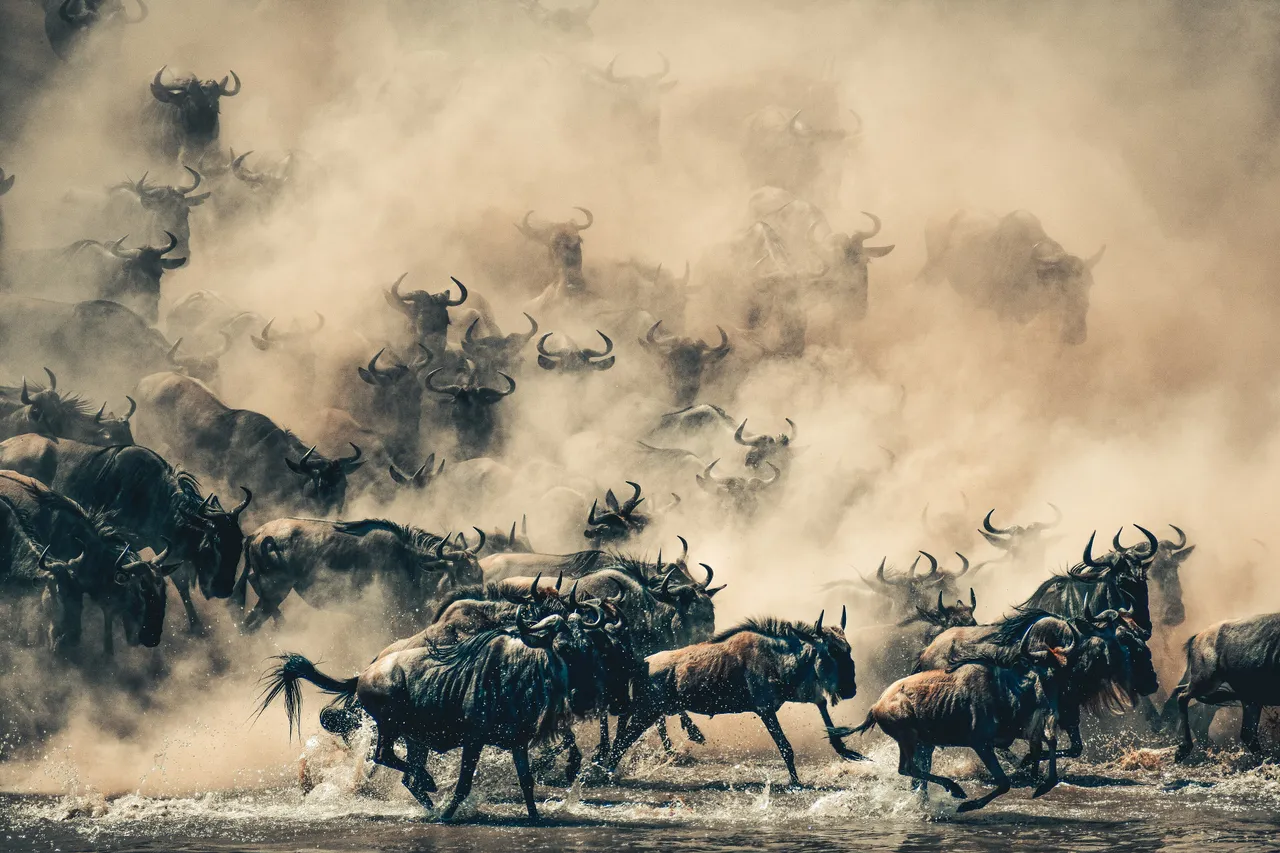
If the Great Migration in the Masai Mara is the whole point of your trip, plan for August or September. If you want big cats and space, any month works.
What to bring for migration season
- Binoculars, one pair each if you can
- A camera with a zoom lens; crossings happen at a distance
- A warm layer for early mornings, which are cold in July and August
- A hat and sun cream for long days at the river
- Patience, and a packed lunch
Our Kenya safari packing list covers the rest.
Frequently asked questions
When is the best month to see the Great Migration in the Masai Mara?
August and September are usually the most reliable months for large herds and river crossings. July and October can be excellent too, depending on the rains.
Can you guarantee a river crossing?
No one can. The herds decide. What we can do is give you enough time at the river, with a guide who knows where to wait.
Is the migration better in Kenya or Tanzania?
Both are good at different times. Kenya's Mara is smaller and easier to reach from Nairobi, and the herds are concentrated there from July to October.
How do I get from Nairobi to the Masai Mara?
By road it takes about five to six hours. By air it is about 45 minutes from Wilson Airport. See our three-day road safari or the flying safari.