 01
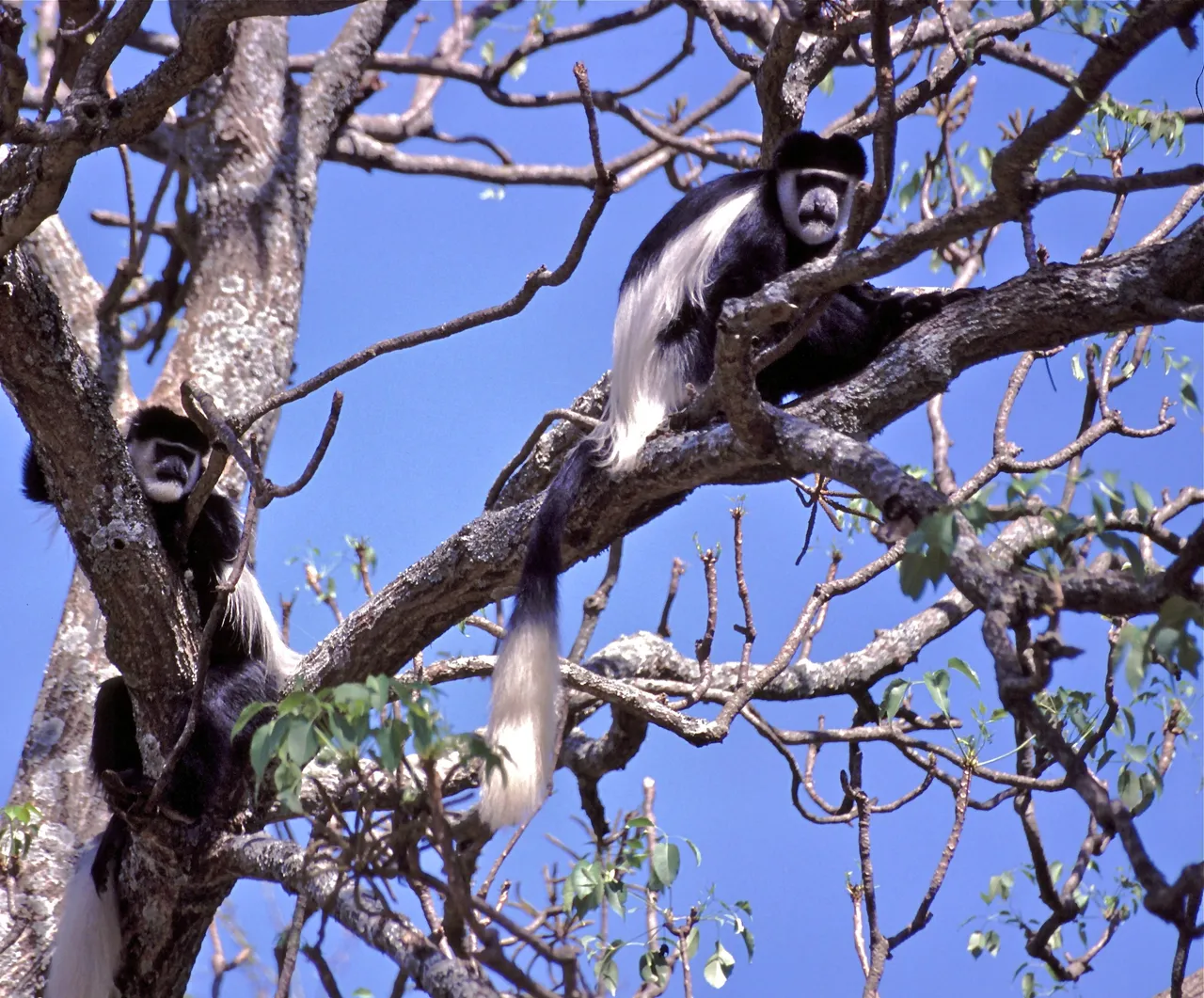
01Angolan colobus
Colobus angolensis palliatus
Diani’s coastal forest holds a small isolated population. Rope bridges over the main road exist specifically to stop them being killed by traffic.

Les descriptifs de voyage et les guides des parcs sont pour l'instant en anglais. La navigation et les formulaires sont dans votre langue, et nous répondons aux demandes en anglais, français, espagnol ou chinois.
WhatsApp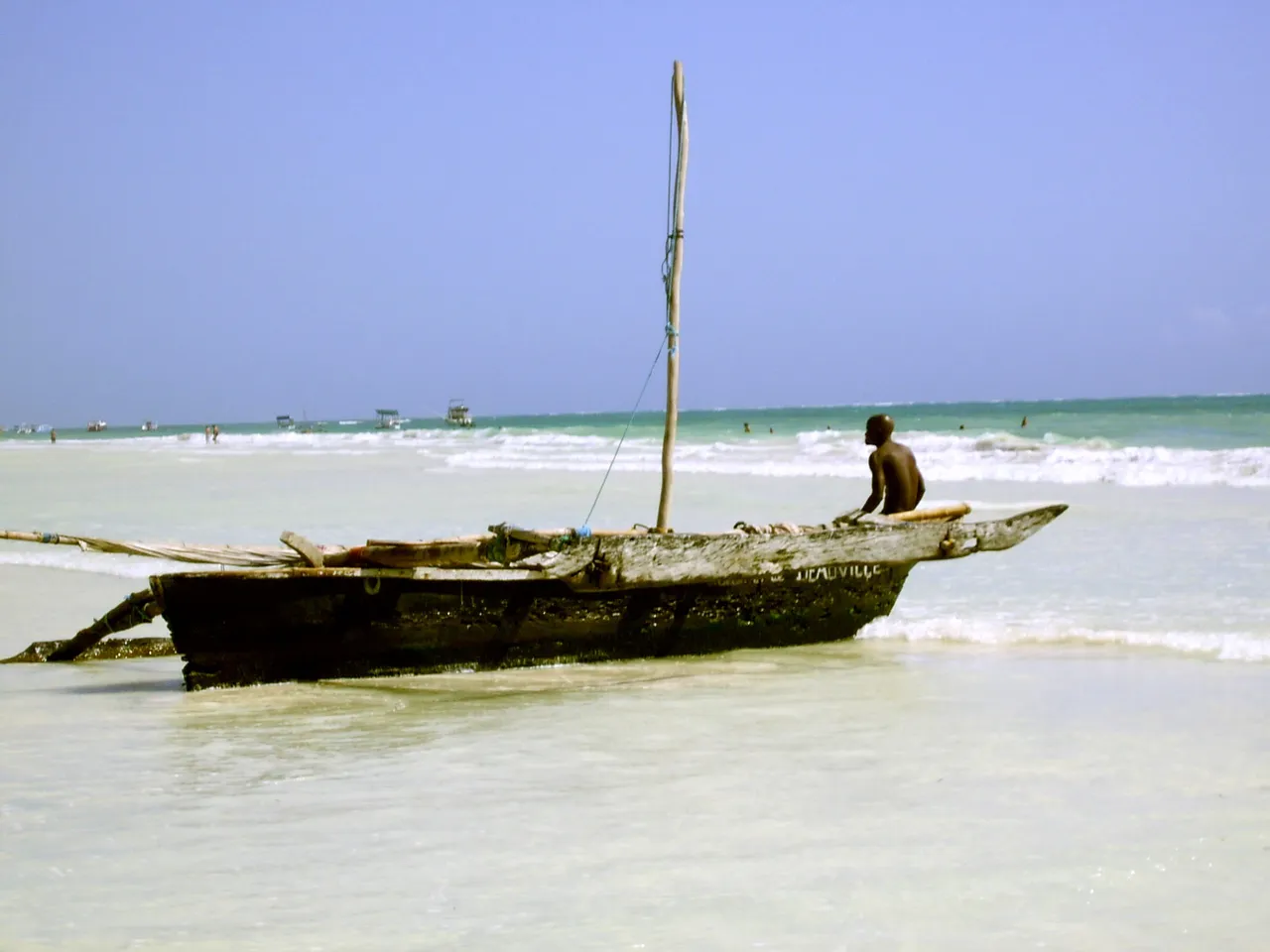
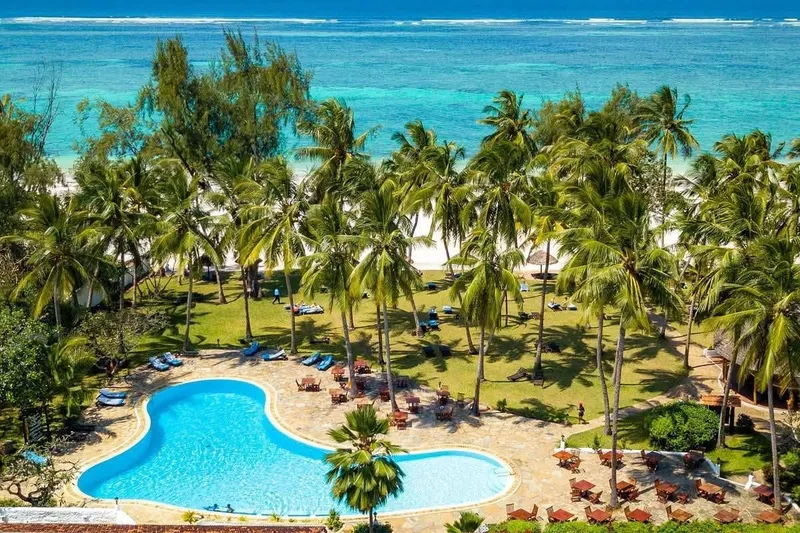
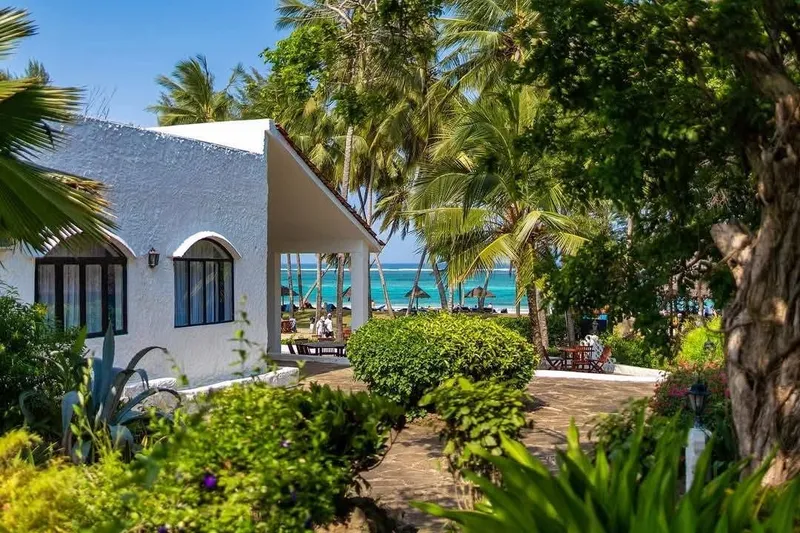
White sand and reef on the south coast below Mombasa, an hour’s flight from Nairobi. Diani beach holidays are the standard second half of a Kenyan trip.
Diani beach holidays are what a safari is followed by. Around ten kilometres of white sand on the south coast, protected by a reef that keeps the water flat and swimmable. The Indian Ocean stays warm year round.
The standard shape of a Kenyan trip is seven days in the parks and four doing very little.
Mostly, lying still. But there is more here than that if you want it.
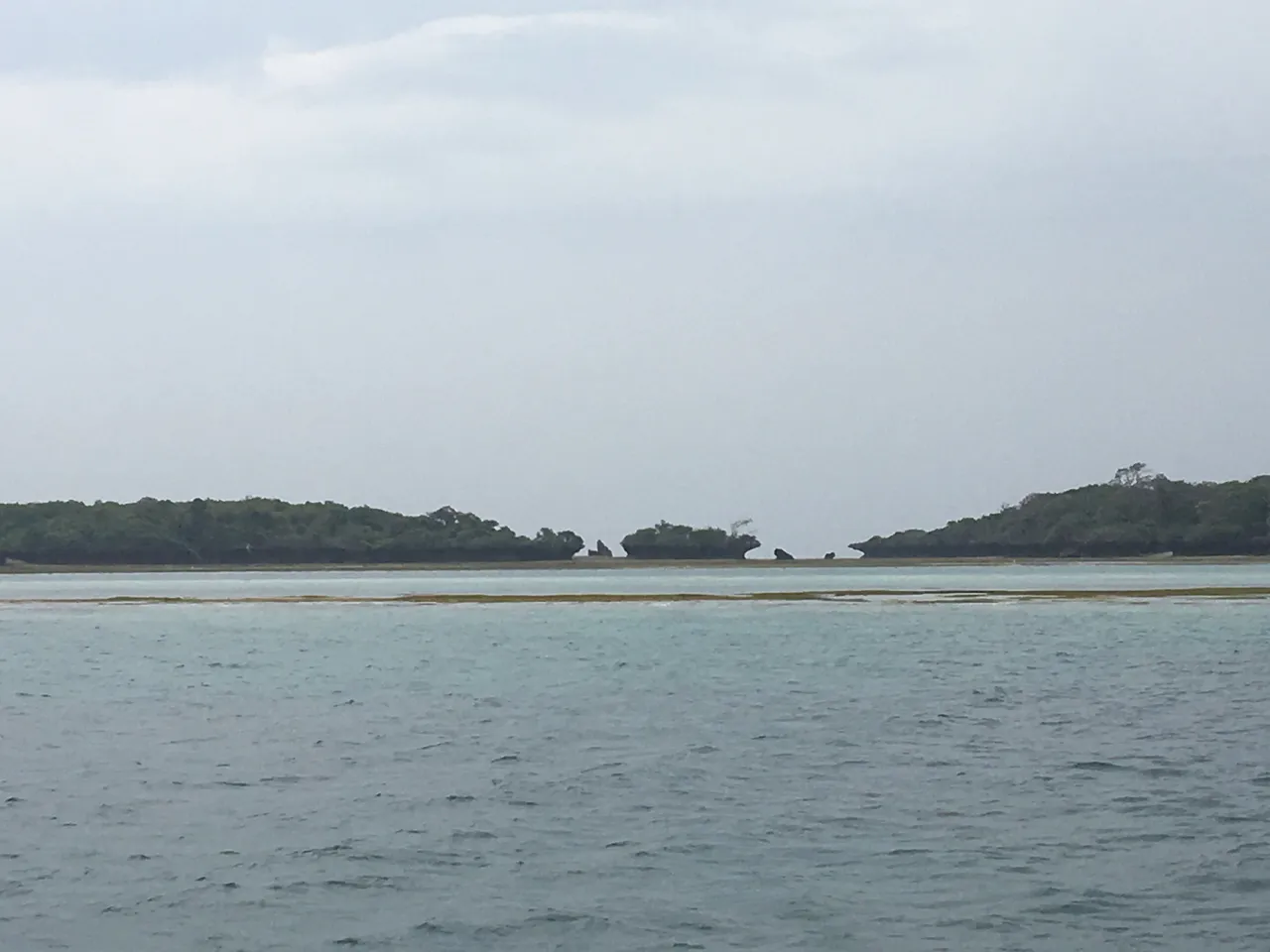
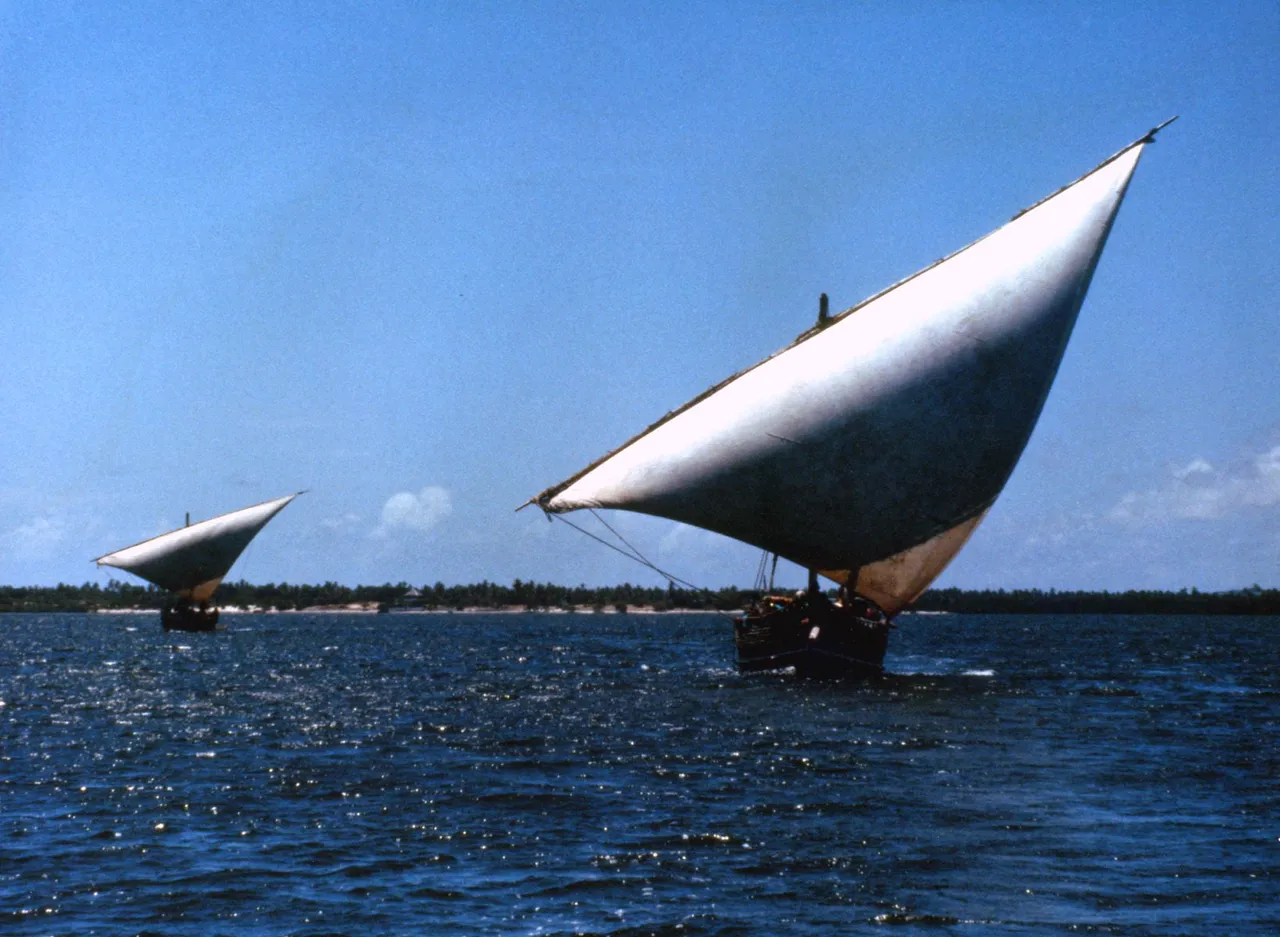
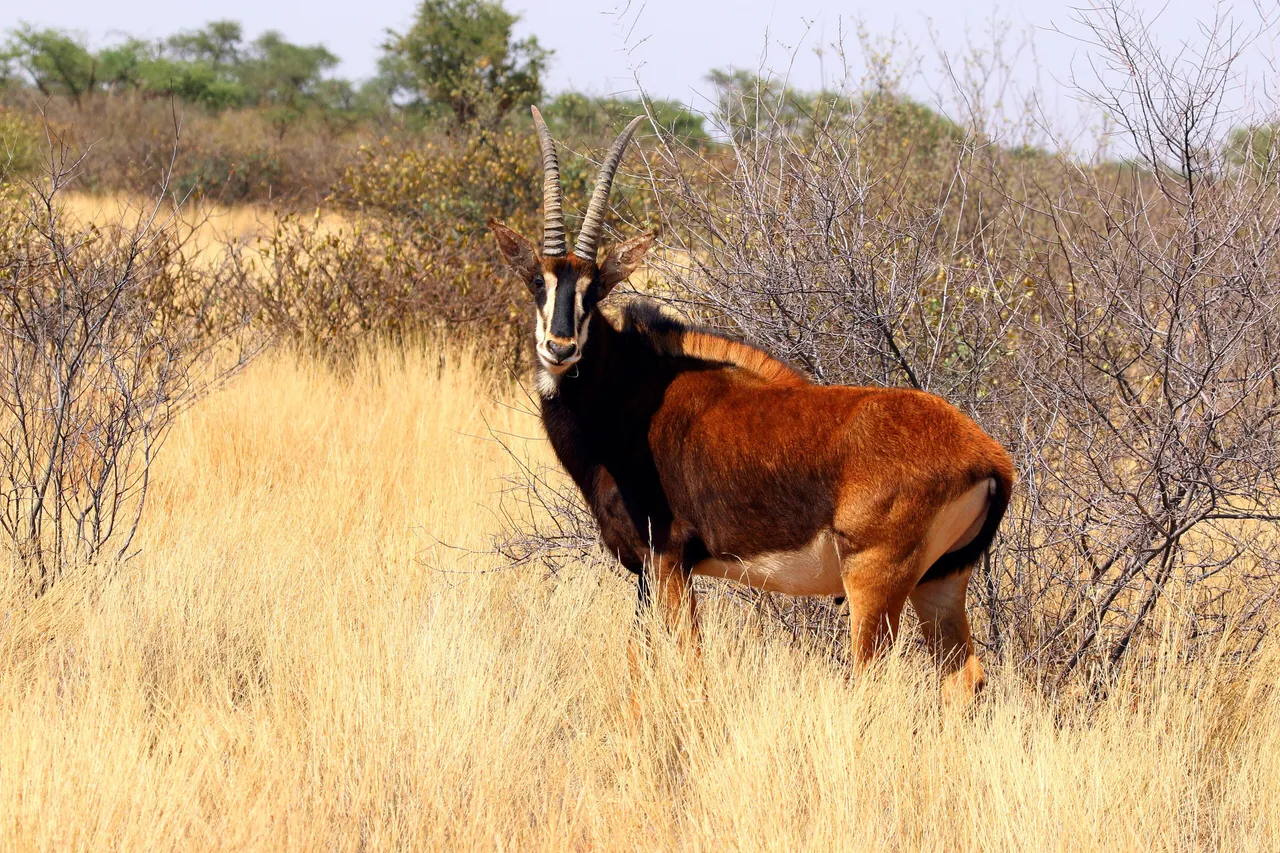
Diving and snorkelling at Kisite-Mpunguti, a marine park with reef in good condition. Kite surfing when the kaskazi blows from December. Dhow trips out to Wasini. And Shimba Hills half an hour inland, a small reserve holding sable antelope, which occur nowhere else in Kenya.
It goes a long way out on the south coast. A beach that is perfect at high water is a walk to the sea at low water.
Any decent hotel will give you a tide table. It is worth looking at before you book a room, and worth asking us about before you book the hotel.
An hour by air from Nairobi to Ukunda, which is the sensible option. Or the train to Mombasa and a road transfer, which takes most of a day but costs far less.
December to March is hot, dry and busy. June to October is cooler and drier. The long rains fall in April and May, when many hotels close or drop their rates sharply.
Diani pairs with Tsavo, which sits on the road back to Nairobi. Or fly straight down after the Mara and finish flat on your back. Our month-by-month guide covers how coast and bush seasons line up, because they do not always agree.
Four nights is the usual after a week in the parks. Fewer than three and you spend the whole stay unwinding rather than enjoying it.

Diani is Muslim-majority in places, so cover up away from the beach and the hotels. Colobus monkeys cross the main road on rope bridges and are worth stopping for. And the beach vendors are persistent but not aggressive. A friendly, firm no works.
The marine park at Kisite-Mpunguti is managed by the Kenya Wildlife Service.
Créé en 1978. Ce qu'il devait protéger, et ce qui le menace aujourd'hui.
Diani itself is a beach rather than a protected area, but the water in front of it is not. Kisite-Mpunguti Marine National Park and Reserve, south towards the Tanzanian border, was gazetted in 1978 and protects 39 square kilometres of reef, seagrass and island.
Shimba Hills National Reserve, half an hour inland, was gazetted in 1968 and protects coastal rainforest, one of the most biodiverse and most threatened habitats in Kenya.
The reef is the live issue here. Bleaching events in 1998 and 2016 killed a great deal of hard coral, and the recovery has been uneven. Community-run locally managed marine areas at Kuruwitu and Wasini have measurably improved fish stocks where they have been given time.
Les espèces pour lesquelles ce lieu est réellement connu, pas une liste des cinq grands qui conviendrait à n'importe quel parc du Kenya.
01Colobus angolensis palliatus
Diani’s coastal forest holds a small isolated population. Rope bridges over the main road exist specifically to stop them being killed by traffic.
02Hippotragus niger
Shimba Hills holds Kenya’s only population. Males are near-black with long swept-back horns, and they occur nowhere else in the country.
03Kisite-Mpunguti
Over 250 recorded fish species, plus green turtle and dolphin. The protected sections have visibly more fish than the unprotected ones.
Chaque prix comprend les droits d'entrée, le transport et votre chauffeur-guide.
Diani Escapade locale
Les parcs du Kenya sont petits. Presque tout ce qui décide de la survie de la faune se joue sur les terres qui les entourent, et ces terres appartiennent à quelqu'un.
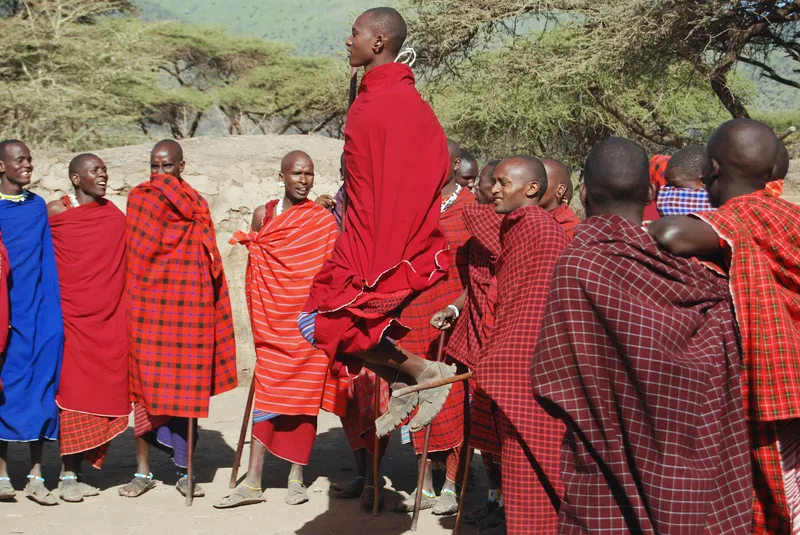
The coast is Swahili, and it is a distinct culture from upcountry Kenya, a thousand years of Indian Ocean trade with Arabia, Persia and India, and a language that became the lingua franca of East Africa.
The Digo and Duruma, part of the Mijikenda, are the people of this stretch of coast specifically. Their sacred kaya forests, fortified village sites now protected as groves, are a UNESCO World Heritage site and are still managed by council elders rather than by the state.
Dress modestly away from the hotels and the beach. It is a Muslim-majority area and the courtesy is noticed.
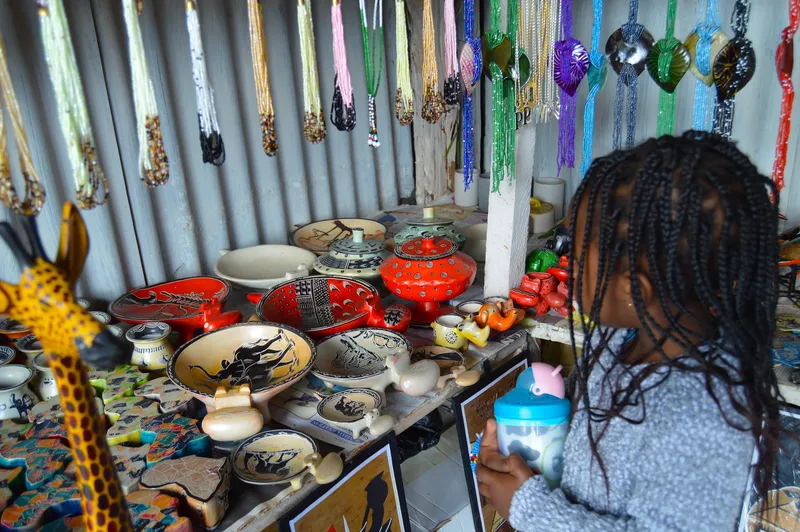
The coast is where Kenya's woodcarving industry actually sits, and the Akamba Handicraft Cooperative in Mombasa is the largest of its kind in the country, several thousand carvers working on one site, open to visitors.
Look also for kikoi cloth, woven cotton wraps that are genuinely local rather than imported, and Lamu-style carved doors and furniture in miniature.
Do not buy anything made from turtle shell, coral or shells collected live. It is illegal, it damages the reef people here depend on, and customs will take it off you on the way out.
Chaque légende décrit la photographie au-dessus.
White sand, a warm reef and an easy train ride from Nairobi. Everything you need to plan a Diani Beach holiday, on its own or after a safari.
Lire l'articleNairobi National Park Excursion à la journée
Masai Mara Safari en avion
Lake Nakuru Safari court
Chaque safari de ce site existe sous forme d’itinéraire imprimable, jour par jour, avec ce qui est compris et le prix. Envoyez-le à ceux qui voyagent avec vous. Nous vous ajouterons à une courte note mensuelle sur quand partir et ce que cela coûte, et rien d’autre.